


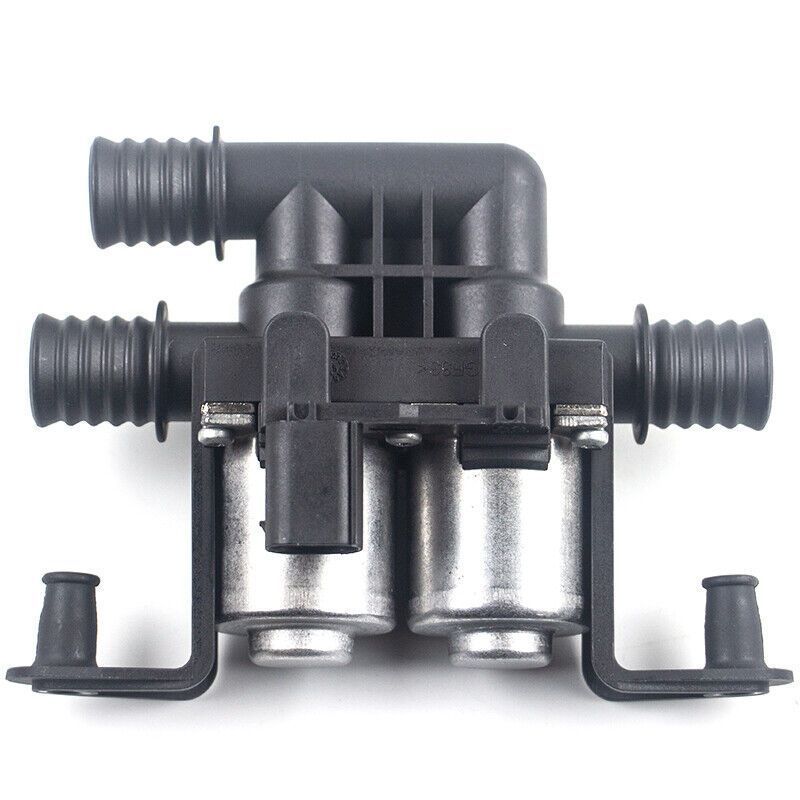
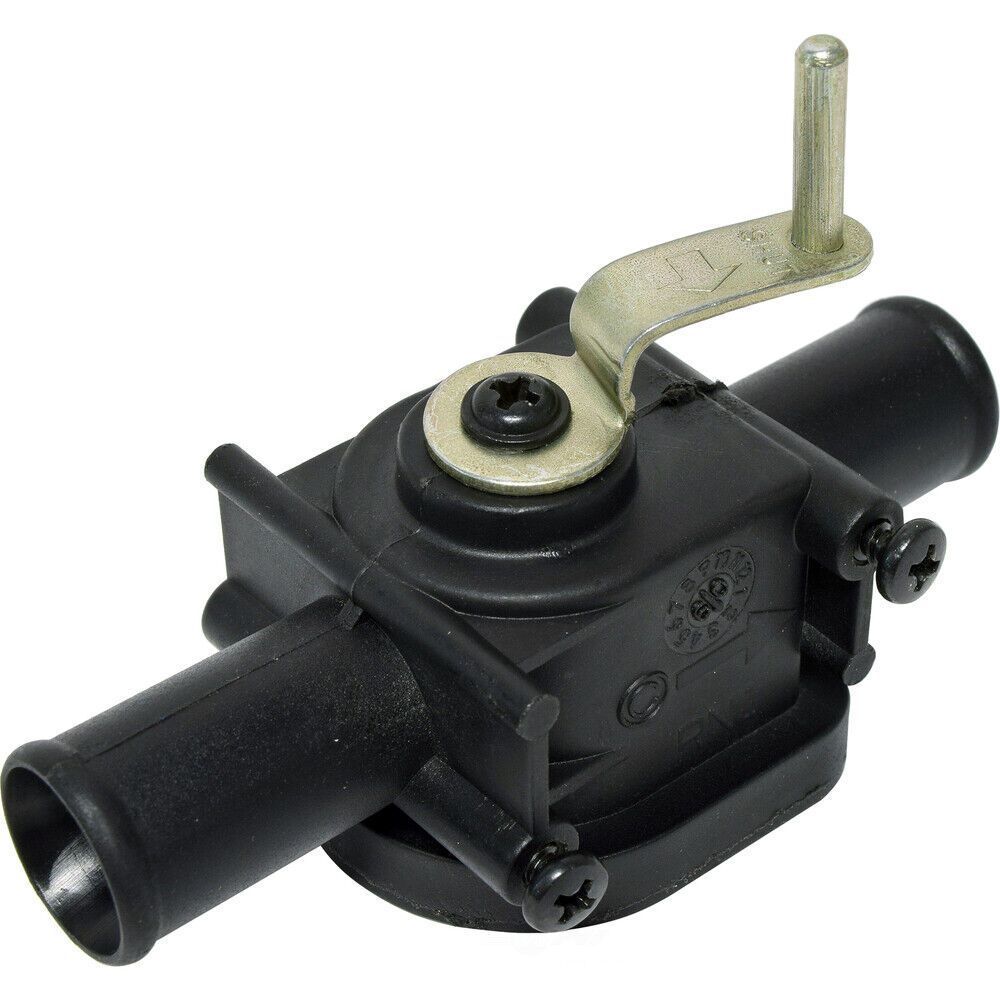
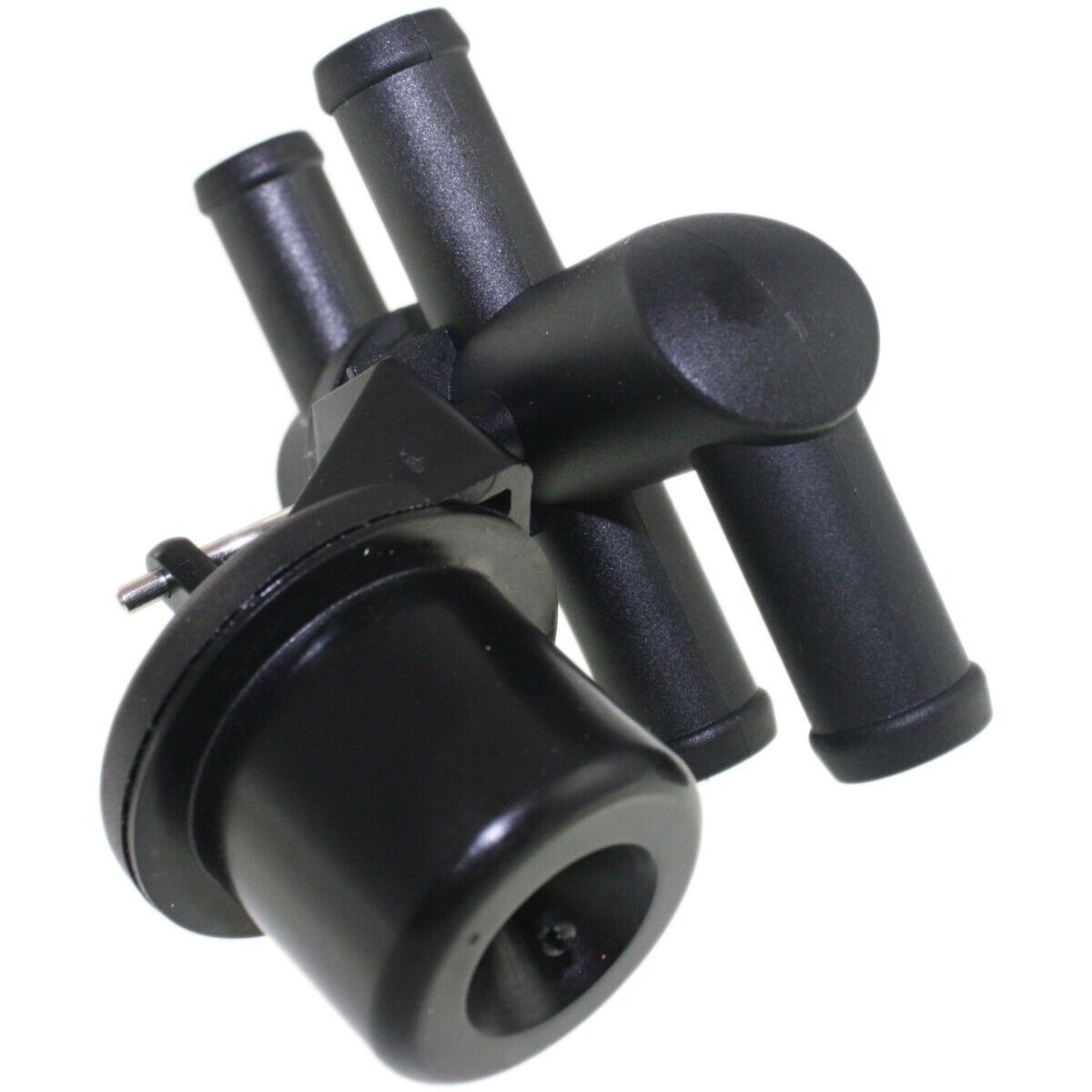
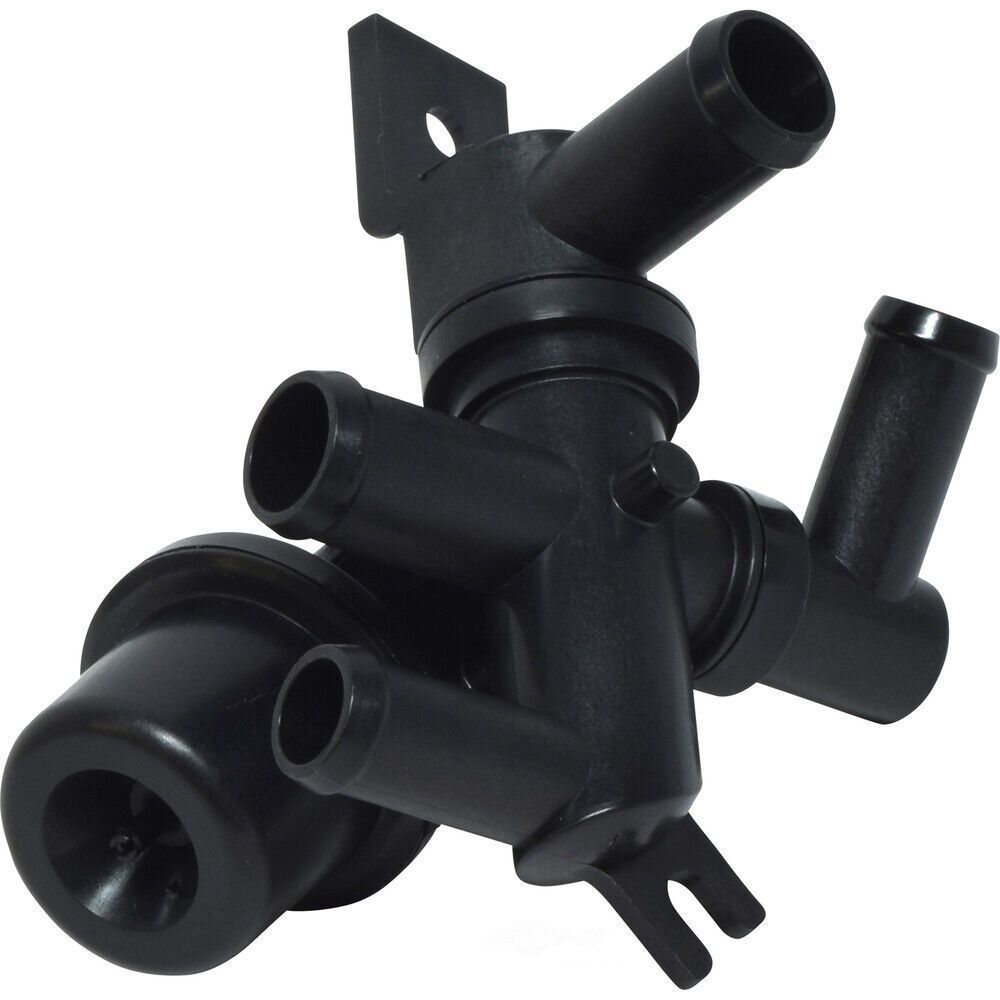
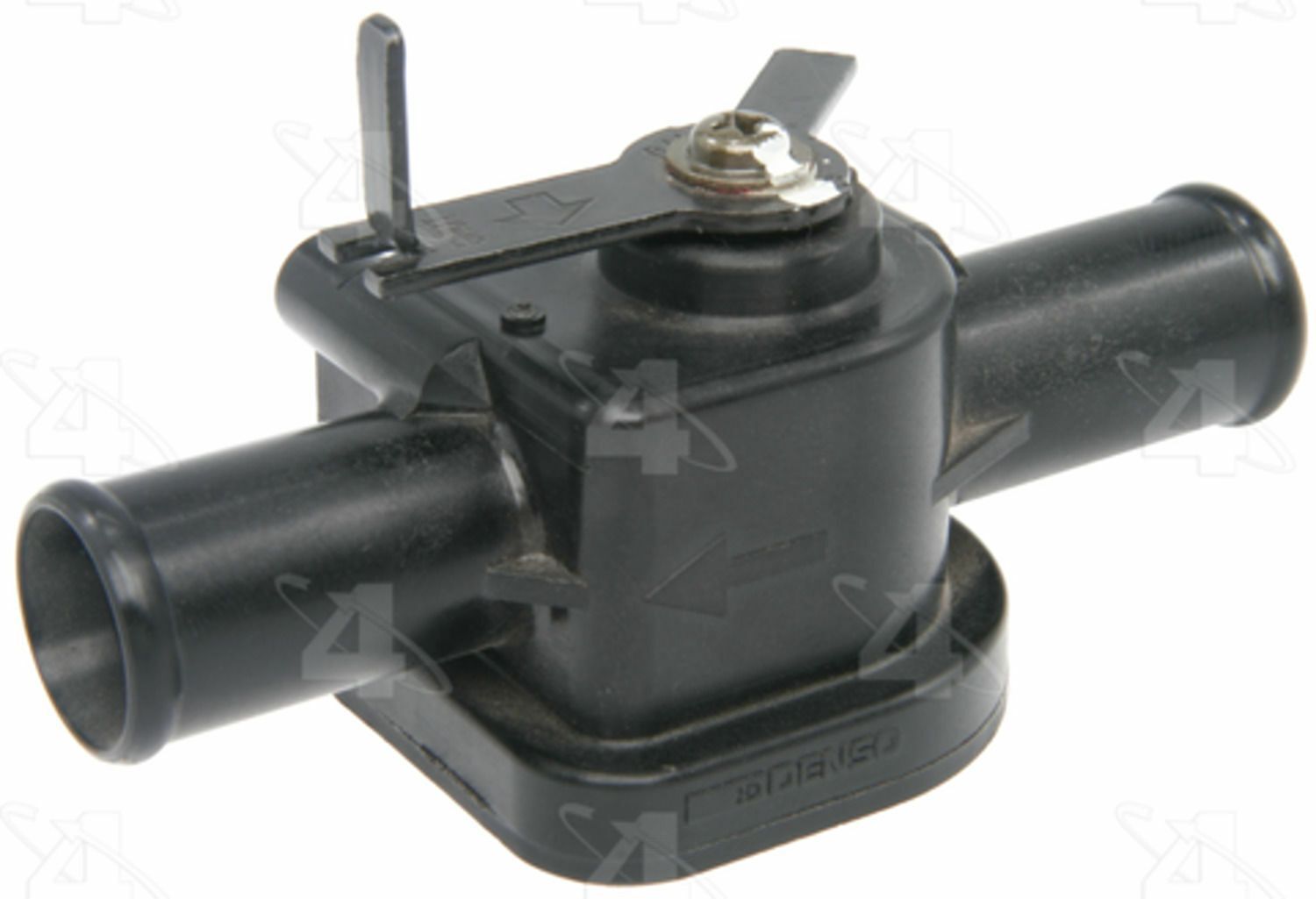
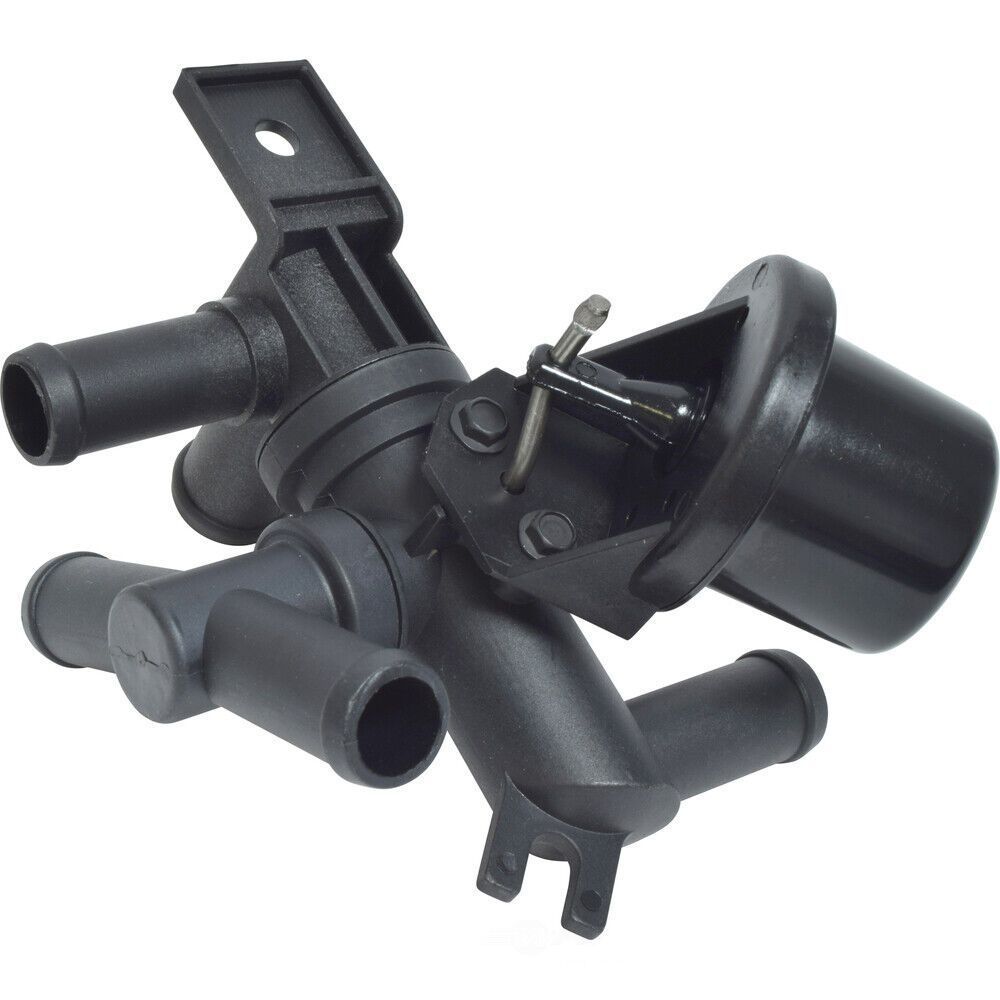
The heater control valve is a key component in a vehicle's heating and cooling system. It acts as a gatekeeper, regulating the flow of hot engine coolant into the heater core located inside the dashboard. When the driver adjusts the temperature controls to 'hot', the valve opens, allowing coolant to circulate through the heater core and warm the cabin air. When set to 'cold', the valve closes, stopping the flow of hot coolant and allowing the A/C system to cool the air effectively. It is the component directly responsible for controlling the cabin's heat level.
Functions of a Heater Control Valve
Regulate Coolant Flow
Its main job is to open, close, or modulate to control the volume of hot coolant entering the heater core.
Control Cabin Temperature
By managing coolant flow, it directly responds to the driver's temperature settings to make the cabin warmer or cooler.
Isolate the Heater Core
In the 'cold' setting, it completely shuts off coolant flow, preventing residual heat from entering the cabin when the A/C is on.
Enable Defrost Function
The valve must open fully to provide maximum heat to the heater core, which is essential for quickly and effectively defrosting the windshield.
Symptoms of a Failing Heater Control Valve
A failing valve can cause major comfort issues. More seriously, a leak from the valve can lead to coolant loss and potential engine overheating.
No Heat in the Cabin
The most common symptom, caused by a valve that is stuck in the closed position, preventing hot coolant from reaching the heater core.
Heat is Always On
The opposite problem: a valve stuck in the open position will continuously send hot coolant to the heater core, even when the controls are set to cold.
Coolant Leak
A cracked plastic housing or deteriorated internal seals can cause coolant to leak from the valve body, visible in the engine bay or on the ground.
Inconsistent Temperature Control
A valve that is sticking or partially clogged can cause the cabin temperature to fluctuate unpredictably or fail to respond correctly to adjustments.
Heater Control Valve vs. Thermostat
What is a Thermostat?
The engine thermostat is a temperature-sensitive valve that regulates coolant flow to the radiator. Its job is to control the engine's operating temperature, keeping it within a specific optimal range. It remains closed when the engine is cold to allow for quick warm-up and opens when the engine reaches operating temperature to prevent overheating.
| Attribute | Heater Control Valve | Thermostat |
|---|---|---|
| Purpose | Regulates CABIN temperature | Regulates ENGINE temperature |
| Control Input | Driver (Dashboard controls) | Automatic (Coolant temperature) |
| Location | In heater hose line | At engine coolant outlet |
| System | Part of HVAC system | Part of Engine Cooling system |
The Thermostat is the main boiler control for the whole house; the Heater Control Valve is the radiator knob in a single room.