


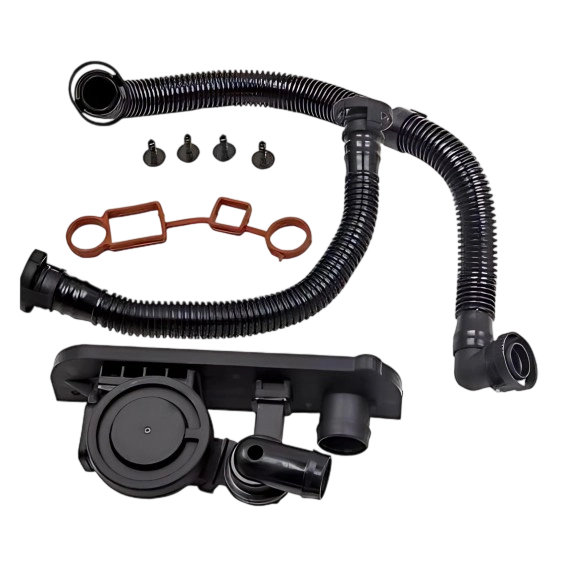
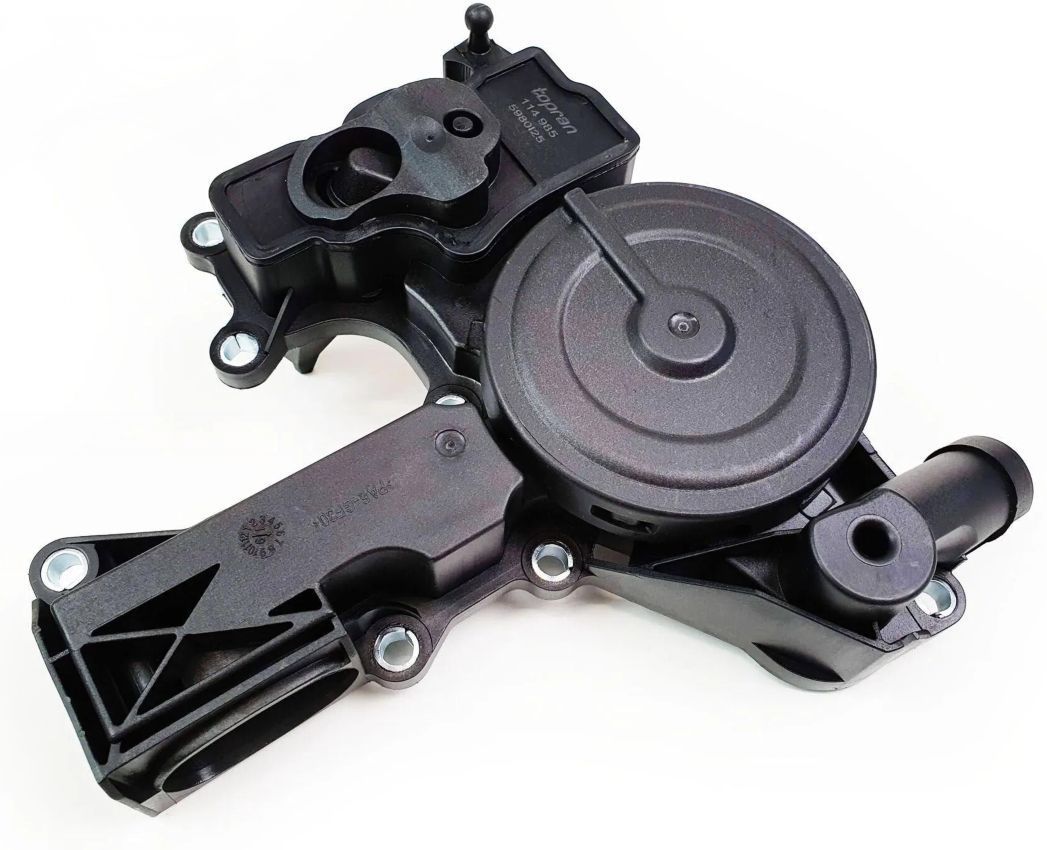
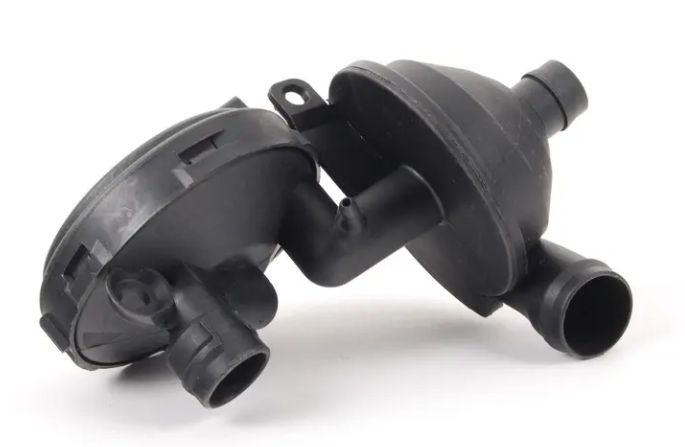
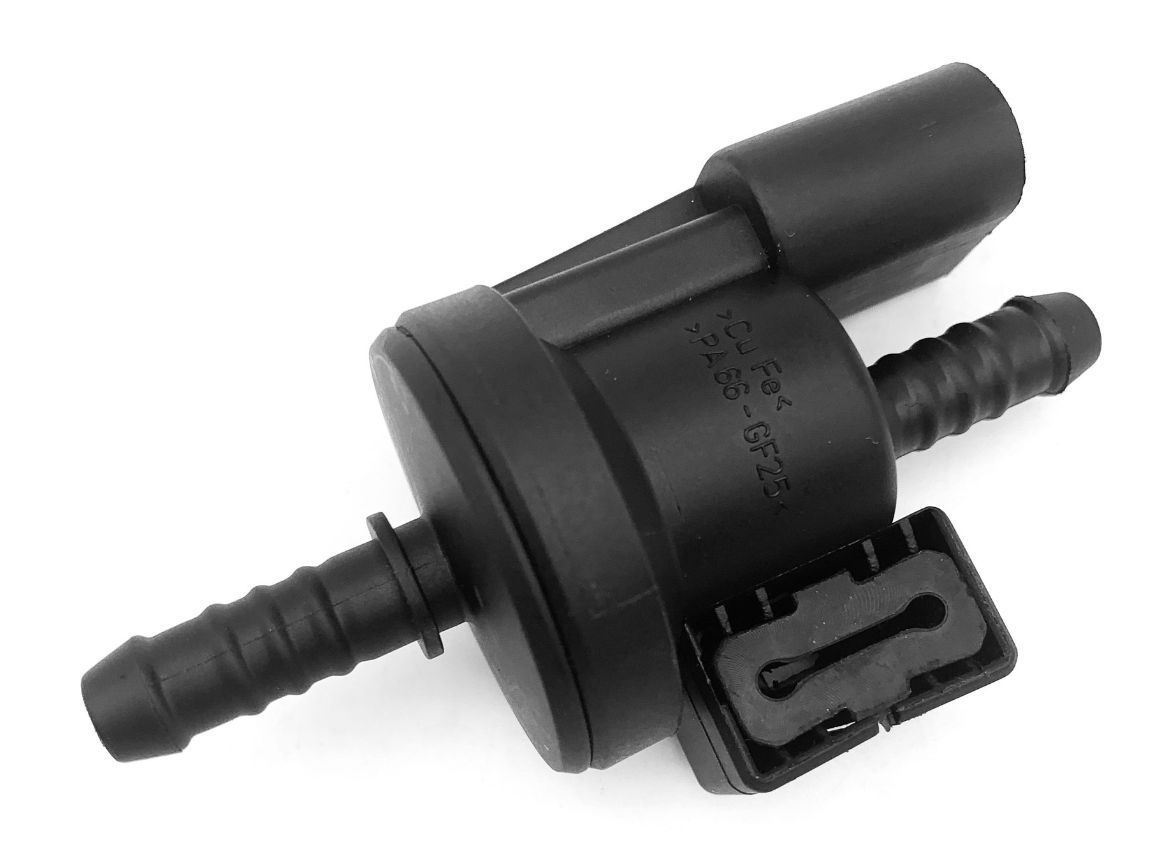
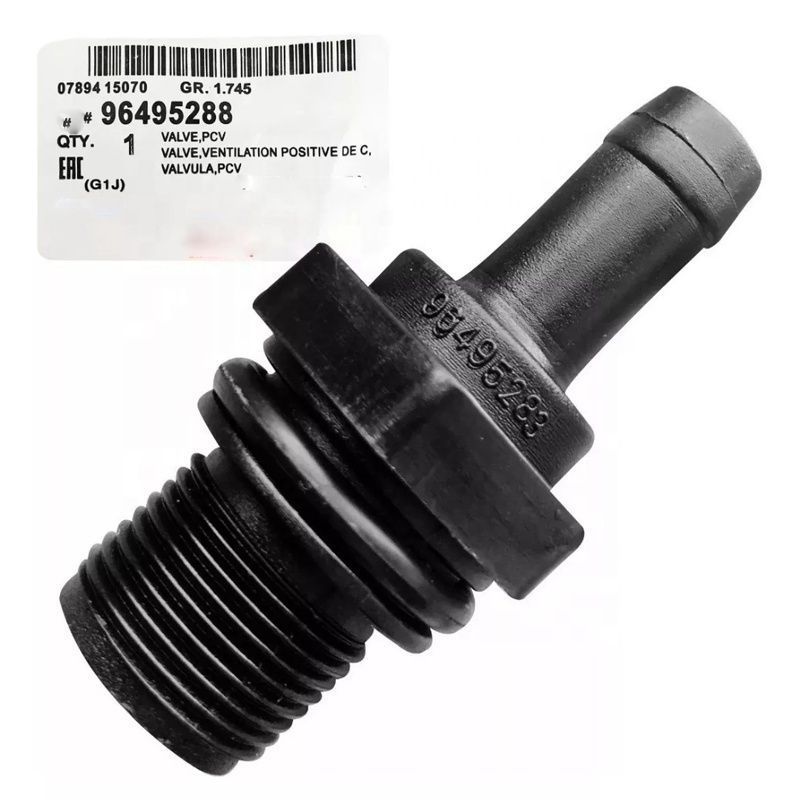
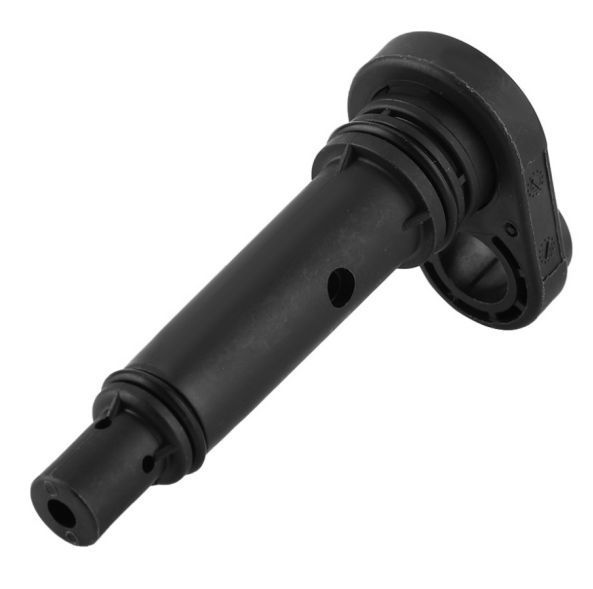
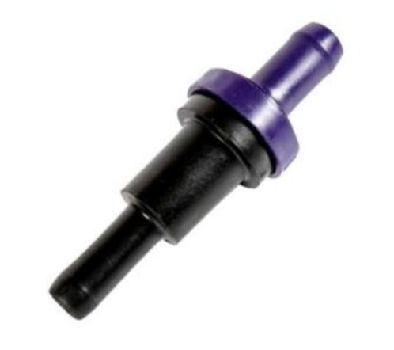
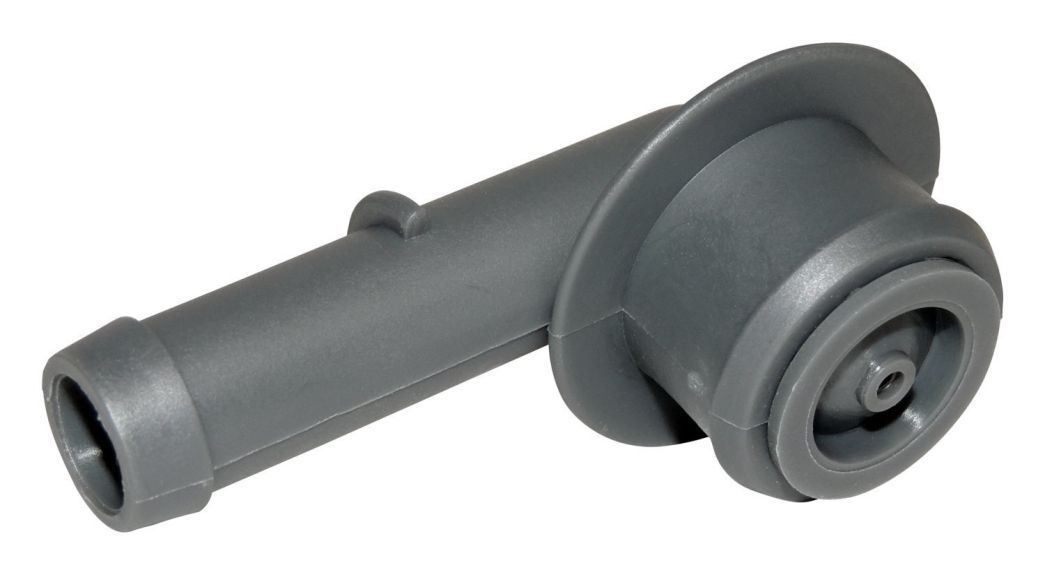
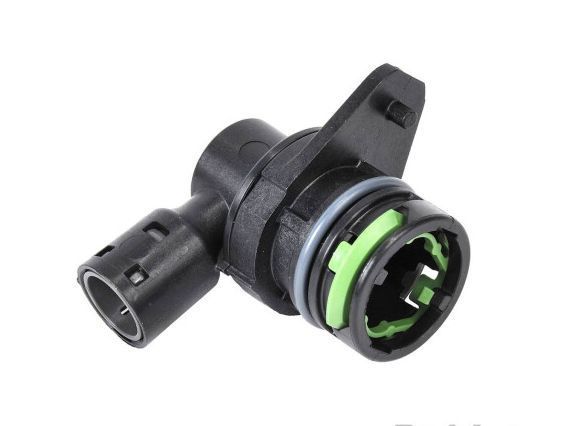
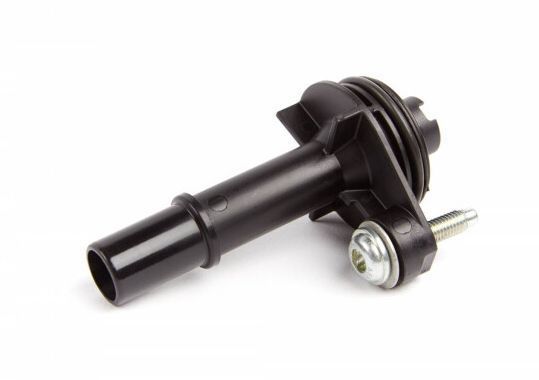
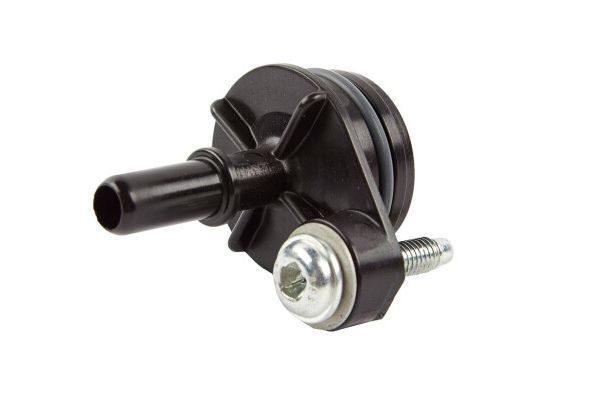
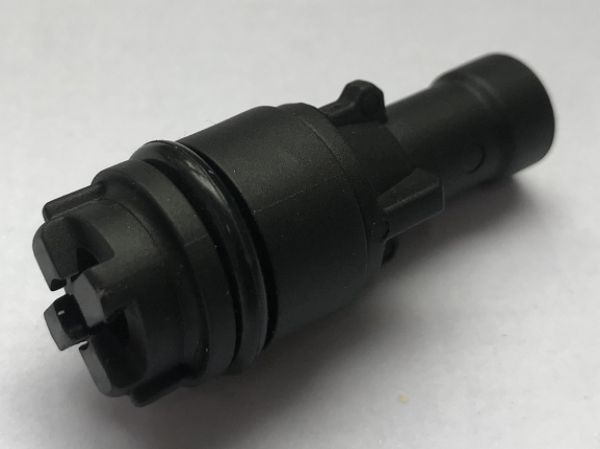
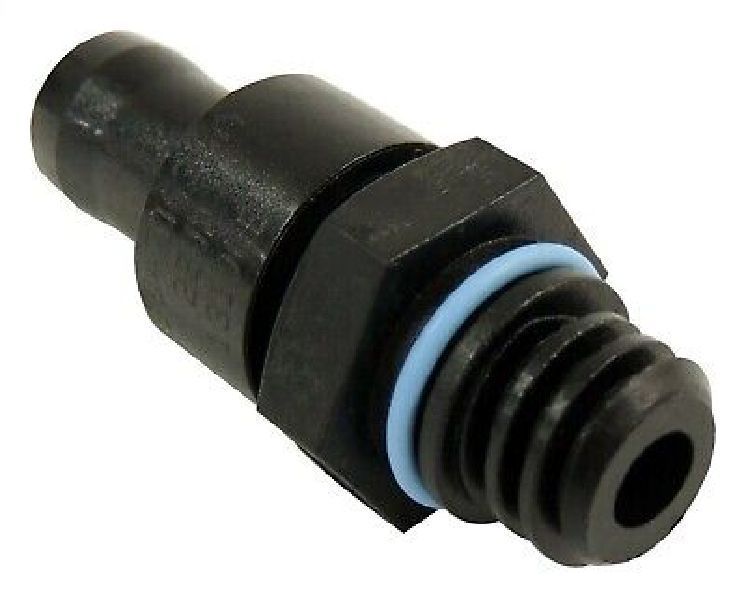
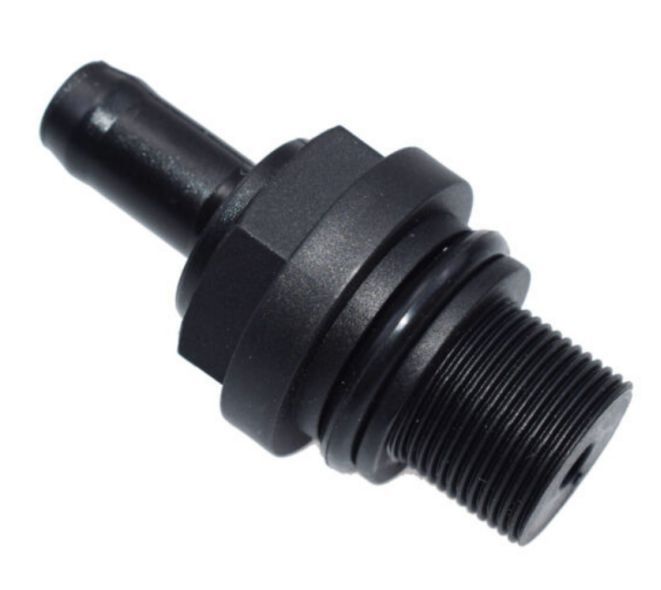
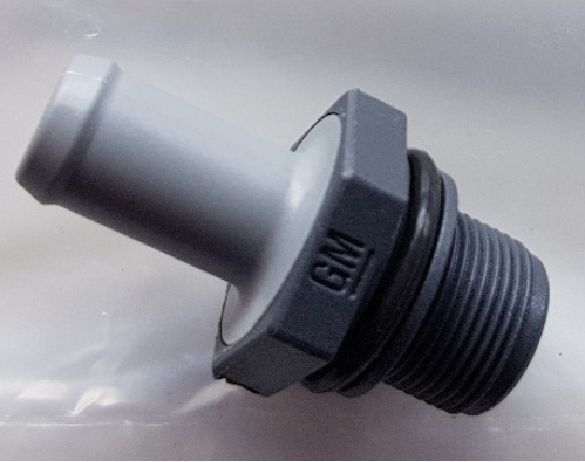
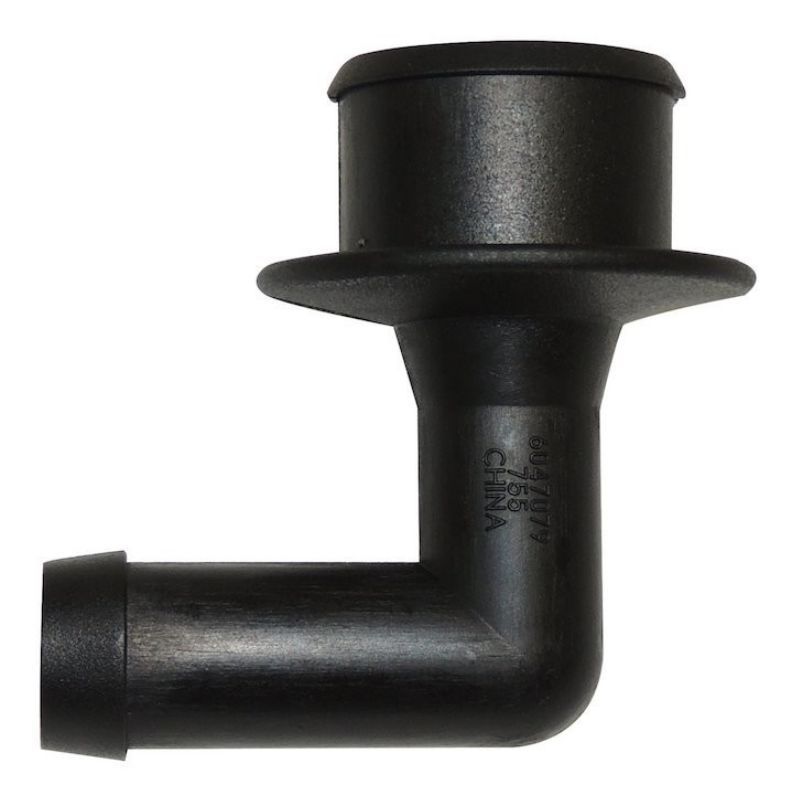
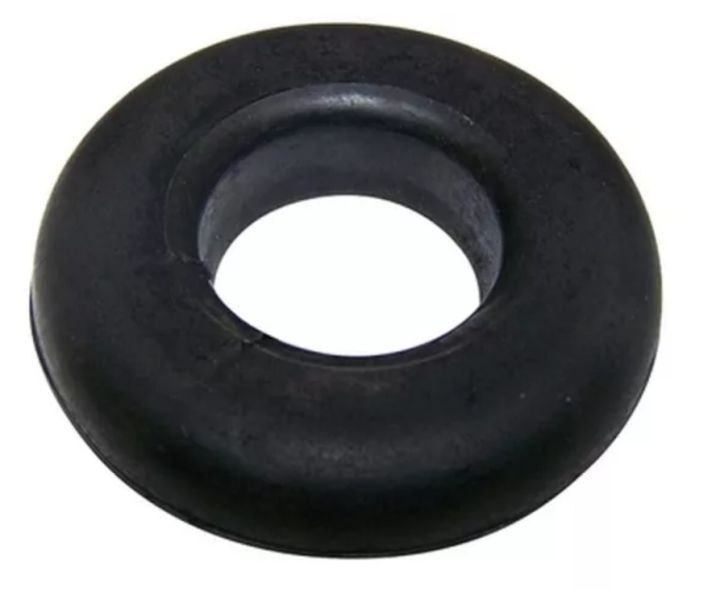
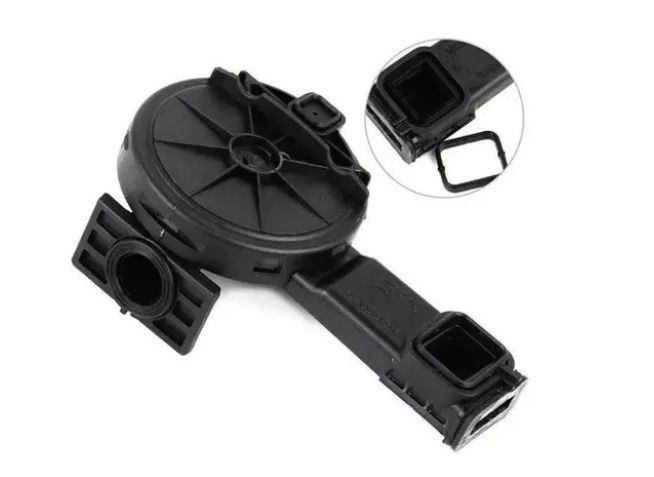
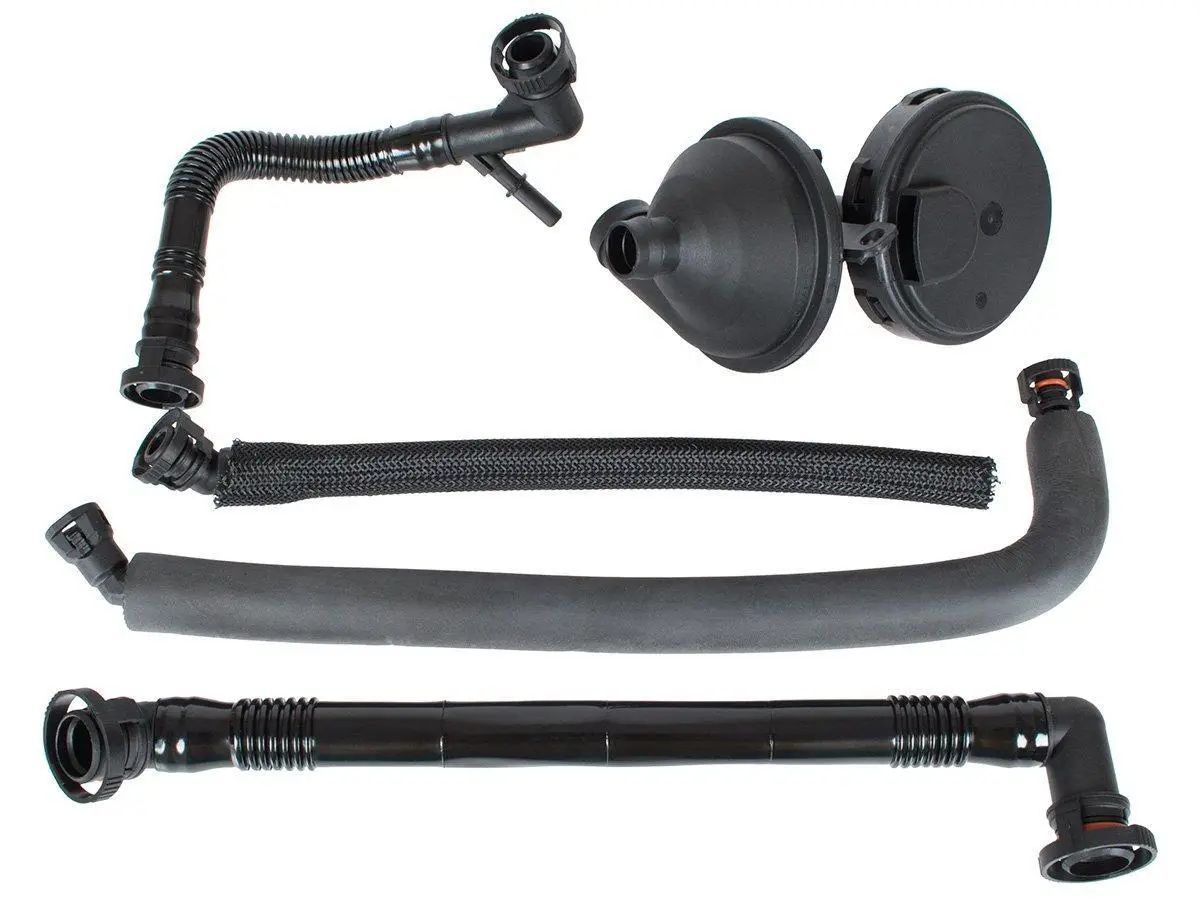
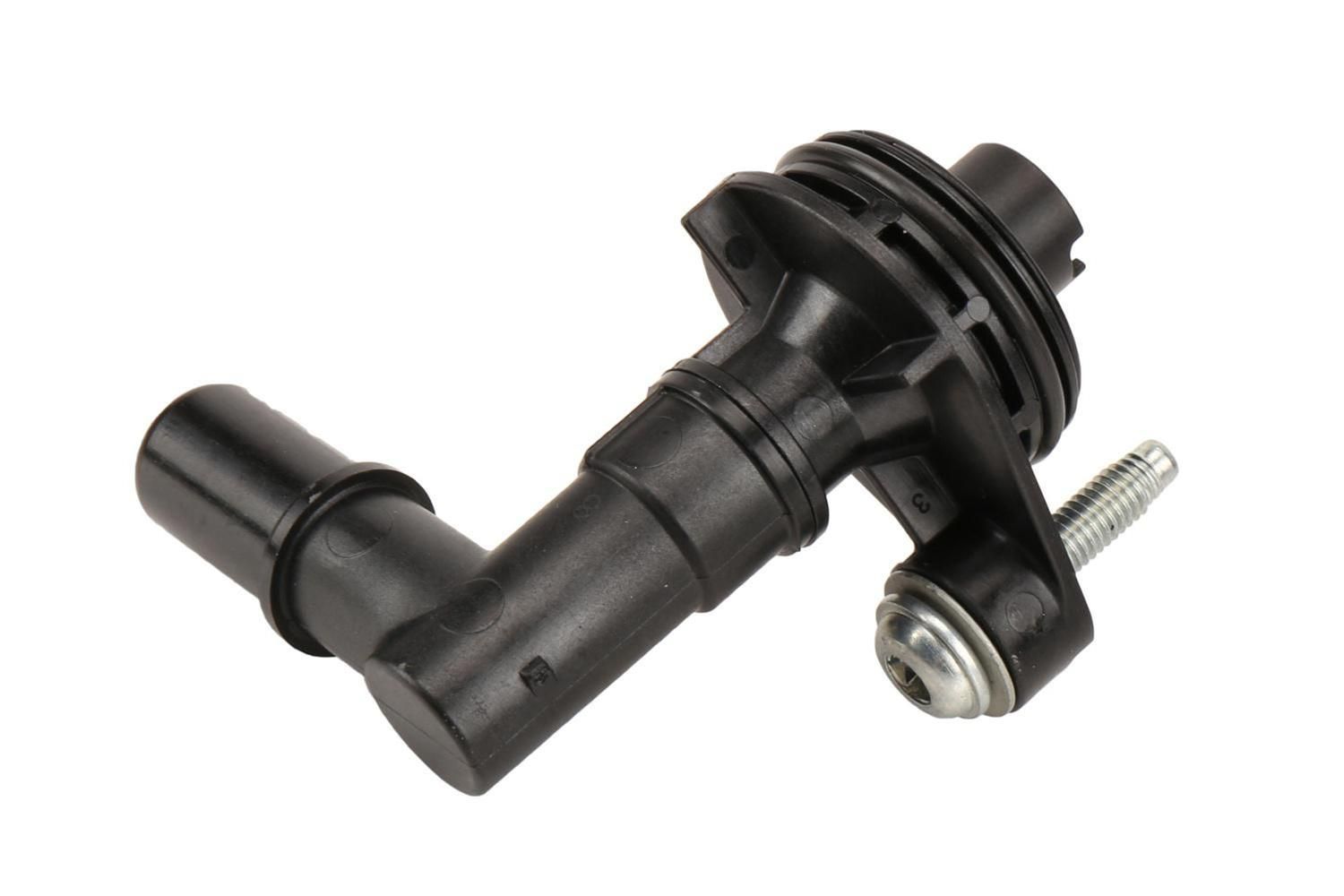
The Positive Crankcase Ventilation (PCV) valve is a simple but crucial one-way valve in an engine's emissions control system. During combustion, some gases inevitably "blow by" the piston rings and enter the crankcase. These blow-by gases are harmful, containing unburnt fuel and moisture that can contaminate the oil and build up pressure. The PCV valve's job is to harness intake manifold vacuum to draw these gases out of the crankcase and route them back into the intake to be safely re-burned, preventing pollution and protecting the engine.
Functions of a PCV Valve
Ventilate the Crankcase
It actively removes harmful blow-by gases and moisture before they can build up pressure or condense in the crankcase.
Control Emissions
By re-routing unburnt hydrocarbons to the intake manifold, it ensures they are burned in the combustion process instead of being released into the atmosphere.
Prevent Oil Leaks
It relieves crankcase pressure that would otherwise force oil out through weak points like gaskets and seals.
Extend Oil Life
By removing corrosive gases and water vapor, it helps prevent the formation of damaging sludge and keeps the engine oil cleaner for longer.
Symptoms of a Failing PCV Valve
A faulty PCV valve can cause a wide range of issues that mimic more serious problems. Due to its low cost, it should be one of the first components checked when diagnosing engine performance issues.
Rough Idle & Misfires (Stuck Open)
A valve stuck open creates a massive vacuum leak, allowing unmetered air into the intake and causing a lean condition, rough idle, and misfires.
Oil Leaks & Blown Seals (Stuck Closed)
A clogged valve allows crankcase pressure to build up, forcing oil out of the weakest points, like valve cover gaskets and crankshaft seals.
Increased Oil Consumption
A valve stuck open can suck oil vapor directly from the crankcase into the intake manifold, where it is burned, leading to blue smoke and oil loss.
Sludge Buildup in Engine
A clogged valve traps moisture and contaminants in the oil, accelerating the formation of damaging engine sludge.
PCV Valve vs. Crankcase Breather
What is a Crankcase Breather?
A crankcase breather is a simple filter found on older or high-performance engines. It allows crankcase pressure to vent directly into the atmosphere. This is a passive system that relieves pressure but does not actively draw out fumes, and it is illegal for modern street vehicles due to emissions regulations.
| Attribute | PCV Valve | Crankcase Breather |
|---|---|---|
| System Type | Active (uses vacuum) | Passive (vents pressure) |
| Emissions | Closed loop, re-burns fumes | Open, vents fumes to air |
| Engine Health | Actively removes moisture/fumes | Only relieves positive pressure |
| Modern Use | Standard on virtually all cars | Race cars or classic vehicles |
A PCV Valve is like a kitchen exhaust fan that vents smoke outside; a Breather is like just opening a window.