


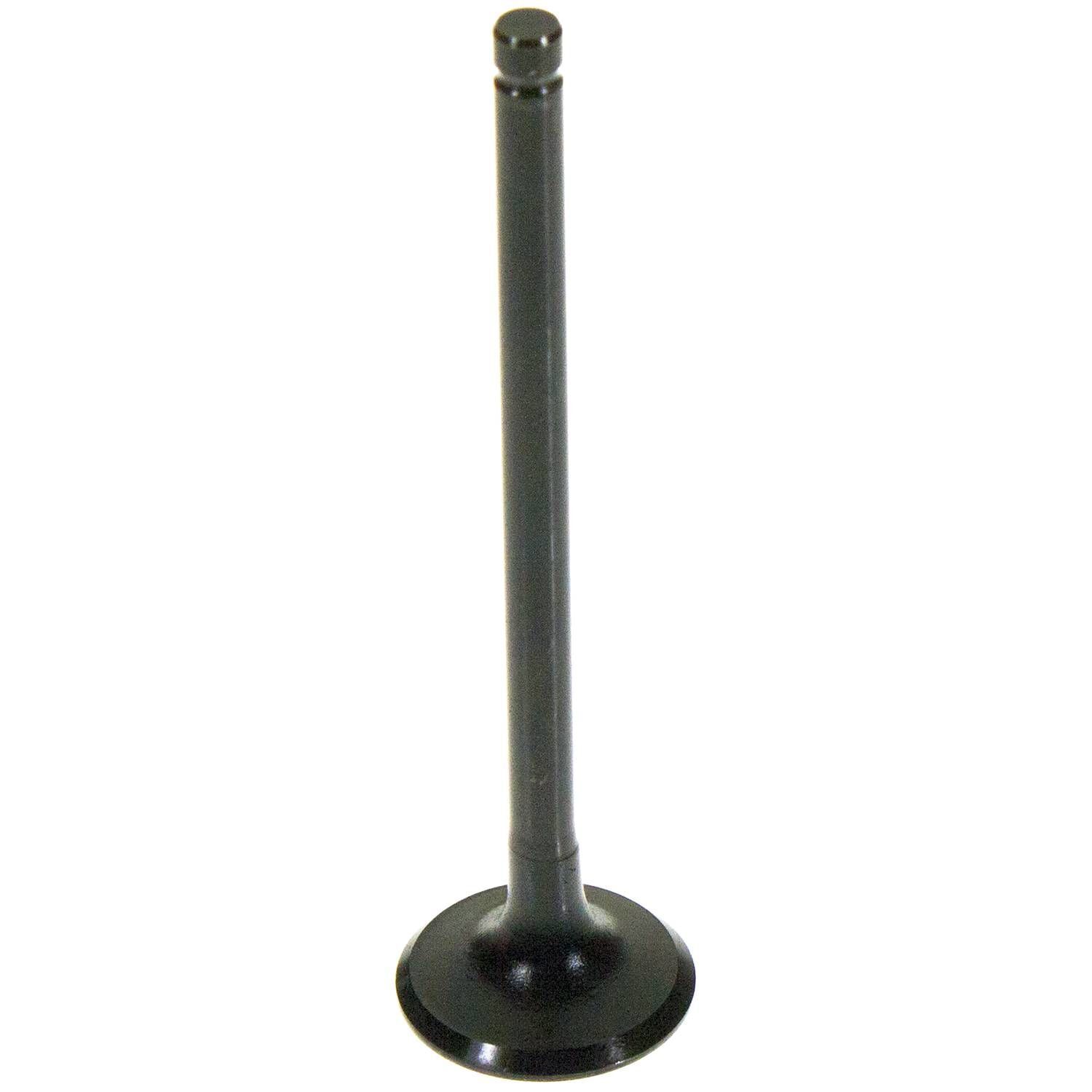
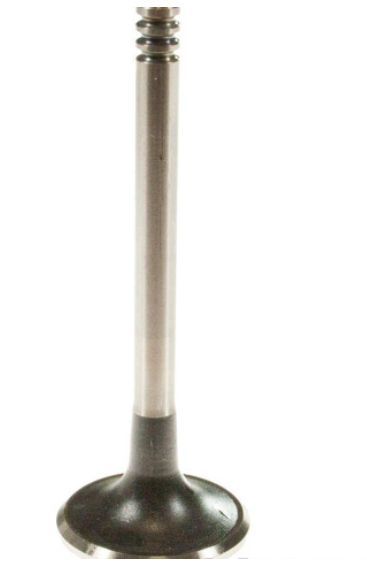
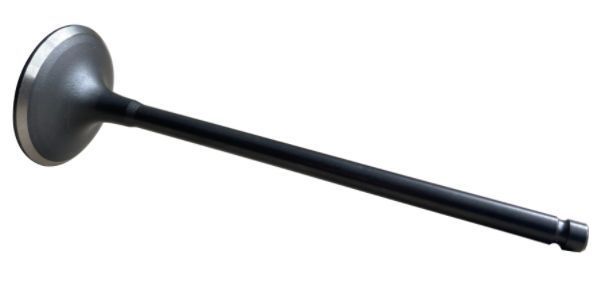


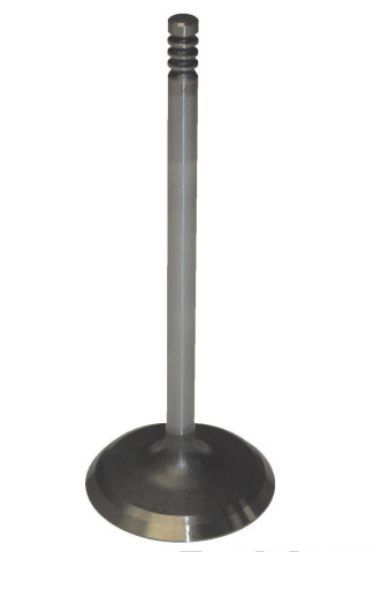

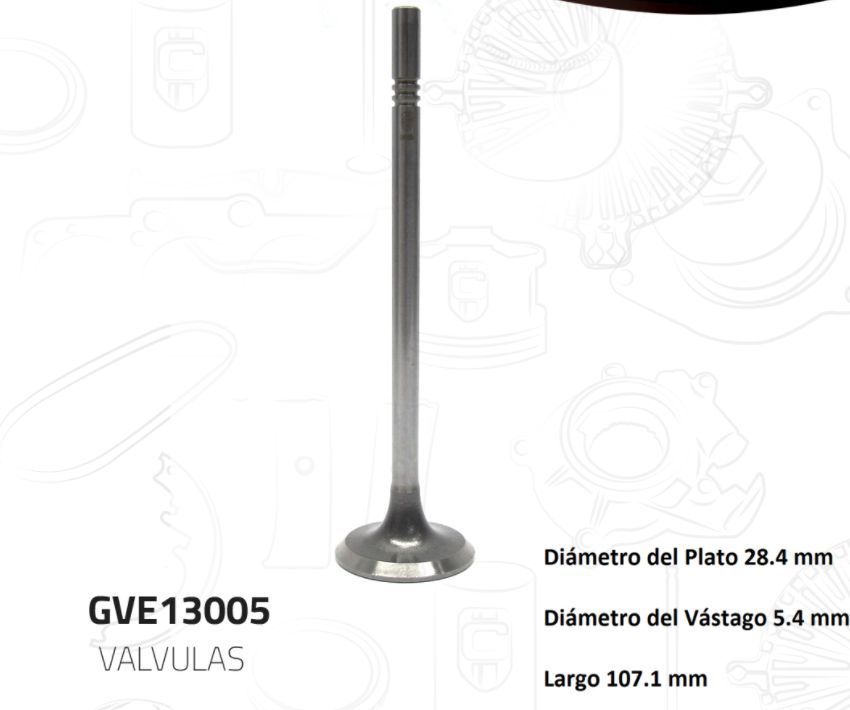
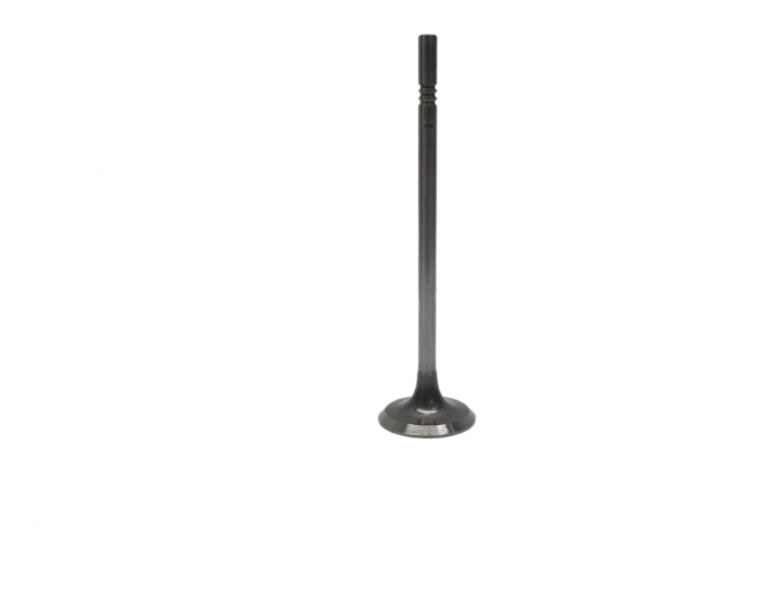
An engine valve is a precision-engineered poppet valve that acts as a gateway within the cylinder head. There are two primary types: intake valves, which open to allow the air-fuel mixture into the combustion chamber, and exhaust valves, which open to release burnt gases after combustion. Actuated by the camshaft, these valves must open and close thousands of times per minute with split-second accuracy. They must also create a perfect, gas-tight seal against the valve seat to withstand the immense heat and pressure of the combustion process, making them critical to engine compression and power.
Functions of an Engine Valve
Control Gas Flow
Their primary job is to precisely control the timing and volume of the air-fuel mixture entering and the exhaust gases exiting the cylinder.
Seal the Combustion Chamber
When closed, the valve face must form a perfect seal against the valve seat to contain thousands of PSI during the compression and power strokes.
Transfer Combustion Heat
The exhaust valve, in particular, acts as a thermal conduit, transferring intense heat from the combustion chamber to the cylinder head's cooling system.
Maintain Engine Compression
A perfect seal is absolutely essential for the engine to build the compression necessary for efficient combustion and power production.
Symptoms of a Failing Engine Valve
A failing valve—whether burnt, bent, or leaking—directly impacts a cylinder's ability to create power. This is a serious internal engine issue that requires prompt attention to avoid further damage.
Engine Misfire / Loss of Compression
The most direct symptom. A valve that doesn't seal properly will cause a specific cylinder to lose compression, resulting in a steady misfire.
Rough Idle and Poor Acceleration
With one or more cylinders not contributing fully, the engine will shake at idle and feel sluggish and underpowered.
Popping or Backfiring Noises
A leaking exhaust valve can cause popping in the exhaust, while a leaking intake valve can cause a backfire through the intake manifold.
Blue Smoke from Exhaust
This is typically caused by worn valve stem seals, which allow oil to leak down the valve stem and into the combustion chamber.
Types of Engine Valves
| Type | Key Feature | Application/Notes |
|---|---|---|
| Intake Valve | Larger head diameter | Allows maximum airflow into the cylinder; runs cooler. |
| Exhaust Valve | Smaller head; high-temp materials | Must withstand extreme heat; often sodium-filled. |
| Sodium-Filled Valve | Hollow stem partially filled with sodium | Used for exhaust valves in high-performance/turbo engines for superior cooling. |
| Titanium Valve | Extremely lightweight yet strong | Used in very high-RPM racing engines to prevent "valve float." |
Engine Valve vs. Piston
What is a Piston?
A piston is a cylindrical component that moves up and down inside the engine's cylinder. It forms the moving floor of the combustion chamber. The explosive force of the air-fuel mixture pushes the piston down, transferring this energy through a connecting rod to rotate the crankshaft.
| Attribute | Engine Valve | Piston |
|---|---|---|
| Function | Controls gas flow (breathing) | Converts pressure to force (power) |
| Location | Cylinder Head | Cylinder Block |
| Forms Part of | "Top End" / Valvetrain | "Bottom End" / Rotating Assembly |
| Failure Symptom | Misfire, ticking, low compression | Knocking, oil burning, catastrophic failure |
The Piston is the engine's muscle, creating power; the Engine Valve is the engine's lung, controlling its breathing.