


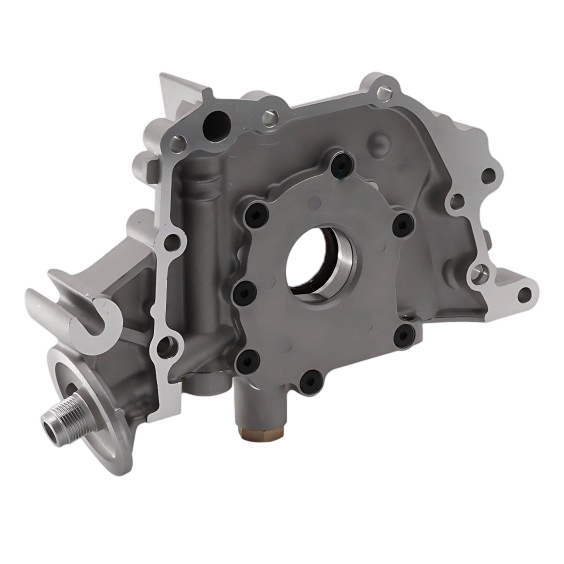
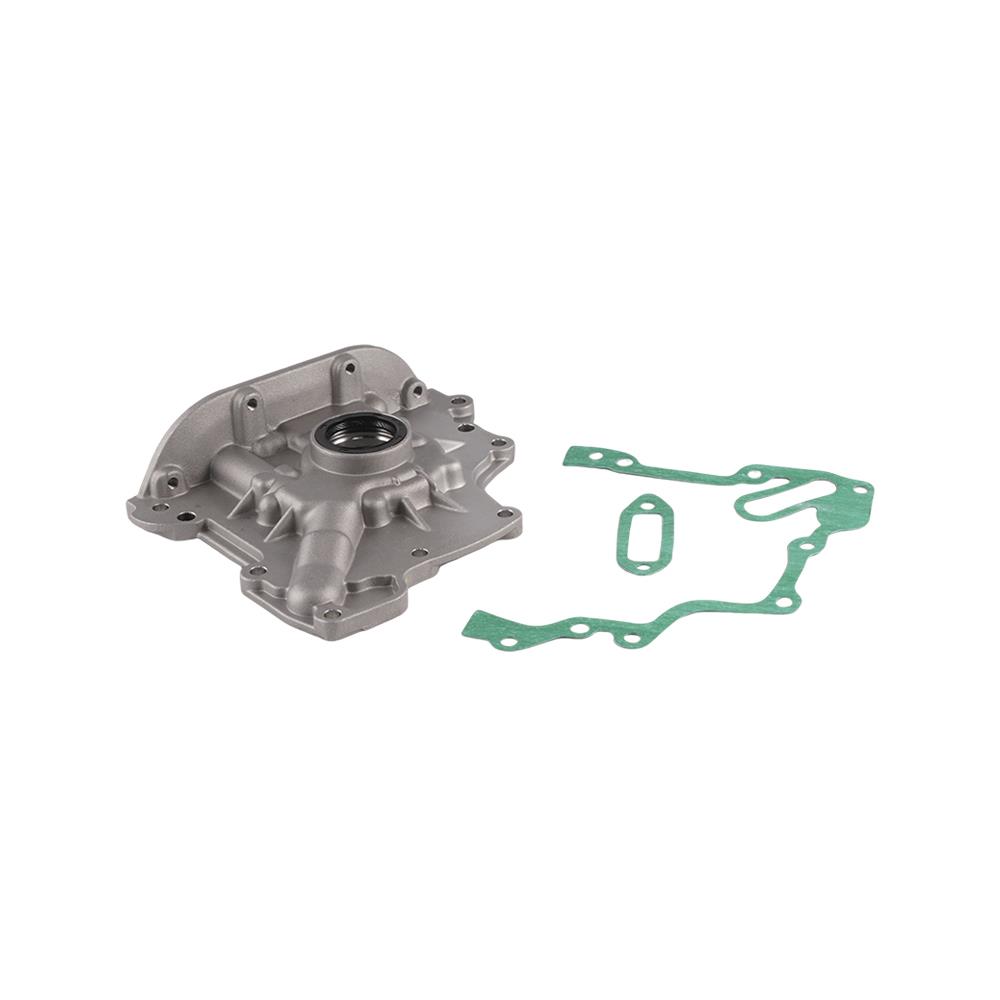
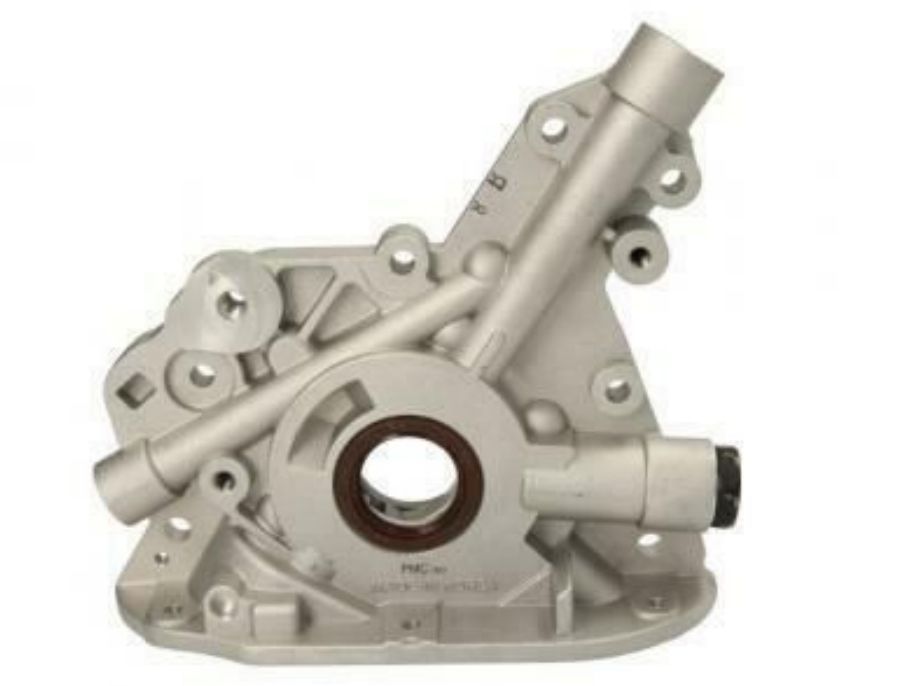
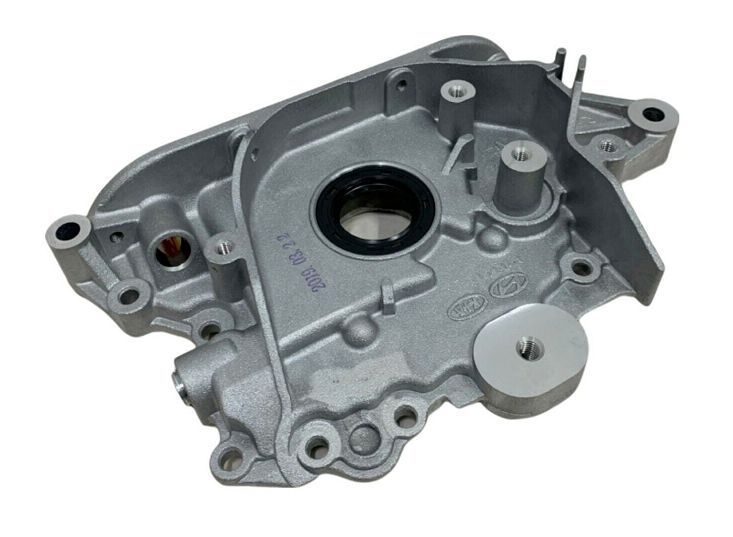
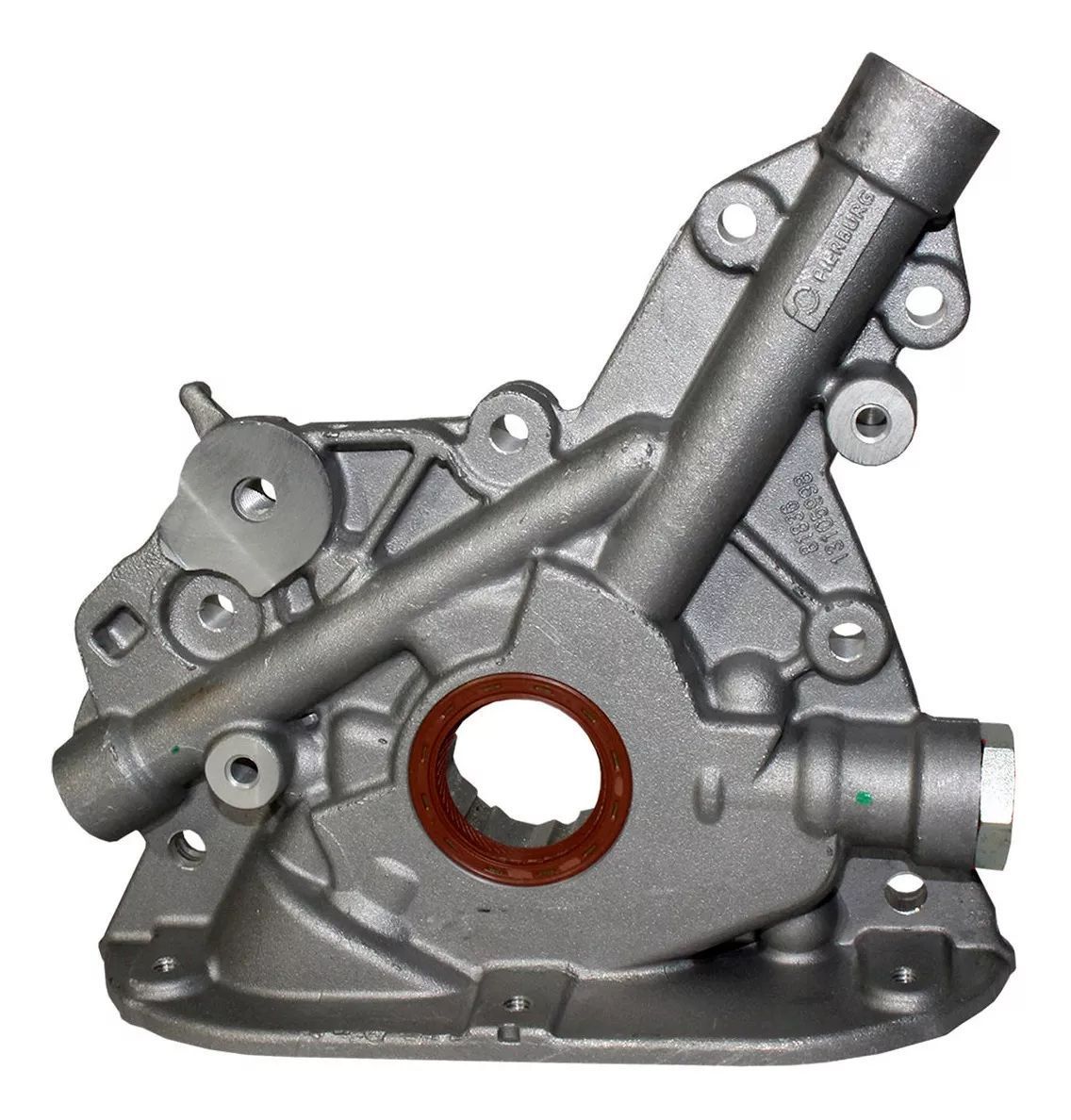
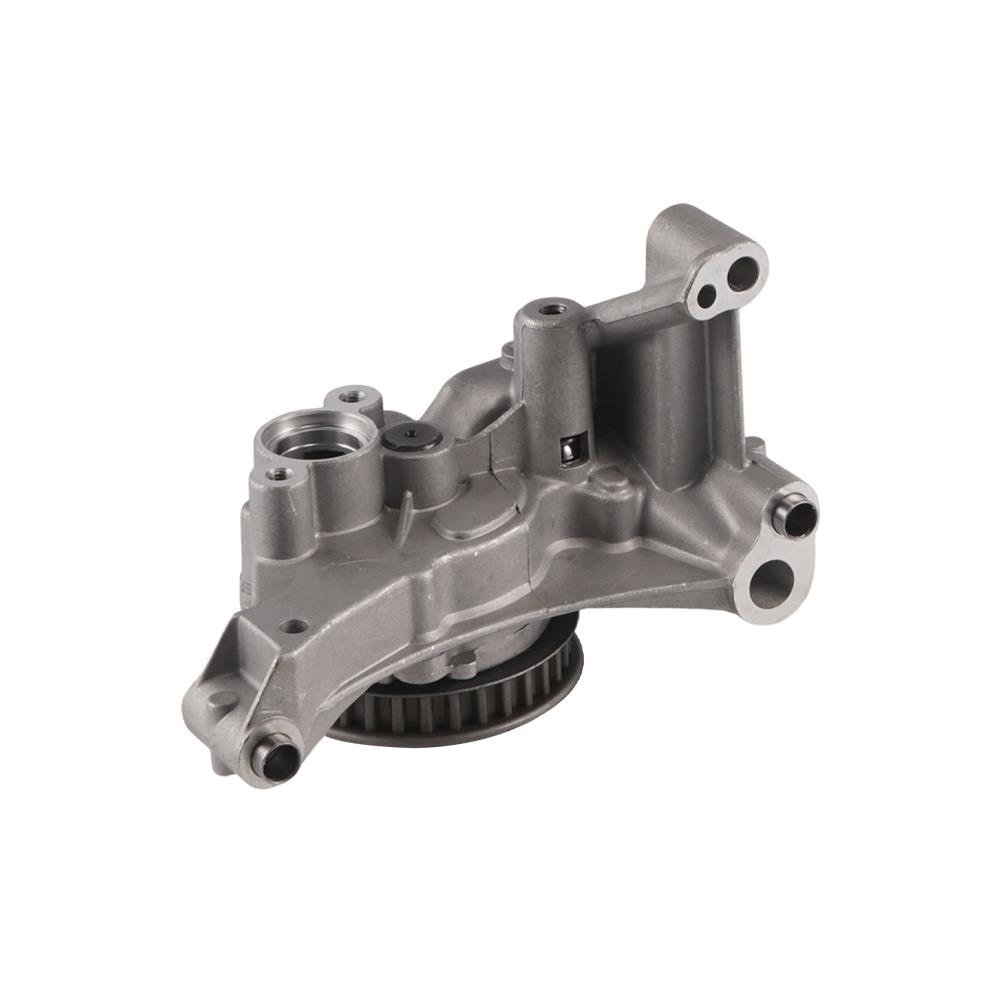
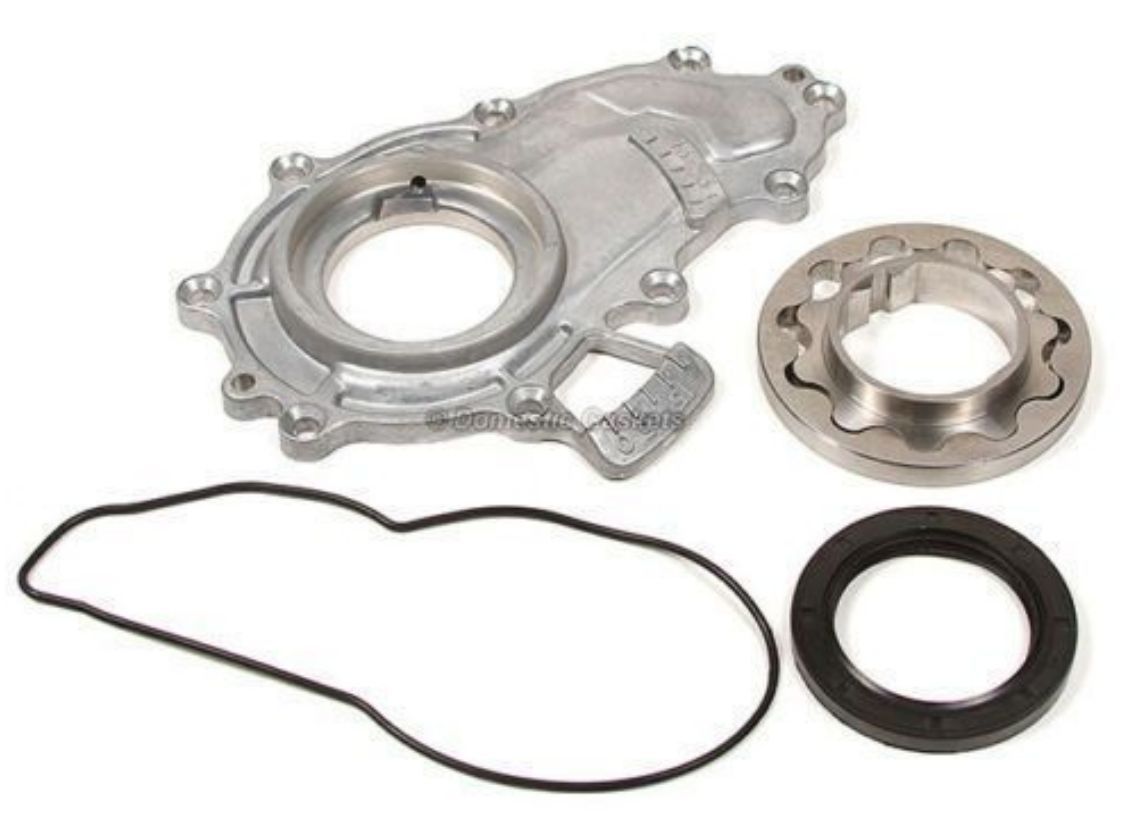
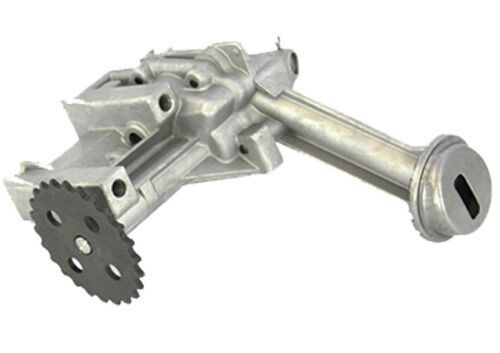
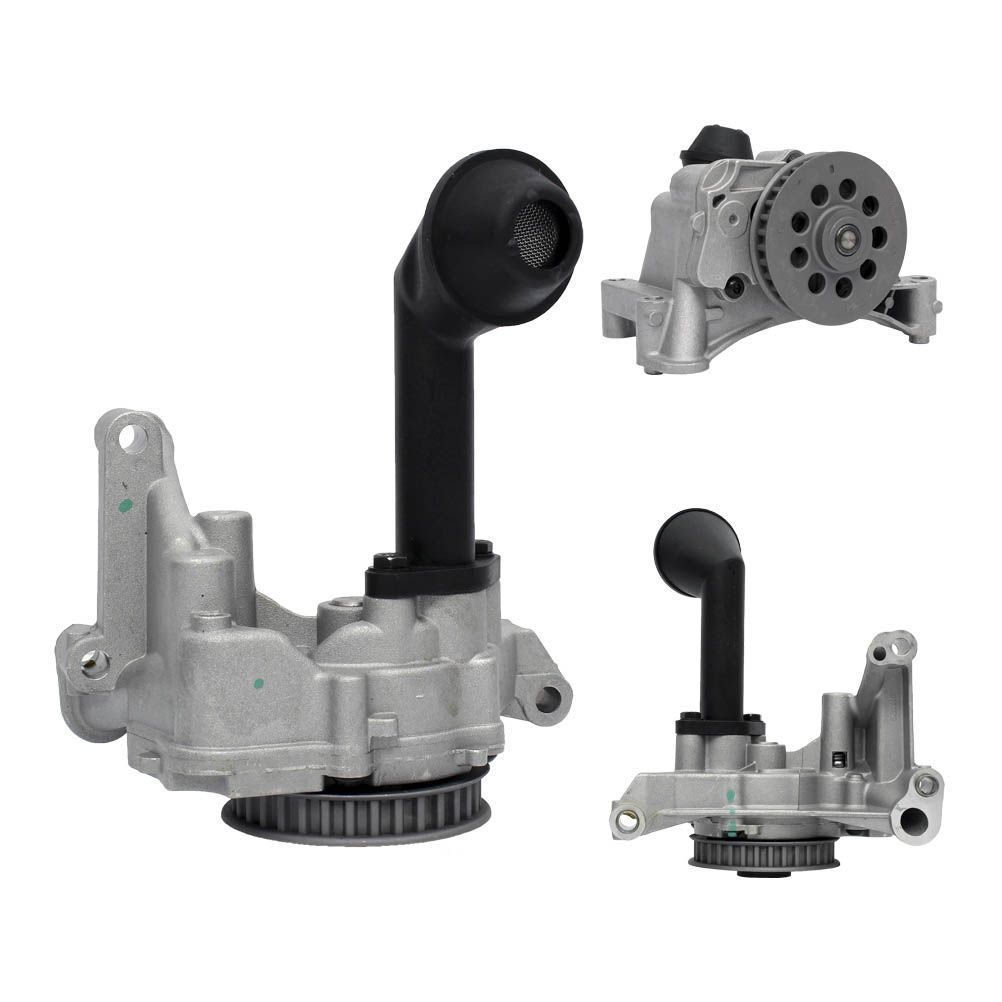
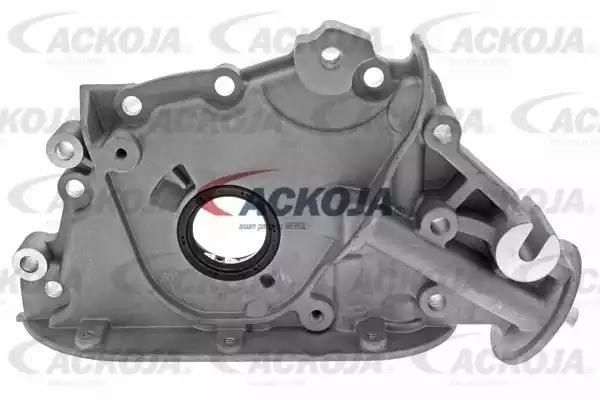
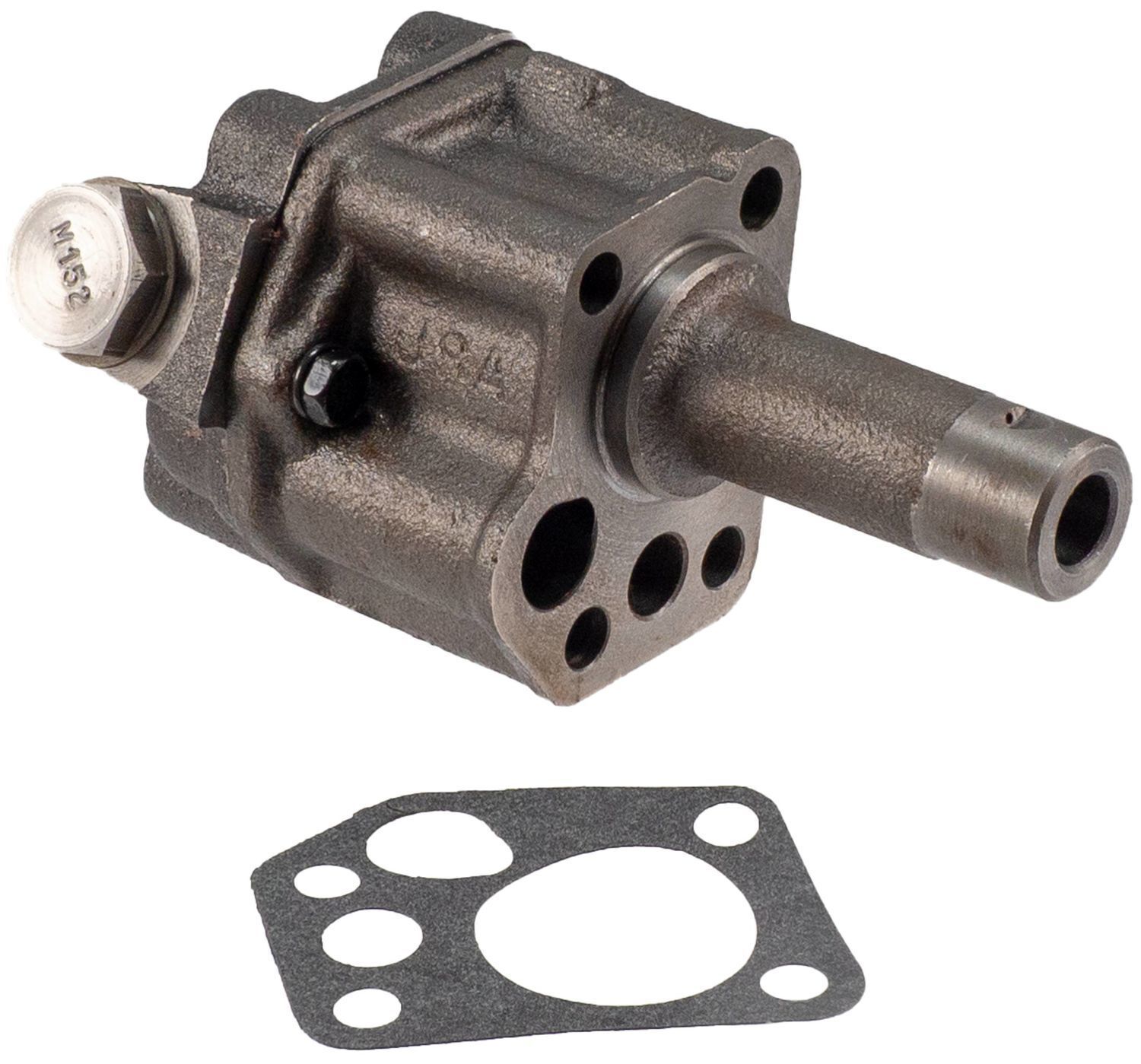
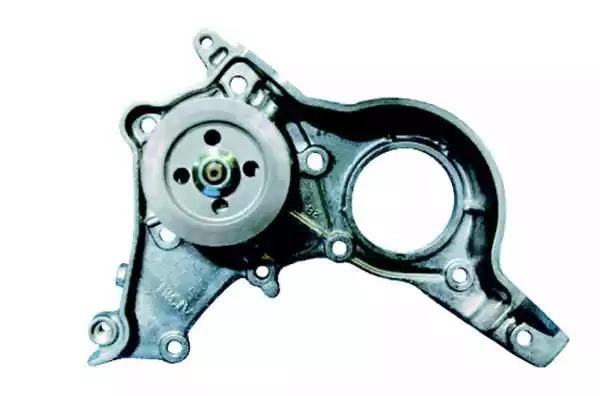
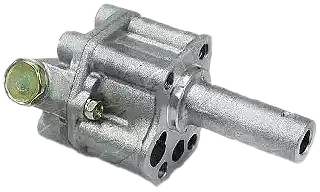
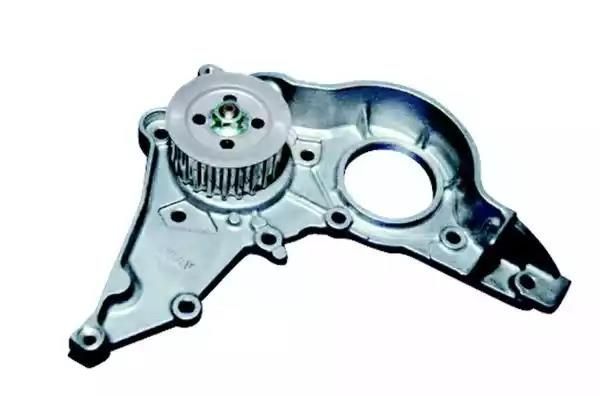
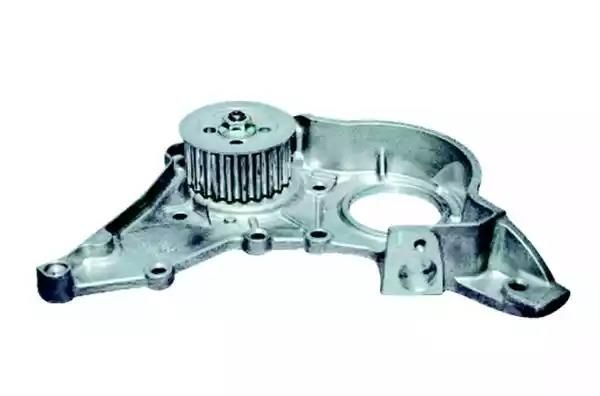
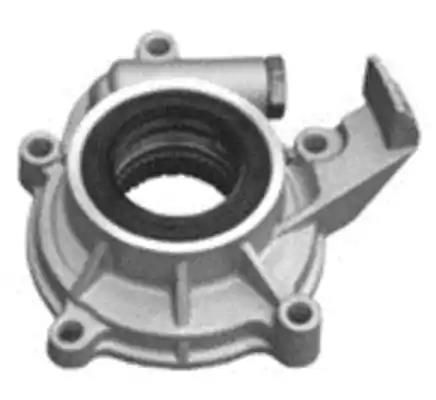
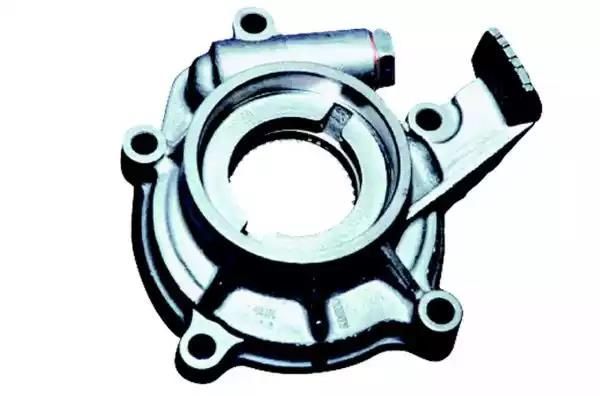
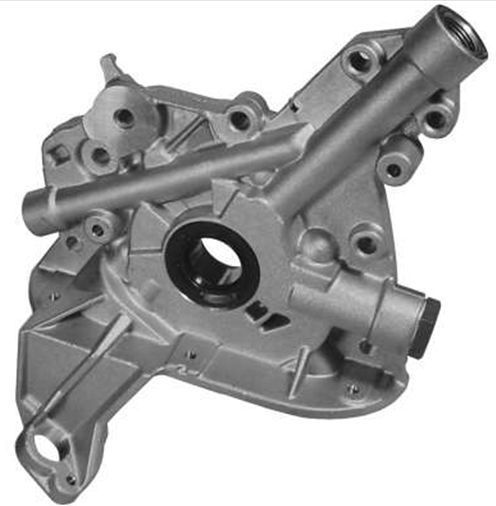
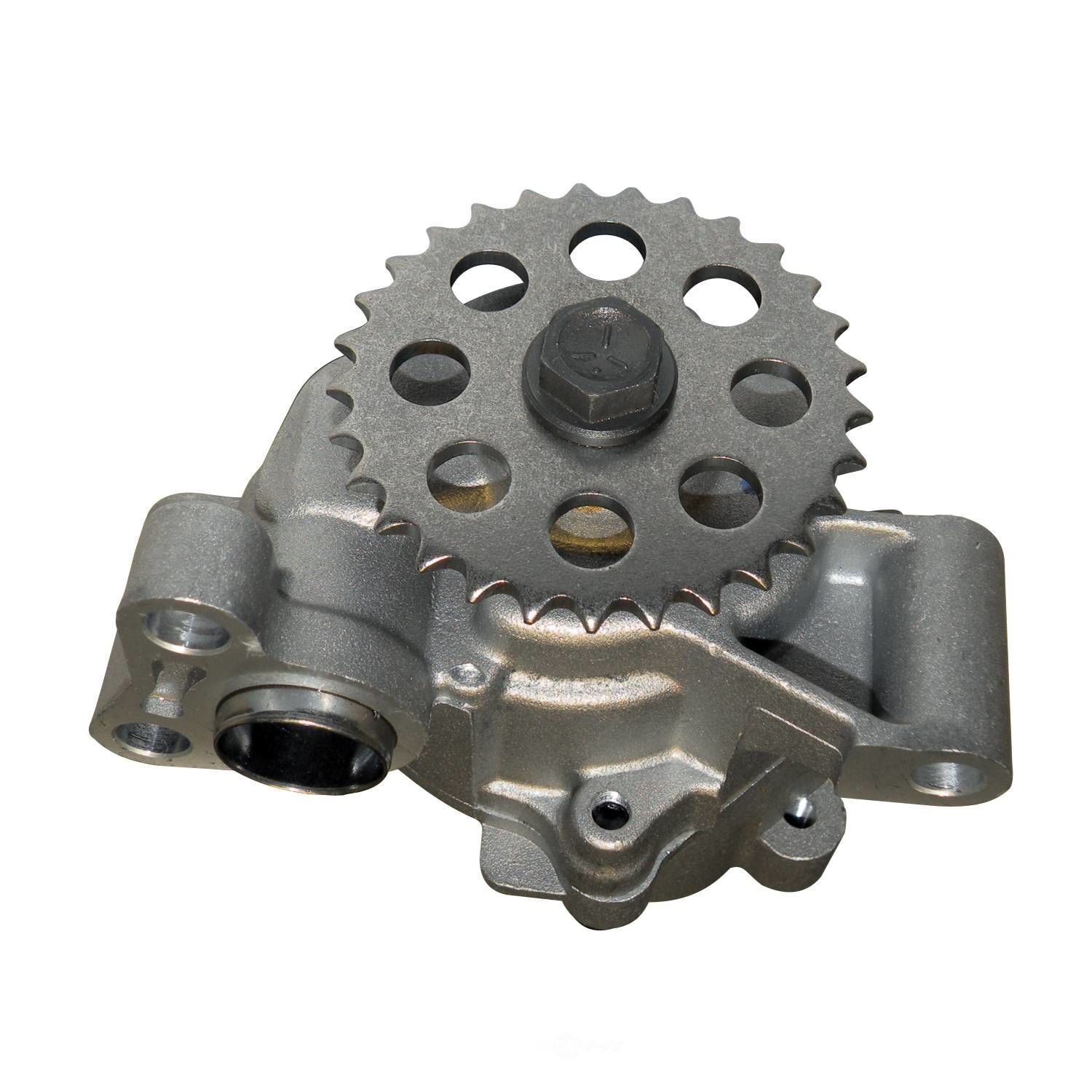
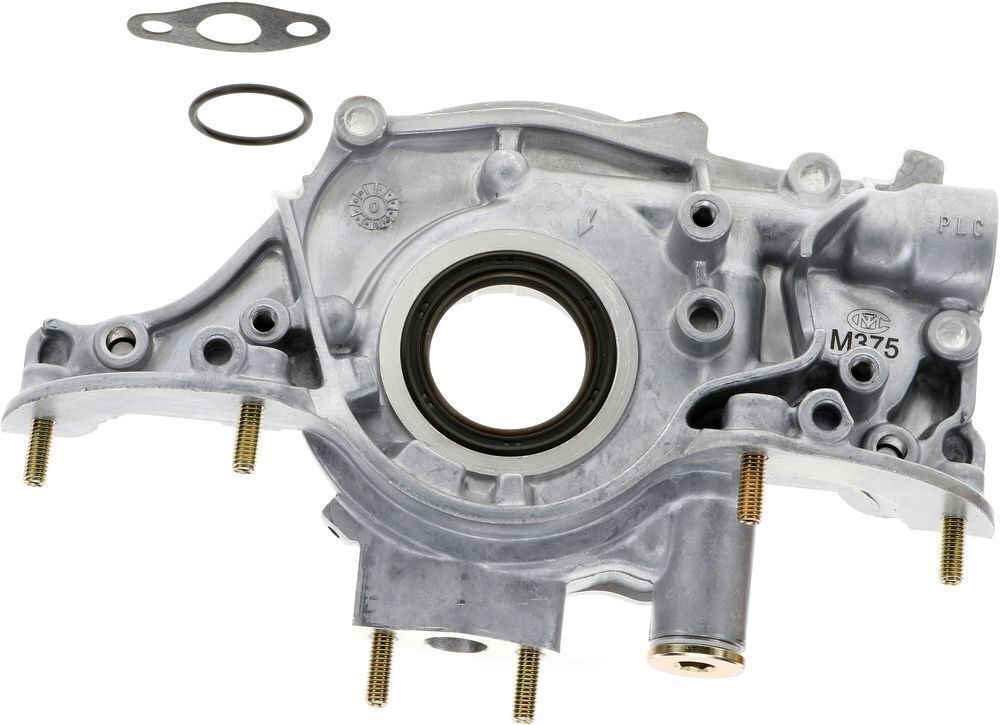
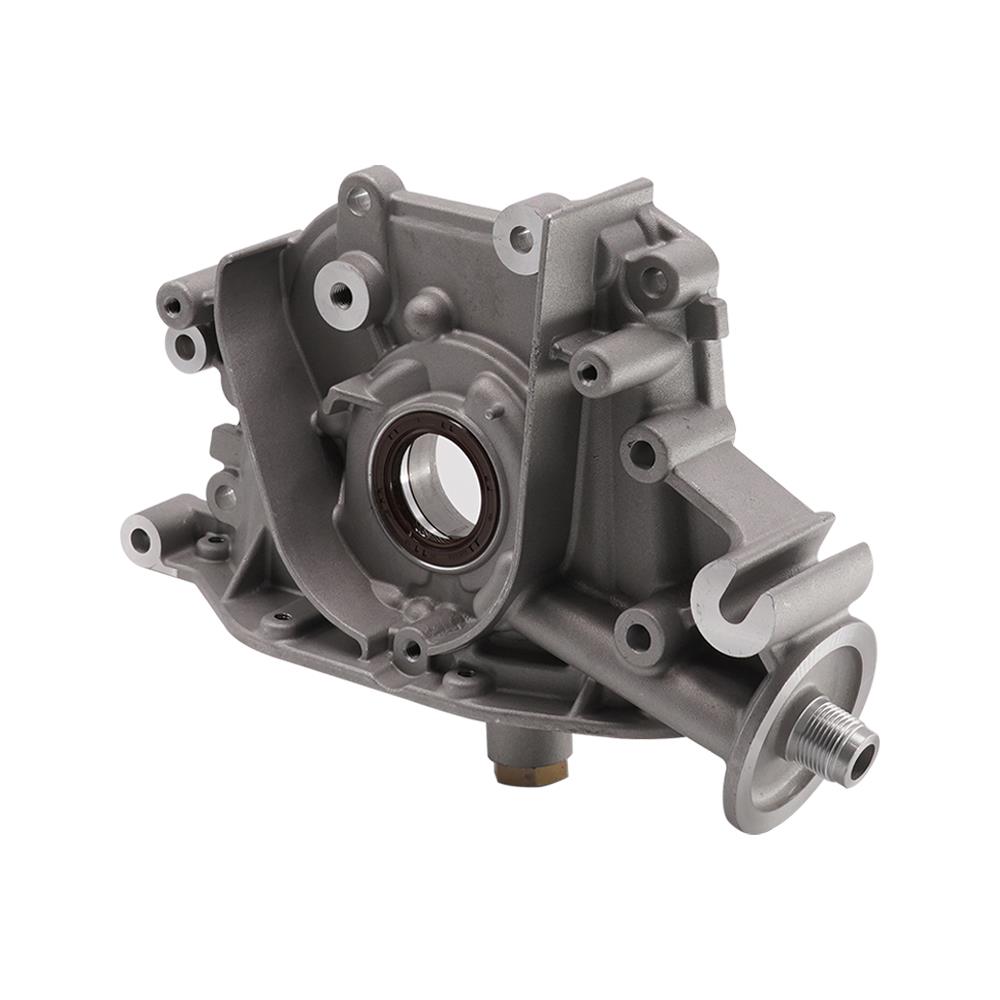
The oil pump is the heart of an engine's lubrication system. Typically located inside the oil pan and driven by the crankshaft or camshaft, this mechanical pump is responsible for drawing oil from the pan and forcing it under pressure through a network of passages and galleries. This continuous circulation delivers vital lubrication to all of the engine's moving parts—from the crankshaft bearings to the valvetrain—reducing friction, dissipating heat, and cleaning away contaminants. Without a properly functioning oil pump, an engine would seize and destroy itself in a matter of seconds.
Functions of an Oil Pump
Create Oil Pressure and Flow
Its primary job is to generate the pressure needed to circulate oil throughout the entire engine, overcoming resistance in small passages.
Lubricate Moving Parts
It supplies a constant film of oil to bearings, pistons, camshafts, and valvetrain components to prevent metal-on-metal contact.
Cool Engine Components
The circulating oil absorbs a significant amount of heat from pistons, bearings, and other high-friction areas, helping to maintain stable temperatures.
Clean the Engine
As it circulates, oil picks up contaminants and deposits them in the oil filter, keeping the engine's internal passages clean.
Symptoms of a Failing Oil Pump
Oil pump failure is one of the most severe engine problems. Any symptom should be investigated immediately, and the vehicle should not be driven to prevent catastrophic engine seizure.
Low Oil Pressure Warning Light
This is the most direct and urgent warning. It means the pump is not generating enough pressure to safely lubricate the engine.
Increased Engine Temperature
Without sufficient oil flow, friction increases and the oil cannot carry away heat, causing the engine to run hotter than normal.
Ticking or Tapping Noises
Hydraulic lifters in the valvetrain will begin to make noise when they are starved of oil, often being the first audible sign of low pressure.
Whining Noise from the Pump
As the gears or rotors inside a worn pump begin to fail, they can produce a distinct whining sound that rises and falls with engine RPM.
Oil Pump vs. Water Pump
What is a Water Pump?
The water pump is the heart of the engine's cooling system. Driven by an external belt (timing or serpentine), it circulates coolant (a mixture of water and antifreeze) between the engine block, cylinder head, and radiator to dissipate heat and maintain a stable operating temperature.
| Attribute | Oil Pump | Water Pump |
|---|---|---|
| Fluid | Engine Oil | Coolant / Antifreeze |
| Primary Function | Lubrication | Cooling |
| Location | Internal (in oil pan) | External (on engine front) |
| Failure Symptom | Low oil pressure, engine noise | Overheating, coolant leak |
The Oil Pump is the engine's circulatory system, moving life-giving blood; the Water Pump is its perspiration system, providing crucial cooling.