


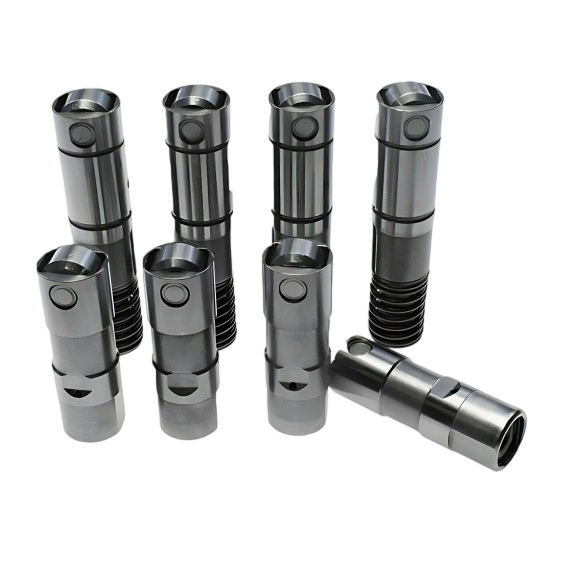
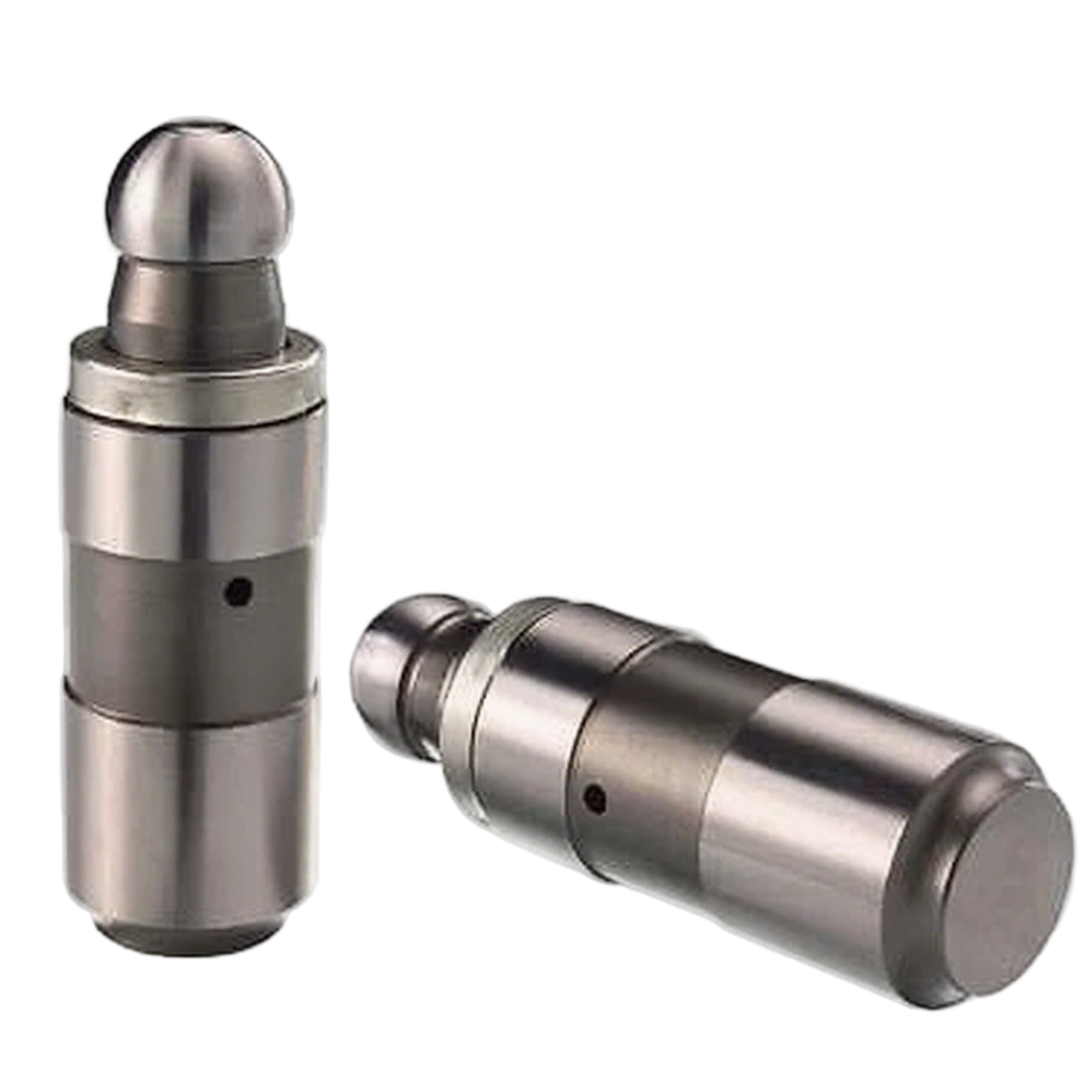
A valve lifter, also known as a tappet or cam follower, is the component that rides directly on the camshaft's lobes. Its fundamental job is to follow the precise profile of the cam and transfer that lifting motion to the rest of the valvetrain—either to a pushrod in an overhead valve (OHV) engine or directly to a rocker arm or valve stem in an overhead cam (OHC) engine. Most modern lifters are hydraulic, using engine oil pressure to maintain zero clearance ("lash") in the valvetrain, which ensures quiet operation and eliminates the need for regular adjustments.
Functions of a Valve Lifter
Follow Cam Profile
It directly translates the camshaft lobe's shape and height into linear, upward motion for the valvetrain.
Maintain Zero Valve Lash (Hydraulic)
Hydraulic lifters use an internal piston and oil pressure to automatically take up any slack in the valvetrain, ensuring quiet, maintenance-free operation.
Reduce Friction (Roller Lifters)
Lifters with a roller wheel at the contact point significantly reduce friction between the lifter and cam lobe, increasing efficiency and enabling more aggressive cam profiles.
Promote Valve Rotation
The slight offset of some flat tappet lifters causes them to spin in their bore, which in turn helps rotate the valves for more even wear on the valve face and seat.
Symptoms of a Failing Valve Lifter
A failing lifter often produces a distinct "ticking" sound. This can be caused by internal wear or oiling issues and can lead to severe damage to the camshaft lobes if left unaddressed.
"Lifter Tick" - Ticking or Tapping Noise
The classic symptom. A rhythmic ticking from the top of the engine that speeds up with RPM, caused by a collapsed or stuck hydraulic lifter that can no longer maintain zero lash.
Engine Misfire / Rough Idle
A lifter that is stuck or not functioning properly will fail to open its valve correctly, causing a loss of compression and a misfire in that cylinder.
Loss of Power
Because the valves are not opening fully or on time, the engine's ability to breathe is compromised, leading to poor performance.
Bent Pushrod or Damaged Camshaft
A seized roller lifter will stop spinning and quickly destroy the camshaft lobe, sending metal debris throughout the engine.
Hydraulic vs. Solid Lifters
| Type | Key Feature | Application/Notes |
|---|---|---|
| Hydraulic Lifter | Uses engine oil pressure to self-adjust | Standard on nearly all production cars; quiet and maintenance-free. |
| Solid (Mechanical) Lifter | Solid piece of metal; requires set clearance | Used in high-RPM racing engines; allows for more aggressive cams but requires regular valve lash adjustment. |