


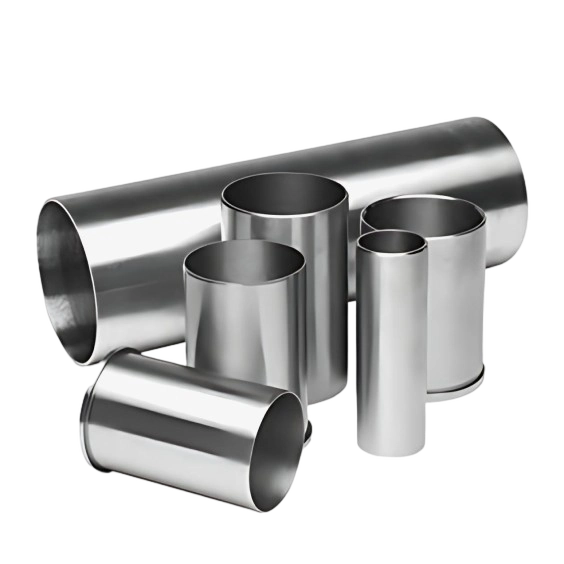
A cylinder sleeve, or liner, is a cylindrical metal part that is inserted into an engine block to form the inner wall of the cylinder. Its purpose is to provide an incredibly hard, durable, and wear-resistant surface for the piston rings to seal against. While some engines have cylinders bored directly into the block material (parent bore), many use sleeves from the factory. More importantly, sleeves are the cornerstone of engine rebuilding, allowing a damaged or worn-out engine block to be repaired and restored to its original factory specifications without requiring a complete block replacement.
Advantages of Using Cylinder Sleeves
Restore Cylinder Bores
Their primary application is to repair a cylinder that is cracked, scored, or worn beyond the limits of standard overboring.
Provide a Superior Wear Surface
Sleeves are often made from high-grade centrifugal cast iron, which is harder and more wear-resistant than the aluminum of the engine block.
Improve Heat Transfer
A properly installed sleeve ensures efficient thermal conductivity, transferring combustion heat to the engine block's cooling passages.
Enable Performance Builds
They allow engine builders to alter bore sizes, improve block strength (ductile iron sleeves), and optimize piston-to-wall clearances for racing.
Symptoms of a Failing Cylinder Sleeve
Cylinder sleeve failure is synonymous with major engine failure. The symptoms indicate a severe loss of the seal between the piston rings and the cylinder wall.
Excessive Oil Consumption & Blue Smoke
A cracked, dropped, or out-of-round sleeve allows oil from the crankcase to bypass the piston rings and burn in the combustion chamber.
Severe Loss of Compression
The primary symptom of a failed sleeve. A compression test will show a dramatic pressure loss in the affected cylinder.
Coolant in Oil ("Milkshake")
A cracked wet sleeve or failed sealing O-rings will allow coolant to mix directly with the engine oil, leading to catastrophic failure.
Engine Knocking or Piston Slap
Excessive wear on the sleeve creates too much clearance, allowing the piston to rock back and forth in the bore, creating a distinct noise.
Types of Cylinder Sleeves
| Type | Key Feature | Application/Notes |
|---|---|---|
| Dry Sleeve | Thin wall; does not contact coolant | Most common type for repairing standard passenger car engine blocks. |
| Wet Sleeve | Thick wall; outer surface contacts coolant | Standard in heavy-duty diesel engines; allows for "in-frame" overhauls. |
| Flanged Sleeve | Has a flange at the top for positive location | Prevents the sleeve from "dropping" in the bore. Can be wet or dry. |
| Parent Bore | No sleeve; cylinder is the block material | Common in many cast-iron blocks. Repair involves overboring to a larger piston size. |