


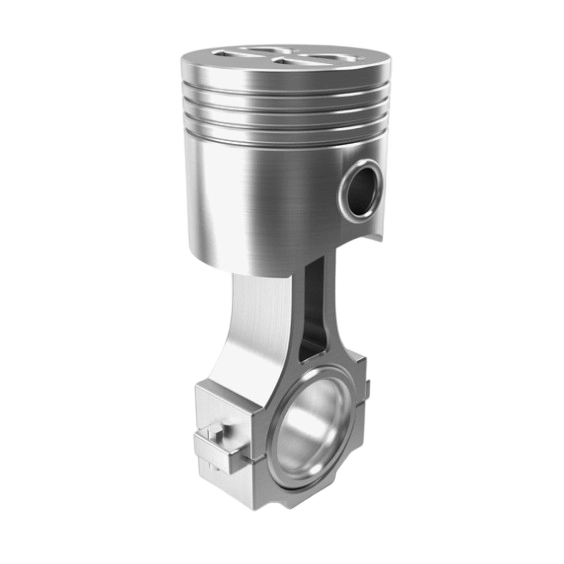
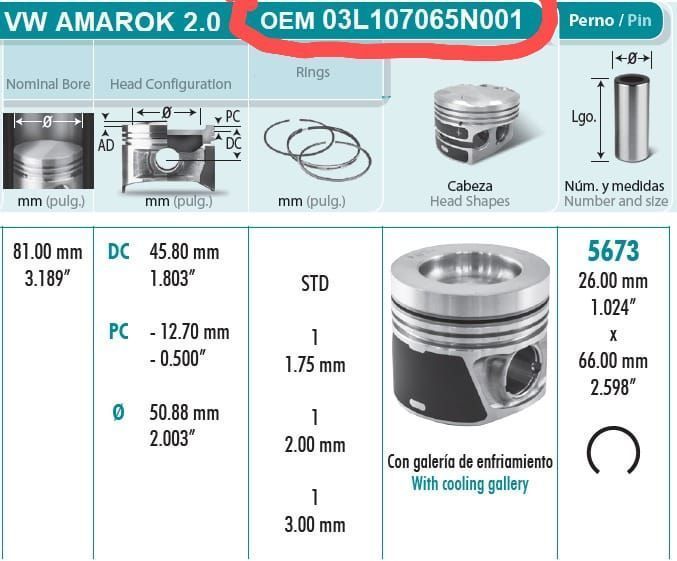
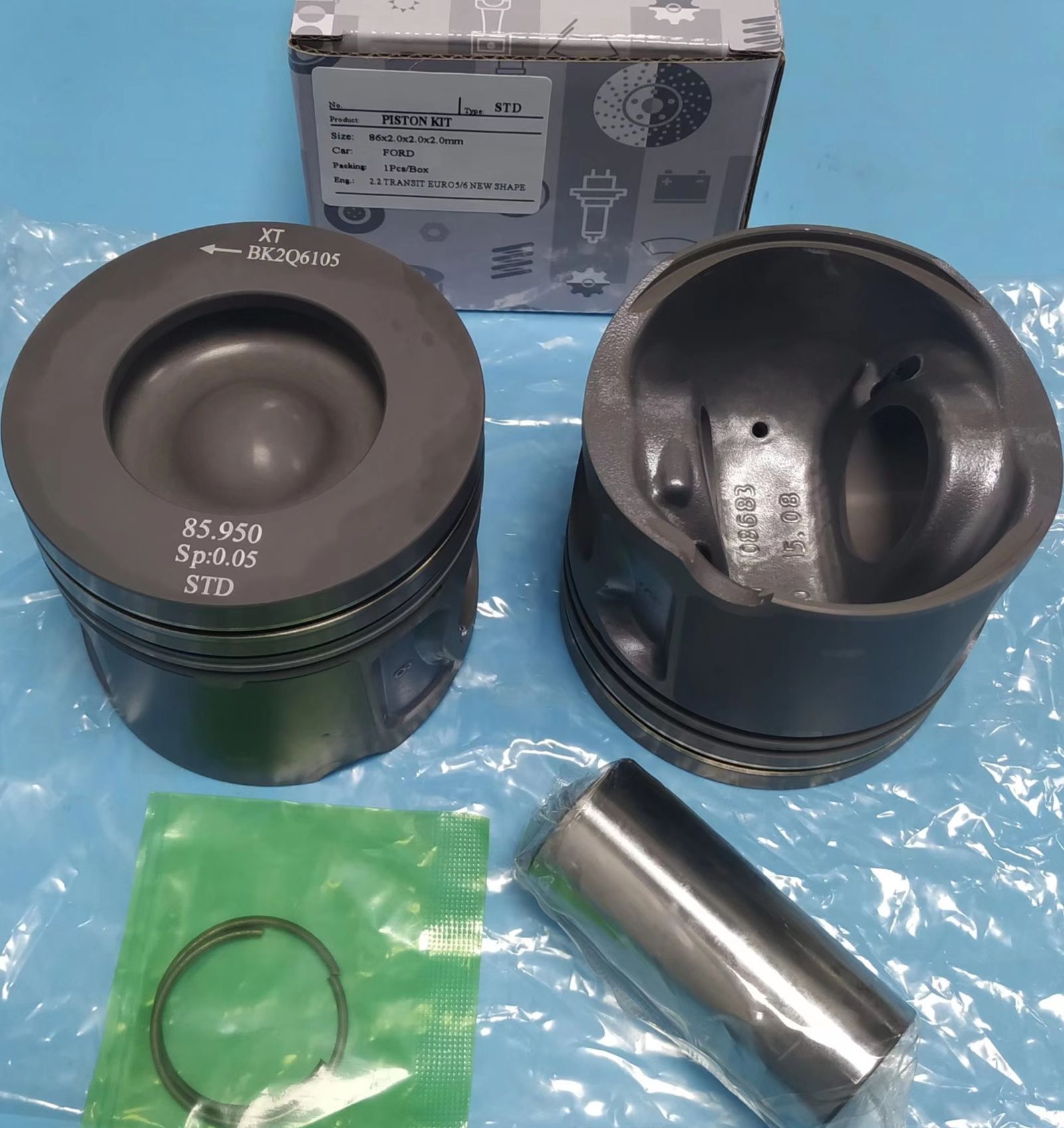
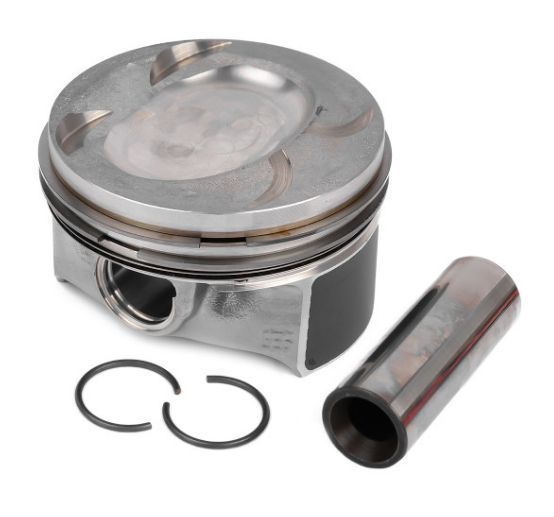
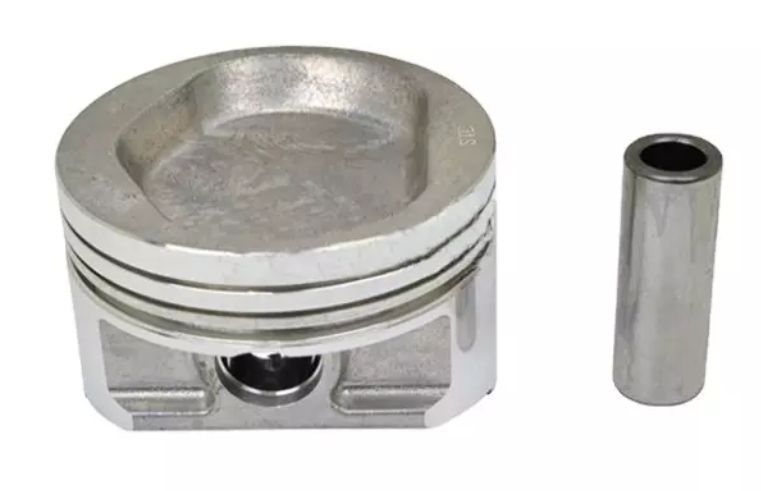
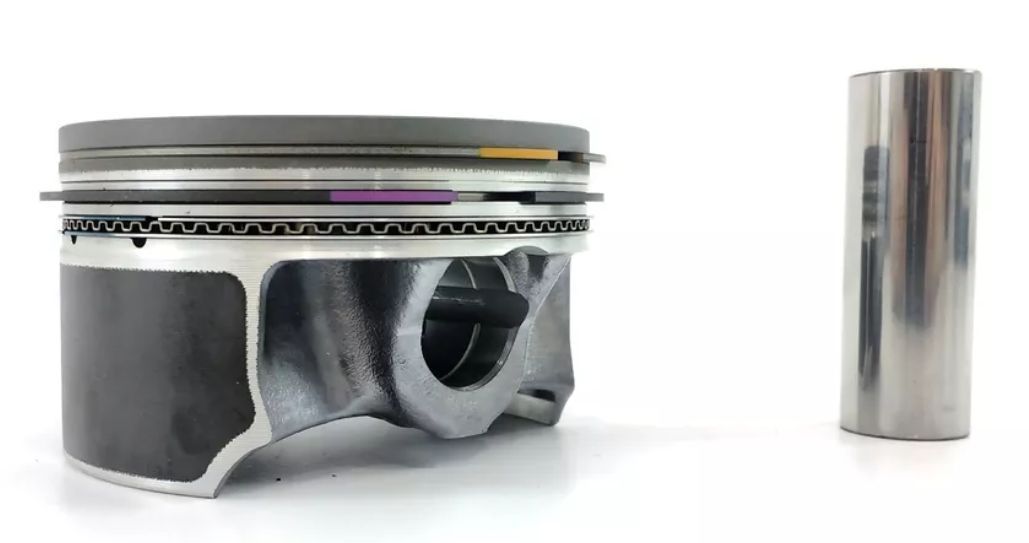
The engine piston is a cylindrical component that reciprocates (moves up and down) inside the engine's cylinder bore. Acting as the moving "floor" of the combustion chamber, its primary purpose is to convert the immense pressure generated by the combustion of the air-fuel mixture into a powerful linear force. This force is transferred via a connecting rod to the crankshaft, creating the torque that powers the vehicle. Fitted with piston rings, it also forms a crucial seal, preventing combustion gases from escaping into the crankcase and controlling oil from entering the combustion chamber.
Functions of an Engine Piston
Transmit Combustion Force
It harnesses the explosive force of combustion, pushing down on the connecting rod to turn the crankshaft and create power.
Form a Dynamic Seal
In conjunction with piston rings, it seals the high-pressure gases in the combustion chamber, enabling compression and power strokes.
Transfer Heat
It absorbs intense heat from combustion and transfers it to the cylinder walls, where it is carried away by the engine's cooling system.
Control Oil
The oil control rings on the piston scrape excess oil from the cylinder walls on the downstroke, preventing it from being burned.
Symptoms of a Failing Piston
Piston failure is one of the most severe internal engine problems, often requiring a complete engine rebuild or replacement. Symptoms should never be ignored.
Excessive Oil Consumption & Blue Smoke
This indicates worn piston rings or damaged ring lands are allowing oil to bypass the piston and burn in the combustion chamber.
Knocking or Slapping Noise
"Piston slap" is a hollow sound, most audible on a cold engine, caused by excessive clearance. A heavy knock could indicate a failed wrist pin.
Loss of Compression and Power
A cracked piston, broken ring land, or burnt hole in the piston crown will cause a complete loss of compression and a dead cylinder.
Excessive Crankcase Pressure (Blow-by)
Worn rings or a damaged piston will allow combustion gases to blow past into the crankcase, often pushing oil out of seals and the dipstick tube.
Piston vs. Engine Valve
What is an Engine Valve?
Engine valves are the "doors" at the top of the combustion chamber. The intake valve opens to let the air-fuel mixture in, and the exhaust valve opens to let burnt gases out. They are located in the cylinder head and are controlled by the camshaft.
| Attribute | Piston | Engine Valve |
|---|---|---|
| Function | Creates power from pressure | Controls gas flow (breathing) |
| Motion | Reciprocating (up and down) | Linear (actuated open/closed) |
| Location | Inside Cylinder Block | Inside Cylinder Head |
| Part of System | Rotating Assembly | Valvetrain |
The Piston is the engine's beating heart, pumping power; the Valves are the engine's lungs, controlling every breath.