
Not Found

Add Vehicle

Select your car to search for auto parts:

Most Popular Searches
Historical Search
Most Popular Searches

Coolant Reservoir

Wholesale & Supply
FOCUSON ENGINE® coolant reservoirs are injection-molded from high-temperature, UV-stabilized polypropylene or nylon composites, engineered to meet SAE J1436 standards. With pressure containment, thermal cycling, and chemical resistance. Features integrated fill necks, level sensors, and pressure caps (where applicable) to ensure system integrity and coolant volume regulation under fluctuating engine temperatures.
FOCUSON ENGINE® expansion tanks regulate coolant expansion and contraction during thermal load changes, preventing over-pressurization and air entrapment in the cooling system. Available in closed and vented configurations to support both sealed and atmospheric cooling systems.
Not Found
products 11

Coolant Reservoir

FOCUSON ENGINE® is a premier B2B supplier of coolant reservoirs and cooling system components. We provide distributors and OEM clients with parts engineered from high-grade, heat-resistant polymers for perfect sealing and long-term durability.

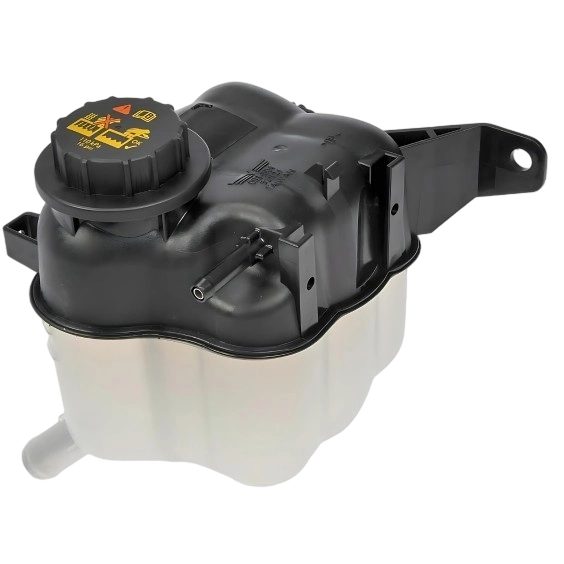
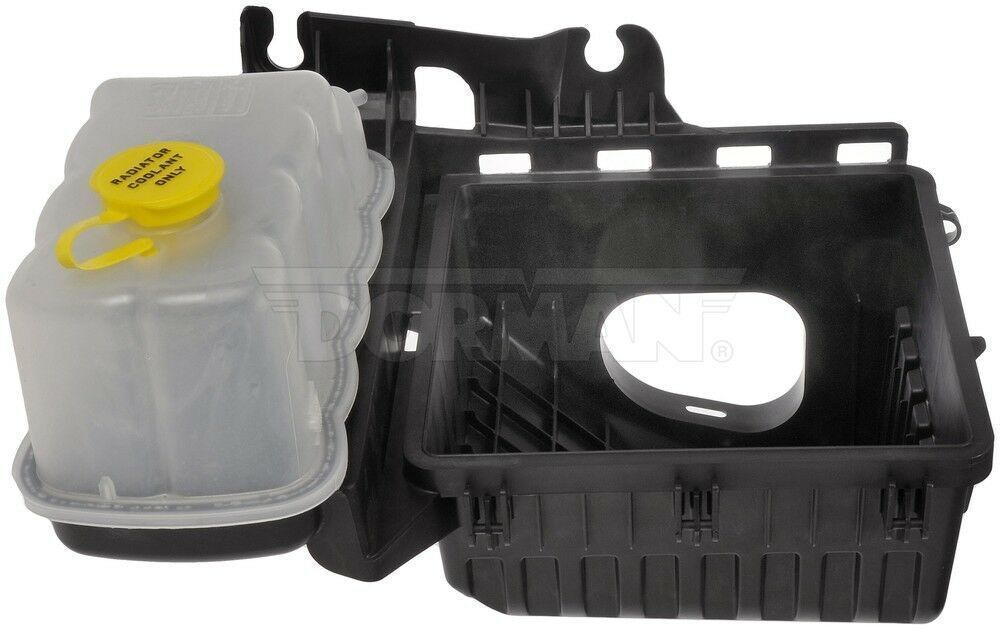
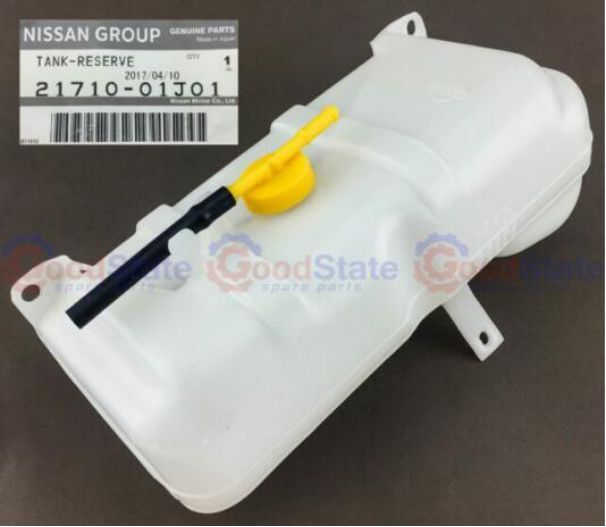
The coolant reservoir, also known as an expansion tank or overflow tank, is a translucent plastic bottle connected to the engine's cooling system. Its fundamental purpose is to manage the natural expansion and contraction of coolant as it heats up and cools down. As the engine warms, the expanding coolant flows into the reservoir. As it cools, the resulting vacuum in the radiator siphons the coolant back into the system. This process ensures the radiator remains completely full of fluid, preventing air pockets that can cause overheating and corrosion.

Functions of a Coolant Reservoir

Manage Coolant Volume

It provides the necessary space for coolant to expand into when hot and serves as the source to draw from when cool.

Maintain System Pressure

In modern pressurized systems, the pressure cap is located on the reservoir, allowing it to maintain the pressure that raises the coolant's boiling point.

Deaerate the System

It allows air bubbles trapped in the coolant to escape, preventing them from causing pump cavitation or hot spots in the engine.

Provide a Visual Checkpoint

The "MIN" and "MAX" lines on its side provide a safe, easy way to monitor the coolant level without opening a hot, pressurized system.

Symptoms of a Failing Coolant Reservoir

A failing reservoir can cause persistent coolant loss, which will eventually lead to engine overheating and potential for severe damage like a warped cylinder head.

1
Visible Cracks in the Plastic

Years of heat cycles make the plastic brittle. Hairline cracks, often around hose fittings or seams, are a common failure point.

2
Constant Need to Add Coolant

If the low coolant light comes on frequently and you can't find another leak source, the reservoir may have a slow, hard-to-see leak.

3
Sweet Coolant Smell

The distinct, sweet odor of antifreeze around the engine bay often points to a small leak from the reservoir or one of its hoses.

4
Engine Overheating

A major crack can lead to a rapid loss of coolant, causing the engine to overheat quickly, especially in stop-and-go traffic.

Coolant Reservoir vs. Radiator

What is a Radiator?

The radiator is the primary heat exchanger in the cooling system. It's a large metal component with fins and tubes located at the front of the vehicle. Hot coolant from the engine flows through the radiator, and airflow (either natural or from the radiator fan) passes over the fins, dissipating the heat before the coolant returns to the engine.

Attribute Coolant Reservoir Radiator
Function Manages coolant volume/pressure Dissipates heat from coolant
Material Plastic (Polypropylene) Aluminum & Plastic
Role in Flow Storage / Expansion Primary Circulation Path
Pressure Cap Often located here (modern) Located here on older systems

The Radiator is the body's skin, radiating heat away; the Coolant Reservoir is the lungs, managing volume and pressure.

Quick Facts

Also Known As Expansion/Overflow Tank, Degas Bottle
Key Function Manages Coolant Expansion
Common Failure Cracks from Heat & Age
Critical Partner Radiator Pressure Cap

Required Tools for Replacement

Coolant Drain Pan
Pliers / Hose Clamp Pliers
Socket Set or Screwdriver
Coolant Funnel

Pro Tips

Always replace the radiator pressure cap when replacing a pressurized reservoir. A weak cap won't hold pressure and can cause boiling.
Check the coolant level only when the engine is cold. The level will naturally be higher when the engine is hot due to expansion.
If the old coolant is rusty or full of sediment, flush the entire cooling system before installing a new reservoir.

Choosing the Right Coolant Reservoir

Exact Vehicle Fitment

Verify by year, make, and model. The shape, mounting tabs, and hose nipple locations are unique to each application.

Buy as a Complete Assembly

Opt for a reservoir that includes a new pressure cap and, if applicable, a new coolant level sensor for a full repair.

Material Quality

Choose a part made from virgin, high-grade polypropylene (PP) plastic that is resistant to heat and chemical degradation from coolant.

Brand Reputation

Select a proven manufacturer like FOCUSON ENGINE® that uses quality molds and performs pressure testing to ensure a leak-free product.

Confirm System Type

Ensure you are buying the correct type: a pressurized expansion tank (cap on tank) or a non-pressurized overflow bottle (cap on radiator).

Check for Hoses

The small overflow and return hoses can become brittle along with the reservoir. Consider replacing them at the same time.

Applications of Coolant Reservoirs

Pressurized Systems

The standard on modern vehicles. The tank is an active, pressurized part of the cooling circuit, often called an expansion tank or degas bottle.

Non-Pressurized Systems

Found on older vehicles, where the tank is simply a passive catch-can for overflow and is not under system pressure.

Electric & Hybrid Vehicles

EVs and hybrids often have multiple, separate coolant reservoirs for the gasoline engine, battery pack, and power electronics.

Heavy-Duty Trucks

Use large-capacity, heavy-duty degas bottles built to withstand the high pressures and vibrations of commercial diesel engines.

MAINTAINING COOLING SYSTEM STABILITY.

At FOCUSON ENGINE®, we specialize in serving importers, distributors, and OE supply chains with high-quality coolant reservoirs. With in-house manufacturing, flexible MOQ, and responsive technical support, we are committed to being your trusted long-term partner in the global automotive aftermarket.

Not Found

© 2025 FOCUSON ENGINE. All Rights Reserved.
Contact Us
Can't find the right product? Contact us — we'll find it for you!
Name
Email *
This field is required.
Company Name
Phone Number
Please Enter
Files
Upload Files
This field is required
Message/Notes
WeChat二维码