


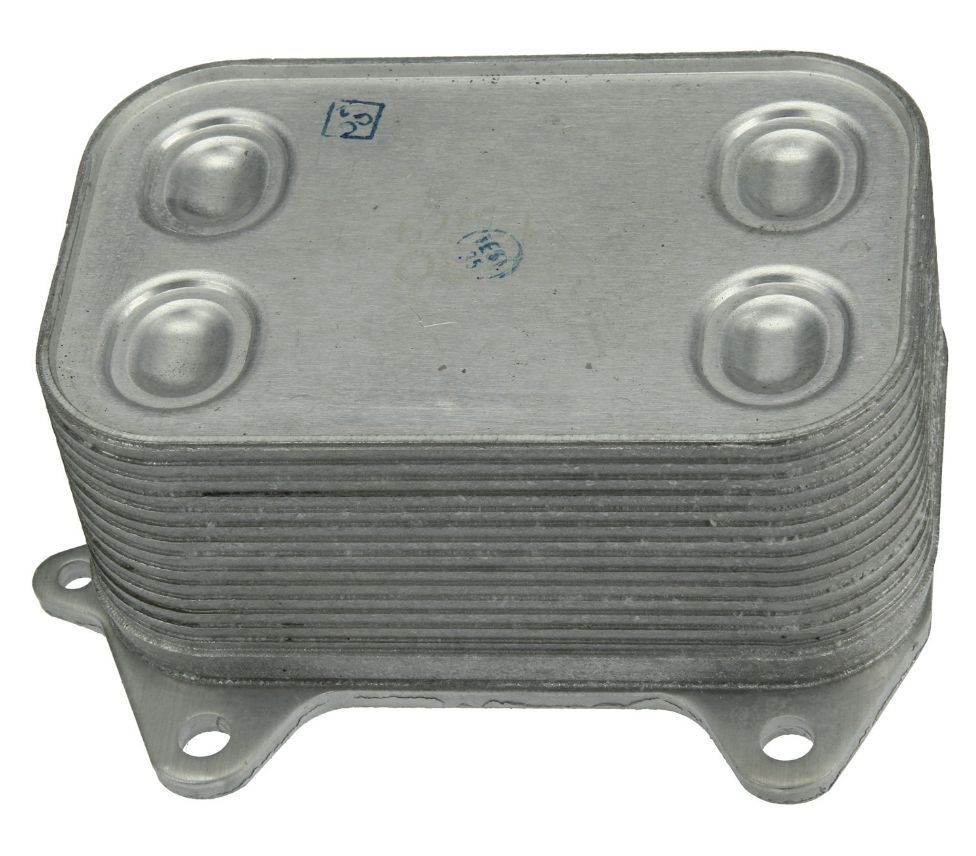
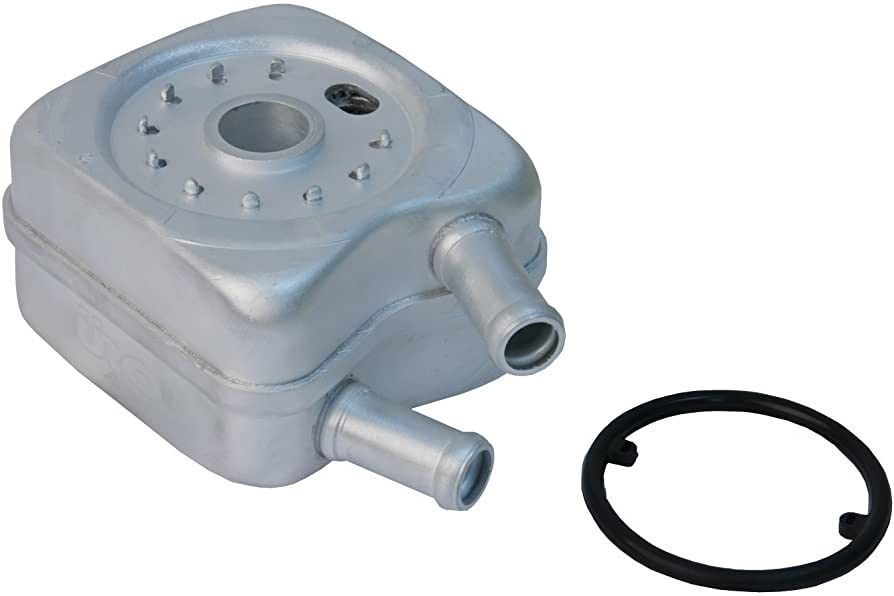
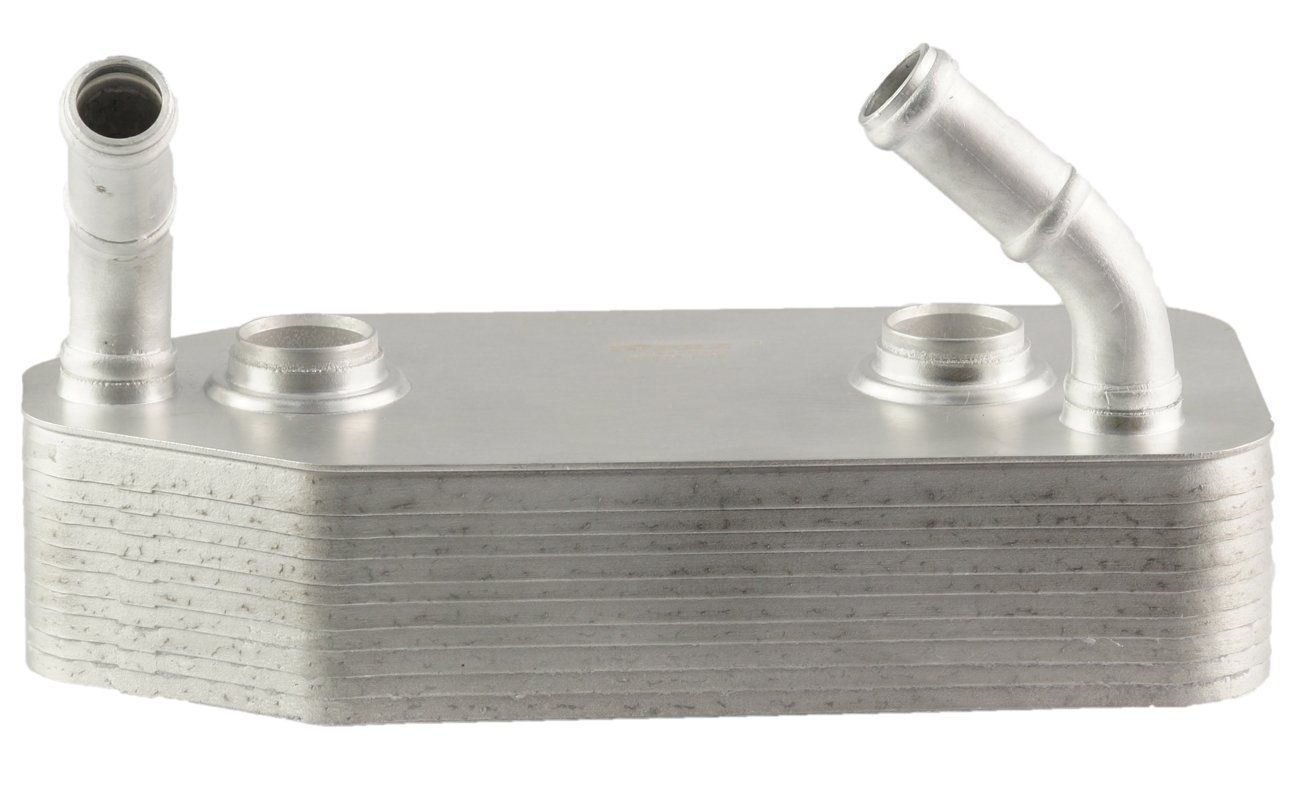
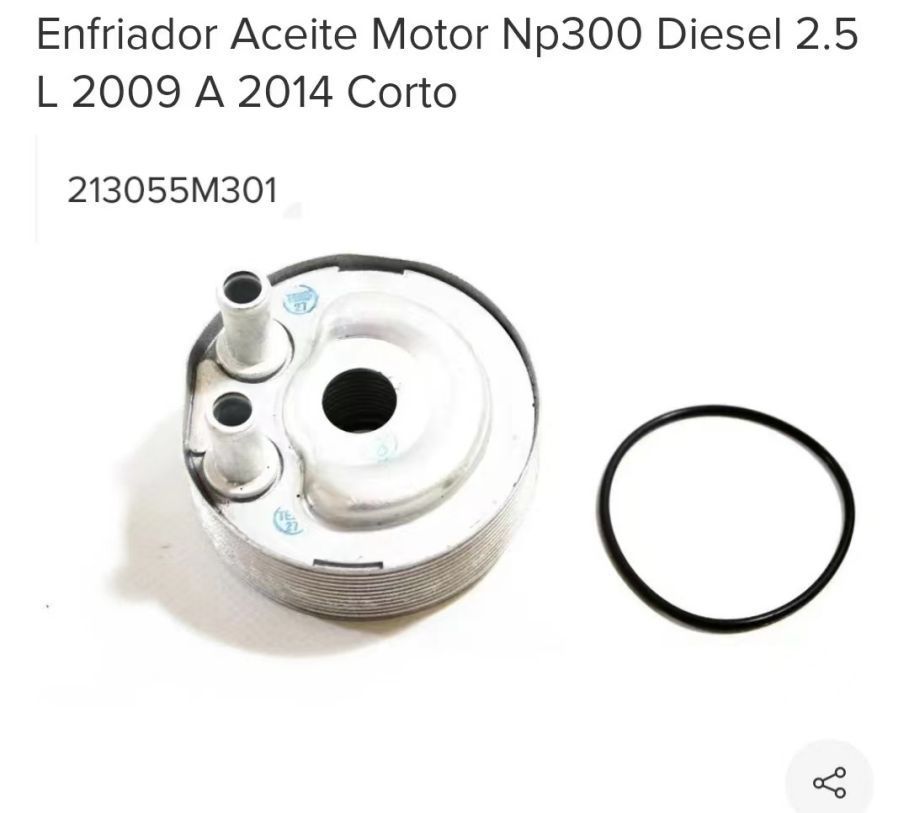
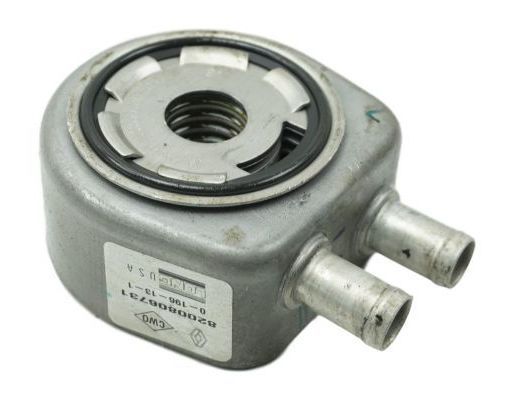
An oil cooler is a type of heat exchanger designed specifically to cool hot oil from an engine or transmission. As oil circulates and lubricates, it absorbs a tremendous amount of heat. Under heavy loads like towing, racing, or even stop-and-go traffic, the oil can overheat, lose its viscosity (thin out), and begin to break down, leading to poor lubrication and premature component wear. The oil cooler works by routing this hot oil through a series of tubes and fins, allowing air or engine coolant to dissipate the excess heat, thereby maintaining the oil's temperature within its optimal operating range.
Functions of an Oil Cooler
Regulate Oil Temperature
Its primary function is to prevent oil from overheating and breaking down under severe operating conditions.
Maintain Oil Viscosity
By keeping oil cool, it ensures the oil maintains its proper thickness (viscosity) for effective lubrication and pressure.
Extend Component Life
Reduced heat stress on internal engine or transmission parts, gaskets, and seals leads to a significantly longer service life.
Enhance Overall Cooling
By cooling the oil, it reduces the overall thermal load on the engine, supplementing the primary coolant-based system.
Symptoms of a Failing Oil Cooler
A failing oil cooler can lead to catastrophic engine or transmission failure from either overheating or severe fluid cross-contamination. Leaks must be addressed immediately.
Oil Leak
Visible drips of oil from the cooler itself, or more commonly, from its seals and gaskets where it mounts to the engine or filter housing.
Engine or Transmission Overheating
If the cooler is clogged internally, it cannot dissipate heat, leading to high fluid temperatures under load.
Coolant in the Oil
A "milky" or "milkshake" appearance on the oil dipstick indicates an internal rupture in a liquid-to-liquid cooler, allowing coolant into the oil.
Oil in the Coolant
A thick, sludgy, or rainbow-sheened contamination in the coolant reservoir points to the same internal failure, but with oil being forced into the cooling system.
Oil Cooler vs. Radiator
What is a Radiator?
The radiator is the main heat exchanger for the engine's primary cooling system. It is a large component at the front of the vehicle that cools the engine coolant (a water/antifreeze mix) after it has absorbed heat from the engine block and cylinder head.
| Attribute | Oil Cooler | Radiator |
|---|---|---|
| Fluid Cooled | Engine Oil or Transmission Fluid | Engine Coolant (Antifreeze) |
| Role | Supplemental / Heavy-Duty Cooling | Primary Engine Cooling |
| Size | Typically small to medium | Very large, covers front of engine bay |
| Primary Purpose | Protect lubricant quality | Prevent engine overheating |
The Radiator is the engine's main air conditioner for survival; the Oil Cooler is the specialized drink cooler for peak performance.