


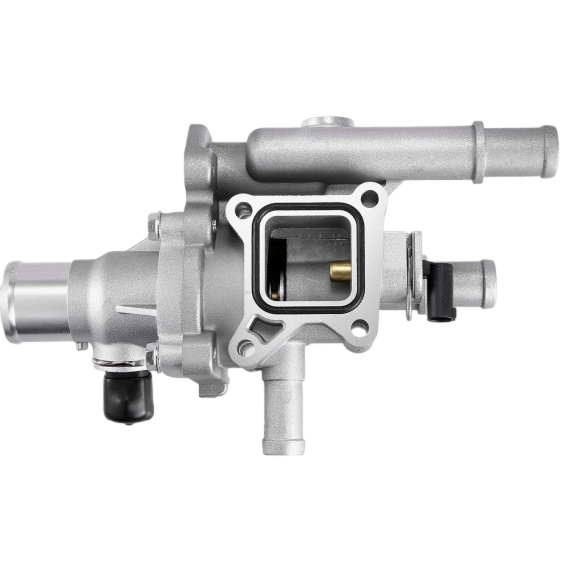
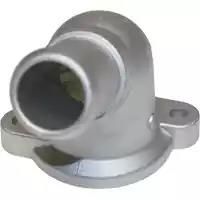
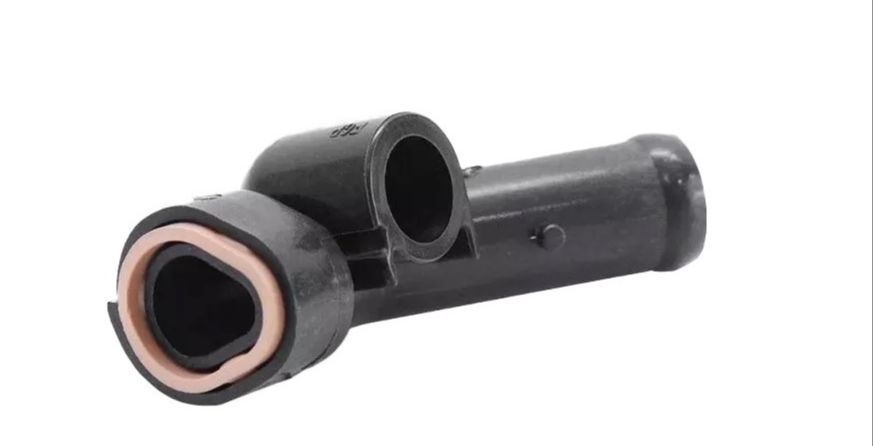
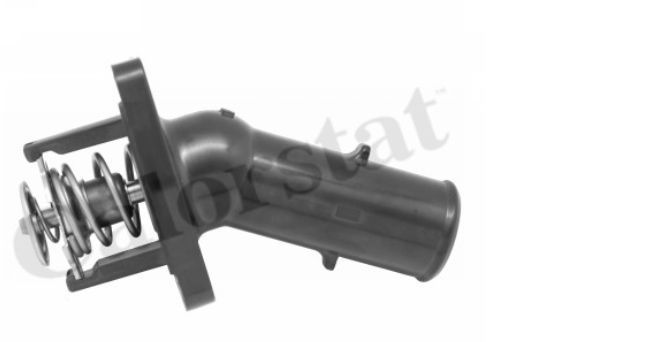
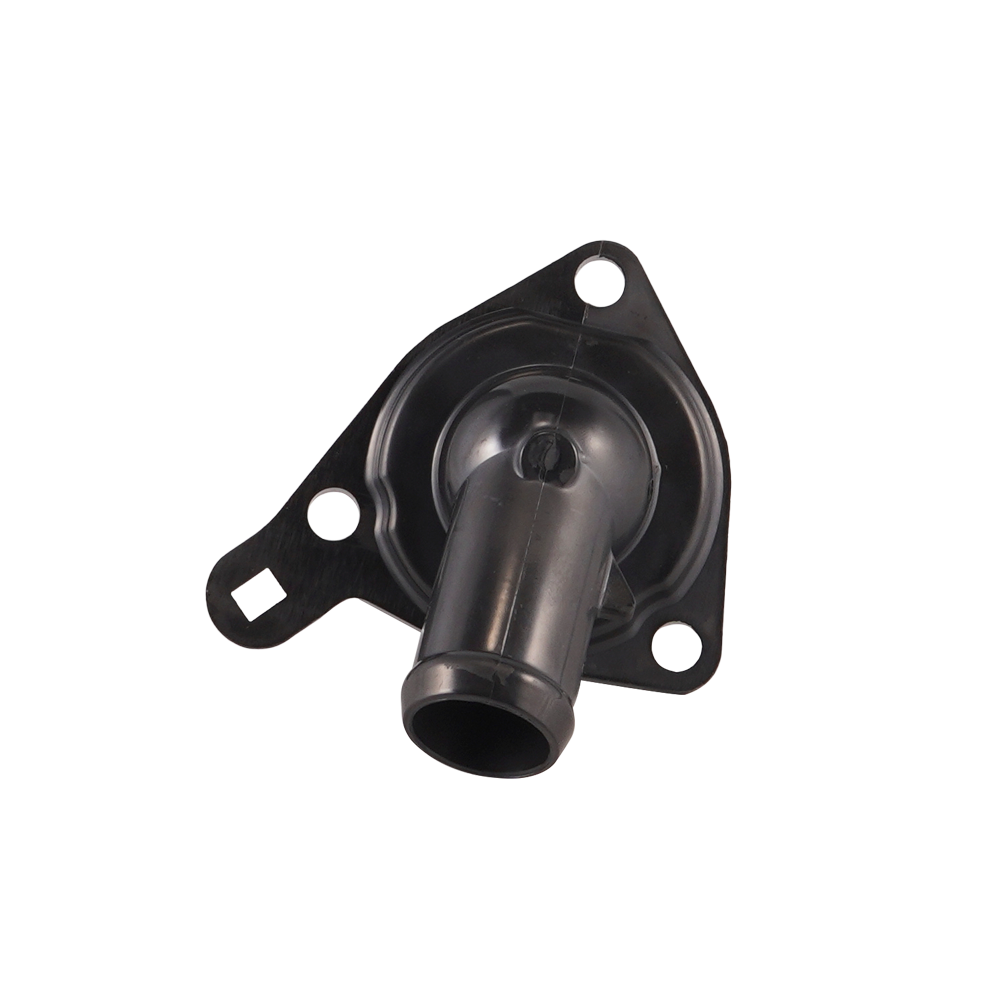
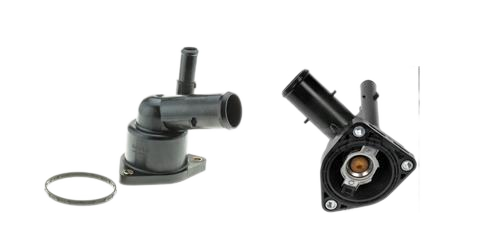
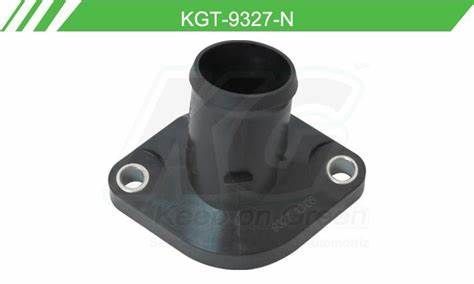
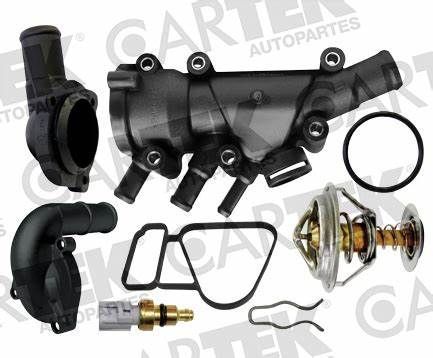
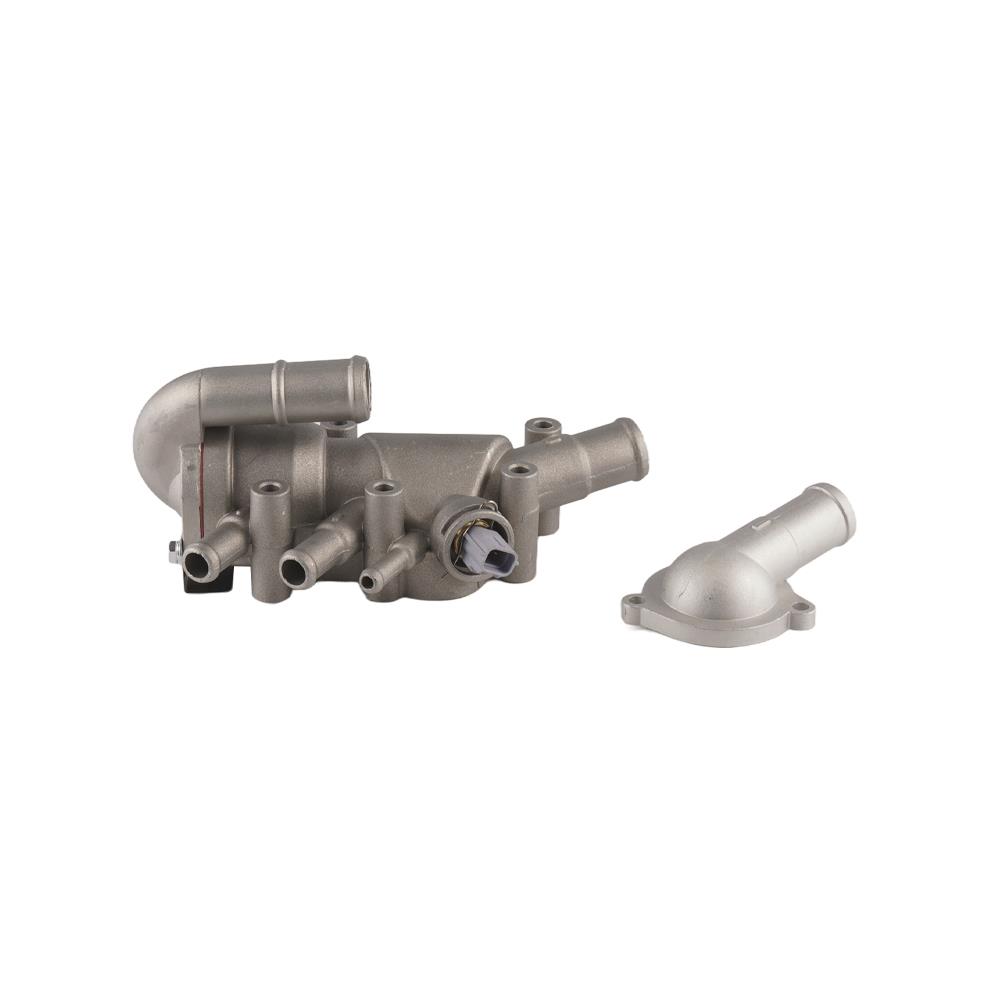
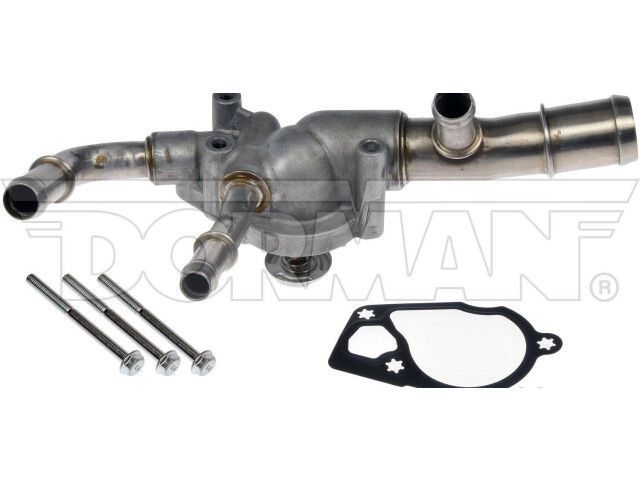
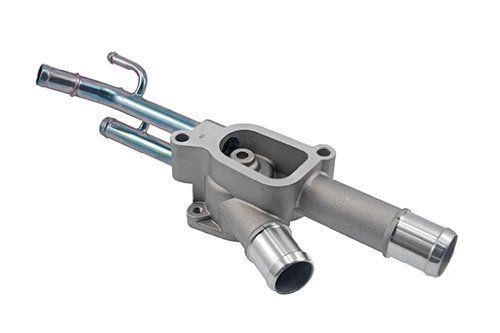
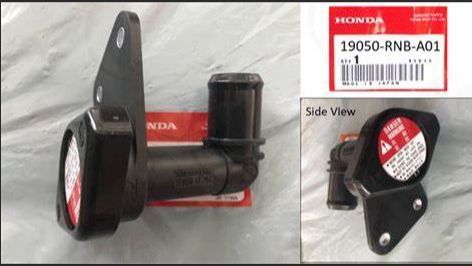
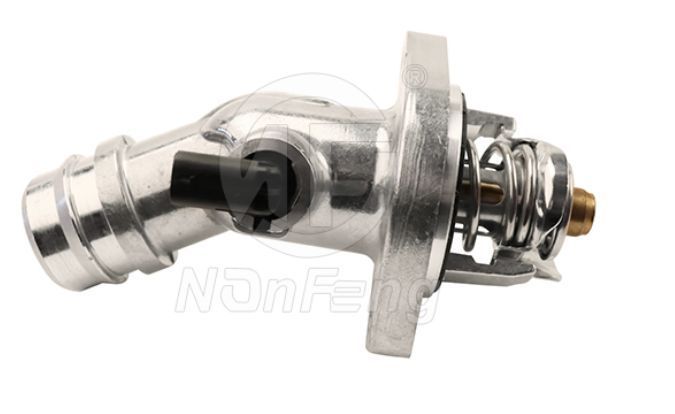
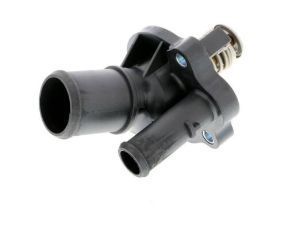
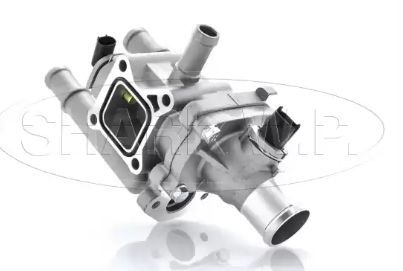
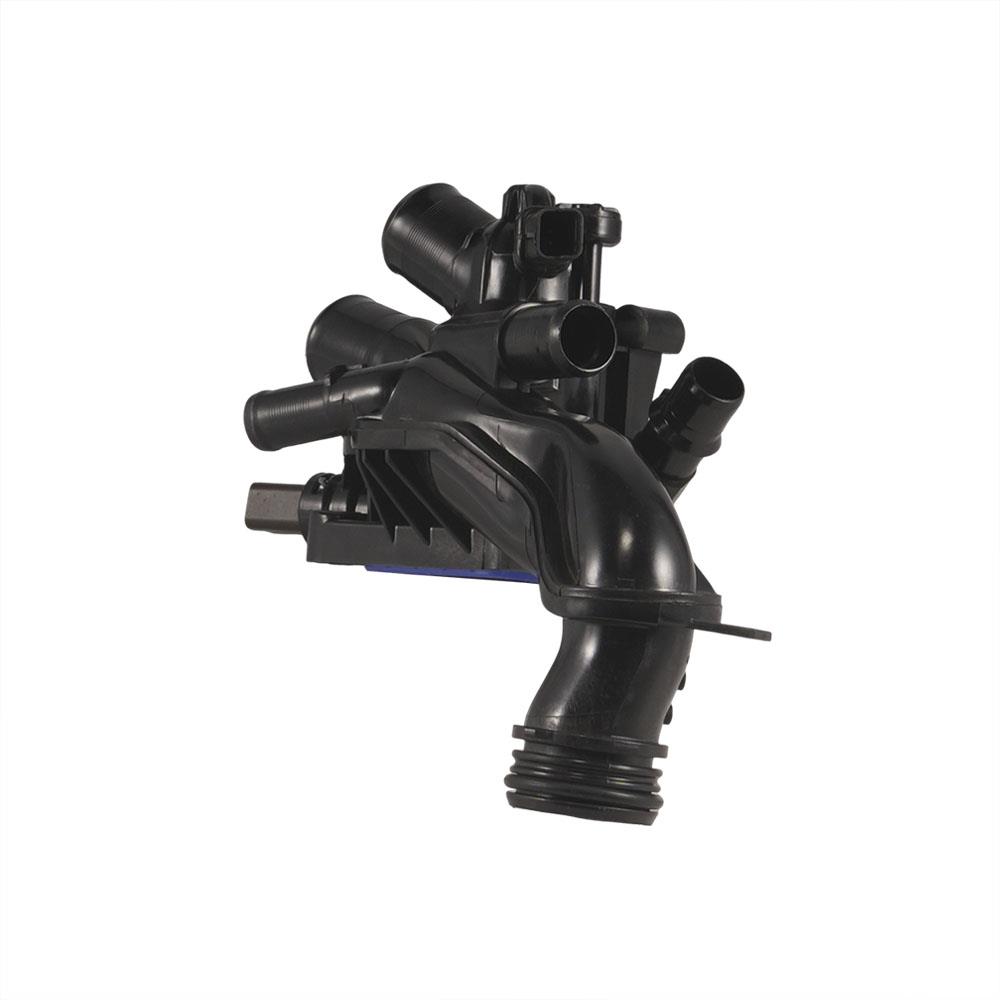
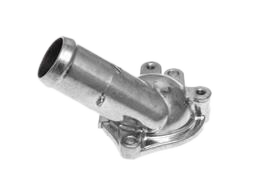
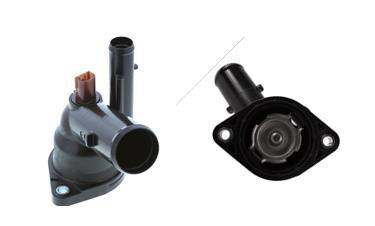
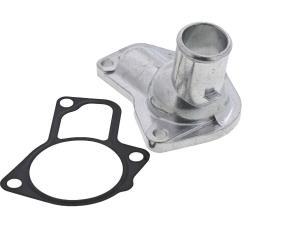
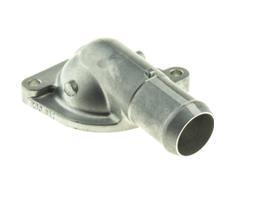
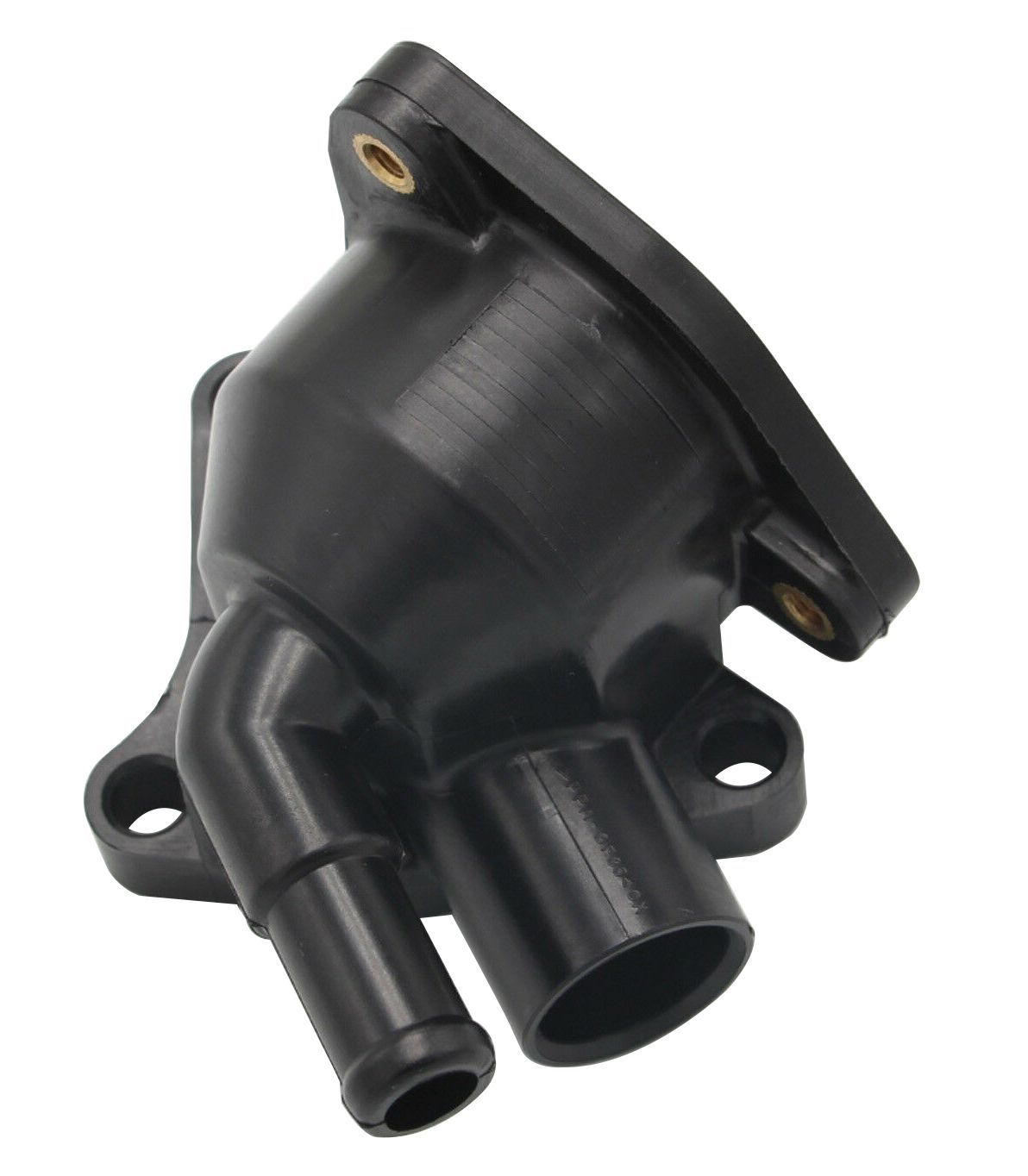
The thermostat housing is a critical component of the engine's cooling system that contains and protects the thermostat. Typically made from cast aluminum, composite plastic, or stamped steel, it bolts directly to the engine block or cylinder head. The housing acts as a primary junction for coolant flow, featuring one or more outlets that connect to the radiator and heater hoses. Its main purpose is to hold the thermostat securely in the path of the coolant and provide a leak-proof sealing surface against the engine, ensuring that coolant is properly directed for efficient temperature regulation.
Functions of a Thermostat Housing
House the Thermostat
Its primary job is to securely hold the thermostat in the correct position, allowing it to accurately sense coolant temperature.
Direct Coolant Flow
It acts as a coolant manifold, typically directing hot coolant from the engine to the upper radiator hose once the thermostat opens.
Provide a Sealing Surface
The housing flange and gasket create a crucial seal against the engine to prevent high-pressure coolant leaks.
Mount Sensors and Bleeders
It often incorporates ports for the coolant temperature sensor, fan switches, and/or bleeder screws for purging air from the system.
Symptoms of a Failing Thermostat Housing
A cracked or leaking thermostat housing can cause a sudden and complete loss of engine coolant, leading to rapid overheating and severe engine damage like a warped cylinder head.
Coolant Leaks
The most common symptom. Look for puddles of coolant (often green, pink, or orange) under the front of the engine, or crusty residue around the housing.
Engine Overheating
A significant leak from a crack or bad gasket will cause the coolant level to drop, leading to the engine temperature rising into the red zone.
Erratic Temperature Gauge Readings
A leak can create an air pocket in the system, causing the coolant temperature sensor (often mounted in the housing) to give fluctuating or inaccurate readings.
Visible Cracks or Corrosion
Plastic housings can develop hairline cracks. Aluminum housings can corrode and "pit" at the gasket surface or hose connections, preventing a good seal.
Thermostat Housing vs. Thermostat
What is a Thermostat?
The thermostat is the actual temperature-sensitive valve that sits *inside* the thermostat housing. It contains a wax pellet that expands when the coolant reaches a specific temperature (e.g., 195°F / 90°C), pushing a valve open to allow coolant to flow to the radiator. It is the "brain" that regulates temperature.
| Attribute | Thermostat Housing | Thermostat |
|---|---|---|
| Role | The "house" or container | The "valve" or gatekeeper |
| Function | Seals and directs coolant flow | Opens/closes to regulate temp |
| Failure Symptom | Coolant leak, crack | Stuck open (no heat) or closed (overheat) |
| Material | Aluminum, Plastic, Steel | Brass, Steel, Wax Pellet |
The Thermostat Housing is the guard shack at a gate; the Thermostat is the guard who opens and closes the gate.