
Not Found

Add Vehicle

Select your car to search for auto parts:

Most Popular Searches
Historical Search
Most Popular Searches

Thermostat

Wholesale & Supply
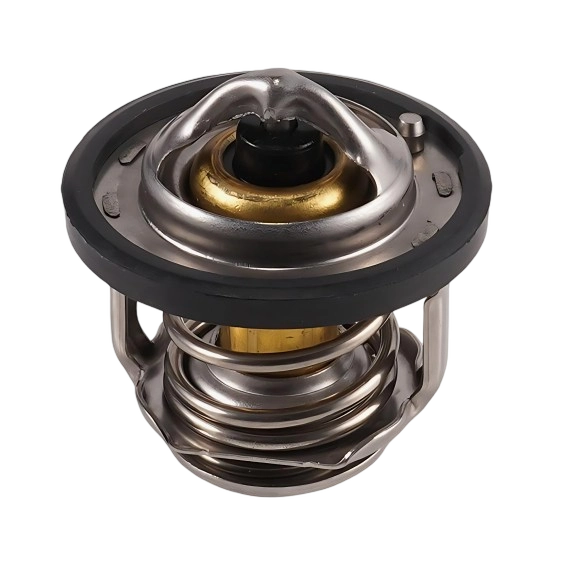
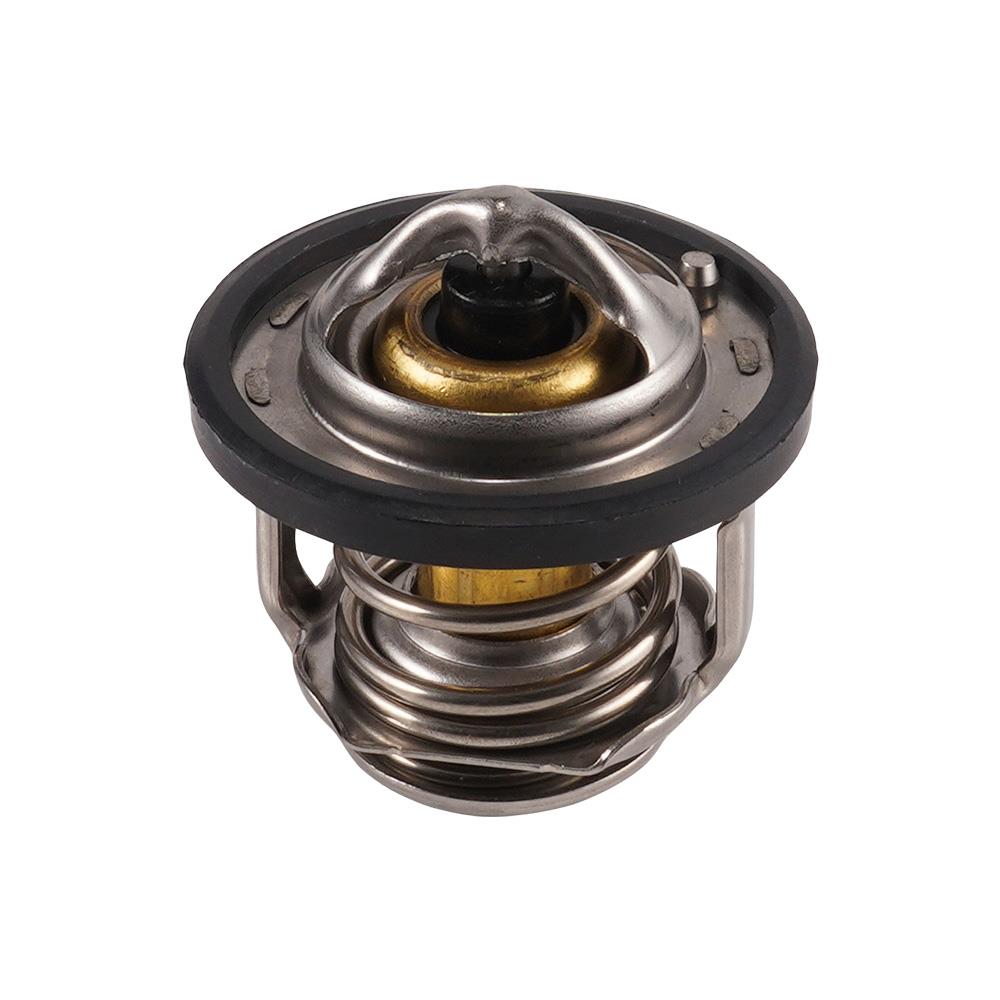
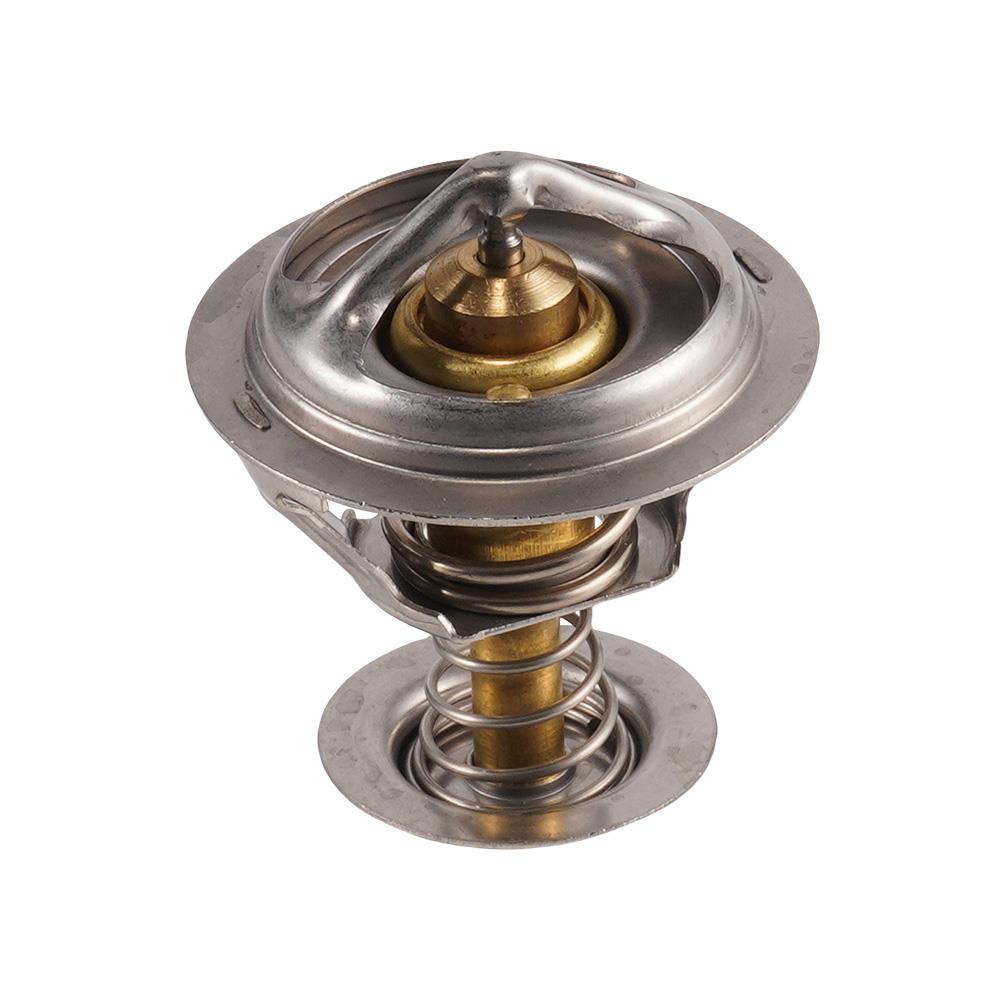
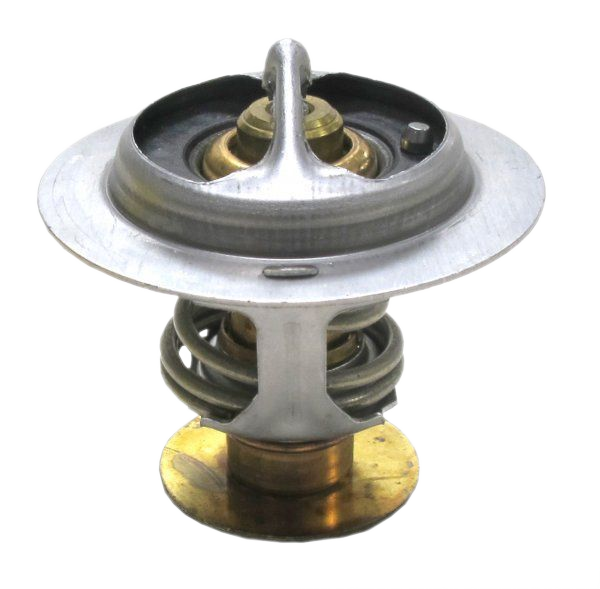
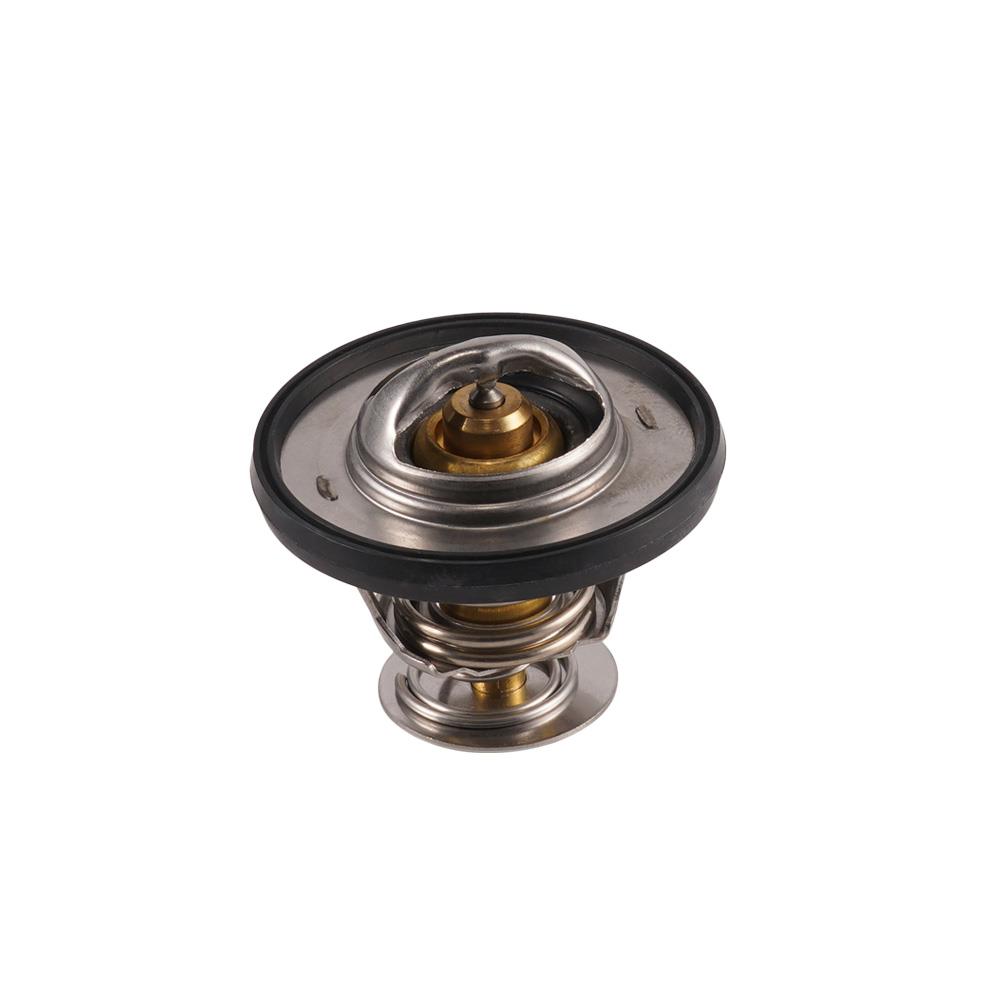
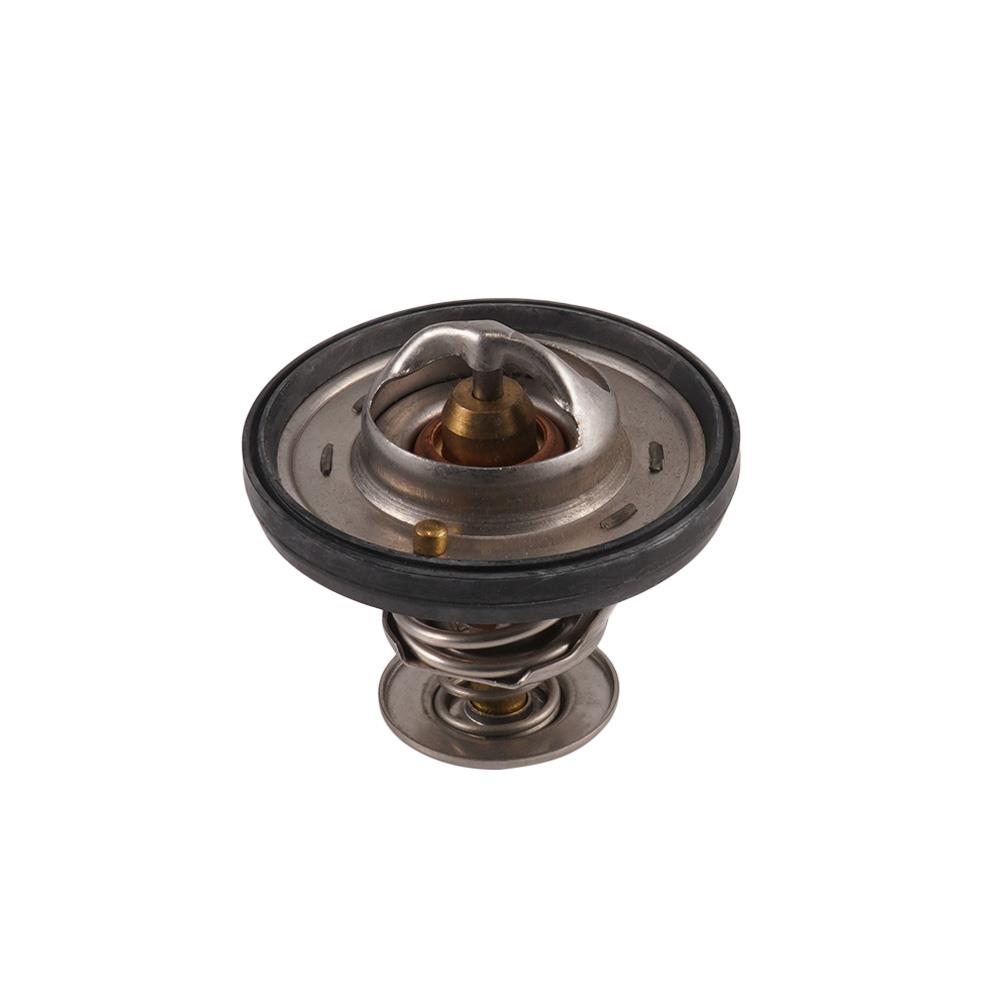
FOCUSON ENGINE® thermostats are engineered with high-precision thermal wax actuators and stainless steel housings. Each unit undergoes thermal cycle testing, pressure validation, and valve lift calibration to ensure consistent opening/closing thresholds.
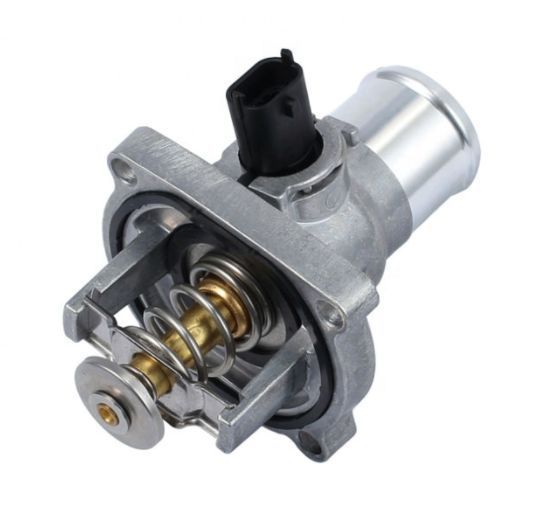
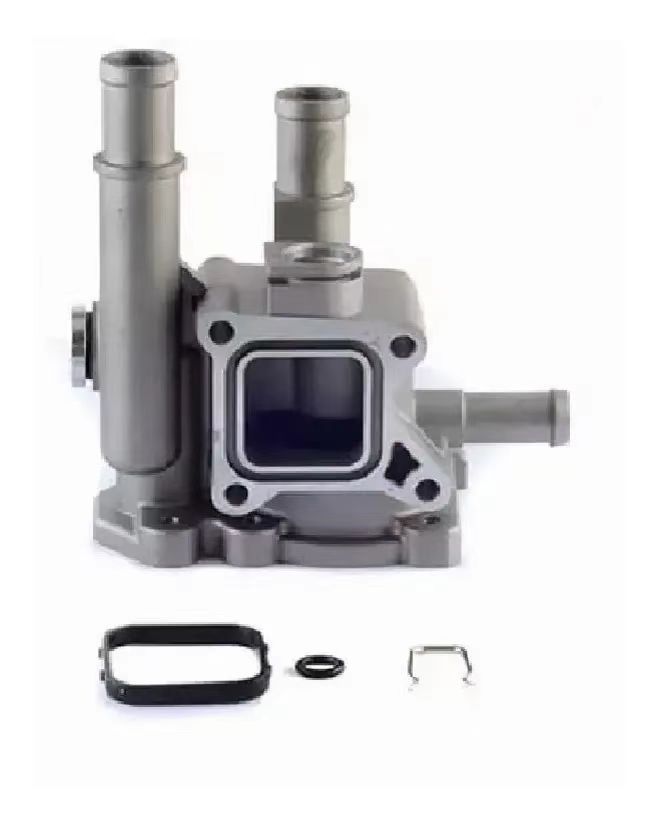
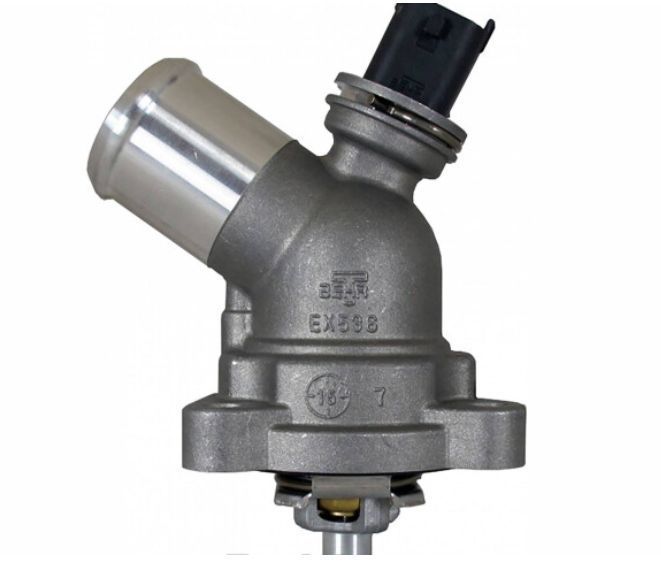
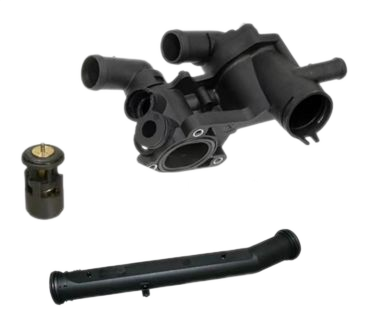
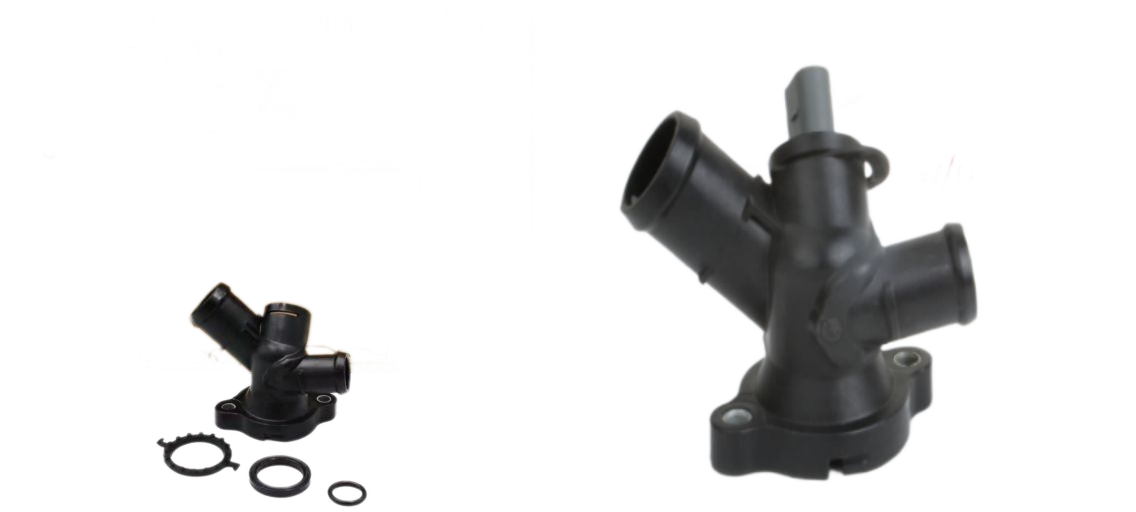
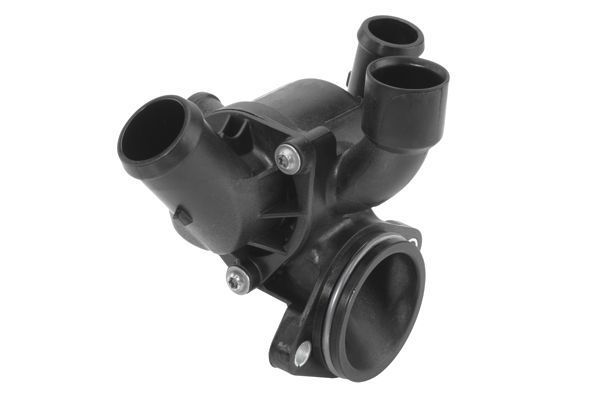
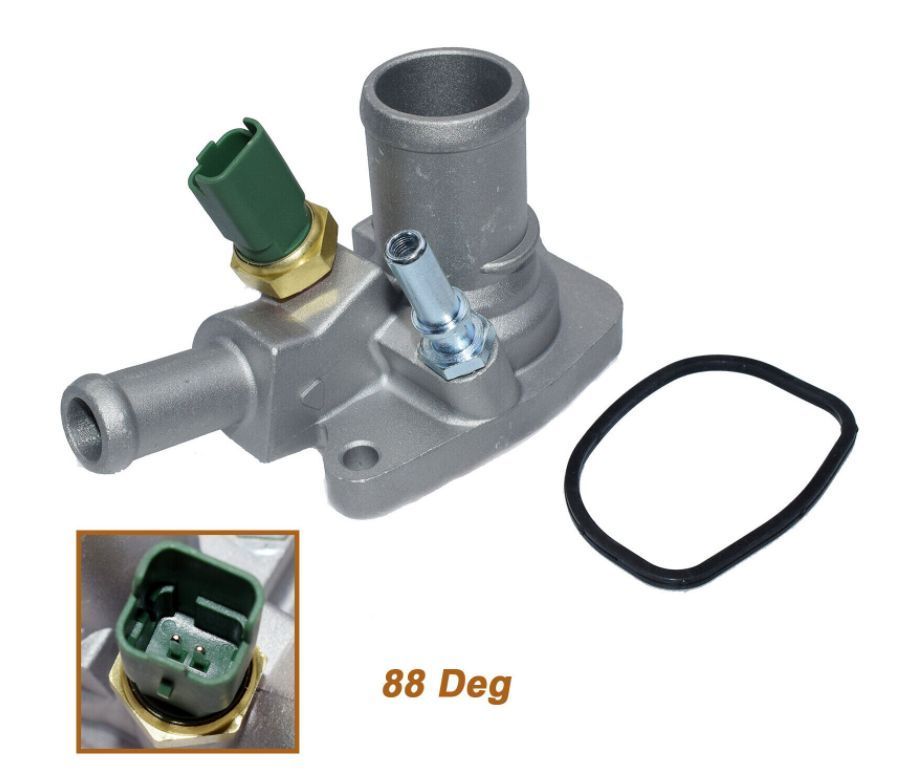
FOCUSON ENGINE® thermostats regulate coolant flow between the engine and radiator to maintain optimal operating temperature. Available in standard, high-flow, and fail-safe configurations, ensure faster warm-up, reduced emissions, and protection against overheating. Some models integrate housing units, sensors, or bypass valves for seamless installation in modern engine cooling modules.
Not Found
products 26

Thermostat

FOCUSON ENGINE® is a leading B2B manufacturer of automotive thermostats. We provide distributors and OEM clients with components precision-calibrated for accurate temperature regulation, rapid engine warm-up, and long-term, reliable performance.

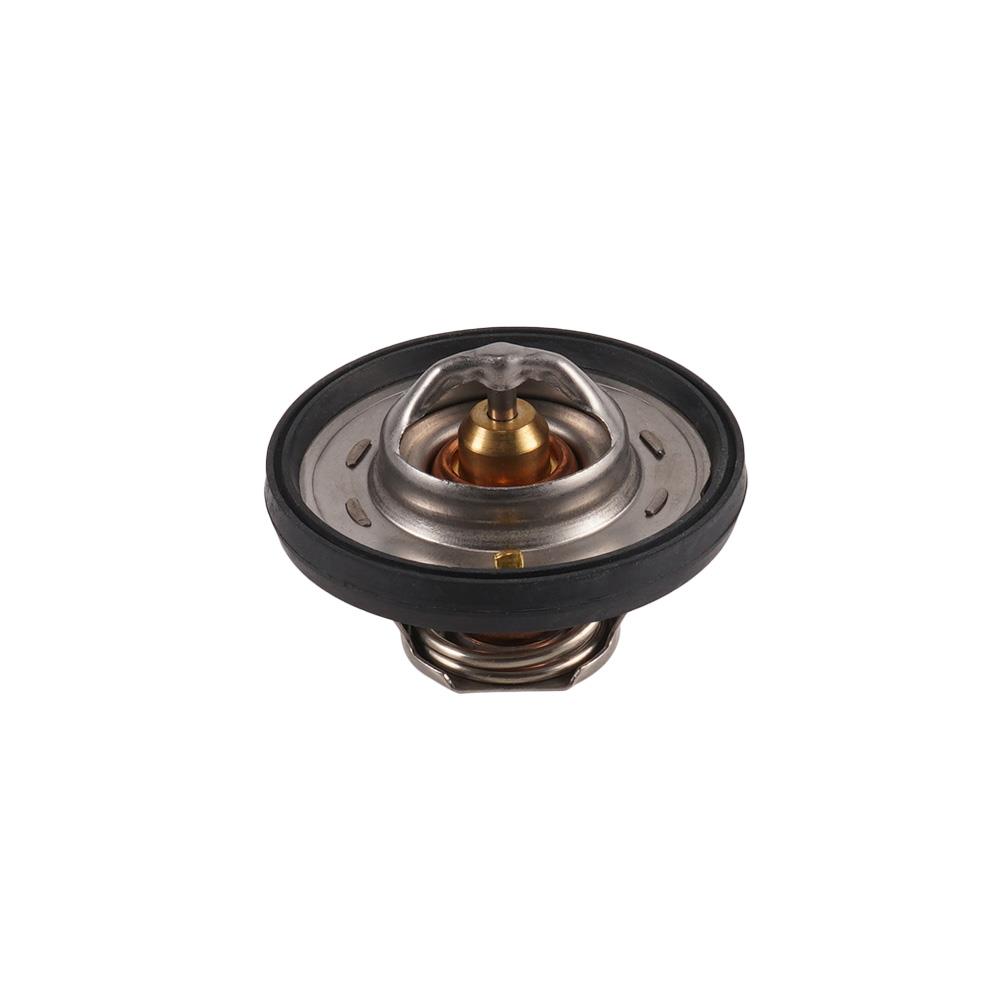
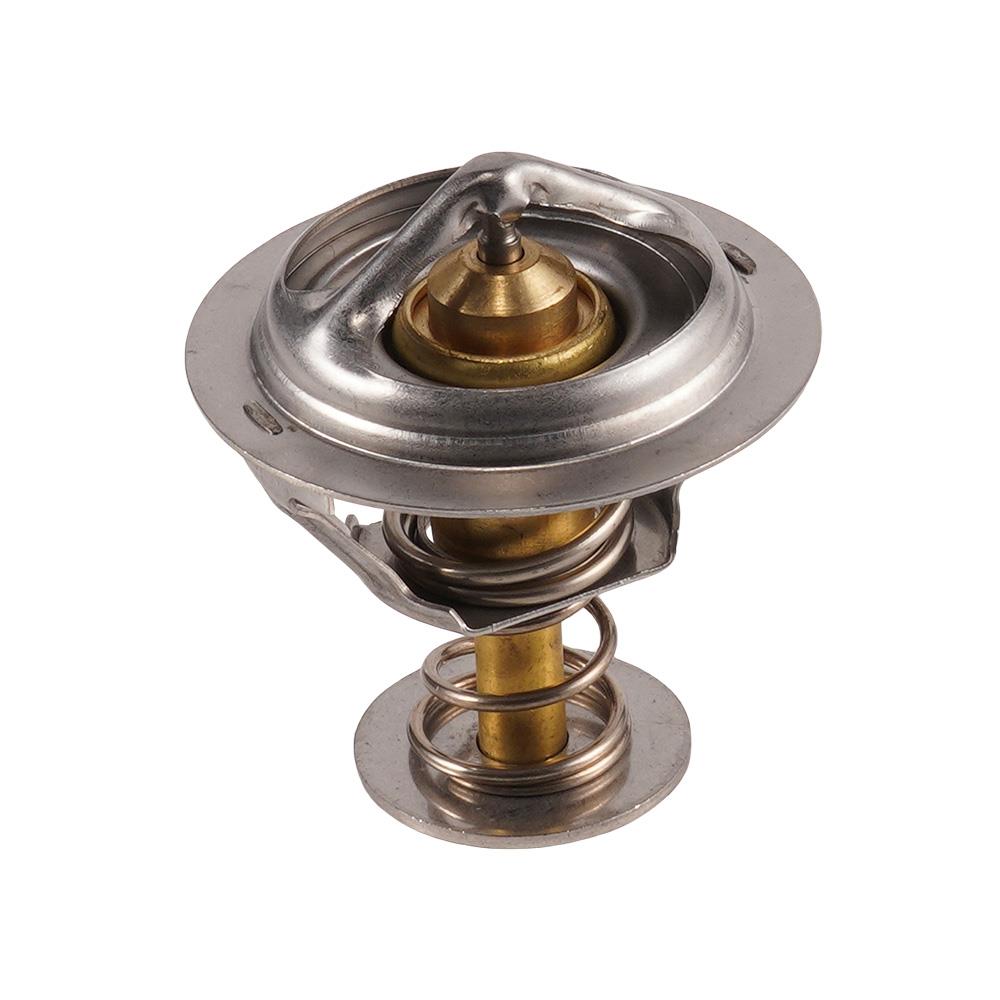
An engine thermostat is a small, temperature-sensitive valve that acts as the primary regulator of an engine's cooling system. Housed within the thermostat housing, it sits between the engine and the radiator. Its core component is a wax-filled pellet that expands when the engine coolant reaches a specific, predetermined temperature. This expansion pushes a valve open, allowing hot coolant to flow to the radiator for cooling. When the engine is cold, the thermostat remains closed, blocking flow to the radiator and allowing the engine to warm up to its optimal operating temperature as quickly as possible.

Functions of a Thermostat

Regulate Engine Temperature

Its primary function is to maintain the engine within its ideal temperature range (typically 195-220°F or 90-104°C) for maximum efficiency.

Enable Rapid Warm-Up

By staying closed when cold, it stops coolant from flowing to the radiator, allowing the engine to reach operating temperature faster, which reduces wear and emissions.

Control Coolant Flow

It acts as an intelligent gatekeeper, opening to send hot coolant to the radiator for cooling and closing to retain heat when needed.

Optimize Fuel Economy & Emissions

An engine running at its correct temperature has more complete combustion, leading to better fuel mileage and lower tailpipe emissions.

Symptoms of a Failing Thermostat

A thermostat can fail in two ways: stuck closed (leading to rapid overheating) or stuck open (preventing the engine from warming up). Both conditions negatively affect engine health and performance.

1
Engine Overheating

This is the classic sign of a thermostat stuck closed. The temperature gauge will climb quickly, as coolant cannot get to the radiator.

2
Engine Not Reaching Temperature

If the thermostat is stuck open, the temperature gauge will stay low, and the cabin heater will blow cool or lukewarm air.

3
Erratic Temperature Fluctuations

A thermostat that is binding or opening sluggishly can cause the temperature gauge to swing up and down unpredictably.

4
Poor Fuel Economy

An engine that runs too cool due to a stuck-open thermostat will run rich, consuming more fuel than necessary.

Thermostat vs. Coolant Temperature Sensor

What is a Coolant Temperature Sensor (CTS)?

The CTS is an electronic sensor that measures the temperature of the engine coolant. It does not control anything itself; instead, it sends this temperature data to the Engine Control Unit (ECU) and the dashboard temperature gauge. The ECU then uses this data to adjust fuel mixture, ignition timing, and decide when to turn on the electric radiator fan.

Attribute Thermostat Coolant Temp Sensor
Function Mechanical Action (Opens/Closes) Electronic Sensing (Reads Data)
Role Controls coolant flow Informs the ECU and gauge
Failure Impact Causes direct overheating/underheating Causes incorrect ECU decisions
Type Mechanical Valve Electronic Sensor (Thermistor)

The Coolant Sensor is the thermometer on the wall; the Thermostat is the furnace that actually turns on and off based on the reading.

Quick Facts

Key Function Regulates Engine Temperature
Mechanism Wax Pellet Expansion Valve
Failure Modes Stuck Open or Stuck Closed
Replacement Interval With major cooling service

Required Tools for Replacement

Coolant Drain Pan
Socket Set & Ratchet
Gasket Scraper (Plastic)
Hose Clamp Pliers

Pro Tips

Always install a new thermostat with the "jiggle pin" or bleed valve positioned at the highest point (12 o'clock) to help purge air from the system.
Never run an engine without a thermostat. It will not run cooler; it will run too cold and coolant will circulate too fast to cool effectively.
Always use the OEM-specified temperature rating. Using a "colder" thermostat on a modern computer-controlled engine will harm fuel economy and performance.

Choosing the Right Thermostat

Correct Temperature Rating

This is the most critical factor. Always use the temperature specified by the vehicle manufacturer for proper engine management.

Exact Physical Match

Verify the diameter and design to ensure it fits perfectly inside the thermostat housing and seals correctly.

Include a New Gasket

Only purchase a thermostat that comes with a new, high-quality gasket or O-ring to prevent leaks.

Brand Reputation

Choose a proven manufacturer like FOCUSON ENGINE® that uses high-quality wax and performs rigorous calibration tests.

Consider a Fail-Safe Design

For added protection, fail-safe thermostats are designed to lock in the open position if they fail, preventing catastrophic overheating.

Check for Integrated Housings

Many modern cars use an integrated unit where the thermostat cannot be replaced separately from the housing.

Applications of Thermostats

All Liquid-Cooled Engines

An essential component in every car, truck, motorcycle, and industrial engine that uses a liquid cooling system.

Conventional Wax Pellet

The most common type, used for decades. It is a purely mechanical, self-contained valve.

Electronically Controlled

Modern performance and luxury vehicles use thermostats with an integrated electric heater, allowing the ECU to open them predictively for more precise temperature control.

Transmission Fluid Coolers

Some automatic transmissions use a thermostat to control the flow of ATF to an external cooler, ensuring the fluid warms up quickly.

PRECISION TEMPERATURE CONTROL. OPTIMAL ENGINE EFFICIENCY.

At FOCUSON ENGINE®, we specialize in serving importers, distributors, and OE supply chains with high-quality thermostats. With flexible MOQ, and responsive technical support, we are committed to being your trusted long-term partner in the global automotive aftermarket.

Not Found

© 2025 FOCUSON ENGINE. All Rights Reserved.
Contact Us
Can't find the right product? Contact us — we'll find it for you!
Name
Email *
This field is required.
Company Name
Phone Number
Please Enter
Files
Upload Files
This field is required
Message/Notes
WeChat二维码