


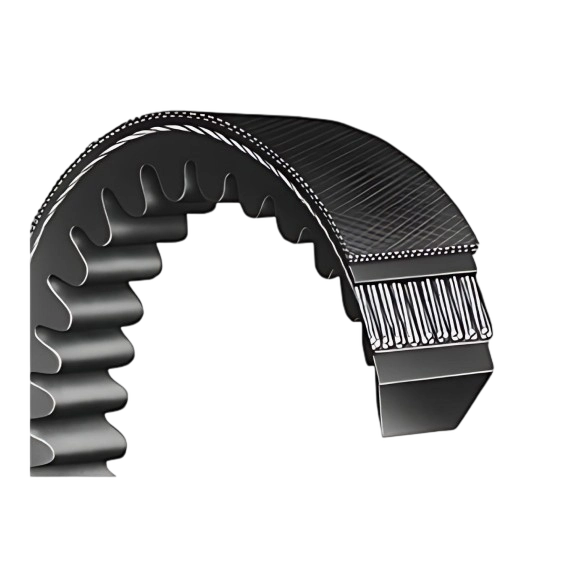
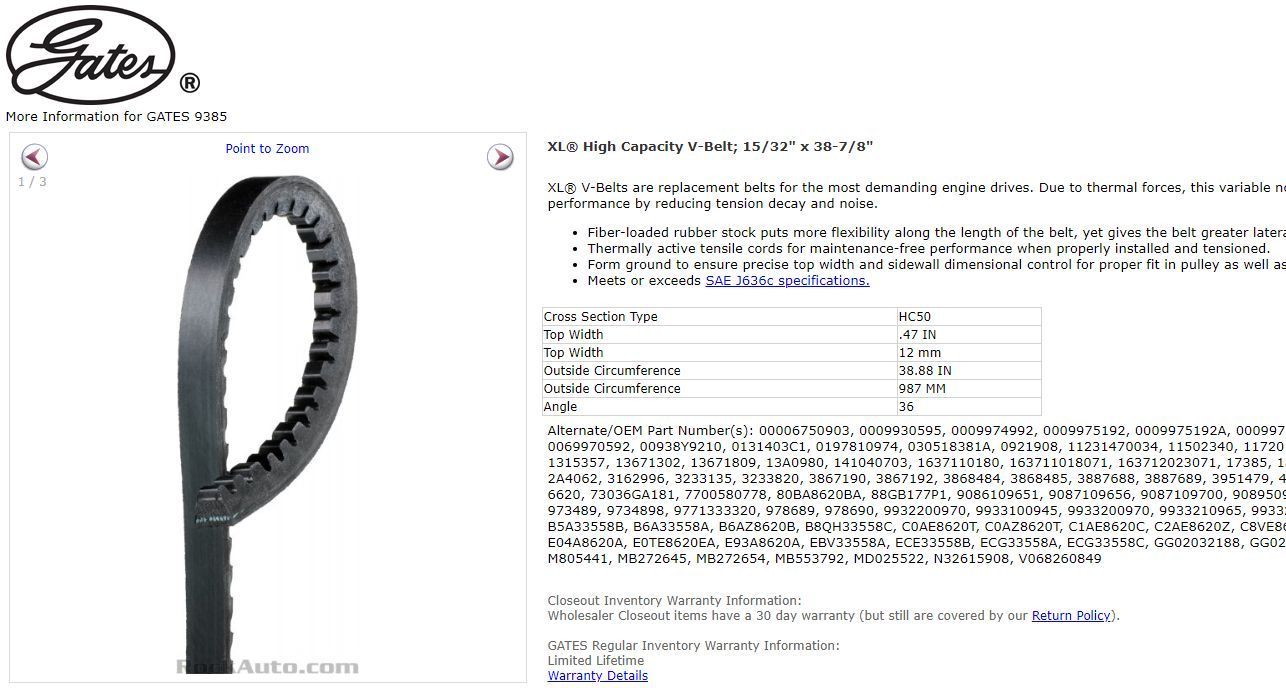
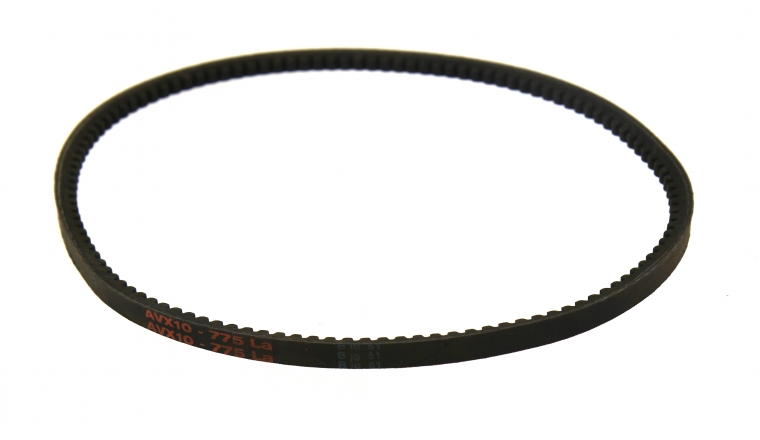
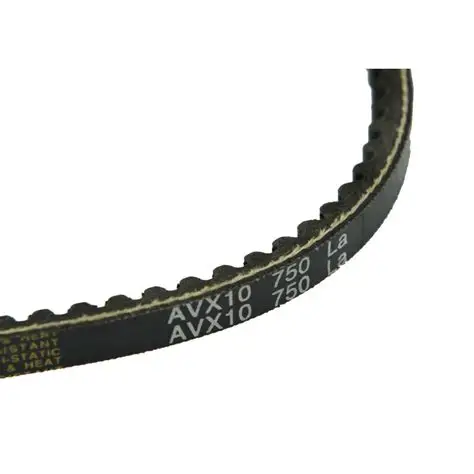
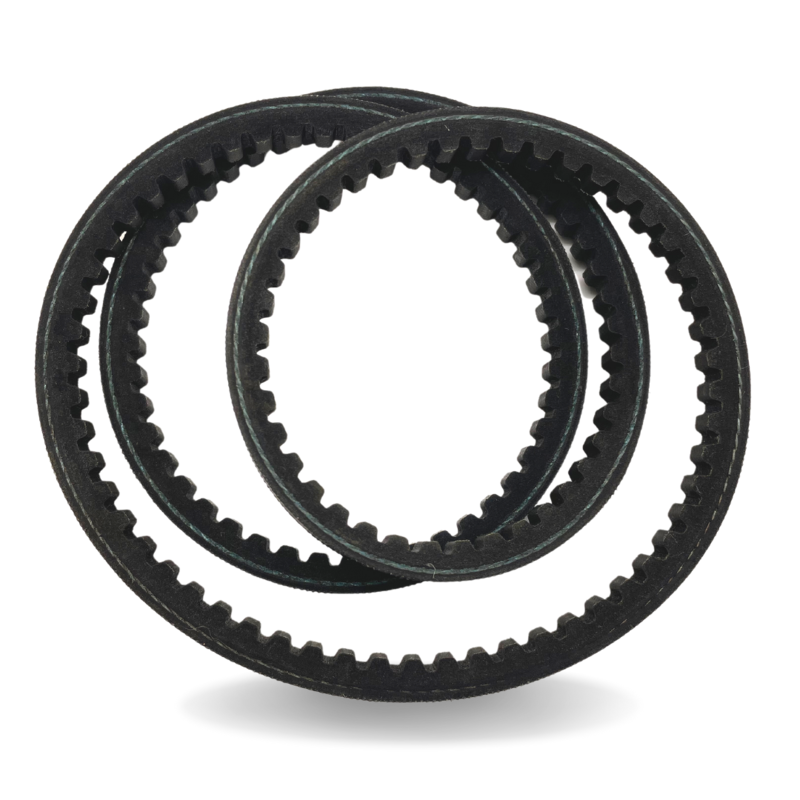
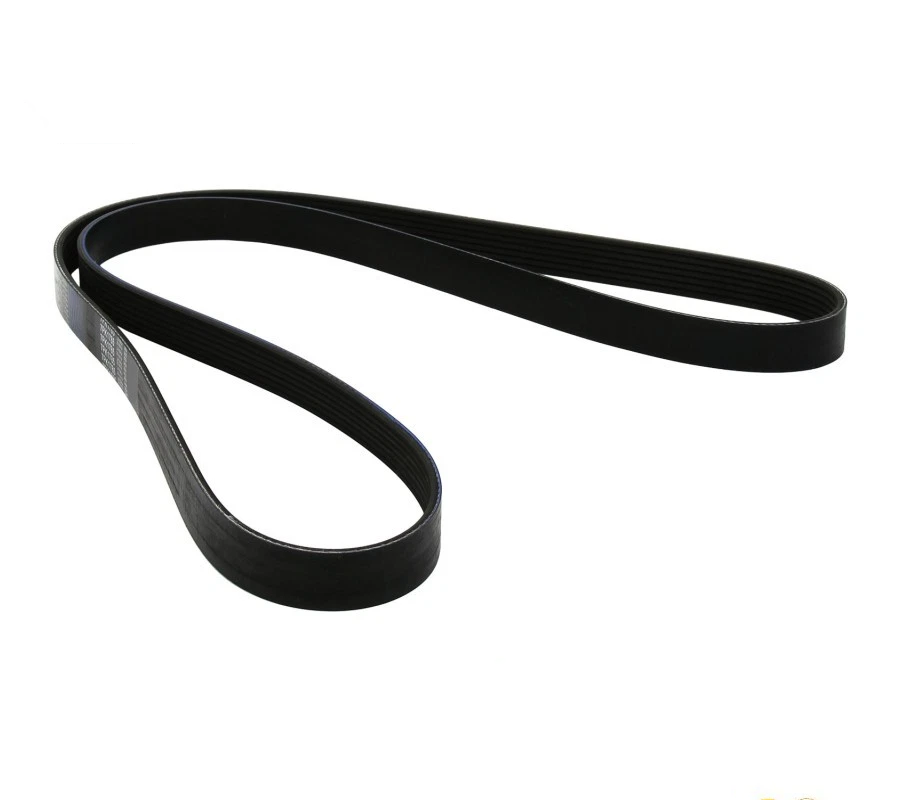
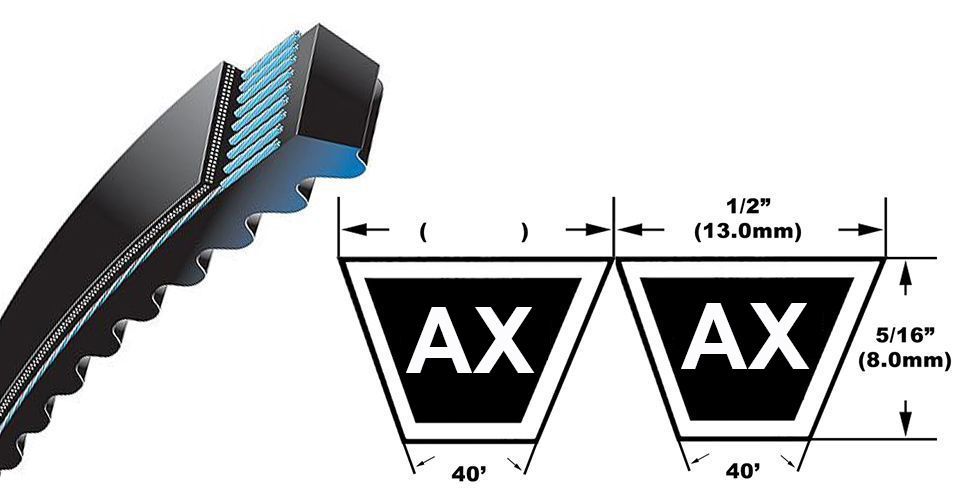
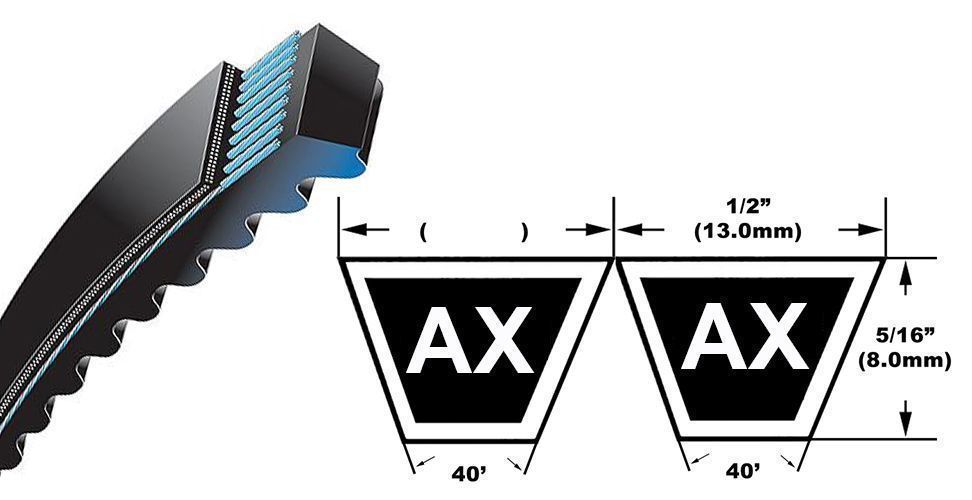
A cogged V-belt, also known as a raw-edge or notched V-belt, is a type of power transmission belt with precisely engineered notches, or cogs, molded into its underside. These cogs are not for timing; instead, their primary purpose is to increase the belt's longitudinal flexibility and increase its surface area. This design allows the belt to bend more easily around smaller diameter pulleys and dissipate heat more effectively than a standard "wrapped" V-belt, resulting in higher efficiency and a longer service life.
Advantages of a Cogged V-Belt
Enhanced Flexibility
The cogs allow the belt to wrap around smaller pulleys with less internal stress, reducing heat buildup and material fatigue.
Superior Heat Dissipation
The increased surface area and air turbulence created by the notches allow the belt to run significantly cooler, which is a key factor in extending its life.
Increased Power Efficiency
Less bending resistance means less energy is wasted, allowing more of the engine's or motor's power to be transmitted to the driven component.
Longer Service Life
By running cooler and with less stress, cogged belts are less prone to cracking and degradation, often outlasting standard wrapped belts.
Symptoms of a Failing Cogged V-Belt
A worn V-belt can cause decreased performance, component damage, and unexpected equipment downtime. Regular visual inspection is crucial for preventative maintenance.
Loud Squealing or Chirping
This is the most common sign of a slipping belt, caused by improper tension, wear on the belt's sidewalls, or contamination.
Visible Cracks and Damage
Inspect for cracks at the base of the cogs, frayed cords, glazing (shiny, hardened sidewalls), or pieces of rubber missing.
Belt Vibration or Slapping
An unevenly worn or damaged belt can vibrate excessively or slap against guards, indicating an impending failure.
Reduced Component Performance
If a water pump, fan, or alternator is not running at full speed, it's a sign the belt is slipping and not transferring power effectively.
Best Practices for Maintenance
Maintain Proper Tension
This is the single most important factor for belt life. Too loose and it slips; too tight and it damages bearings. Use a tension gauge for accuracy.
Ensure Pulley Alignment
Misaligned pulleys (sheaves) will cause rapid, uneven wear on the belt's sidewalls. Use a straightedge or laser alignment tool.
Keep Belts and Pulleys Clean
Prevent contamination from oil, grease, or chemicals, which can degrade the rubber and cause slippage. Clean pulley grooves during belt changes.
Cogged V-Belt vs. Timing Belt
What is a Timing Belt?
A timing belt is a synchronous belt with precisely molded teeth that mesh with toothed sprockets. Its job is not to transmit power through friction but to maintain the exact timing between an engine's crankshaft and camshafts. Slippage is not possible and would result in catastrophic engine damage.
| Attribute | Cogged V-Belt | Timing Belt |
|---|---|---|
| Function | Power Transmission (Friction) | Synchronization (Positive Fit) |
| Profile | Cogs/Notches for flexibility | Teeth for meshing |
| Pulleys | V-grooved pulleys | Toothed sprockets |
| Slippage | Possible under high load | Not possible; would destroy engine |
A Cogged V-Belt grips the pulley like a tire on the road, while a Timing Belt engages like a gear in a transmission.