


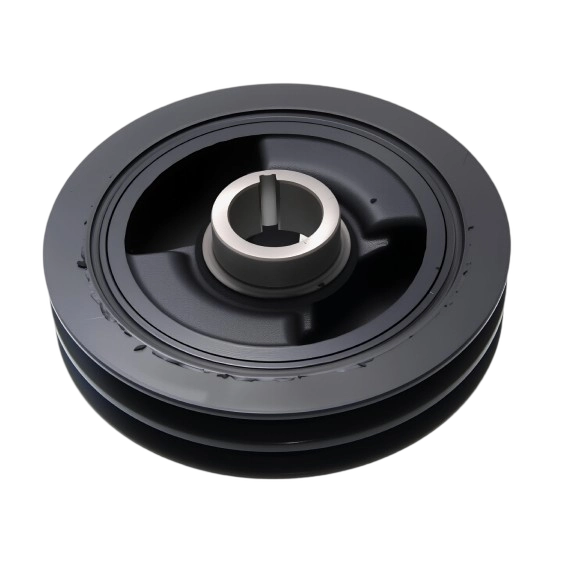


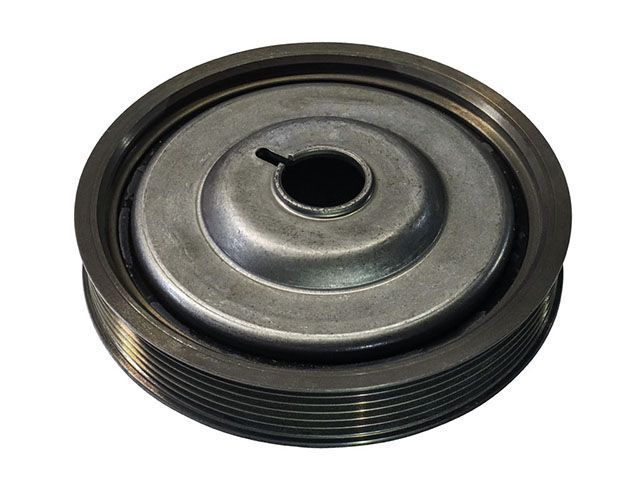

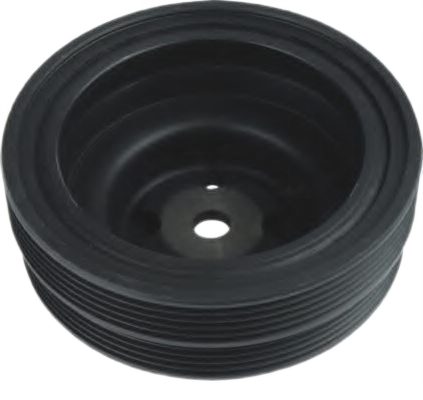
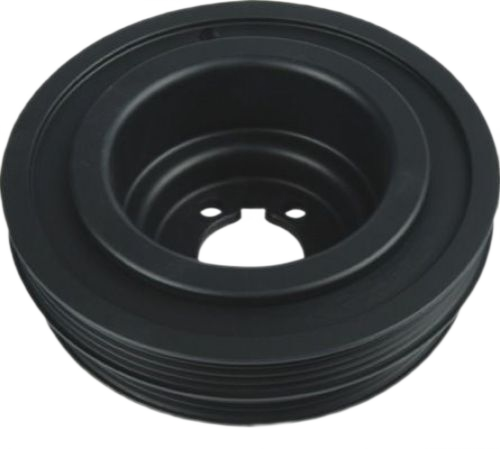
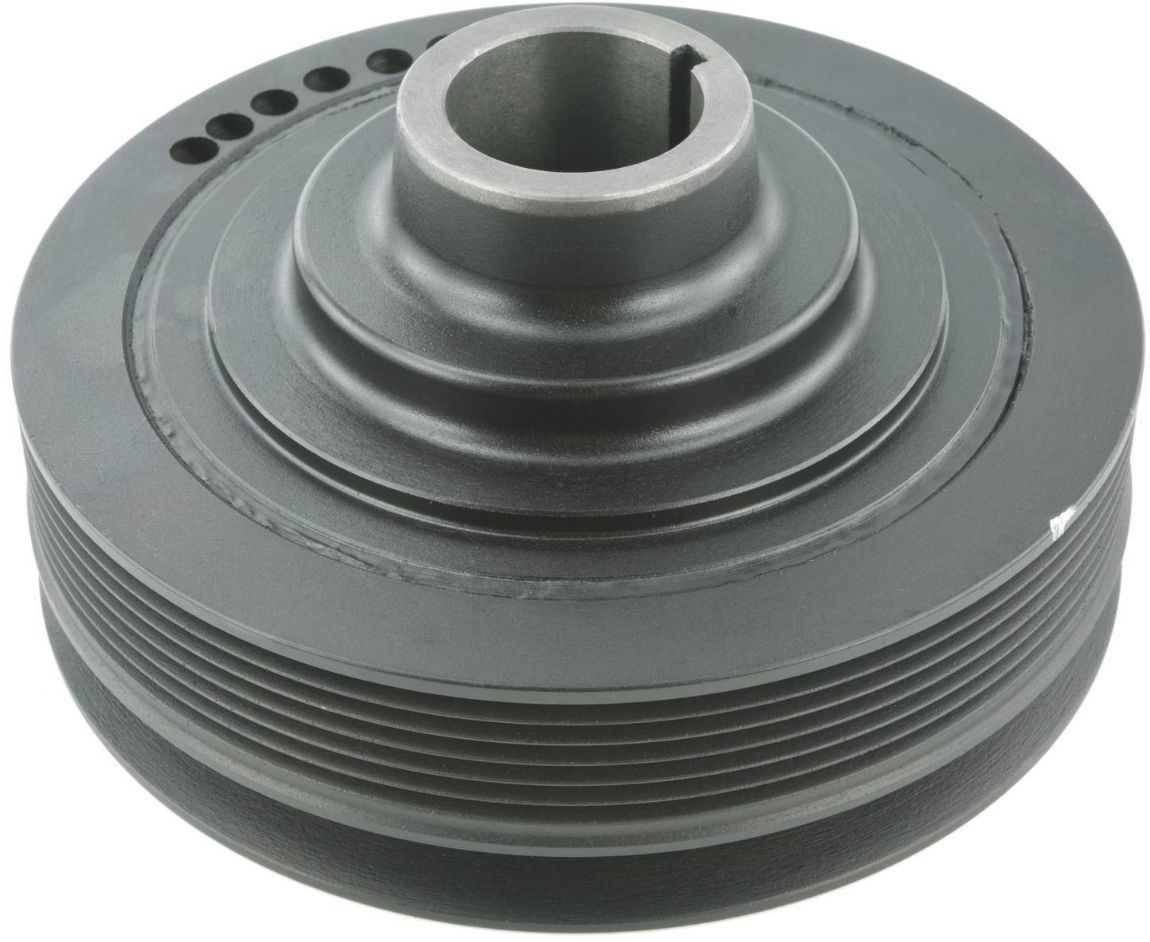

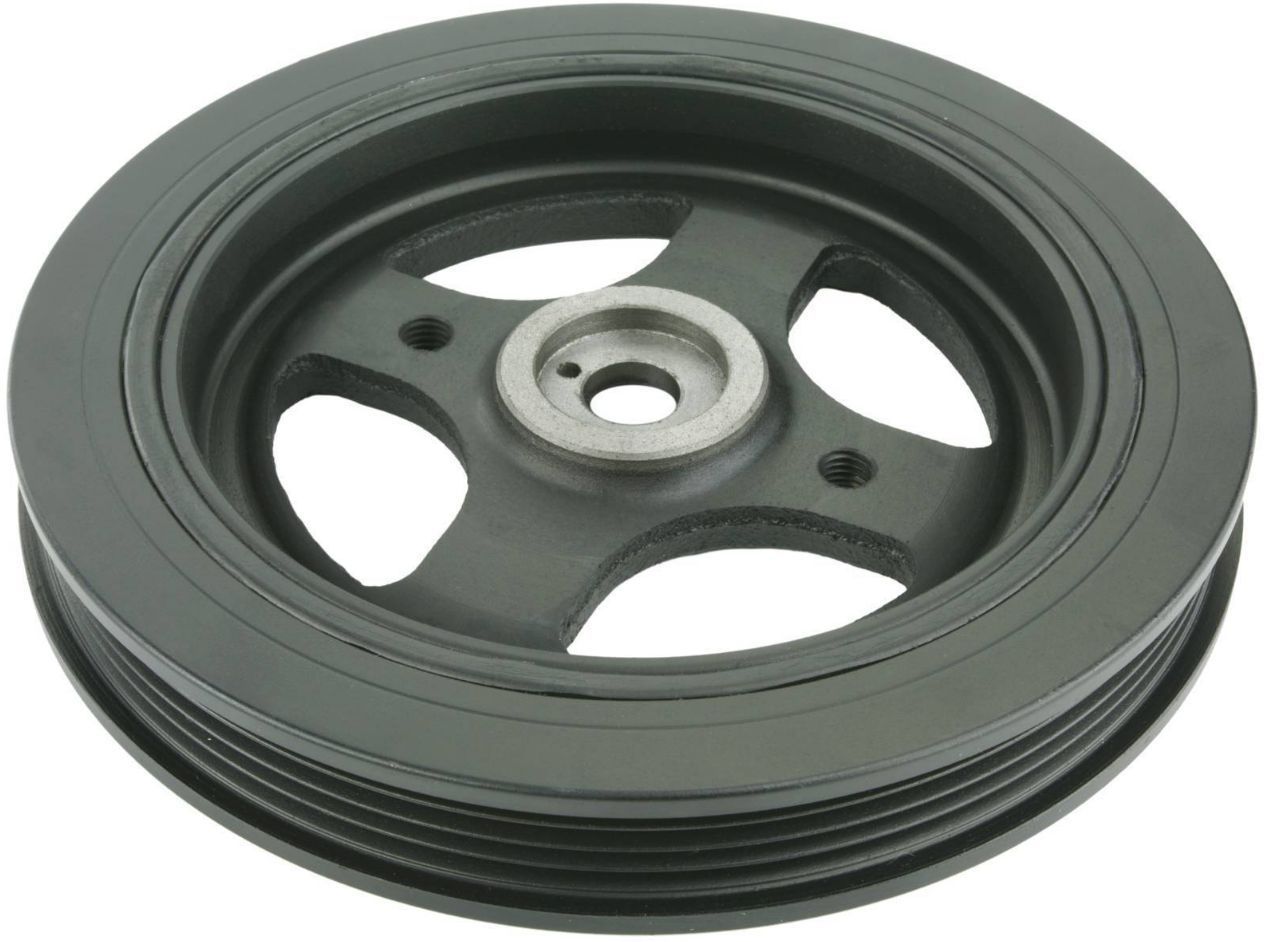

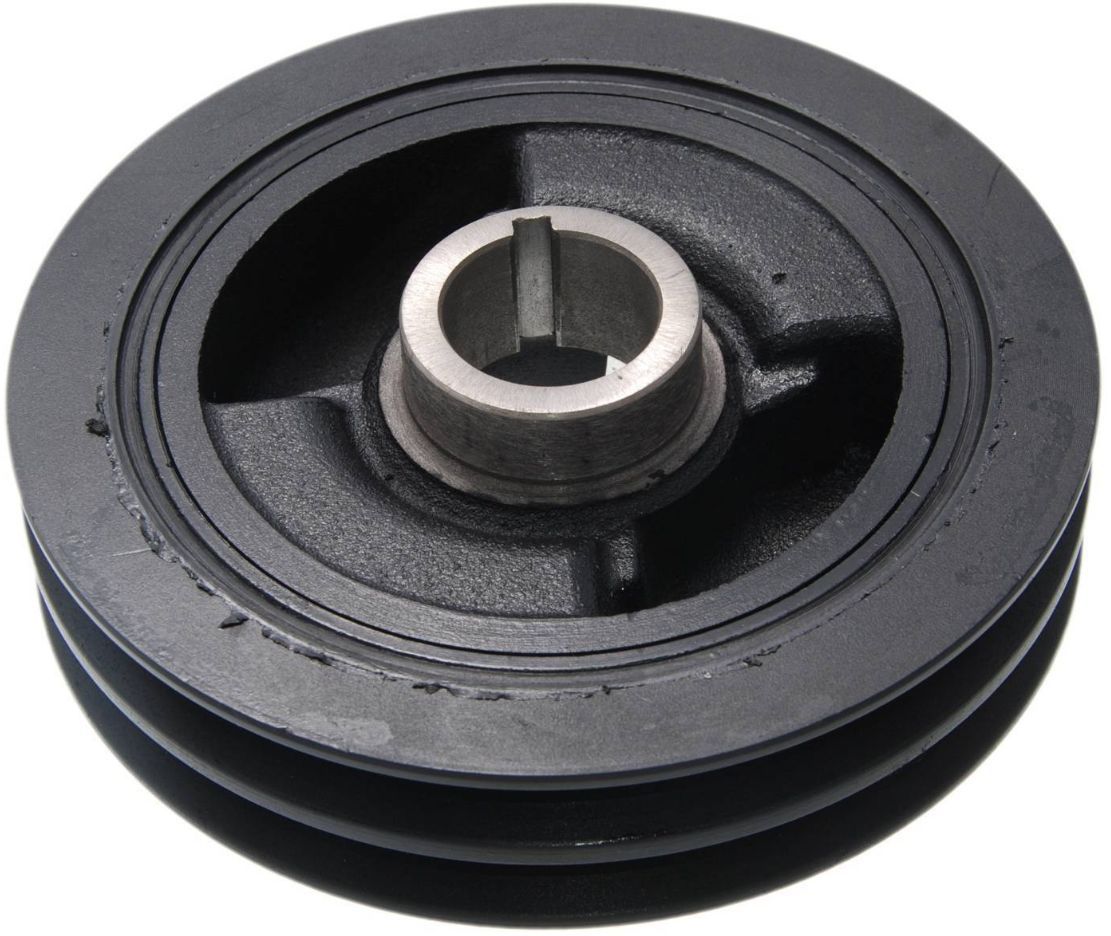
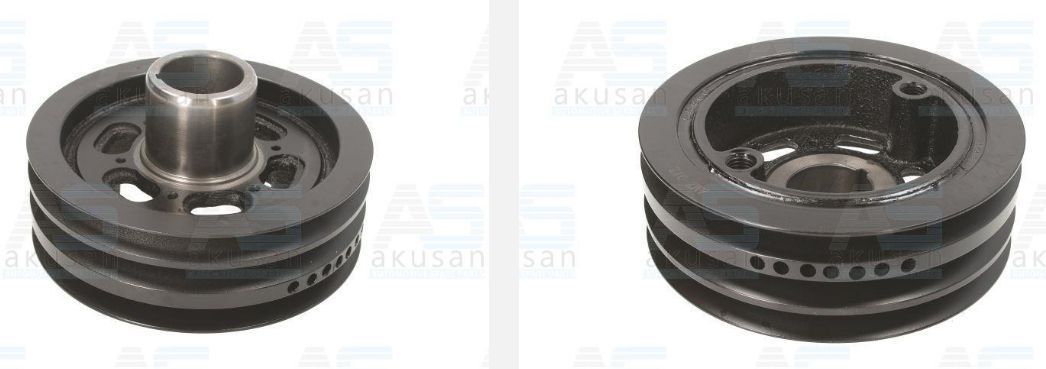
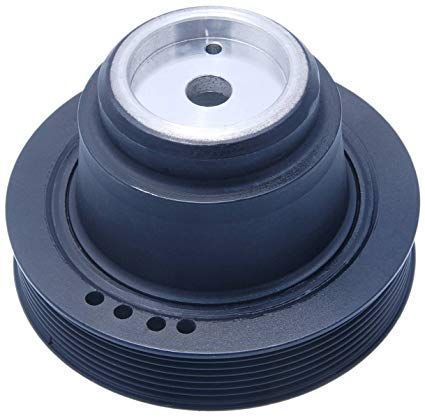
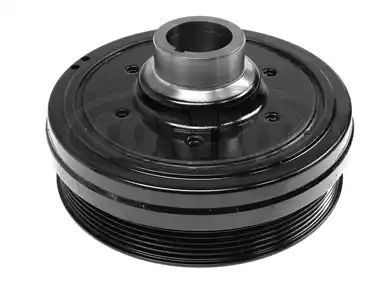
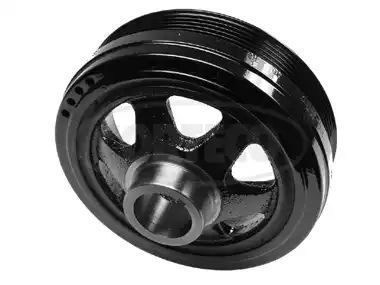
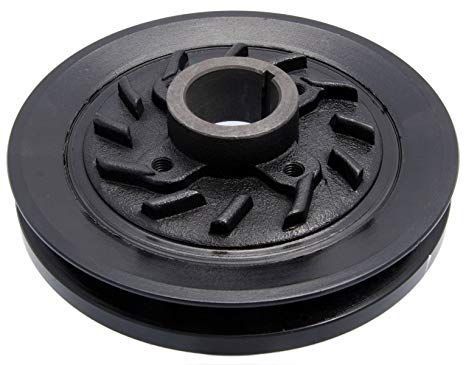

The crankshaft pulley, often called a harmonic balancer, is a critical component bolted to the front of an engine's crankshaft. It serves a vital dual purpose: first, it acts as the primary drive pulley for the accessory belts (serpentine or V-belts), powering the alternator, power steering pump, and A/C compressor. Second, and more importantly, it dampens harmful torsional vibrations generated by the engine's combustion cycles, protecting the crankshaft and other internal components from premature wear and failure.
Functions of a Crankshaft Pulley
Drive Accessory Systems
It transfers the engine's rotational force via belts to power all front-end accessories vital for vehicle operation.
Dampen Torsional Vibrations
As a harmonic balancer, its rubber element absorbs and counteracts the twisting forces on the crankshaft, ensuring smooth operation and engine longevity.
Provide Engine Timing Reference
The pulley typically features marks or notches that align with a pointer on the engine block, used for setting ignition and valve timing.
Inertial Mass
Its weight contributes to the rotating mass of the engine, helping to smooth out power delivery between combustion events.
Symptoms of a Failing Crankshaft Pulley
A failing harmonic balancer is a serious issue. If the outer ring separates, it can cause a complete loss of power to all accessories and become a dangerous projectile in the engine bay.
Increased Engine Vibration
A noticeable increase in engine vibration felt in the cabin, especially at idle, indicates the rubber damping element has failed.
Wobbling Pulley
A visible wobble of the crankshaft pulley while the engine is running is a clear sign that the inner hub and outer ring are separating.
Accessory Drive Problems
A failing pulley can cause belts to squeal, slip, or be thrown off, leading to loss of power steering, A/C, and charging.
Visible Damage to the Damper
Check the rubber ring between the hub and pulley for cracks, bulging, or chunks of missing material.
Incorrect Timing Marks
If the outer ring has slipped relative to the inner hub, the timing mark will be in the wrong position, causing confusion during diagnostics.
Best Practices for Installation
Use Correct Tools
Always use a dedicated harmonic balancer puller and installer kit. Using a standard jaw puller can damage the pulley.
Replace the Crankshaft Seal
This is a "while-you're-in-there" job. Replace the front main seal to prevent future oil leaks that could contaminate the belts.
Adhere to Torque Specifications
The center bolt is critical. Many are single-use (torque-to-yield) and must be replaced and tightened precisely to manufacturer specs.
Crankshaft Pulley vs. Alternator Pulley
What is an Alternator Pulley?
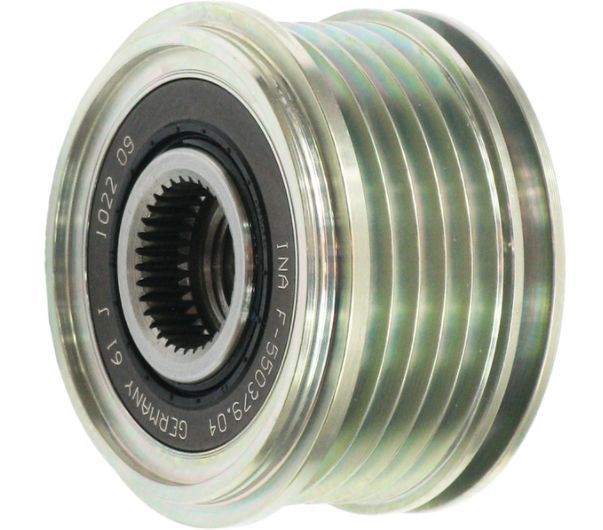
An alternator pulley is a smaller "driven" pulley mounted on the alternator shaft. Its sole purpose is to receive power from the belt to spin the alternator's rotor, generating electricity. Some advanced types have one-way clutches or dampers built in.
| Attribute | Crankshaft Pulley | Alternator Pulley |
|---|---|---|
| Role in System | Drive Pulley (Power Source) | Driven Pulley (Power Receiver) |
| Primary Function | Power accessories & dampen vibes | Spin the alternator rotor |
| Size | Larger Diameter | Smaller Diameter |
| Location | End of engine crankshaft | Front of alternator |
The crankshaft pulley is the main engine of a train, providing all the power, while the alternator pulley is one of the powered cars.