


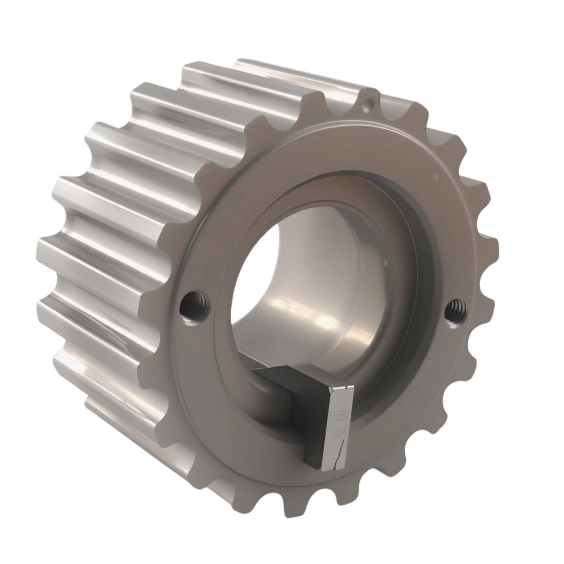
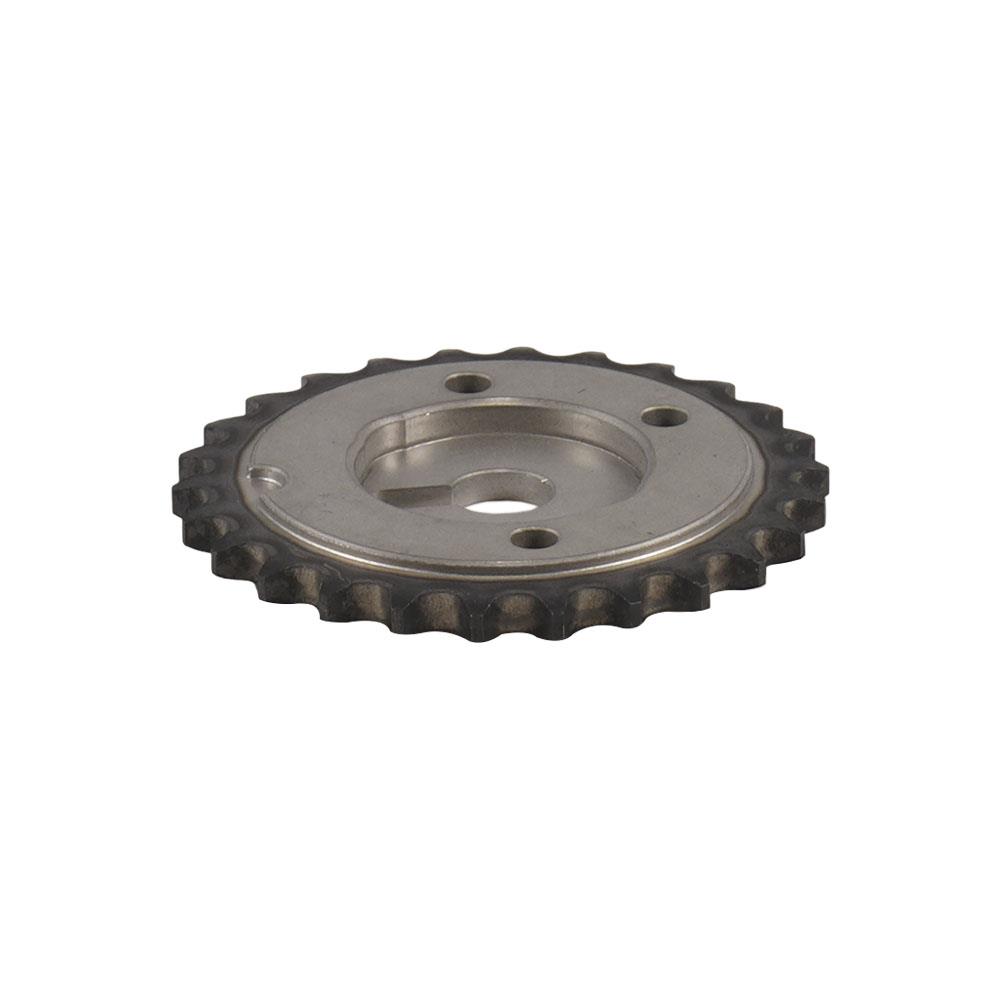
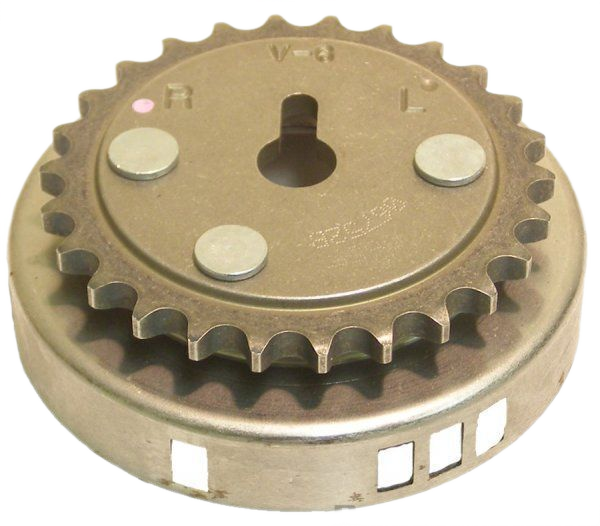
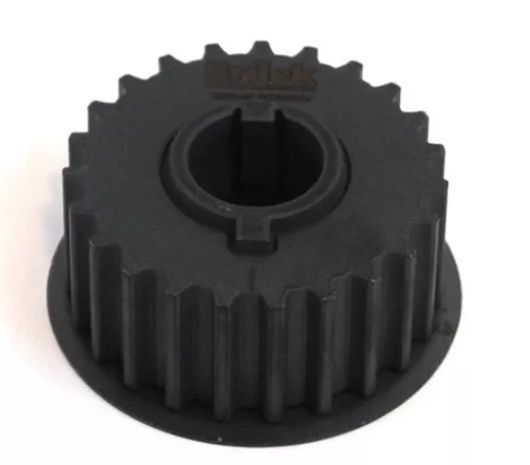
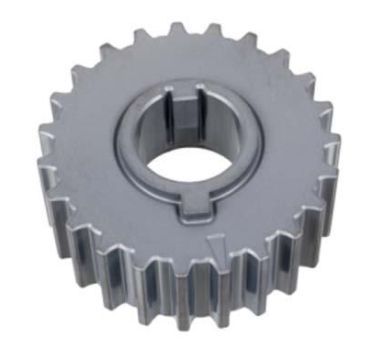
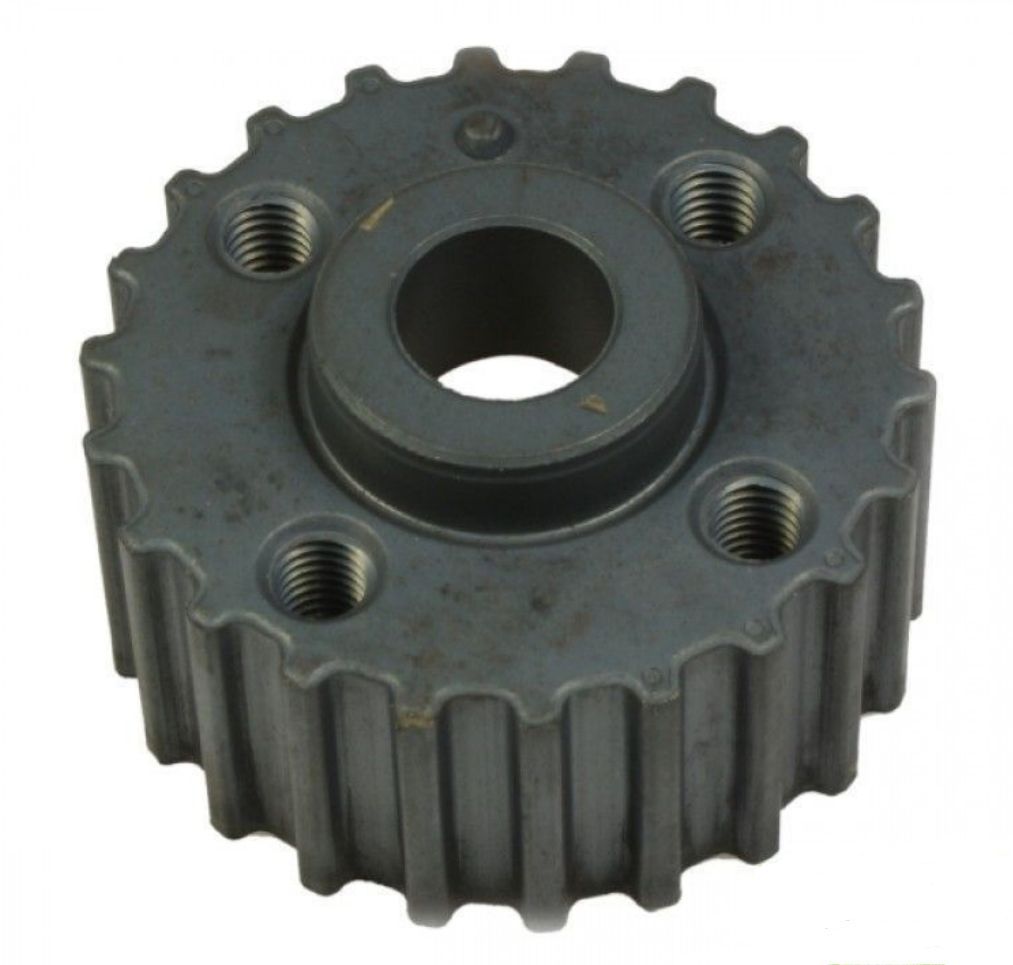
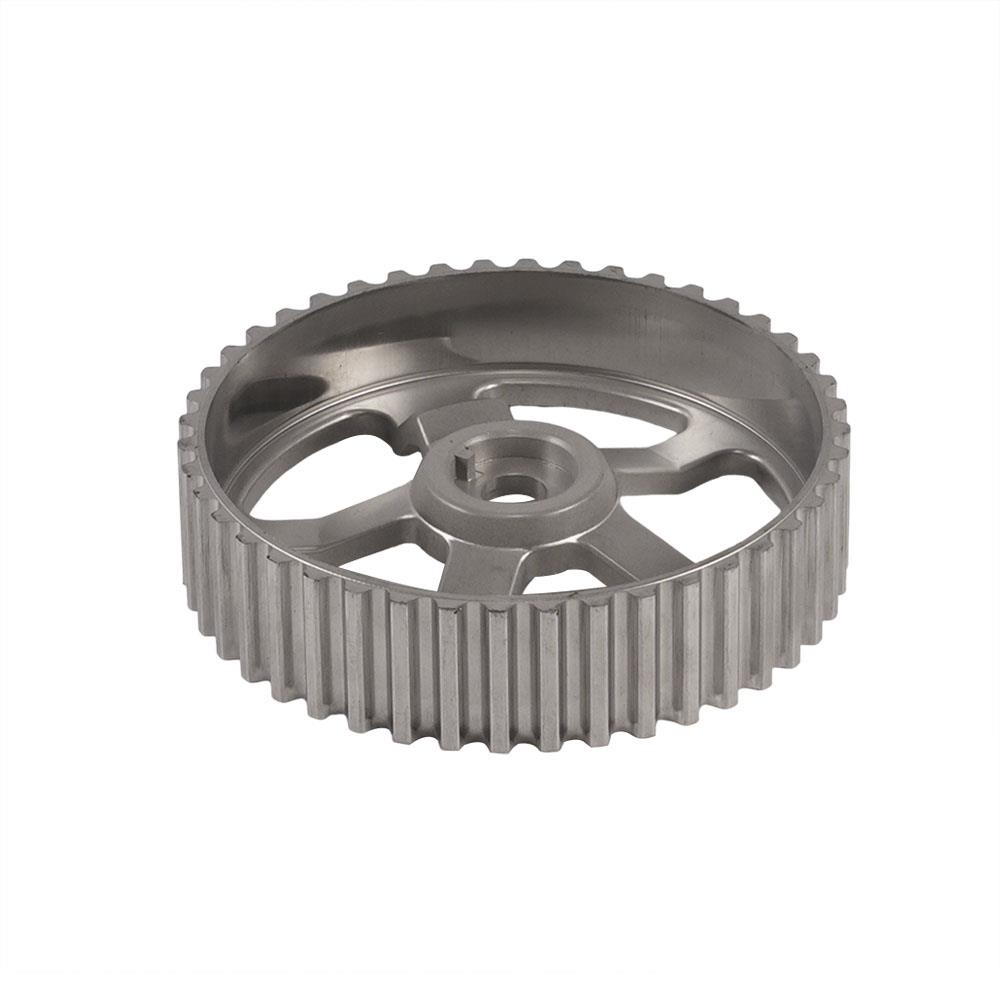
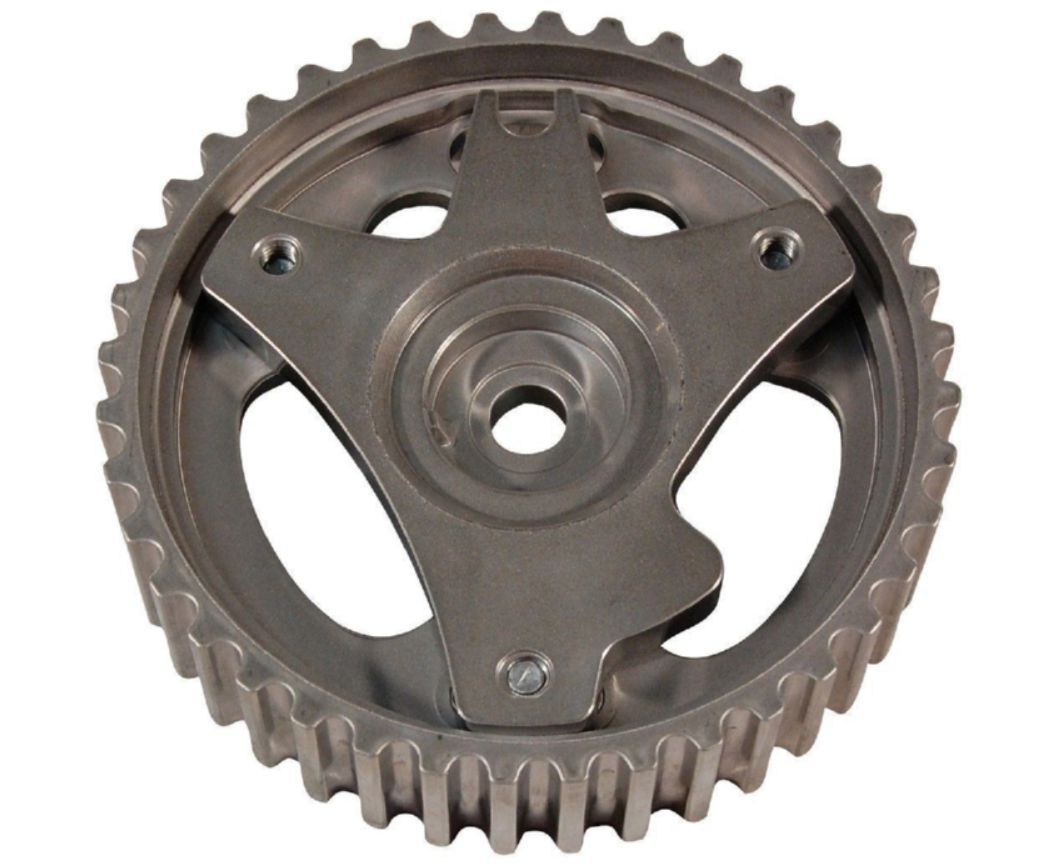
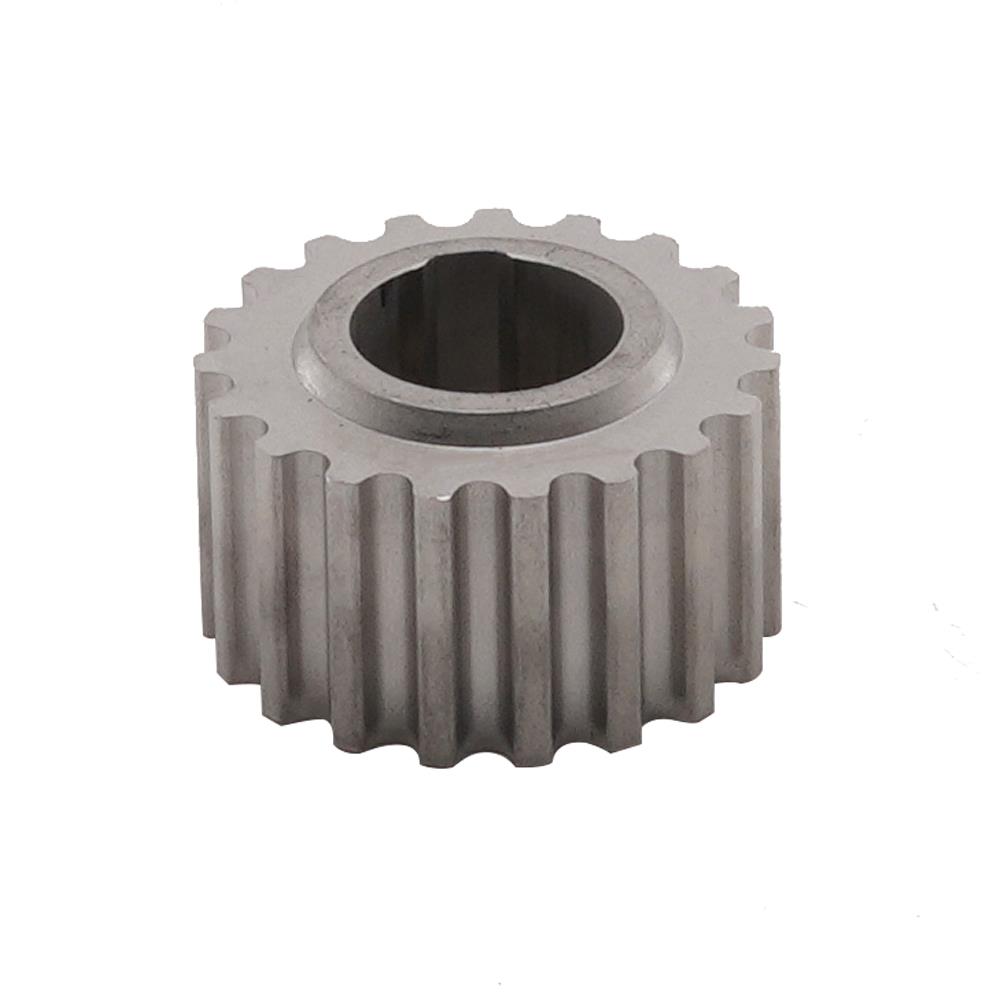
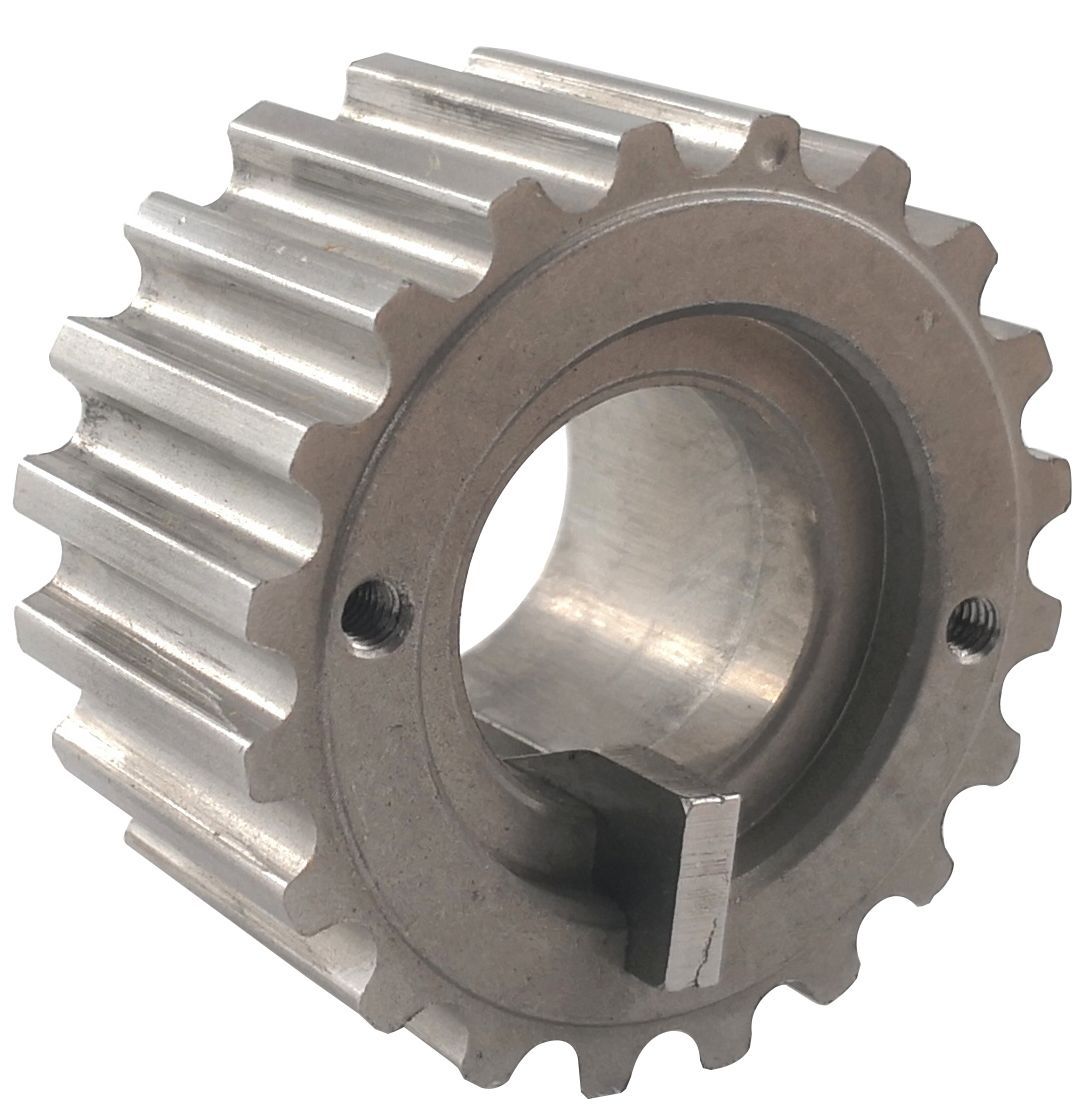
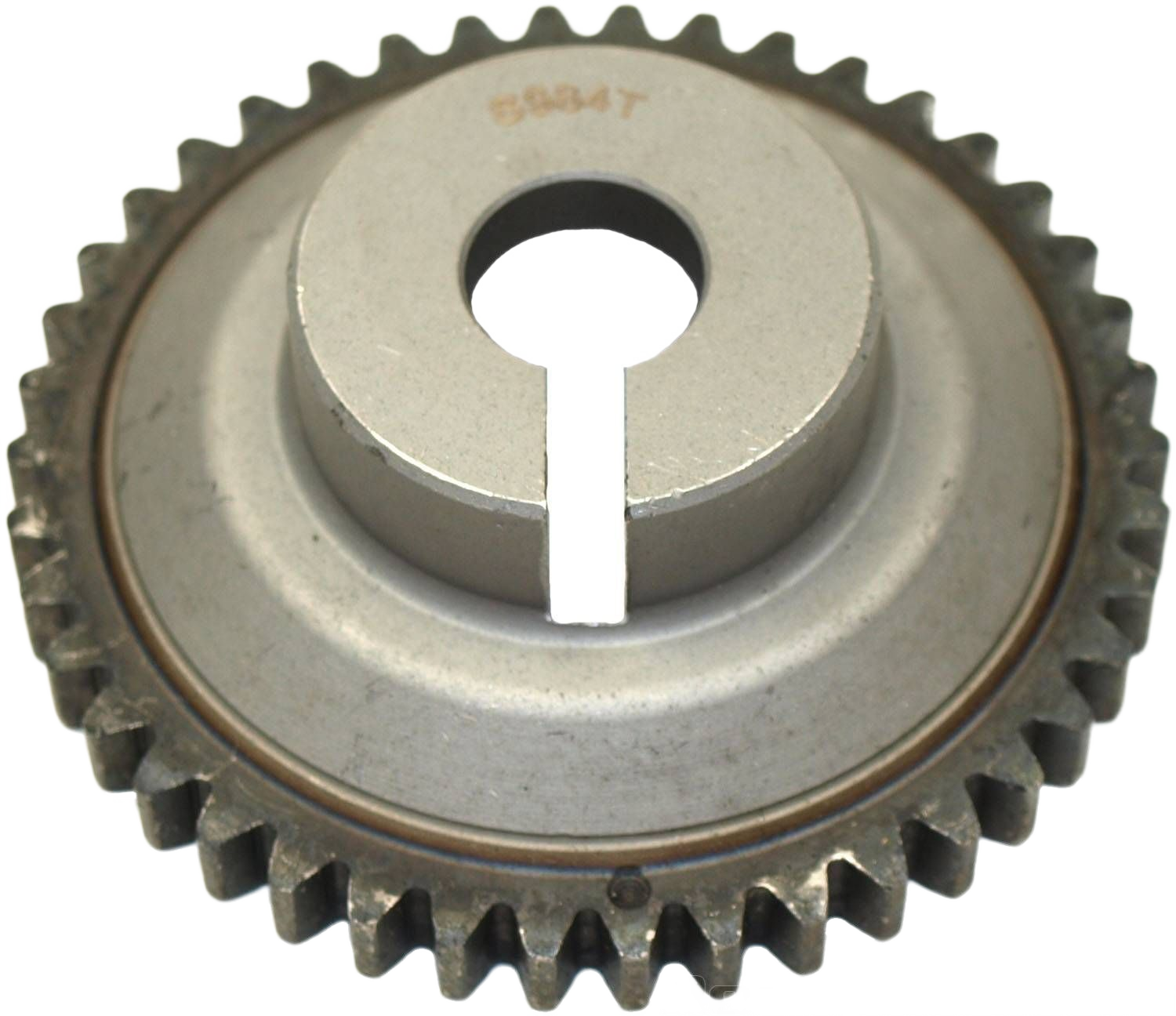
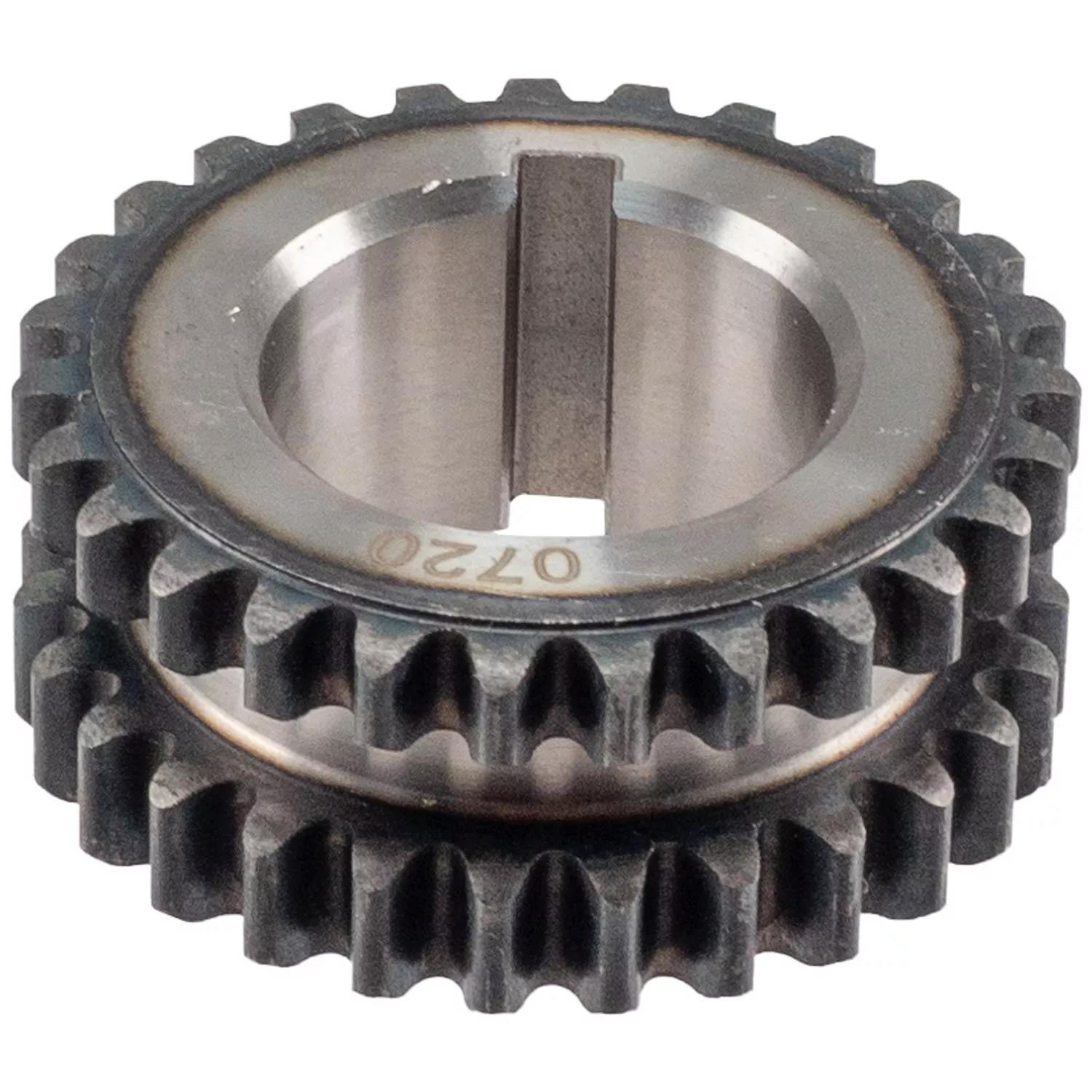
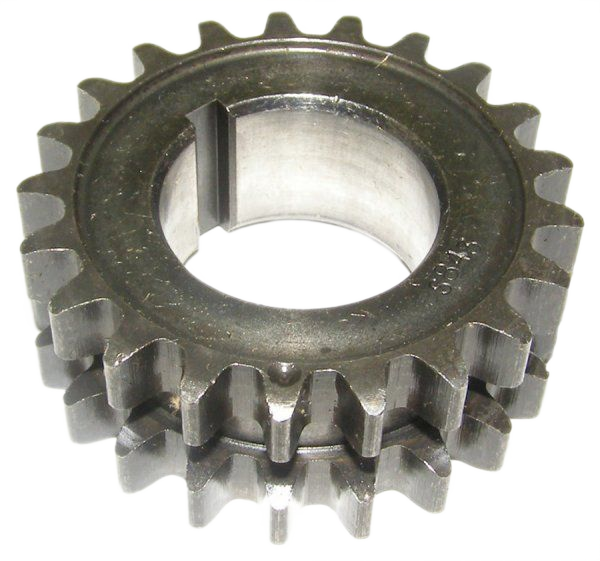
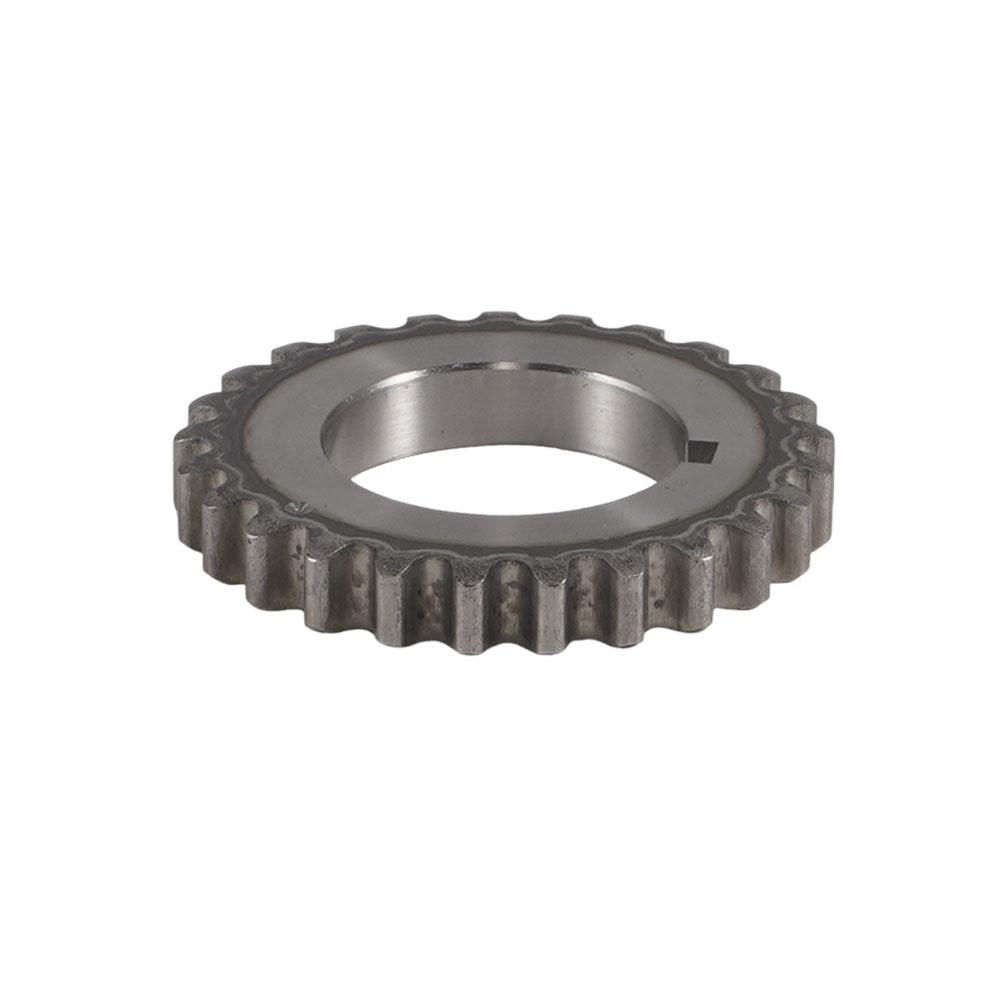
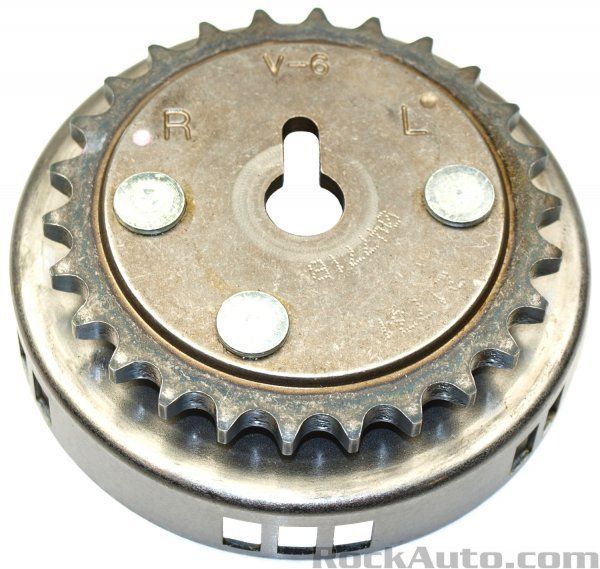
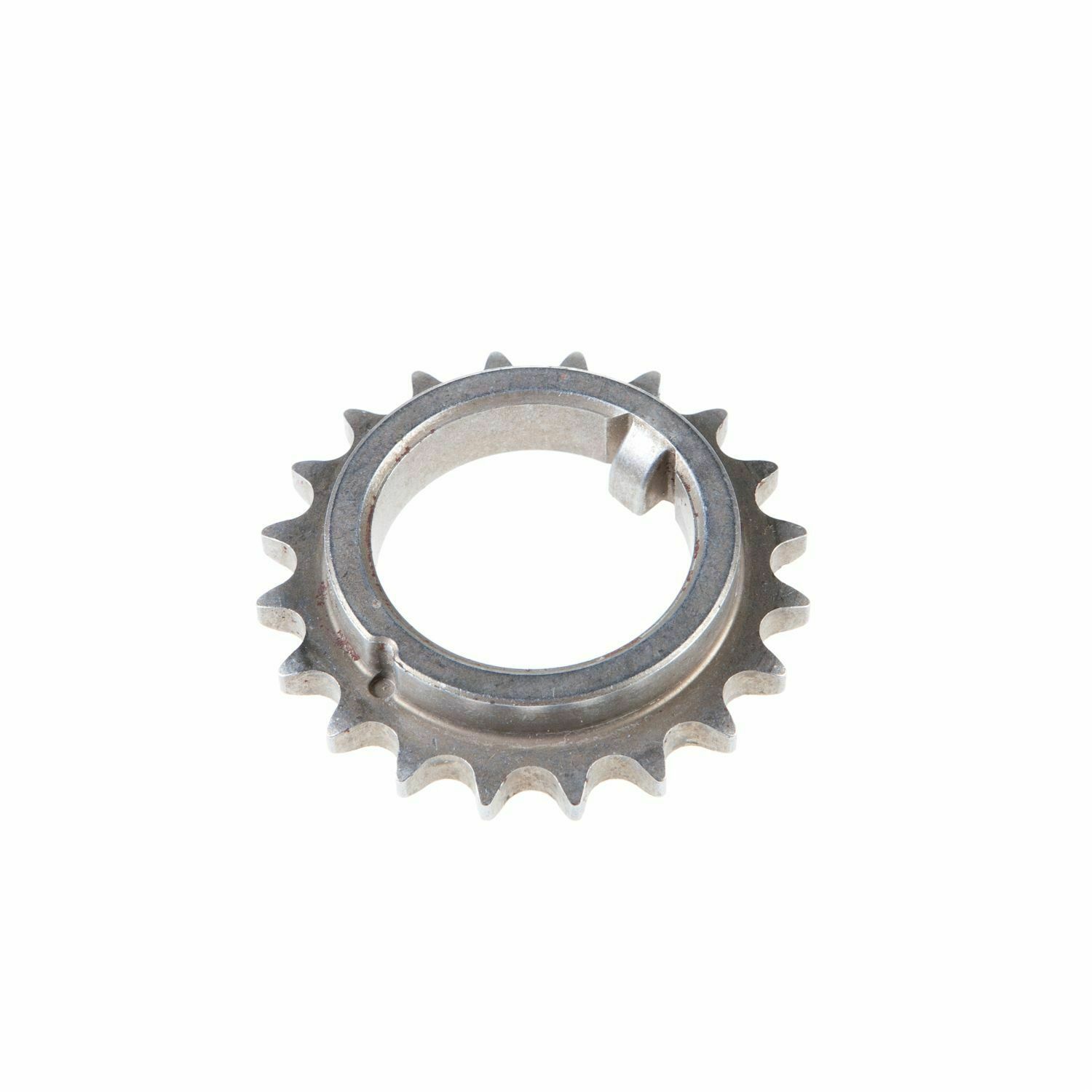
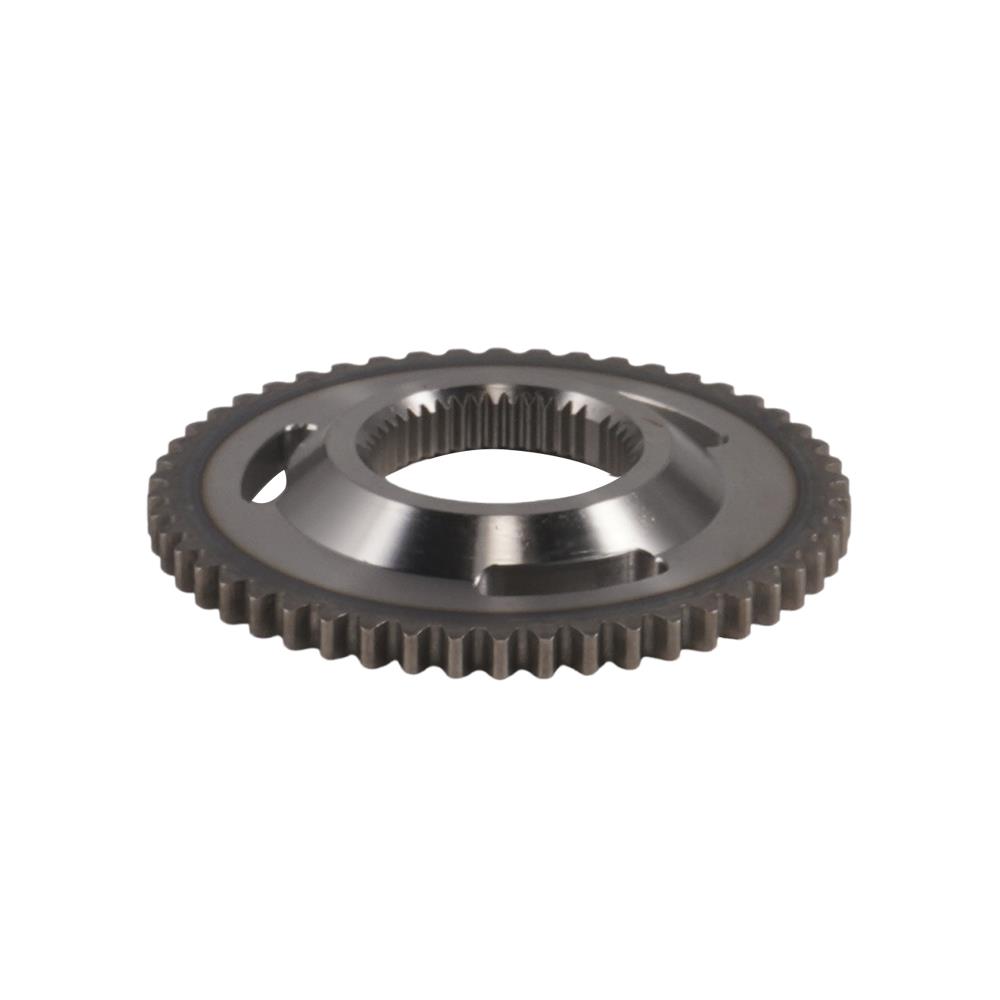
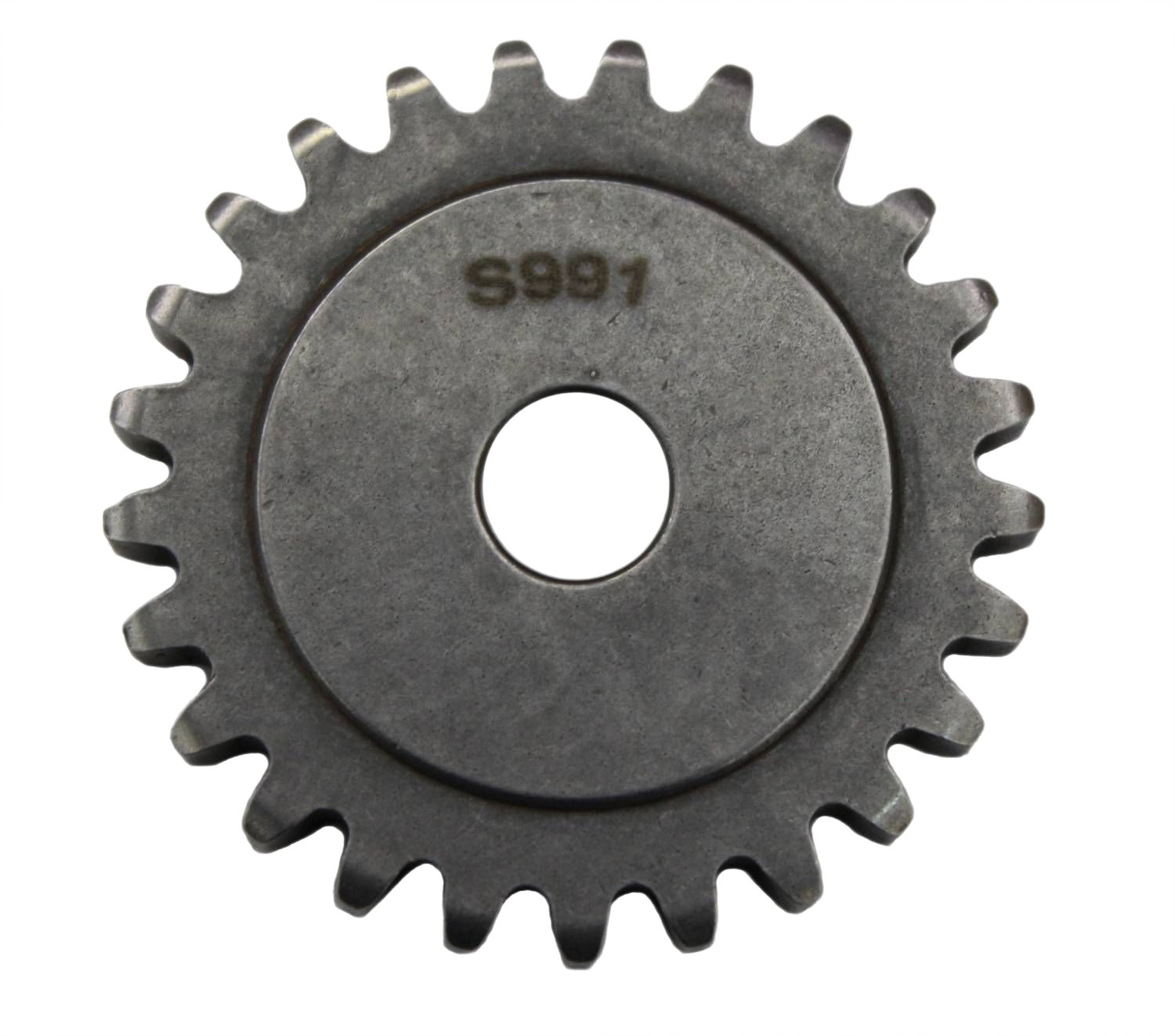
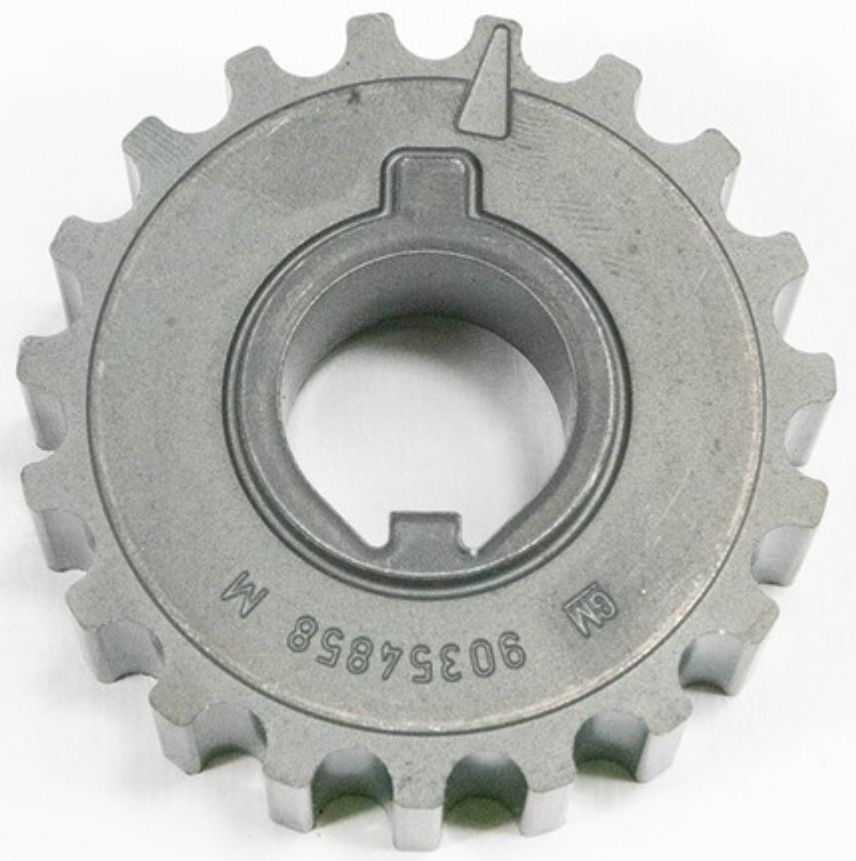
The crankshaft timing gear, also called a timing sprocket or pulley, is a toothed gear keyed directly to the nose of the engine's crankshaft. It is the master gear in the engine's timing system. Its fundamental role is to drive the timing belt or timing chain, which in turn rotates the camshaft(s) at exactly half the speed of the crankshaft. This ensures the engine's valves open and close in perfect synchronization with the pistons' movements, which is absolutely essential for engine operation.
Functions of a Crankshaft Timing Gear
Establish Base Timing
As the primary drive sprocket, it sets the timing for the entire valve train, acting as the engine's master clock.
Drive the Timing Belt or Chain
Its teeth positively engage with the timing belt or chain, transferring the crankshaft's rotation to the camshaft(s) without slippage.
Ensure Piston-Valve Synchronization
It guarantees that valves open to let in the air-fuel mixture and close for combustion at the exact right moment relative to piston travel.
Provide Crankshaft Position Signal
Many modern gears incorporate a reluctor wheel with teeth or notches that a sensor reads to inform the ECU of the crankshaft's exact position and speed.
Symptoms of a Failing Timing Gear
While far more durable than a belt or chain, a failing crankshaft gear is a critical emergency. Its failure will lead to a complete loss of engine timing and, in most cases, catastrophic engine damage.
Catastrophic Engine Failure
Worn or broken teeth can cause the timing belt/chain to skip or break, throwing timing off and causing pistons to collide with valves.
Engine Will Not Start
If the woodruff key that locks the gear to the crankshaft shears, the gear will stop spinning, halting the entire valvetrain. The engine will crank but not start.
Rattling or Grinding Noises
A pronounced rattling from the timing cover area can indicate worn gear teeth failing to mesh correctly with the chain or belt.
Poor Engine Performance
A worn keyway can allow the gear to shift slightly on the crankshaft, retarding or advancing the timing and causing rough idle, misfires, and lack of power.
Best Practices for Installation
Replace During Timing Service
It is best practice to replace the crankshaft gear (and camshaft gears) every time a timing belt or chain service is performed.
Inspect Crankshaft Key and Keyway
Before installing a new gear, carefully inspect the crankshaft nose and woodruff key for any signs of wear, shearing, or damage.
Use a New Crankshaft Bolt
The bolt securing the harmonic balancer also holds the timing gear in place. Most are single-use and must be replaced and torqued to spec.
Crankshaft Timing Gear vs. Crankshaft Pulley
What is a Crankshaft Pulley (Harmonic Balancer)?
The crankshaft pulley is the larger, outermost pulley that drives the accessory belts (serpentine/V-belts). It often incorporates a rubber harmonic balancer to dampen engine vibrations. It sits in front of the timing gear.
| Attribute | Crankshaft Timing Gear | Crankshaft Pulley |
|---|---|---|
| Function | Drives timing components | Drives accessory components |
| Interface | Toothed (for belt/chain) | Grooved (for V/serpentine belt) |
| Location | Inside timing cover, innermost | Outside timing cover, outermost |
| Secondary Role | Crank position sensing | Vibration damping |
The Timing Gear is a precision watch gear for the engine's internals; the Crankshaft Pulley is the main power take-off for its external systems.