


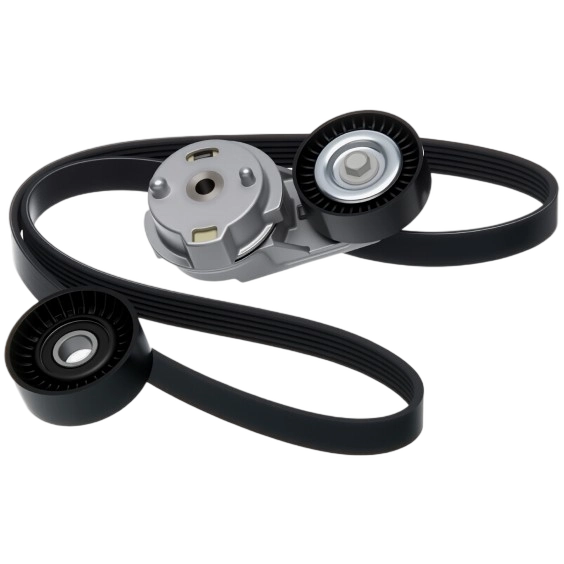


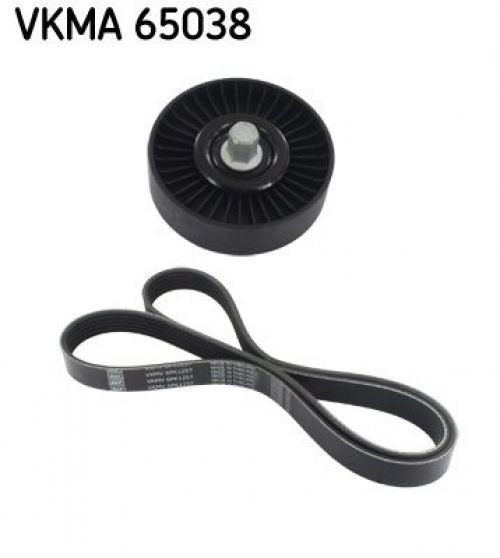
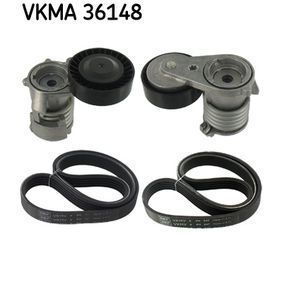
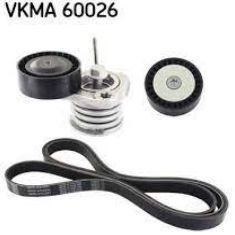
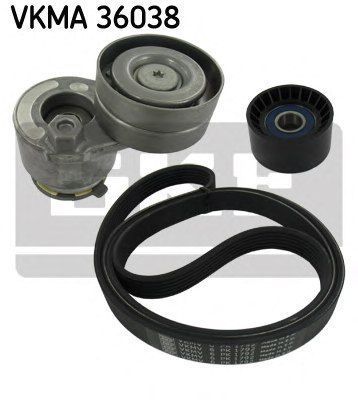
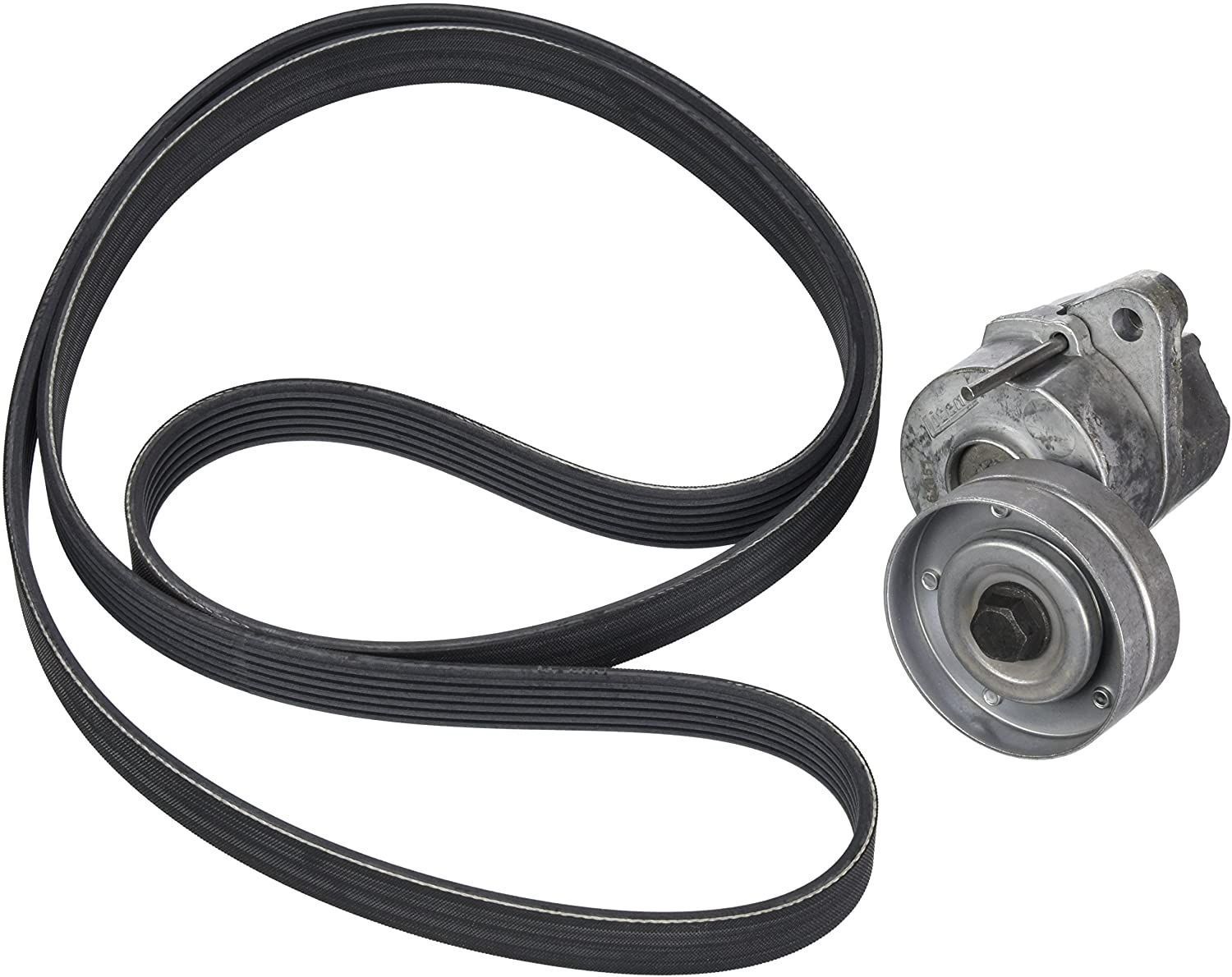
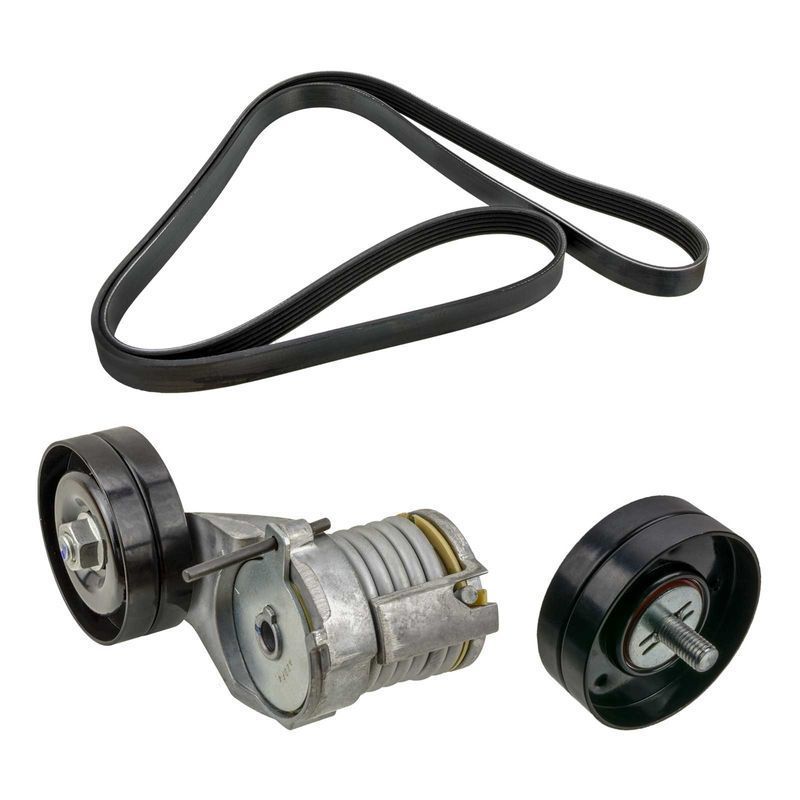
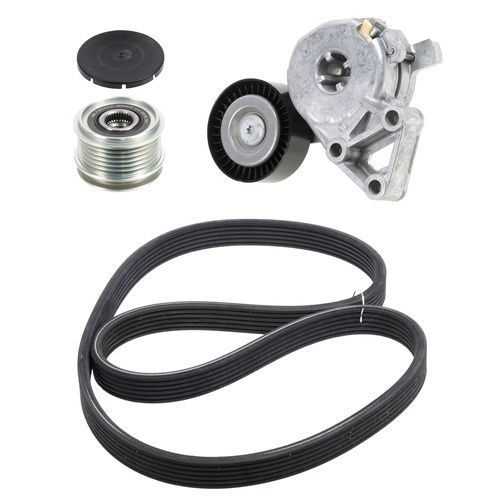

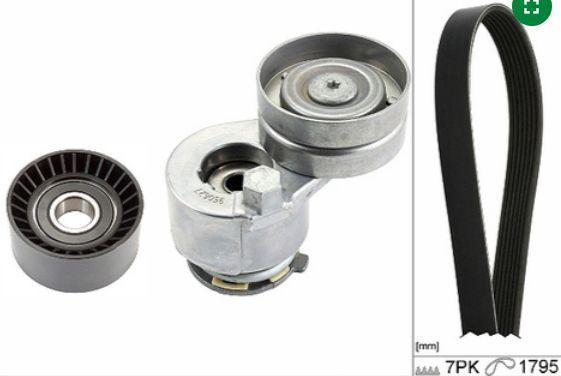
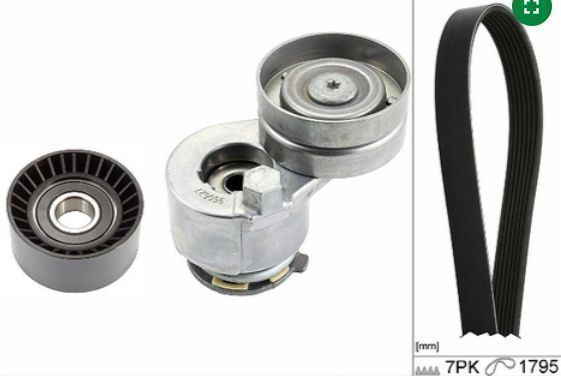
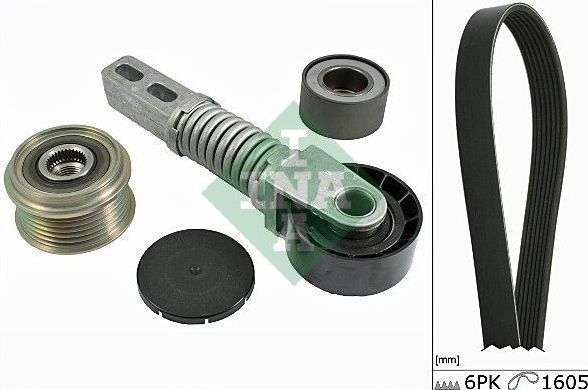
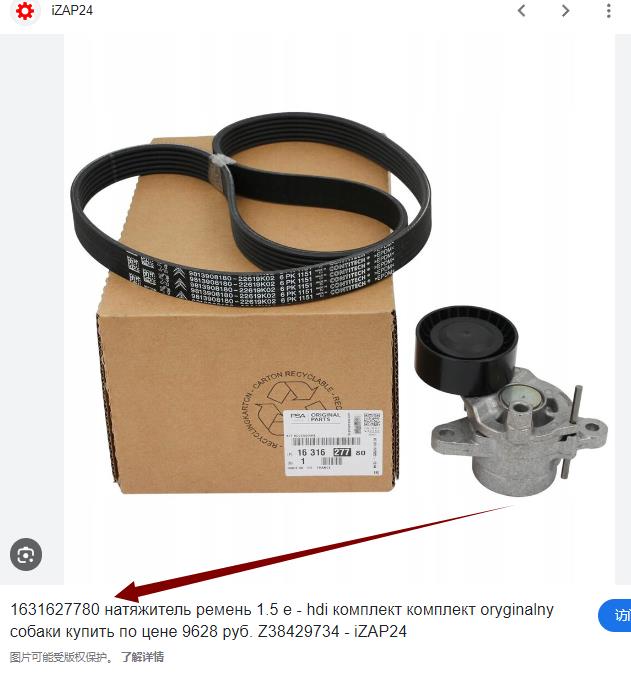
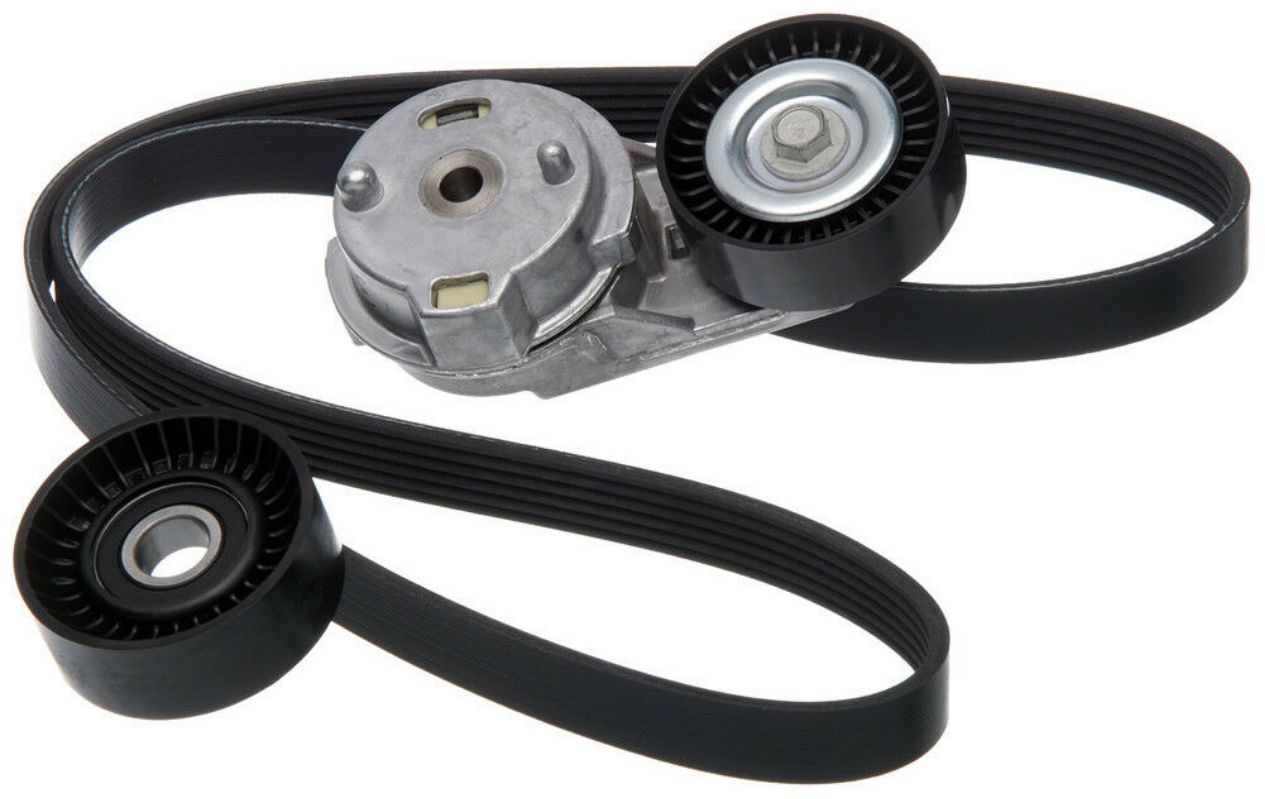
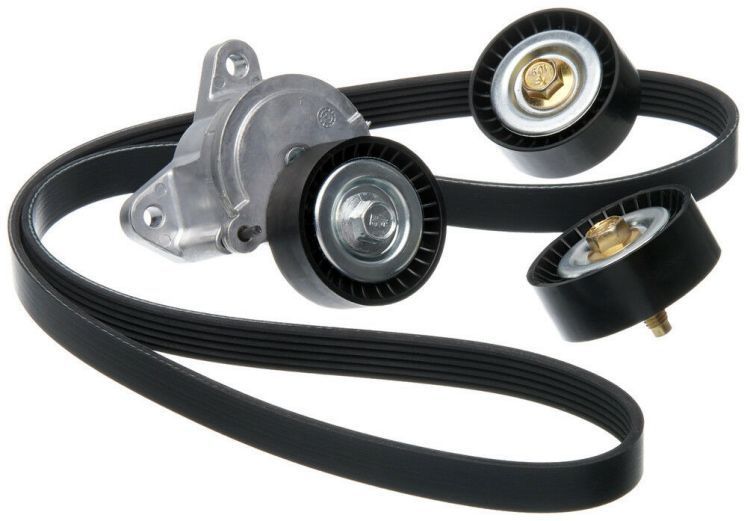
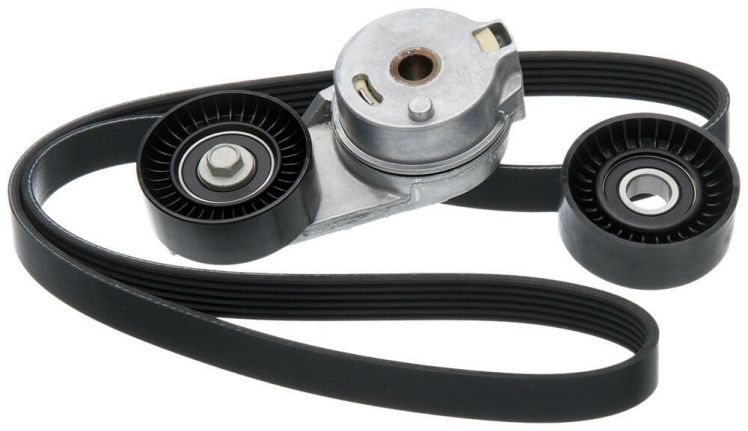
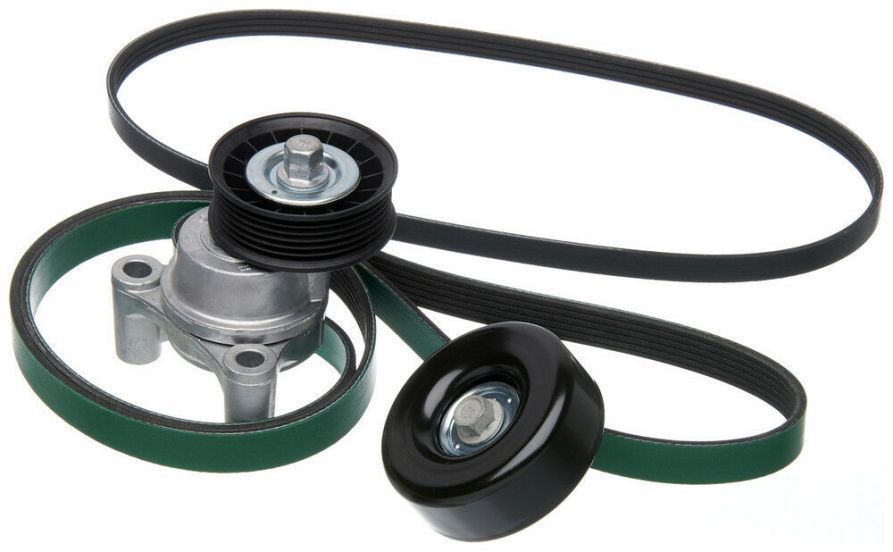
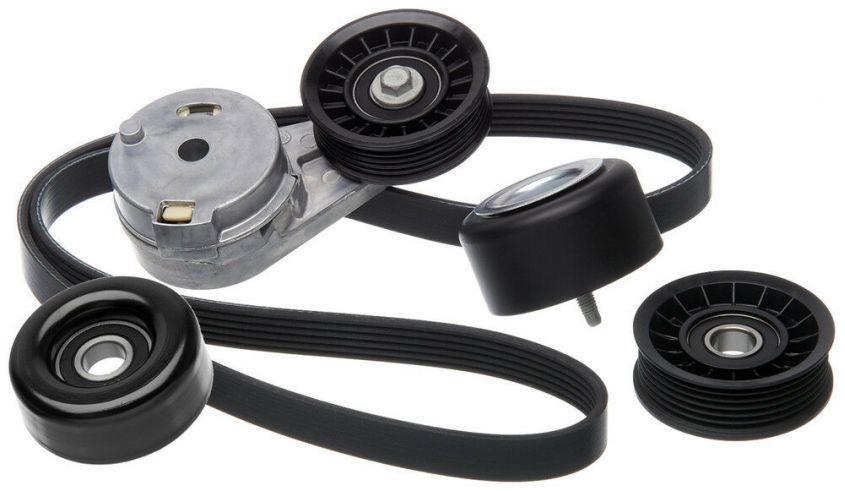
A serpentine belt kit is a complete set of the primary wear components in a vehicle's accessory belt drive system. Rather than just the multi-ribbed serpentine belt, a kit includes the crucial belt tensioner and any idler pulleys that guide the belt. Since these components share the same harsh operating environment and have similar service lives, replacing them all at once is the most effective way to ensure a long-lasting and quiet repair, preventing premature failure and repeat labor costs.
What's Included in a Serpentine Belt Kit?
Serpentine Belt
A single, multi-ribbed belt that snakes around all the engine accessories, transferring power from the crankshaft pulley.
Belt Tensioner
An automatic, spring-loaded, or hydraulic assembly that maintains the perfect amount of tension on the belt throughout its life.
Idler Pulley(s)
One or more free-spinning pulleys that guide the belt's path, maintain its alignment, and ensure proper wrap around other pulleys.
Hardware (When applicable)
Some kits may include new mounting bolts, spacers, or dust covers to ensure a complete and professional installation.
When to Replace a Serpentine Belt Kit?
If the serpentine belt fails, the vehicle will immediately lose power steering, alternator charging, and water pump function, leading to a sudden breakdown. Kit replacement is key preventative maintenance.
Persistent Squealing or Chirping Noises
While often blamed on the belt, this noise is frequently caused by a weak tensioner or a failing bearing in an idler or tensioner pulley.
Visible Wear on Belt
Any signs of cracking, glazing (shiny surface), fraying, or missing ribs on the belt means the entire system is due for service.
Grinding or Rumbling Pulleys
A constant grinding or rumbling noise from the front of the engine points to a dry, failed bearing in the tensioner or an idler pulley.
Excessive Tensioner Arm Vibration
If the tensioner arm is visibly shaking or bouncing while the engine is running, its internal damping mechanism has worn out.
Best Practices for Installation
Replace All Kit Components
This is the golden rule. Installing a new belt with old pulleys is the #1 cause of repeat failures. The pulleys and belt wear together.
Verify Correct Belt Routing
Always refer to the vehicle's routing diagram (usually on a sticker under the hood). Taking a photo before removal is also a great idea.
Clean All Pulley Grooves
Use a wire brush or groove cleaning tool to remove all traces of old rubber and debris from every pulley the belt touches for a quiet, long-lasting grip.
Serpentine Belt vs. V-Belts
What are V-Belts?
Common in vehicles before the 1990s, this system uses multiple individual V-shaped belts to power the accessories. Each component (or a pair of components) has its own belt, requiring individual manual tensioning and creating a more complex and less efficient system.
| Attribute | Serpentine Belt System | V-Belt System |
|---|---|---|
| Number of Belts | One | Multiple (2-4 or more) |
| Tensioning | Single automatic tensioner | Individual manual adjustment |
| Reliability | High (single point of failure) | Lower (multiple points of failure) |
| Maintenance | Simple (replace kit) | Complex (multiple adjustments) |
A Serpentine Belt is a modern all-in-one smart device, while a V-Belt system is like a collection of single-function tools.