


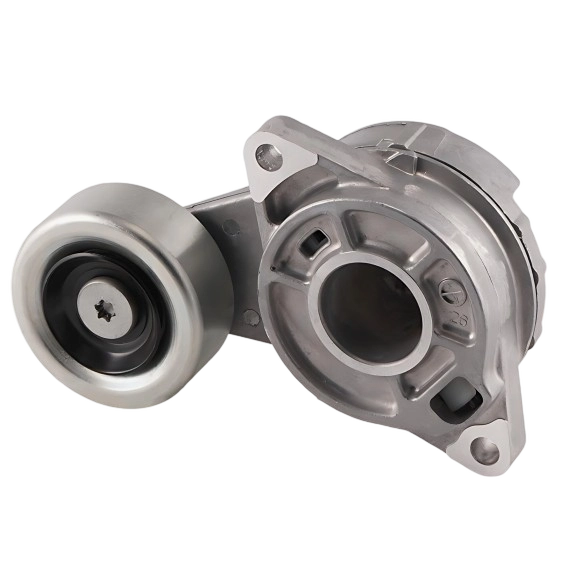
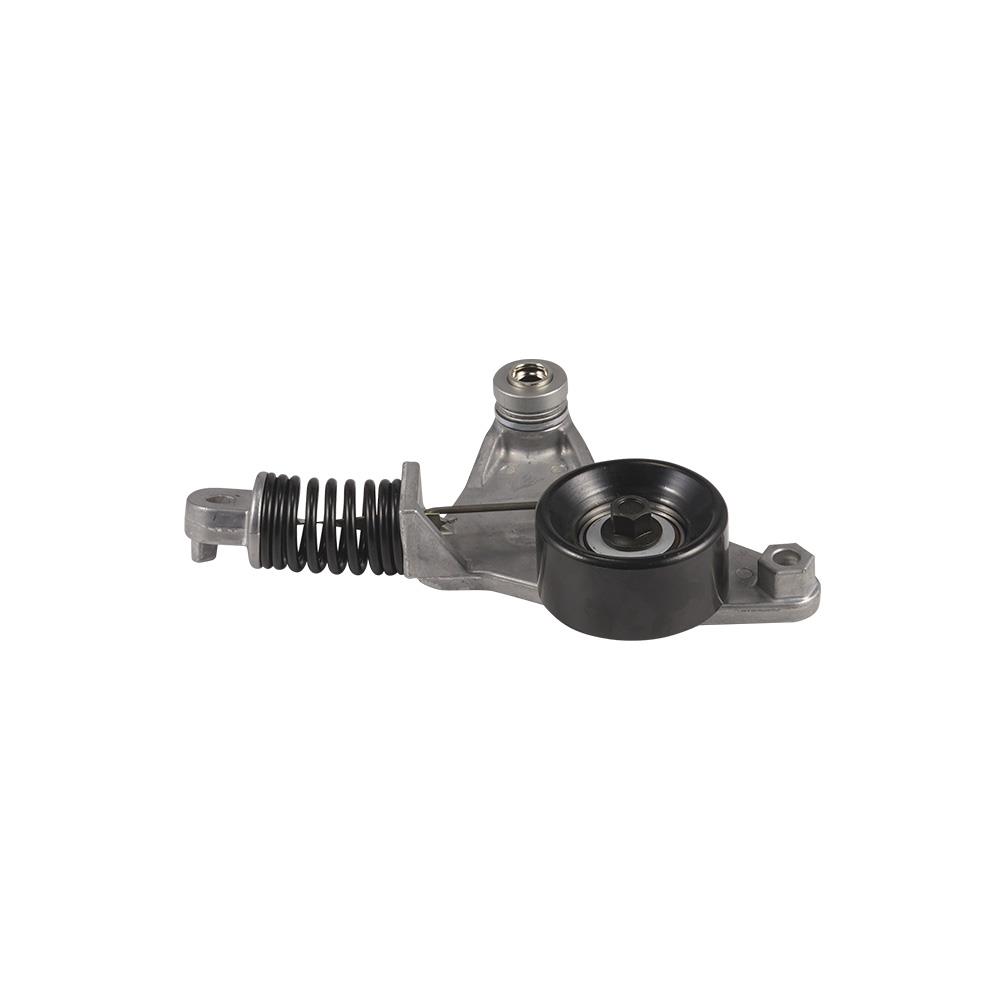


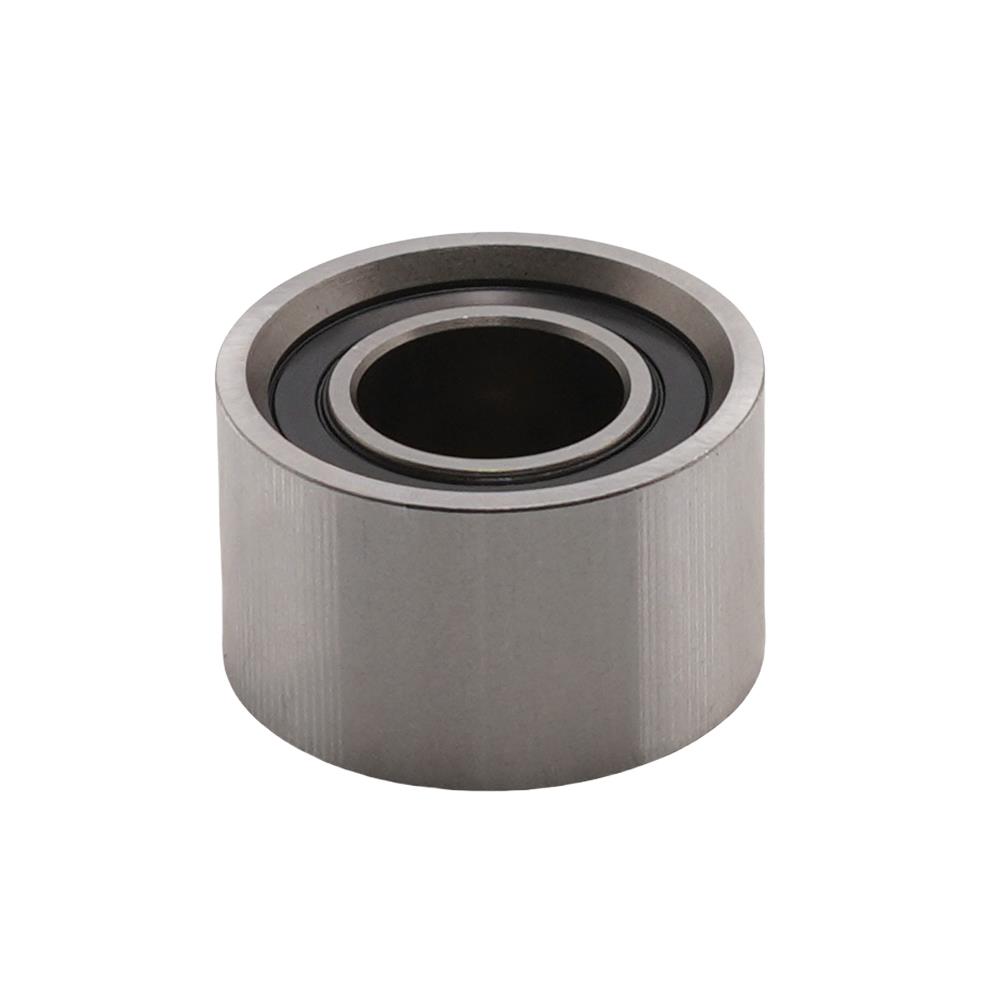
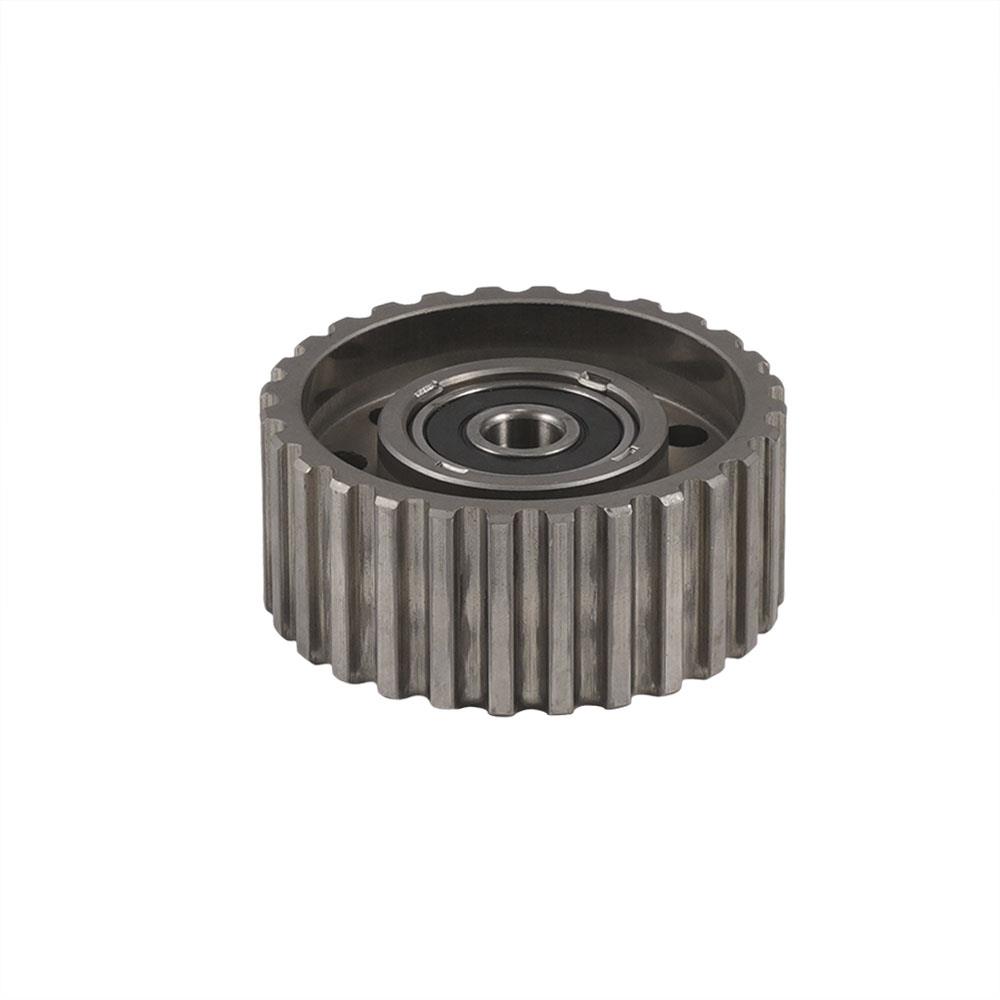

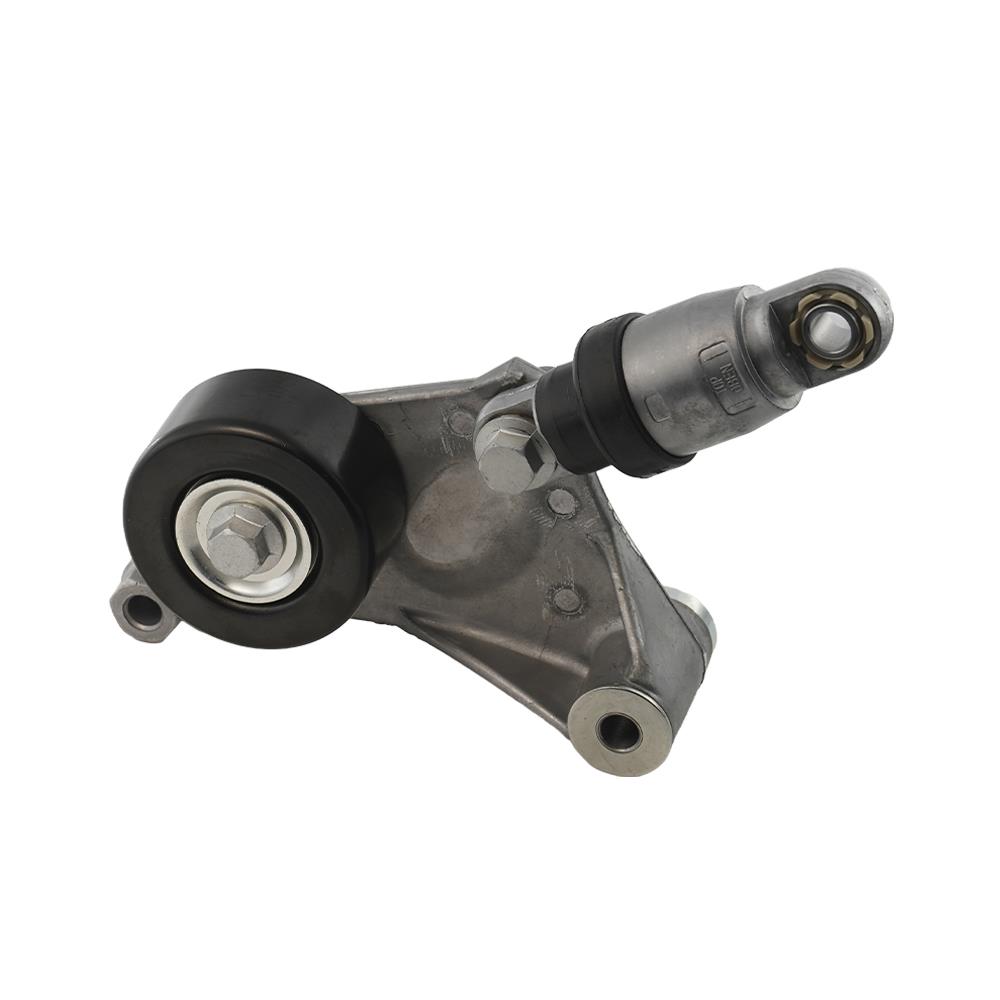
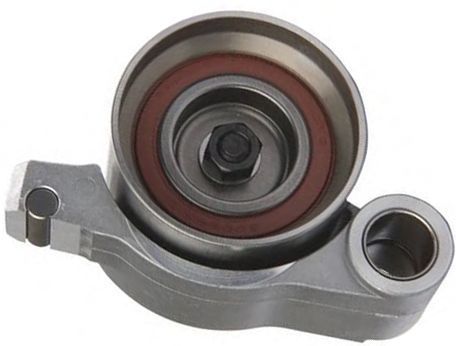
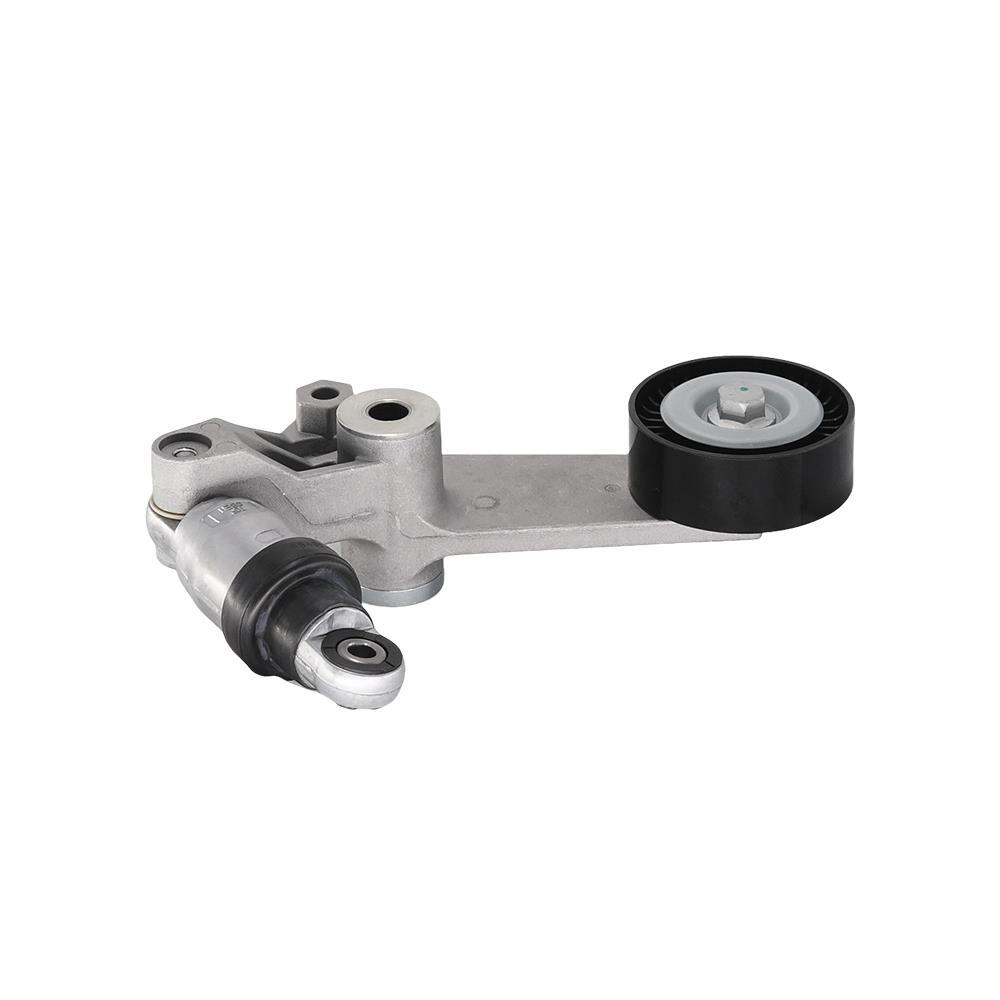
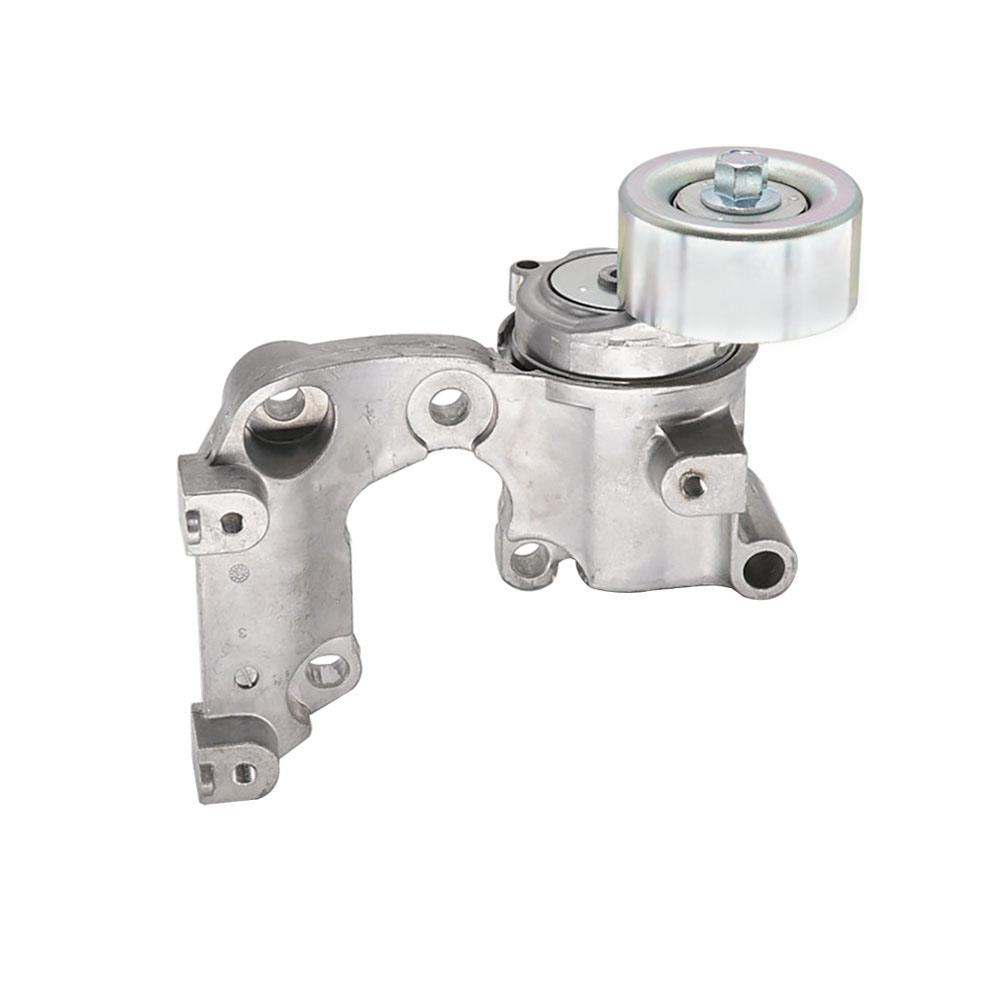
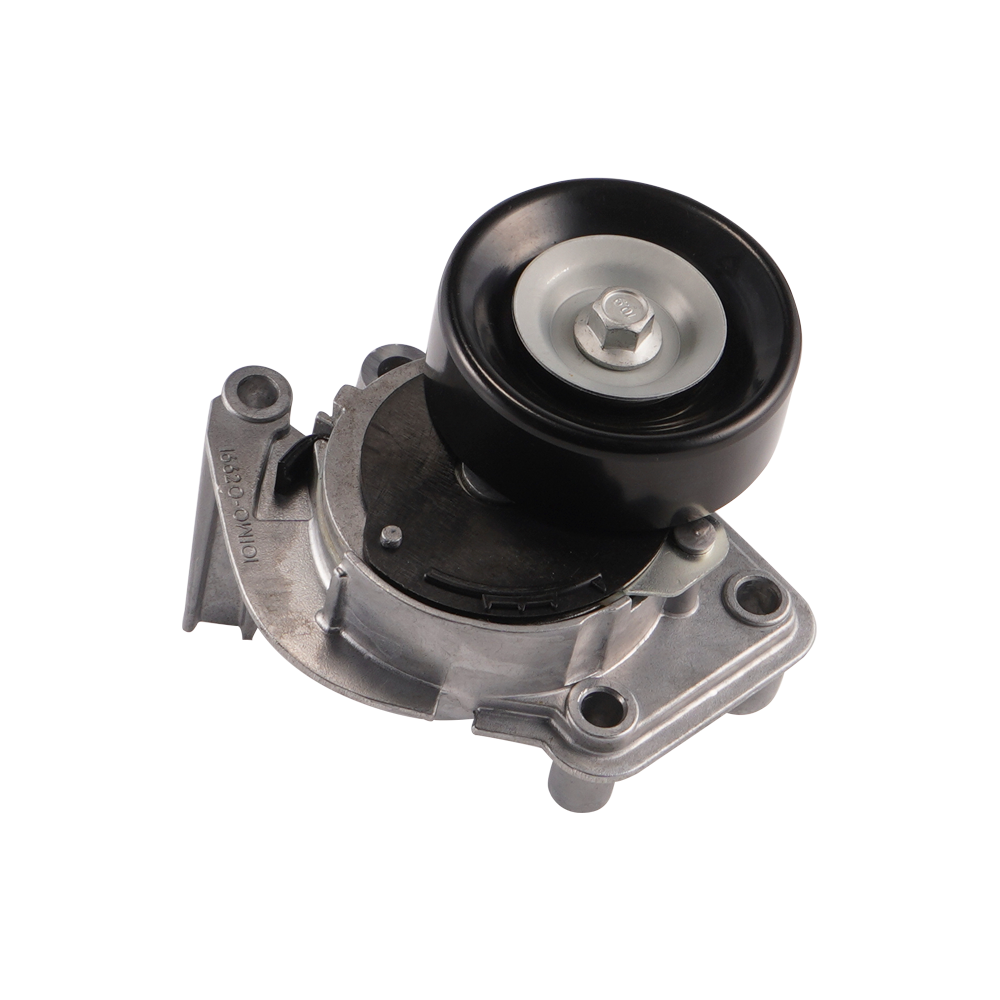
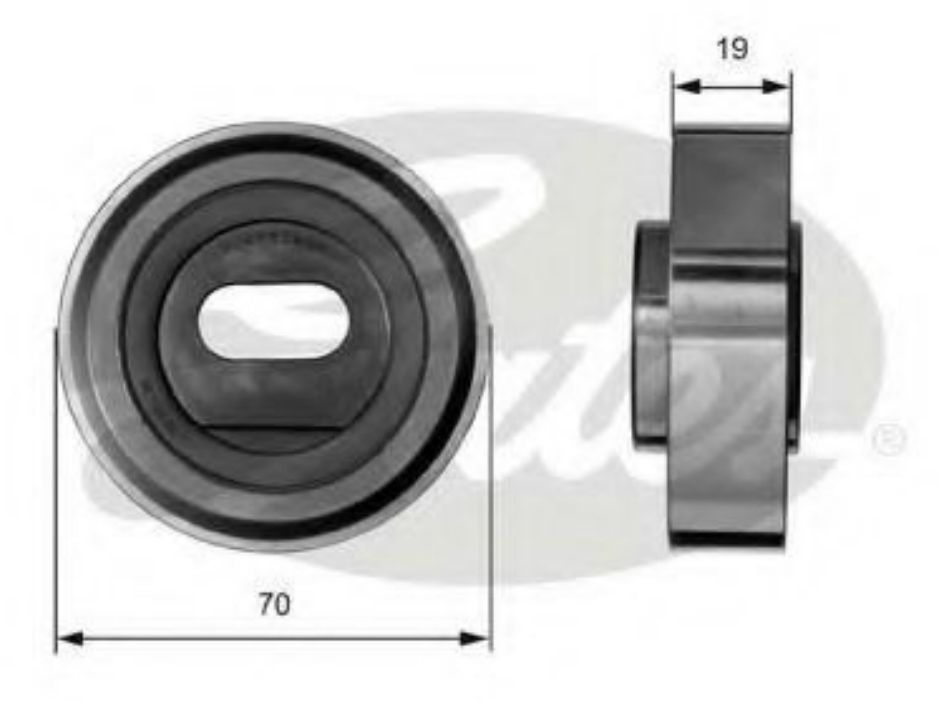
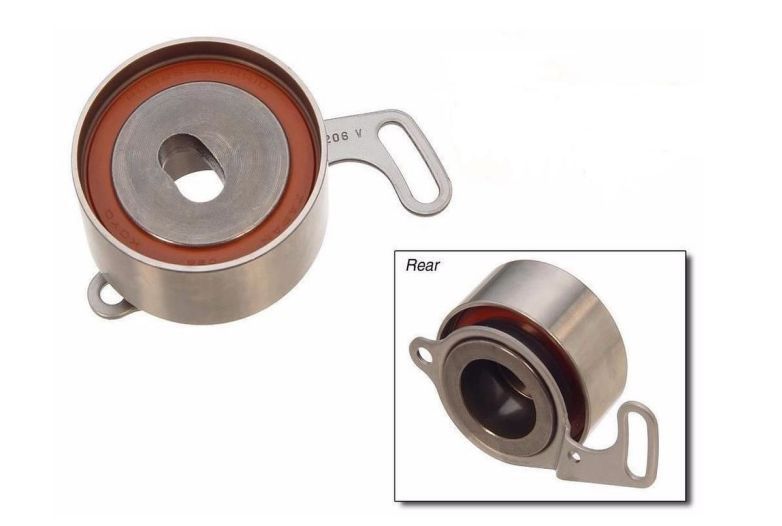
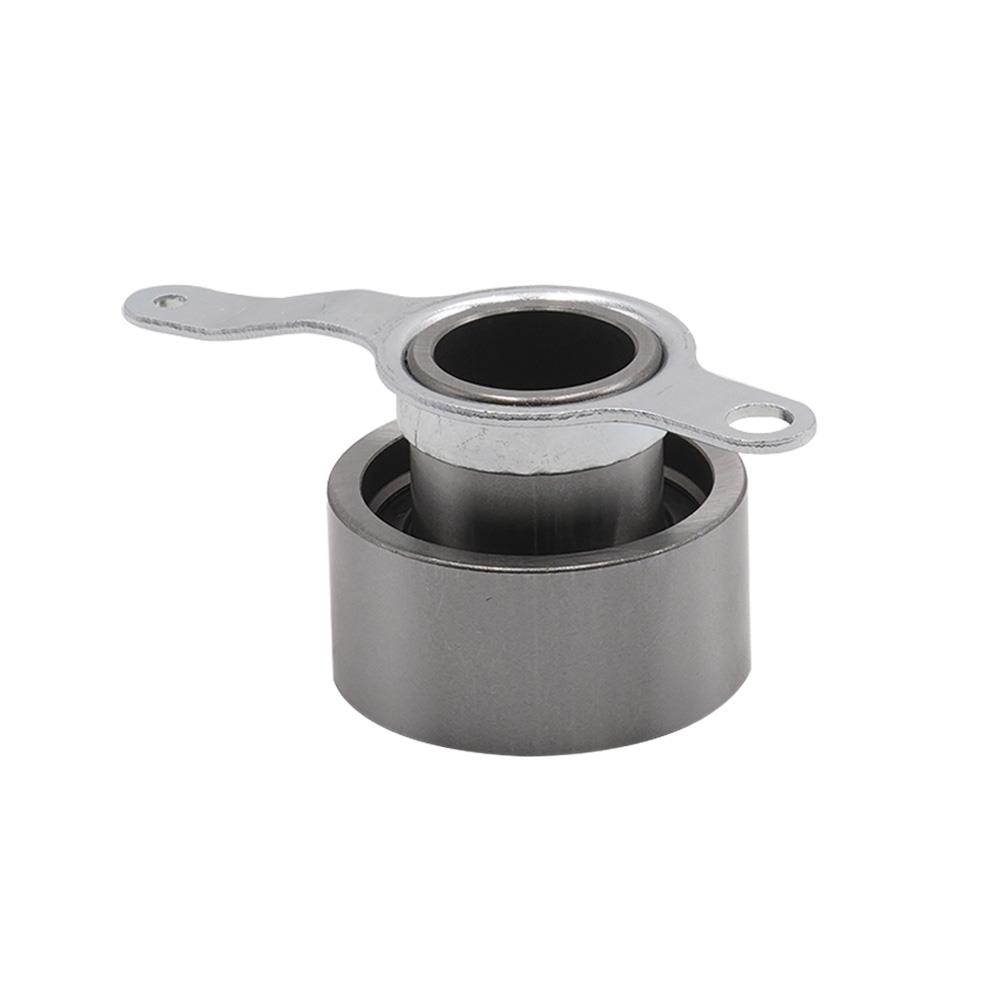
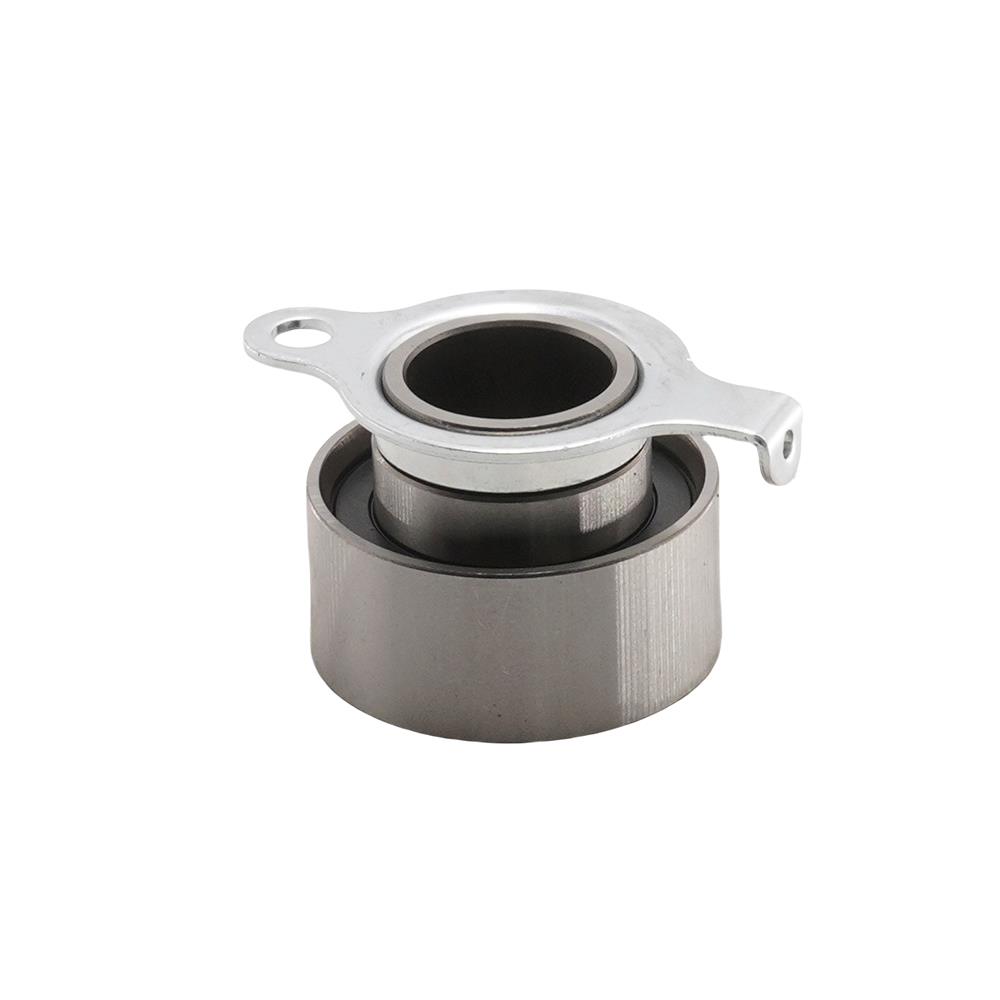
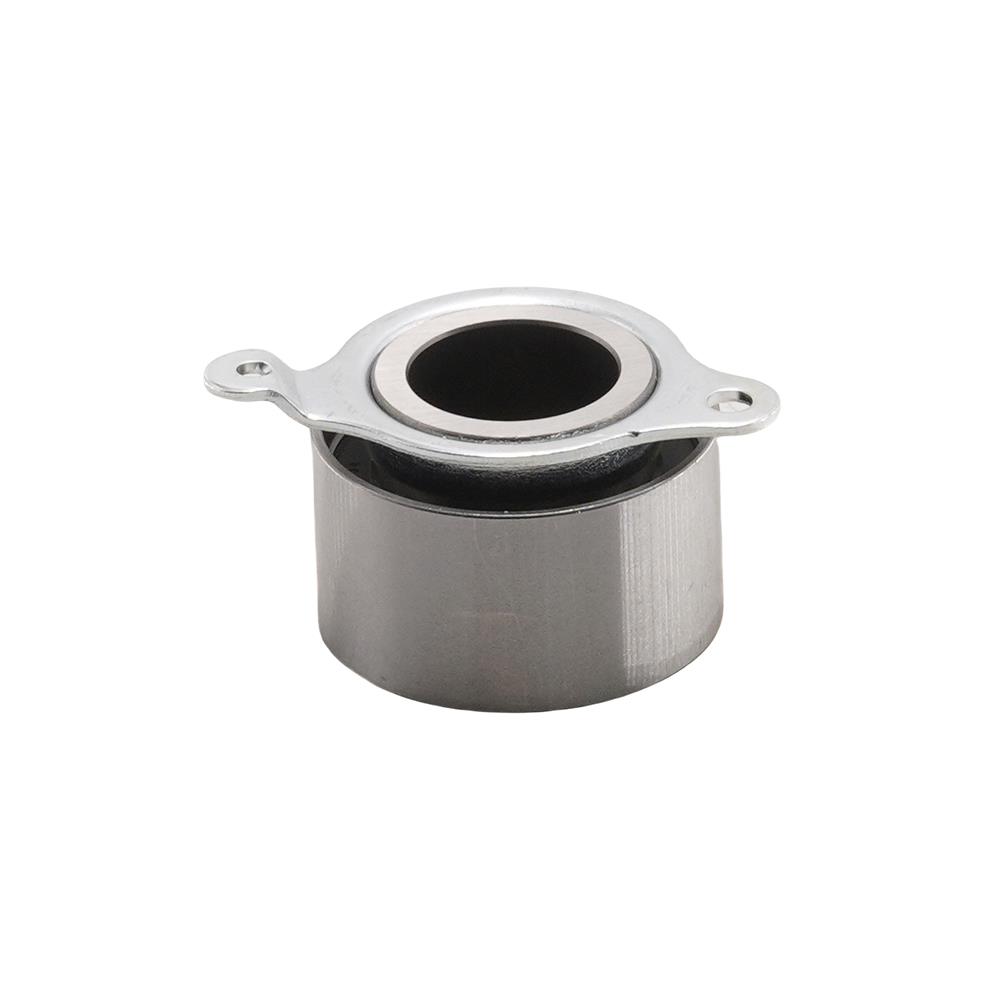
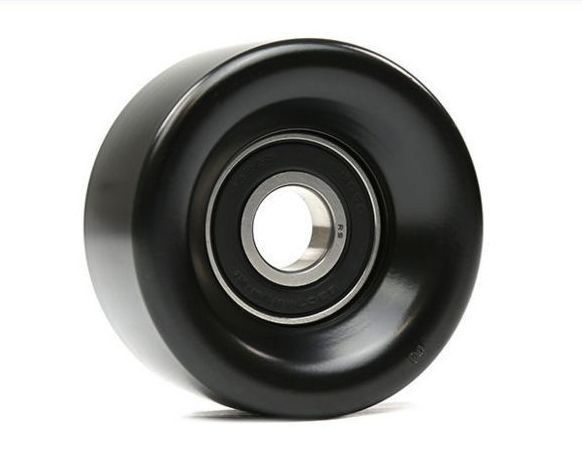
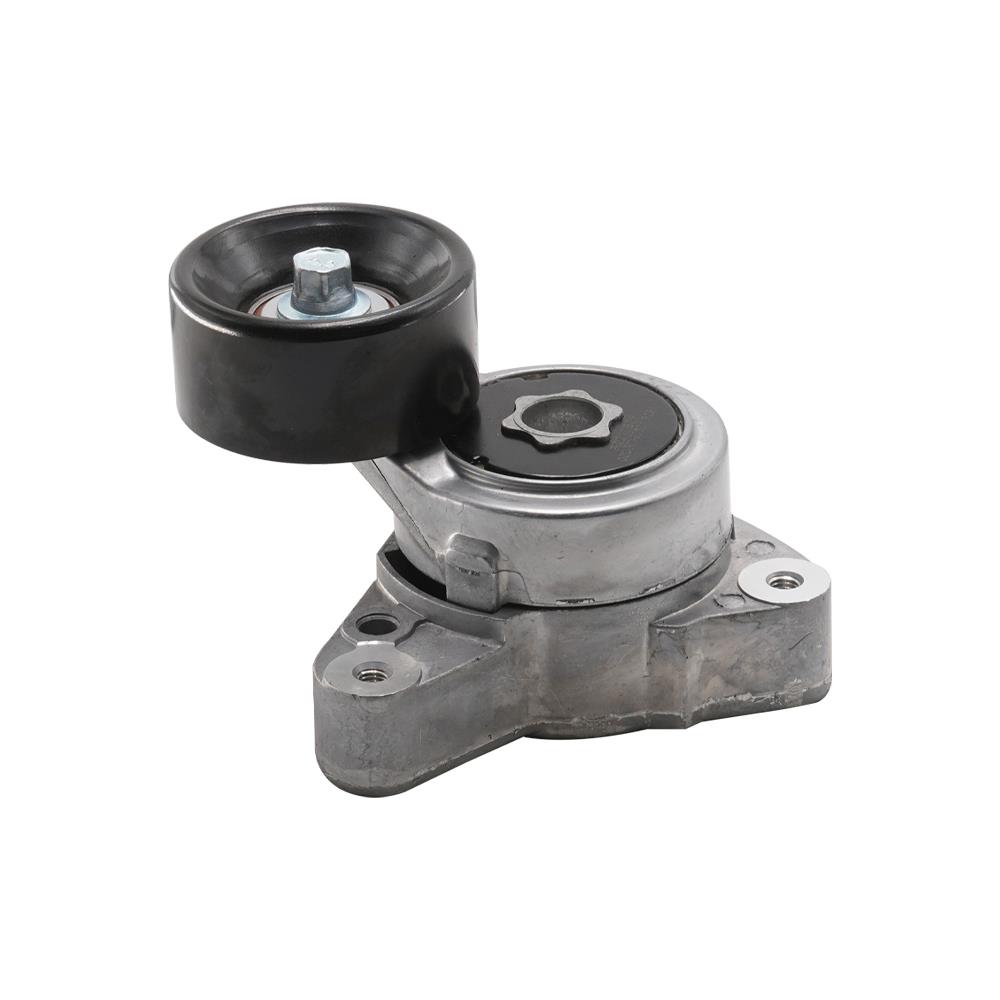
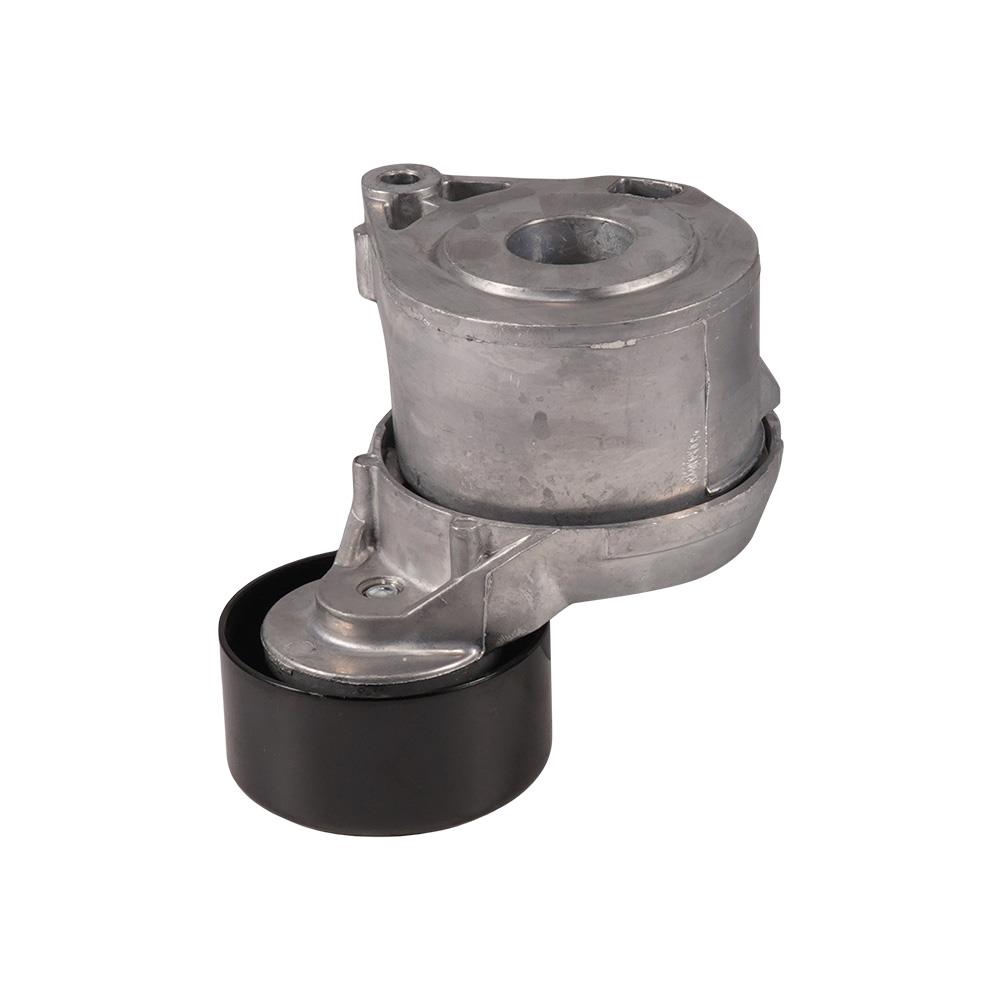
The tensioner is a device used to maintain proper belt tension. It applies force through a spring or hydraulic mechanism to automatically adjust the belt's tightness, ensuring consistent tension during operation. This helps prevent belt slippage, detachment, or abnormal noise. It is an essential component in the engine's belt drive system.
Functions of a Tensioner Pulley
Maintain Belt Tension
Ensures the drive belt remains properly tensioned during engine operation.
Extend Belt and Accessory Lifespan
Proper tension reduces friction and wear between the belt and pulleys, thereby extending the service life of the belt and engine accessories such as the alternator, water pump, and air conditioning compressor.
Absorb Vibration and Shock
Engines generate vibrations and sudden load changes during operation. The tensioner absorbs these fluctuations, helping to stabilize the belt drive system.
Automatically Compensate for Belt Wear
Over time, belts tend to stretch and loosen. The tensioner automatically adjusts its position to compensate for belt elongation, reducing the need for frequent manual adjustments.
When to Replace a Tensioner Pulley?
The timing belt/chain tensioner is responsible for adjusting the tension of the timing belt or chain. Only with proper tension can the intake and exhaust timing remain accurate, ensuring the engine runs smoothly and efficiently.
Unusual Noise or Vibration
Particularly noticeable during rapid acceleration, the noise becomes more pronounced and the vehicle may feel underpowered.
Timing Disruption
Incorrect timing affects air intake and ignition, potentially causing poor engine performance, shaking, increased fuel consumption, and weak acceleration.
Belt Looseness or Flapping
A visibly slack or erratically moving belt indicates improper tensioning.
Frequent Belt Failures
Frequent belt breakage, edge wear, or slipping out of the pulley groove may result from misaligned or weak tensioner force.
Metallic Knocking Sounds
These may be due to a damaged or detached internal bearing. Sometimes, a metallic noise can be heard from the tensioner area even at idle.
Best Practices for Maintenance
Check Belt Tension Regularly
Periodically inspect the belt for proper tension to prevent slippage or excessive wear.
Keep It Clean and Dry
Maintain cleanliness around the pulley and surrounding areas to avoid buildup of dirt, dust, oil, or debris that could affect performance.
Lubrication (If Required)
If specified by the manufacturer, lubricate the pulley bearings. However, over-lubrication or using the wrong lubricant can attract dust or contaminate the belt.
Types of Tensioner Pulleys
| Type | Key Feature | Application/Notes |
|---|---|---|
| Fixed Tensioner | Set tension, no automatic adjustment | Simple systems, requires periodic manual checking |
| Automatic Spring-loaded | Spring applies continuous tension | Most common, reliable, requires less maintenance |
| Hydraulic Automatic | Uses hydraulic pressure for precise tension | High-performance engines, adaptive tension control |
| Adjustable Tensioner | Manually adjustable tension | Racing or precision applications |
| Composite Tensioners | Lightweight, corrosion resistant materials | For weight-sensitive or corrosive environments |
Chain Tensioner Pulley
A chain tensioner pulley is a critical component in the timing chain system of an engine. Its main purpose is to maintain the correct and consistent tension on the timing chain that runs between the crankshaft sprocket and the camshaft sprocket.
Idler Pulley vs Tensioner Pulley
What is an Idler Pulley?
An idler pulley is a component in a belt-driven system that guides and supports the drive belt without powering any accessories. It is a free-spinning wheel with a built-in bearing that helps route the belt correctly, maintain slack, and reduce vibration.
| Pulley Type | Primary Function | Adjustability |
|---|---|---|
| Idler Pulley | Guides belt, maintains routing | Fixed, non-adjustable |
| Tensioner Pulley | Applies tension to belt | Spring-loaded or adjustable |
Think of the idler pulley as the steering wheel for your belt, while the tensioner is the muscle.
Functions of an Idler Pulley
Guides the Belt Path
The primary role is to guide the belt around the engine's pulleys, avoiding obstructions and ensuring each accessory is driven correctly.
Maintains Tension
It helps take up slack in the belt to prevent slipping by increasing the belt's wrap around other pulleys.
Reduces Vibration and Wear
Idler pulleys support long spans of the belt to dampen flutter, which maintains alignment, reduces noise, and minimizes wear on the belt and other components.
Types of Idler Pulleys
Flat Idler Pulley
Has a smooth surface for the flat backside of a serpentine belt.
V-Groove Idler Pulley
Features a V-shaped groove for traditional V-belts, common in older vehicles.
Timing Belt Idler Pulley
A specialized pulley used to guide timing belts, ensuring precise engine timing.
Heavy-Duty Idler Pulley
Built with durable materials for high-load applications in industrial machinery or performance vehicles.
Symptoms of a Failing Idler Pulley
A worn-out idler pulley can present several warning signs that indicate immediate attention is needed:
Unusual Noises
Squealing, chirping, or chattering sounds from the belt area often indicate a failing bearing.
Visible Damage
Rust, cracks, or uneven wear on the pulley's surface can signal a problem.
Belt Misalignment or Wobble
A worn bearing can cause the pulley to wobble, leading to the belt slipping or tracking improperly.
Frequent Belt Issues
A seized or misaligned pulley can cause the belt to slip, burn, or break prematurely.
Accessory Malfunction
A completely broken idler pulley can cause the drive belt to come off, leading to the failure of accessories like the alternator and power steering pump.
Maintenance Tips for Idler Pulleys
Idler pulleys typically use sealed bearings and don't require regular lubrication. Maintenance involves regular inspection for wear and damage, ensuring proper belt tension and alignment, and keeping the pulley clean.
Recommended: Replace idler pulley when replacing serpentine belt (every 60,000 - 100,000 miles)
How to Replace an Idler Pulley
Replacement is a generally straightforward DIY task that involves:
Relieving the belt tension and removing the belt from the pulley
Unbolting and removing the old pulley
Installing the new pulley and tightening the bolt to the manufacturer's specified torque
Reinstalling the belt and ensuring it is routed correctly
Starting the engine and checking for smooth, quiet operation
Choosing the Right Idler Pulley
Fit and Compatibility
Essential to match the original pulley's diameter, width, groove profile, offset, and the inside diameter for the mounting bolt.
Brand and Quality
Choosing reputable brands such as FOCUSON ENGINE® is advisable, as they often meet or surpass OEM specifications.
Application-Specific Kits
Some suppliers offer idler pulley kits that may contain the pulley, bolt, spacers, or even multiple pulleys for systems that use more than one.
Performance and Heavy-Duty Use
For performance vehicles or demanding uses like towing or high RPM operation, consider an upgraded idler pulley with improved bearings.