


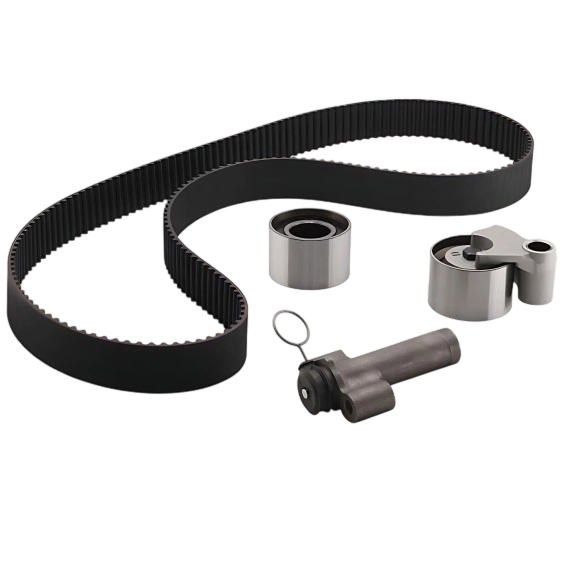
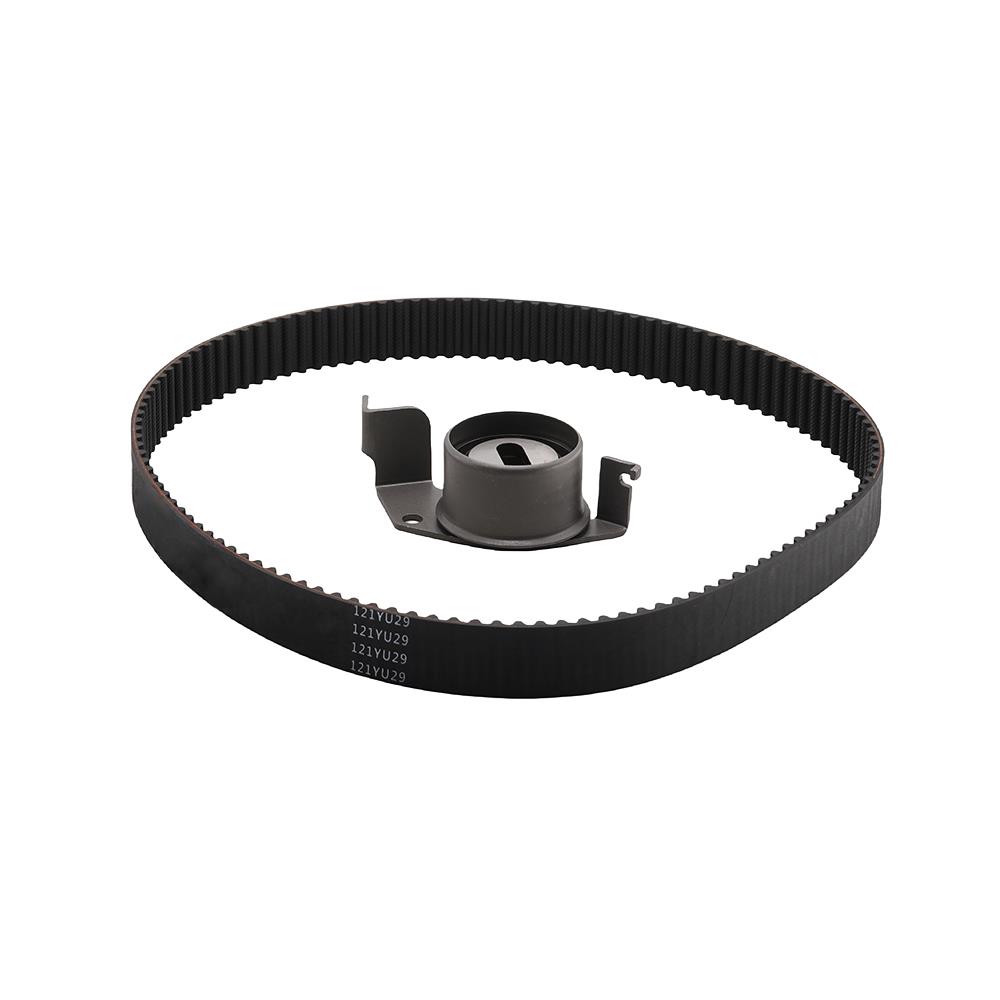
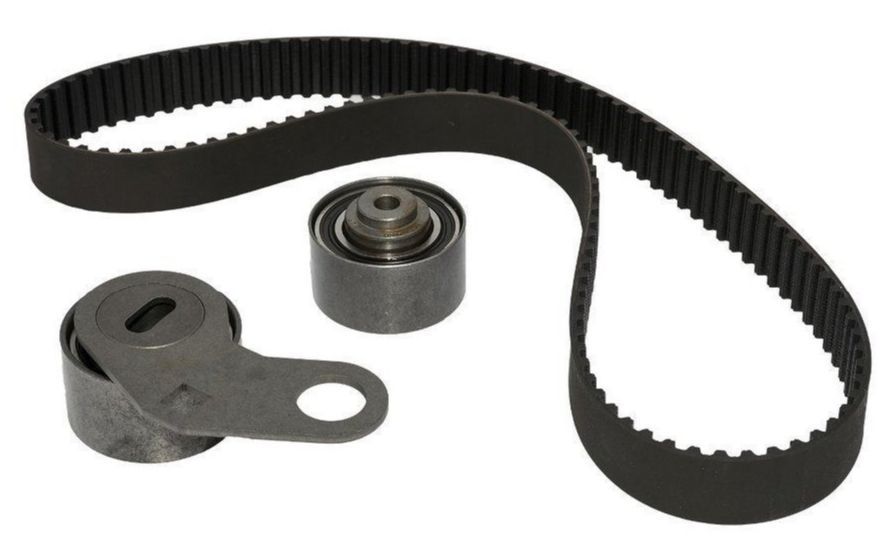
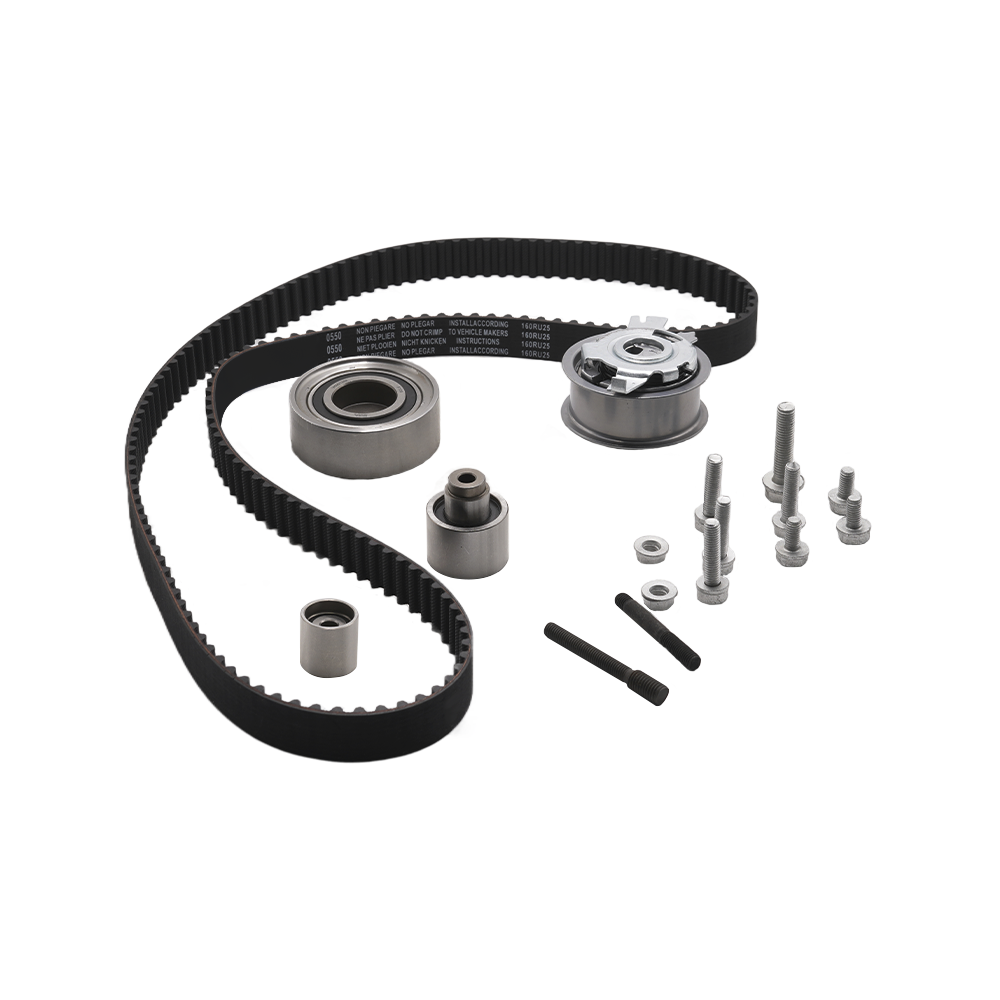
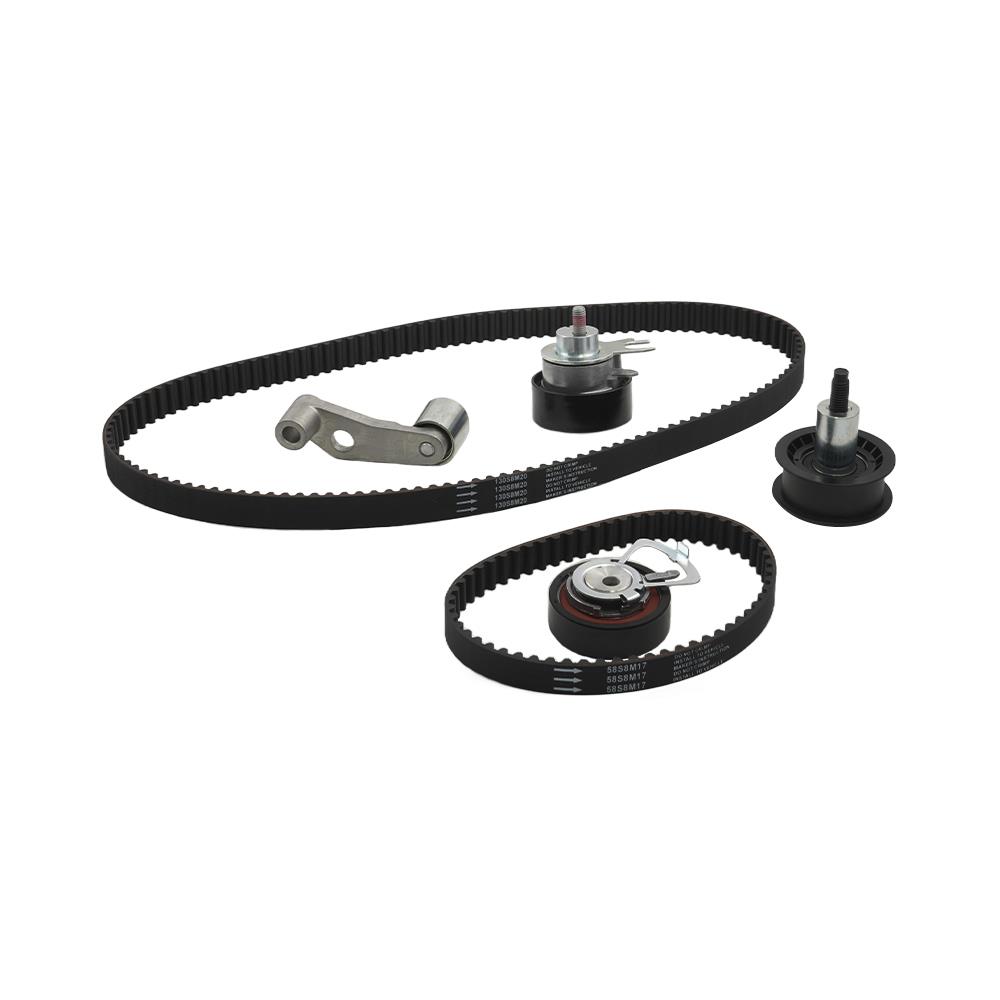
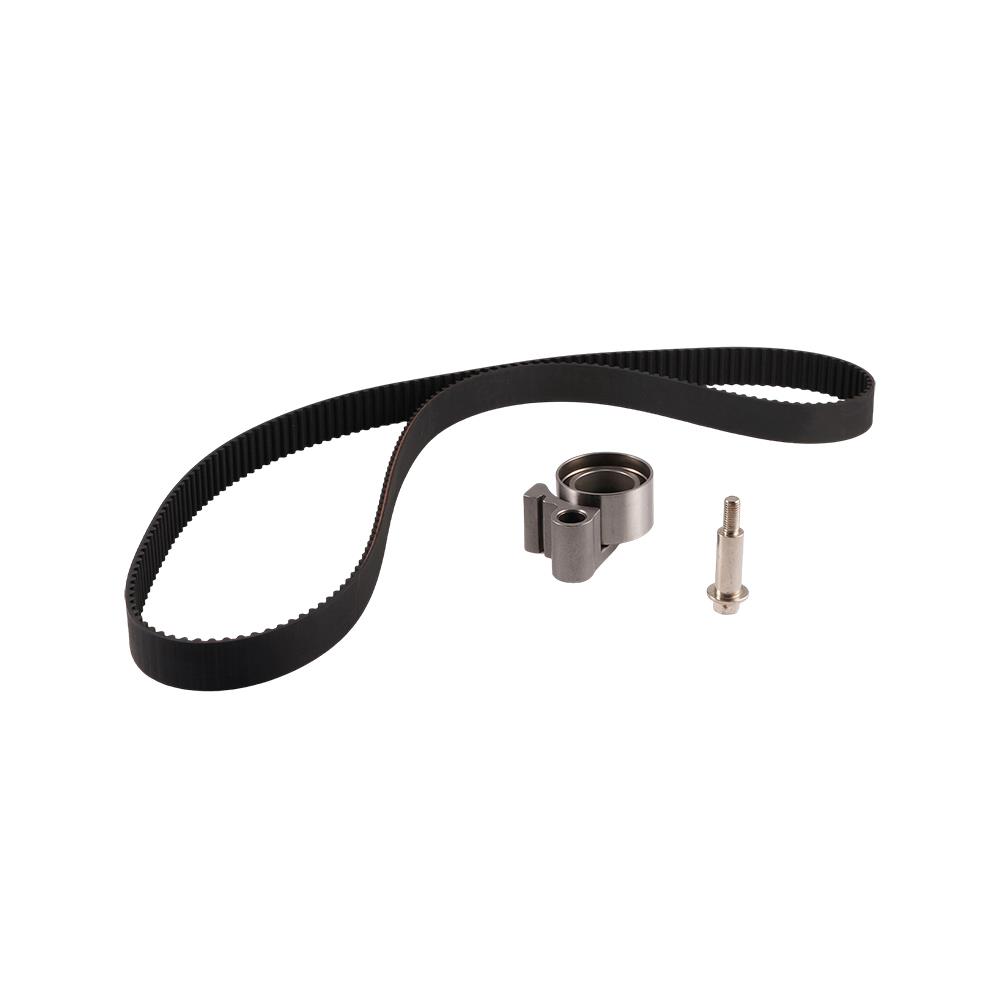
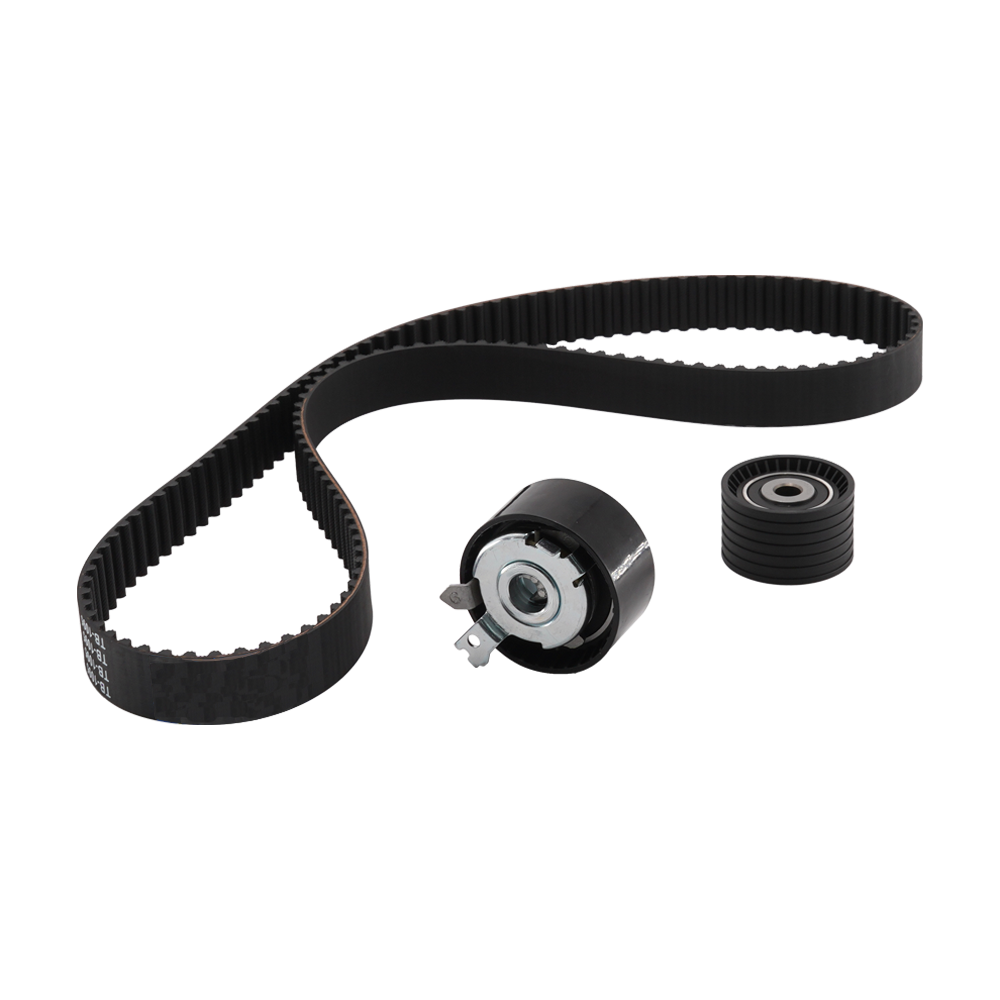
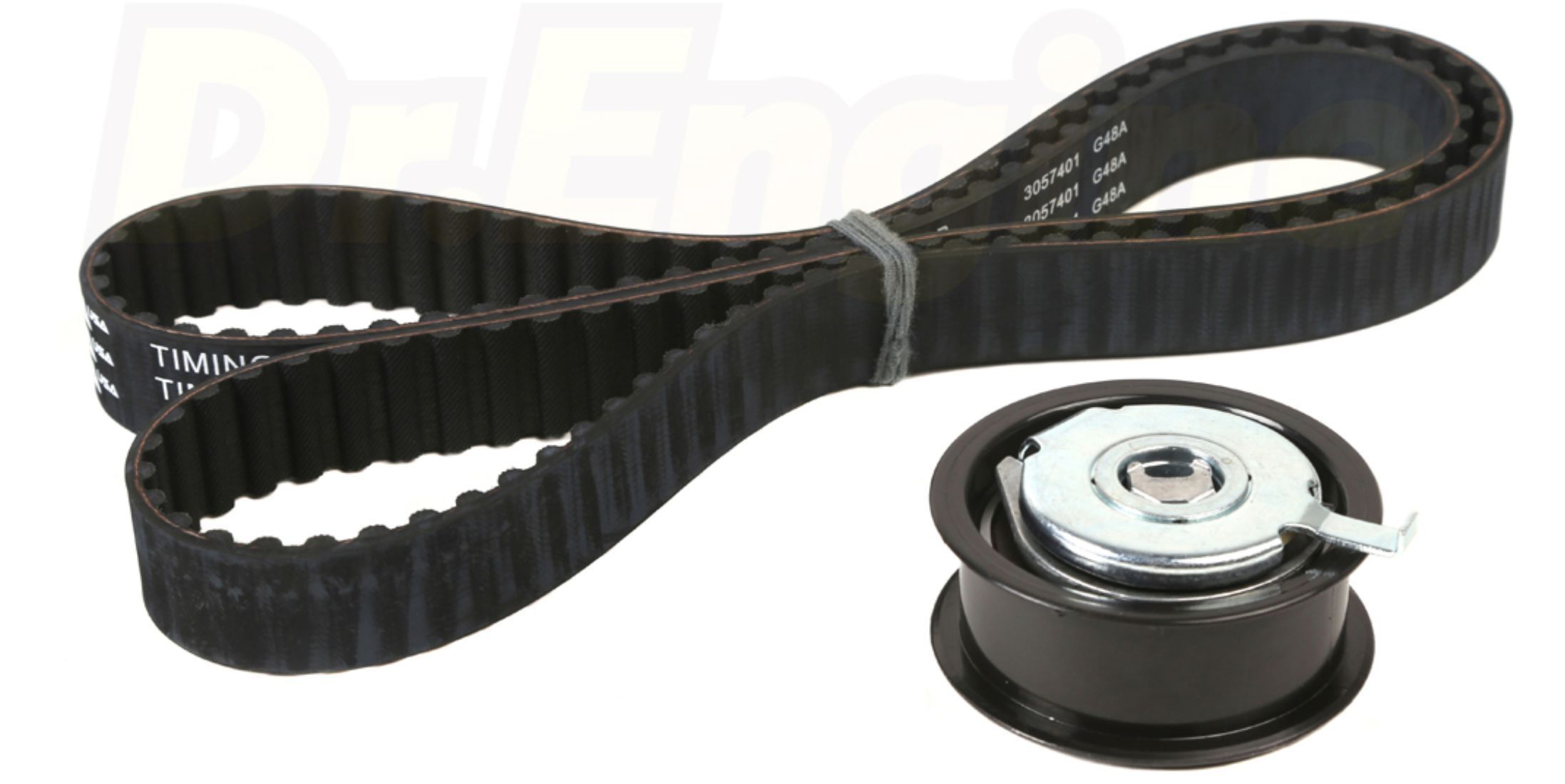
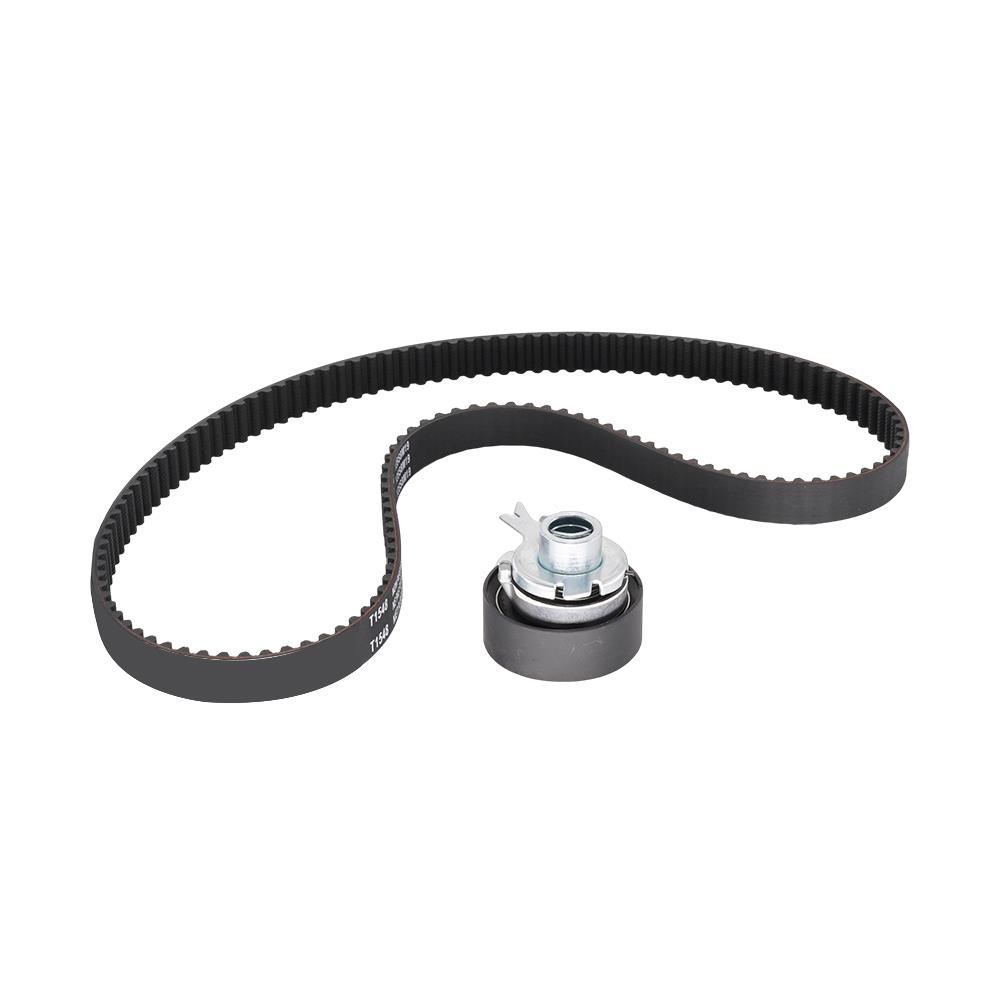
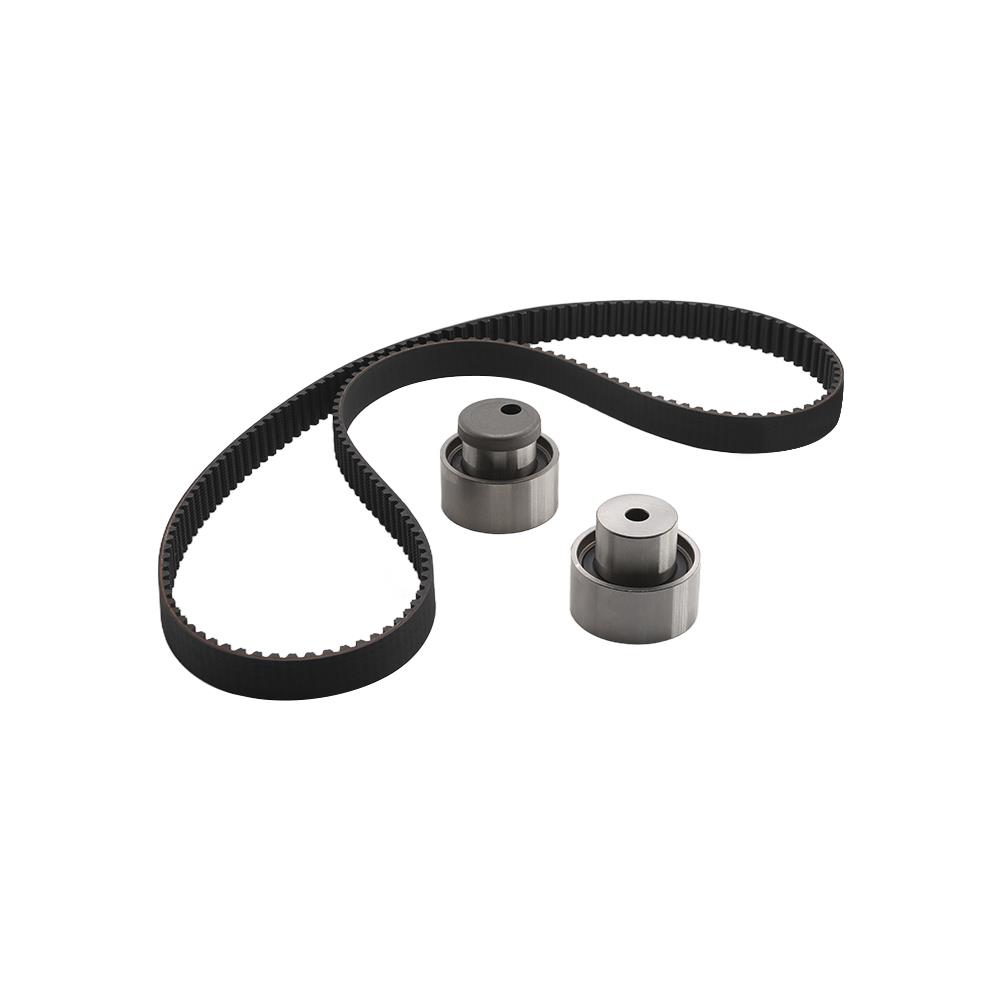
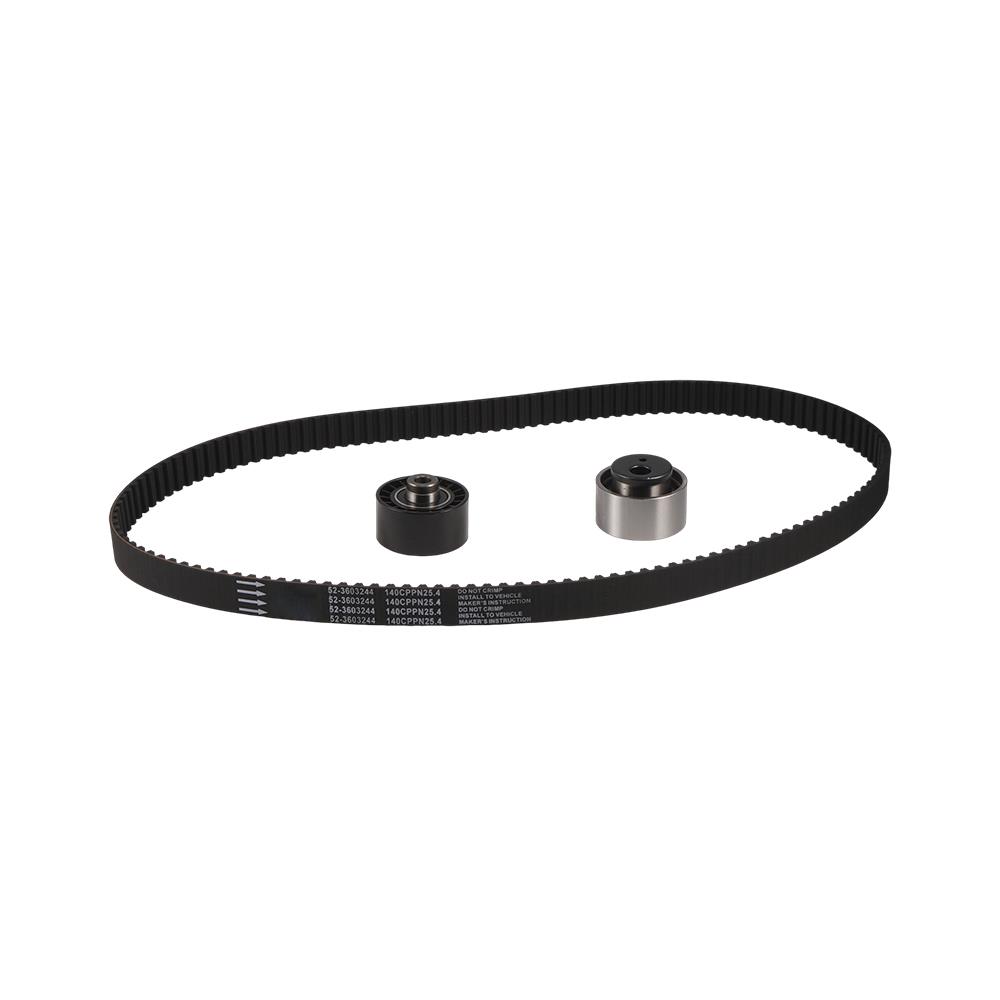
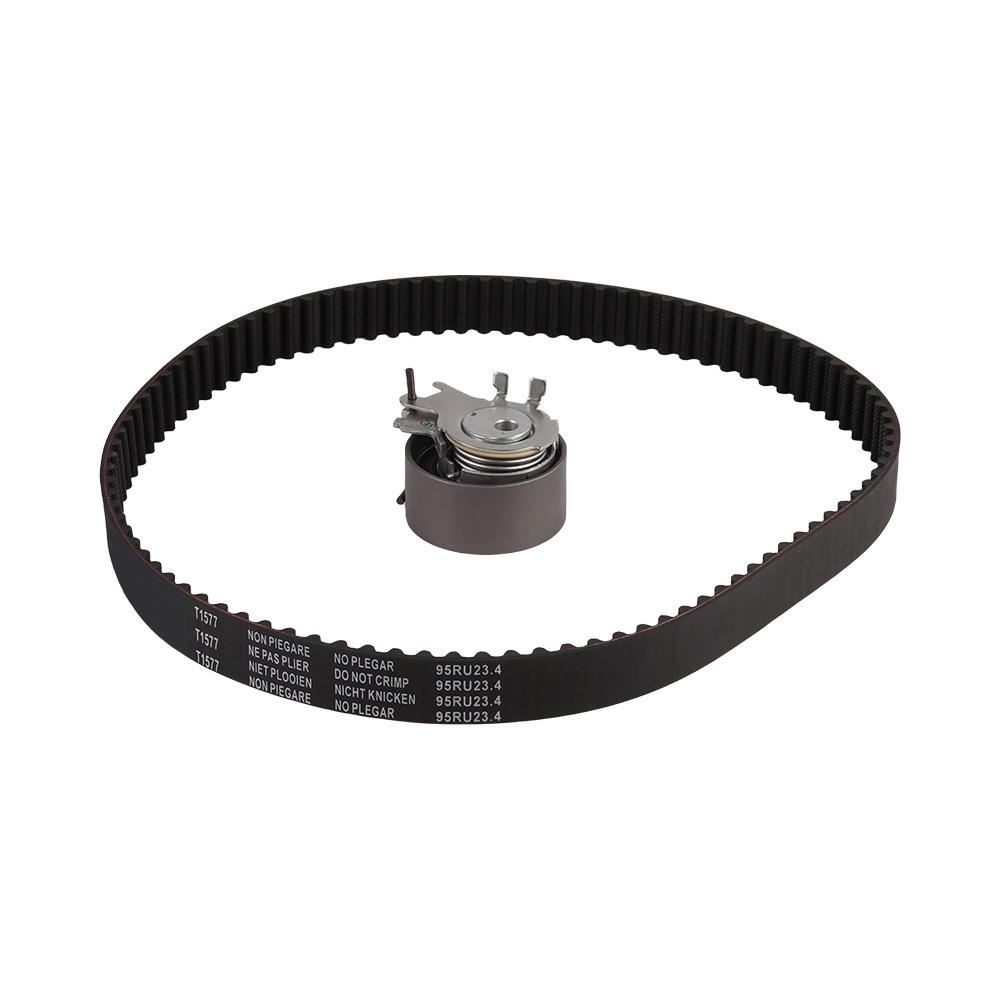
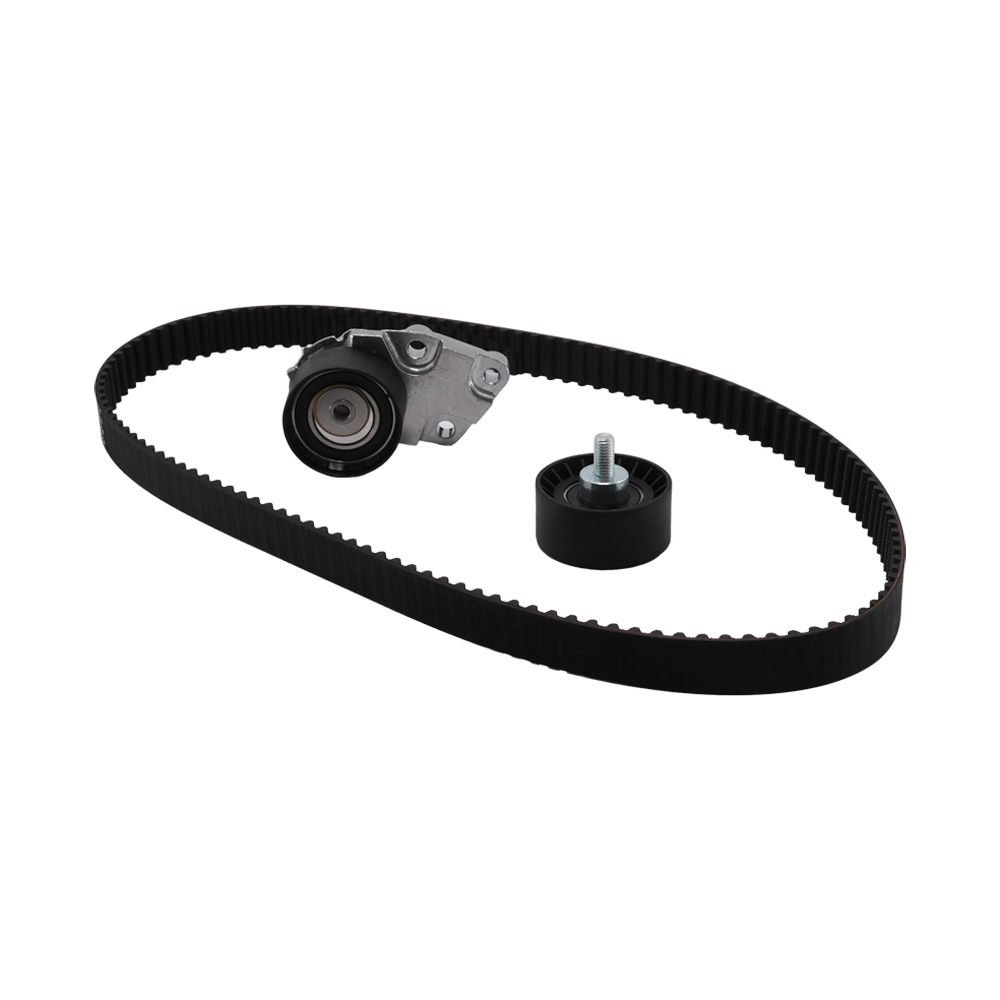
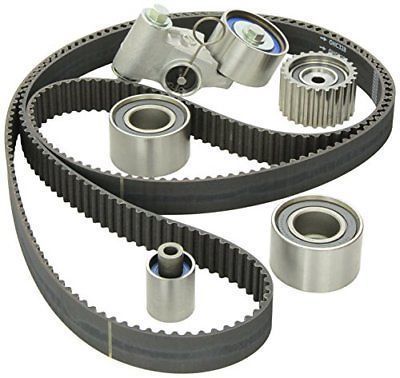

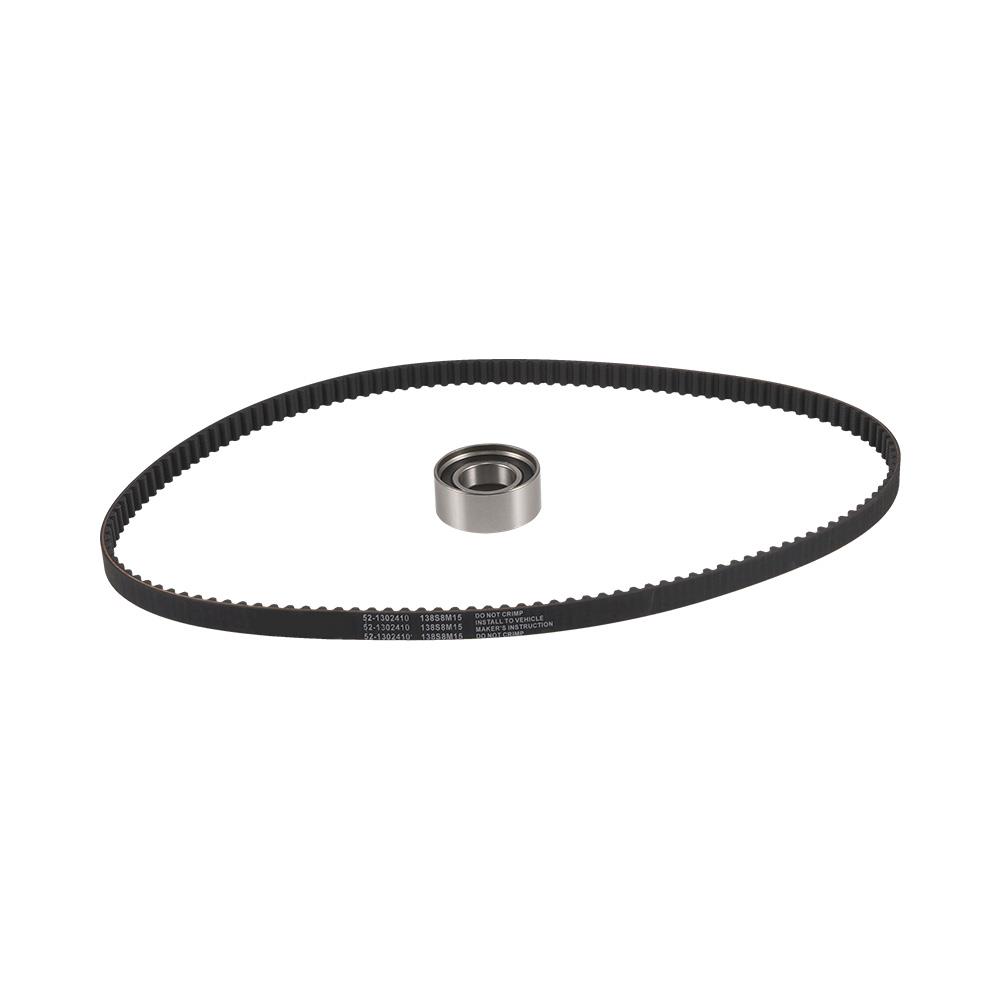
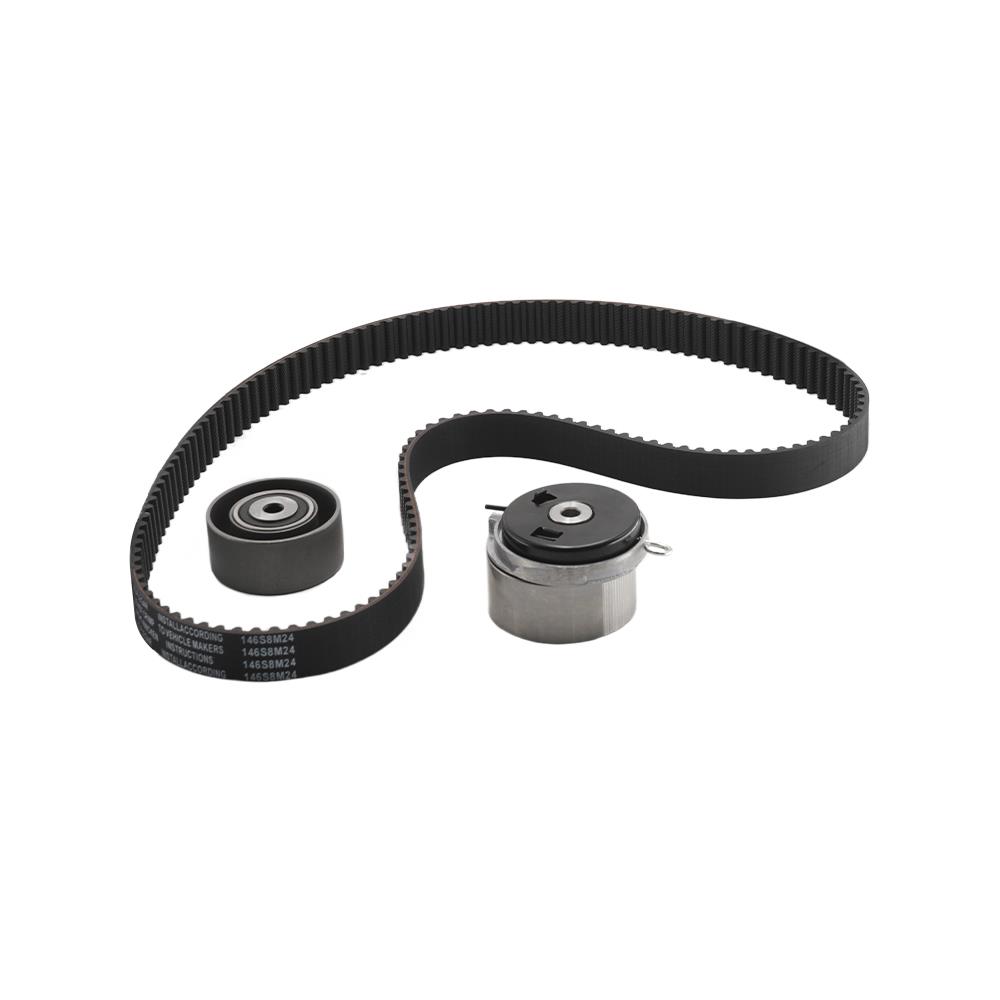
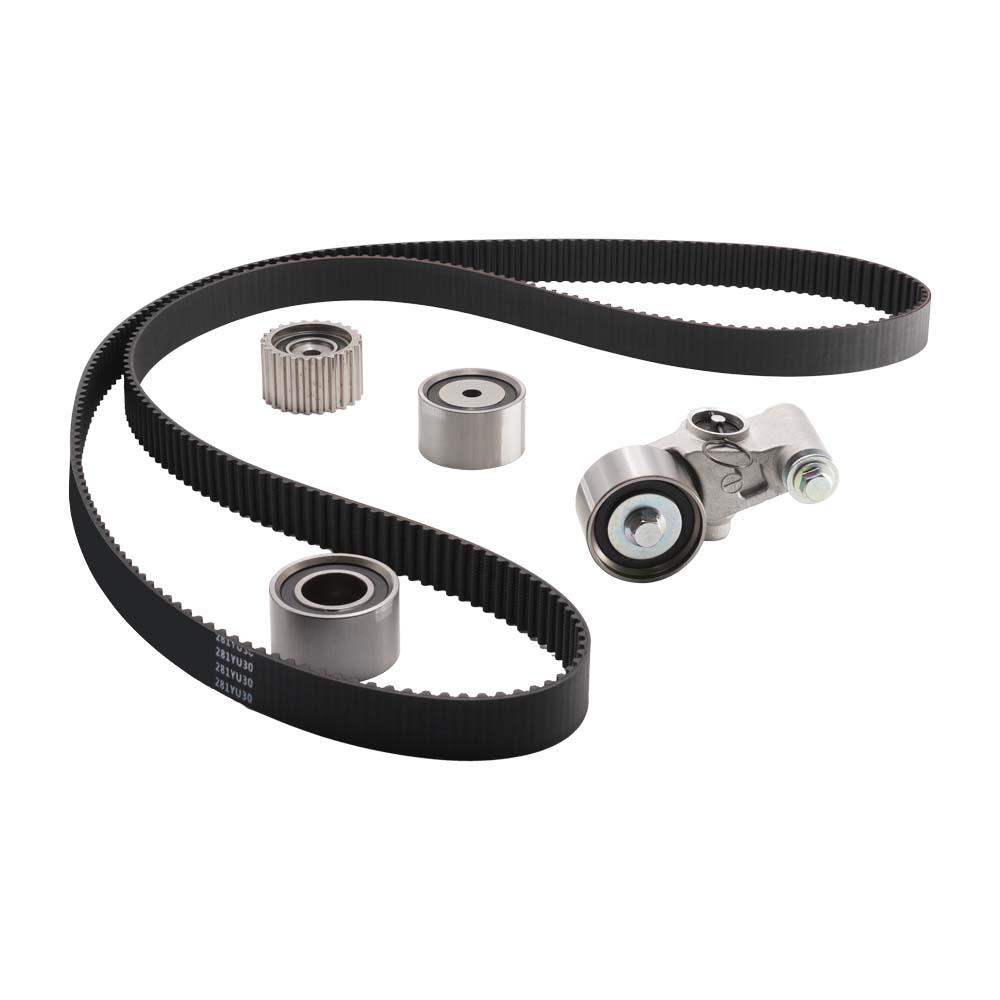

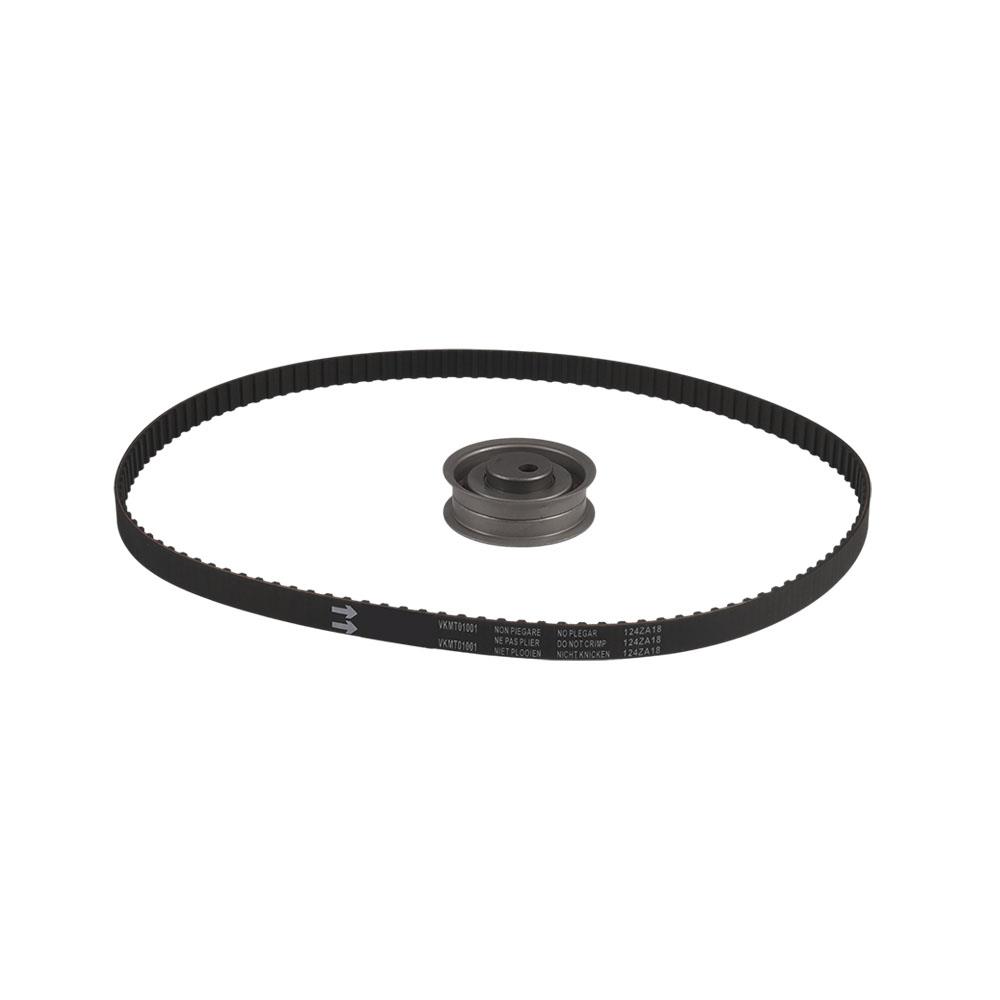
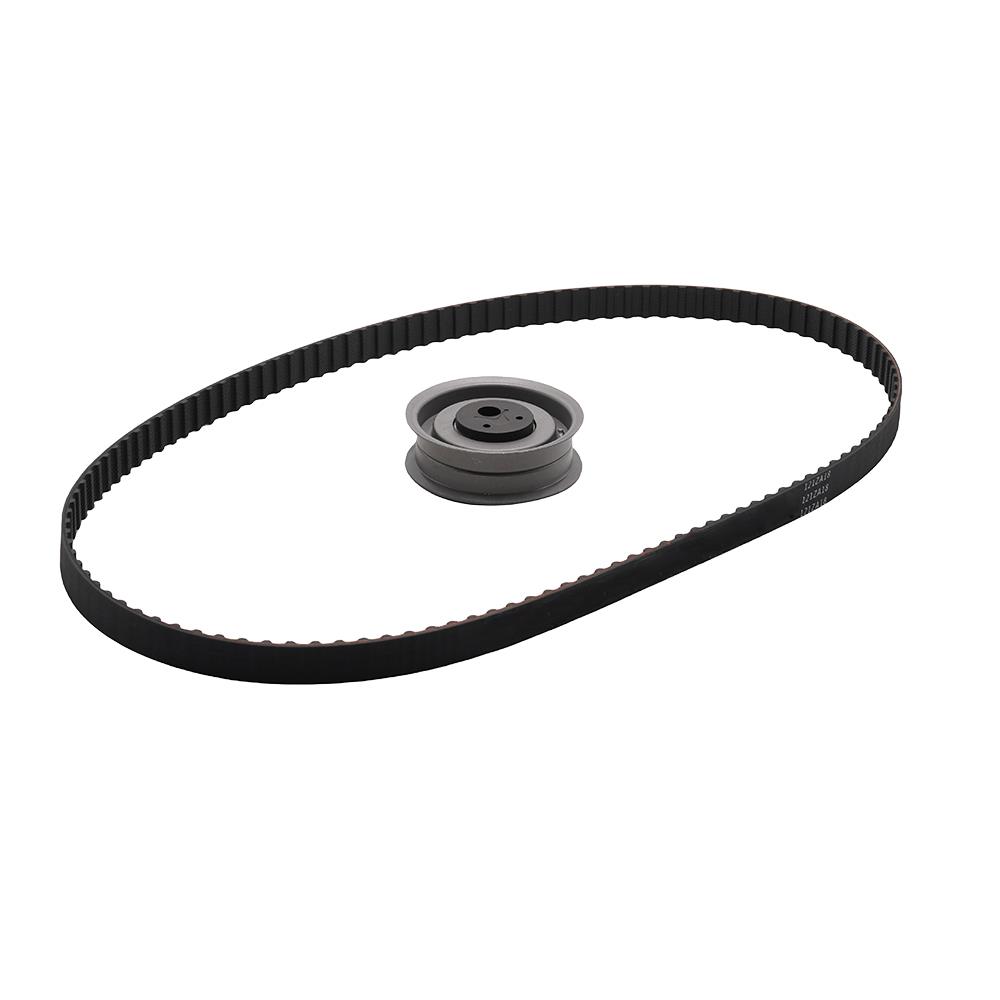
A timing belt kit is a comprehensive set of components required to perform a full timing belt service. It includes not only the timing belt itself but also all related wear parts like tensioners and idler pulleys. This ensures that the entire system is renewed, guaranteeing accurate synchronization between the engine's crankshaft and camshafts for optimal performance and preventing catastrophic engine failure.
What's Included in a Timing Belt Kit?
Timing Belt
The core component, a toothed belt made of high-strength composite rubber, responsible for synchronizing engine rotation.
Tensioner Pulley
A spring-loaded or hydraulic component that maintains the correct amount of tension on the belt as it wears and stretches over time.
Idler Pulley(s)
Free-spinning pulleys that guide the timing belt along its correct path around the various sprockets and components.
Water Pump (Often Included)
Since the water pump is often driven by the timing belt and is labor-intensive to access, kits frequently include one for preventative replacement.
When to Replace a Timing Belt Kit?
Timing belt replacement is critical preventative maintenance. If the belt fails on an "interference engine," the pistons can strike the valves, causing thousands of dollars in catastrophic engine damage.
Reaching Manufacturer's Interval
The primary reason for replacement is hitting the specified mileage (typically 60,000-100,000 miles) or age (5-10 years), whichever comes first.
Engine Noise
A ticking, whining, or rattling sound from the front of the engine can indicate a failing bearing in the tensioner or idler pulley.
Engine Performance Issues
A stretched or slipped belt can cause misfires, rough idle, poor acceleration, and difficulty starting as the engine timing becomes incorrect.
Visible Belt Damage
If visible, inspect the belt for cracks, fraying, glazing (shiny surface), or missing teeth. Any damage warrants immediate replacement.
Oil or Coolant Leaks
Fluid leaking from the timing cover area can contaminate the belt, causing it to degrade prematurely and slip.
Best Practices for Installation
Replace All Kit Components
Never reuse an old tensioner or idler. The bearings in these parts wear at the same rate as the belt and are a common point of failure.
Verify Engine Timing Marks
Precisely align all camshaft and crankshaft timing marks according to the service manual before removing the old belt and after installing the new one.
Follow Torque Specifications
Use a torque wrench to tighten all bolts for pulleys, tensioners, and the water pump to the exact manufacturer specifications to prevent failure.
Types of Timing Belts
| Type | Key Feature | Application/Notes |
|---|---|---|
| Standard (HNBR) | Excellent durability and heat resistance | The most common type, meets or exceeds OEM specs |
| High-Performance (HSN/Aramid) | Reinforced with Kevlar/Aramid fibers | For high-output, turbocharged, or racing engines |
| Teflon-Coated | Special coating reduces friction and noise | Used in specific modern engines for enhanced longevity |
Timing Belt vs. Timing Chain
What is a Timing Chain?
A timing chain serves the same purpose as a timing belt but is made of metal, resembling a bicycle chain. It runs inside the engine and is lubricated by engine oil. It is designed to last the life of the engine, though its tensioners and guides can wear out over time.
| Attribute | Timing Belt | Timing Chain |
|---|---|---|
| Material | Rubber Composite | Steel |
| Lifespan | 60k - 100k miles (scheduled replacement) | Engine lifetime (guides may wear) |
| Noise | Quieter operation | Can be noisier, especially when worn |
| Cost | Lower cost for parts and labor | Significantly more expensive to service |
A timing belt is like a high-performance running shoe needing periodic replacement, while a timing chain is a sturdy work boot built for the long haul.