


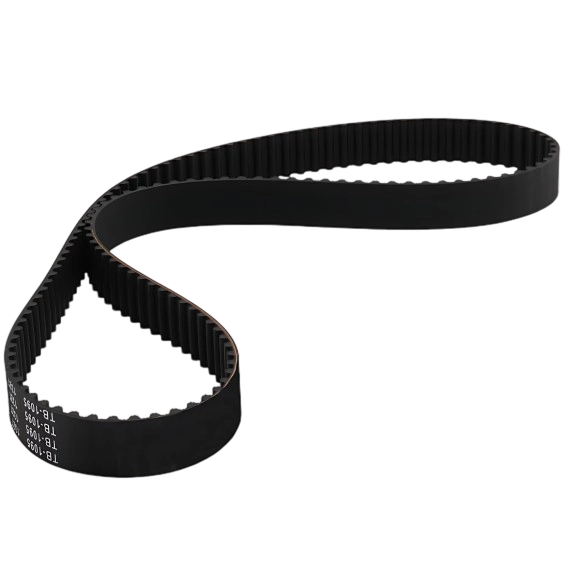
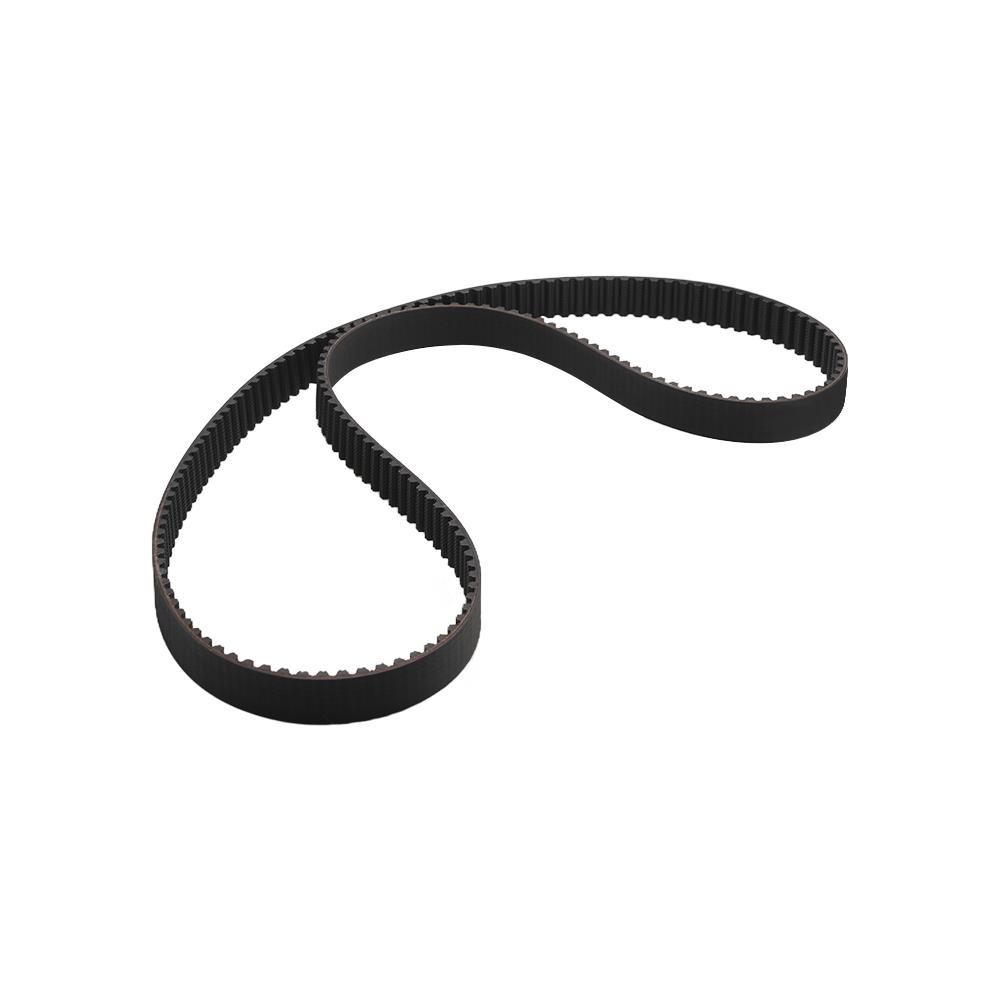
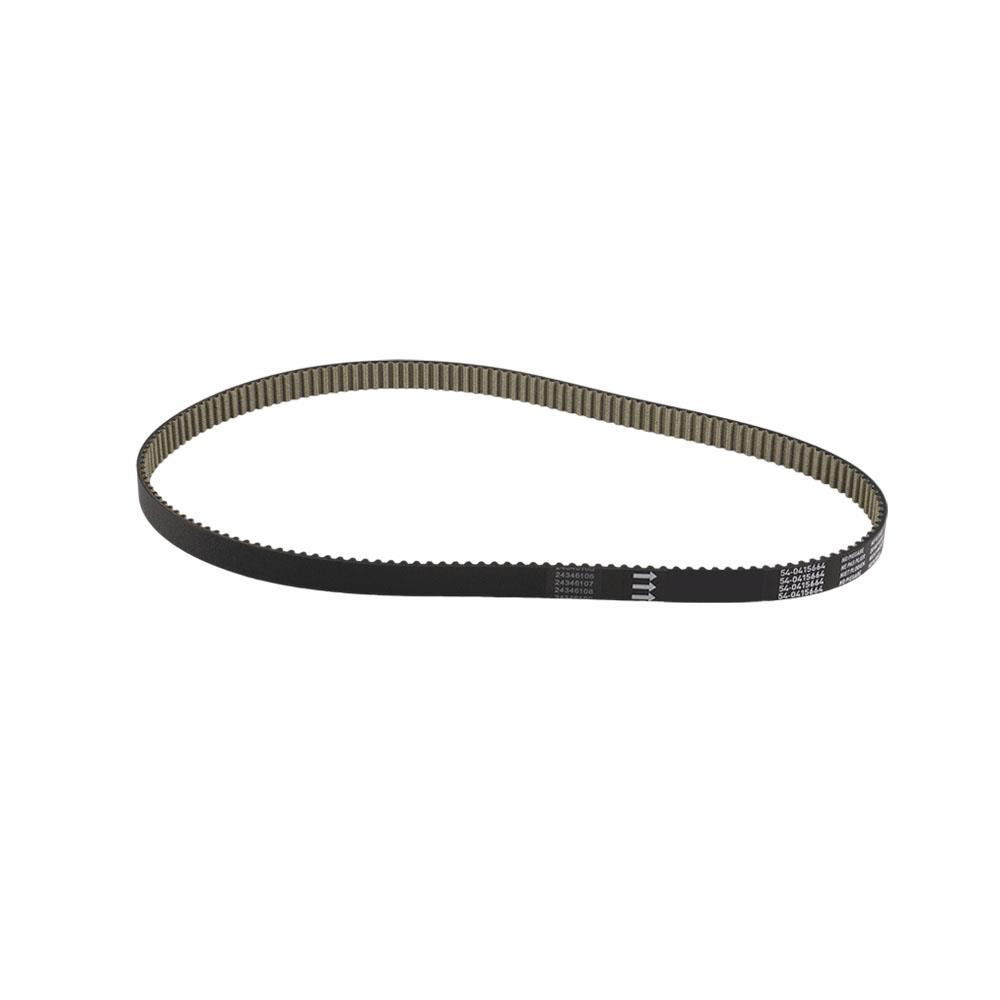
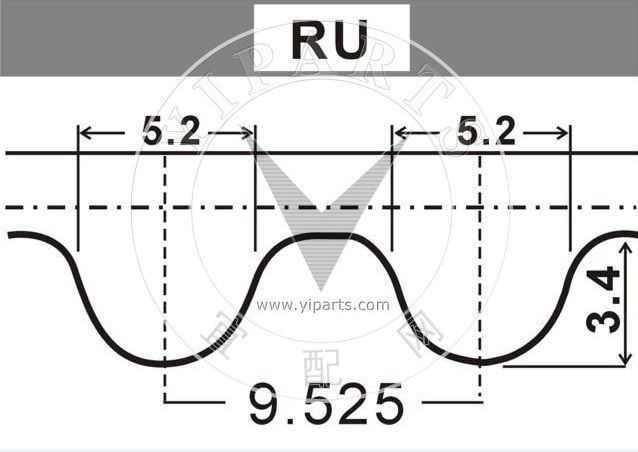
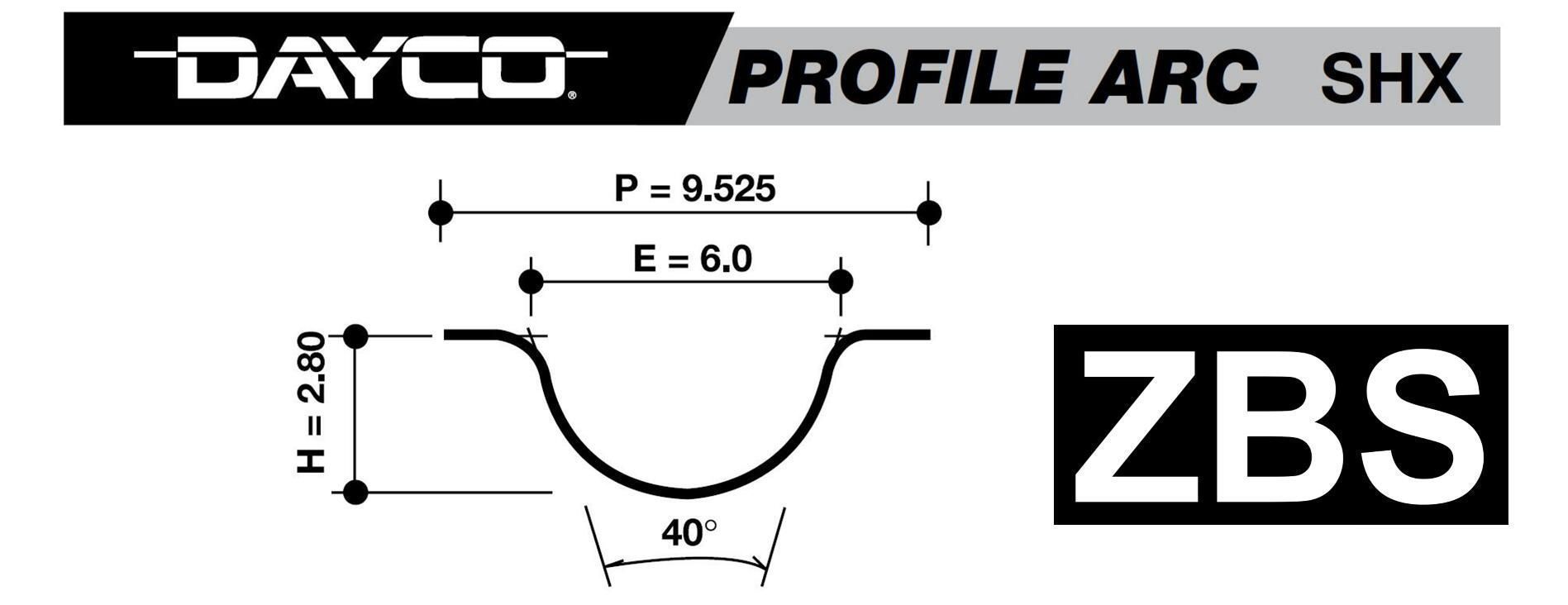
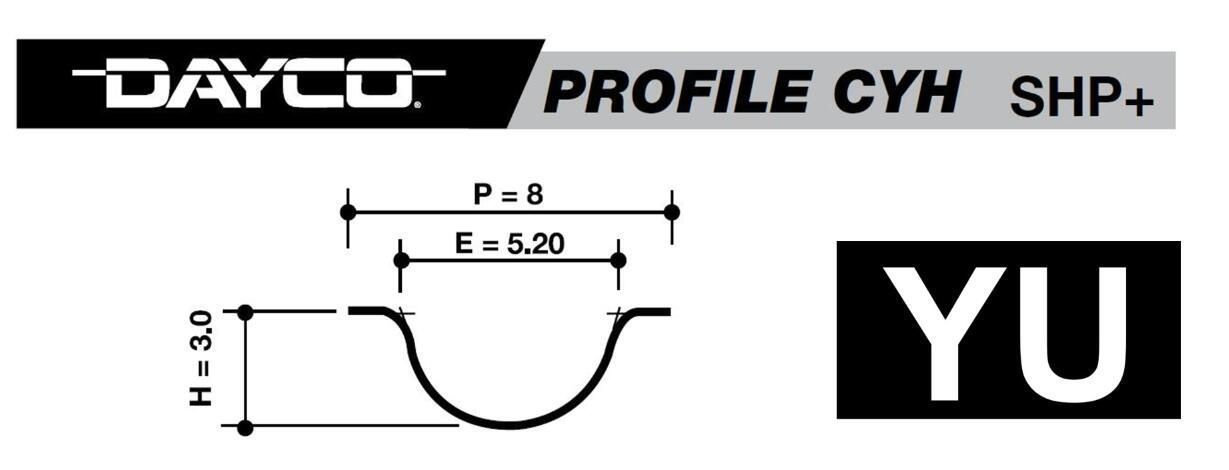

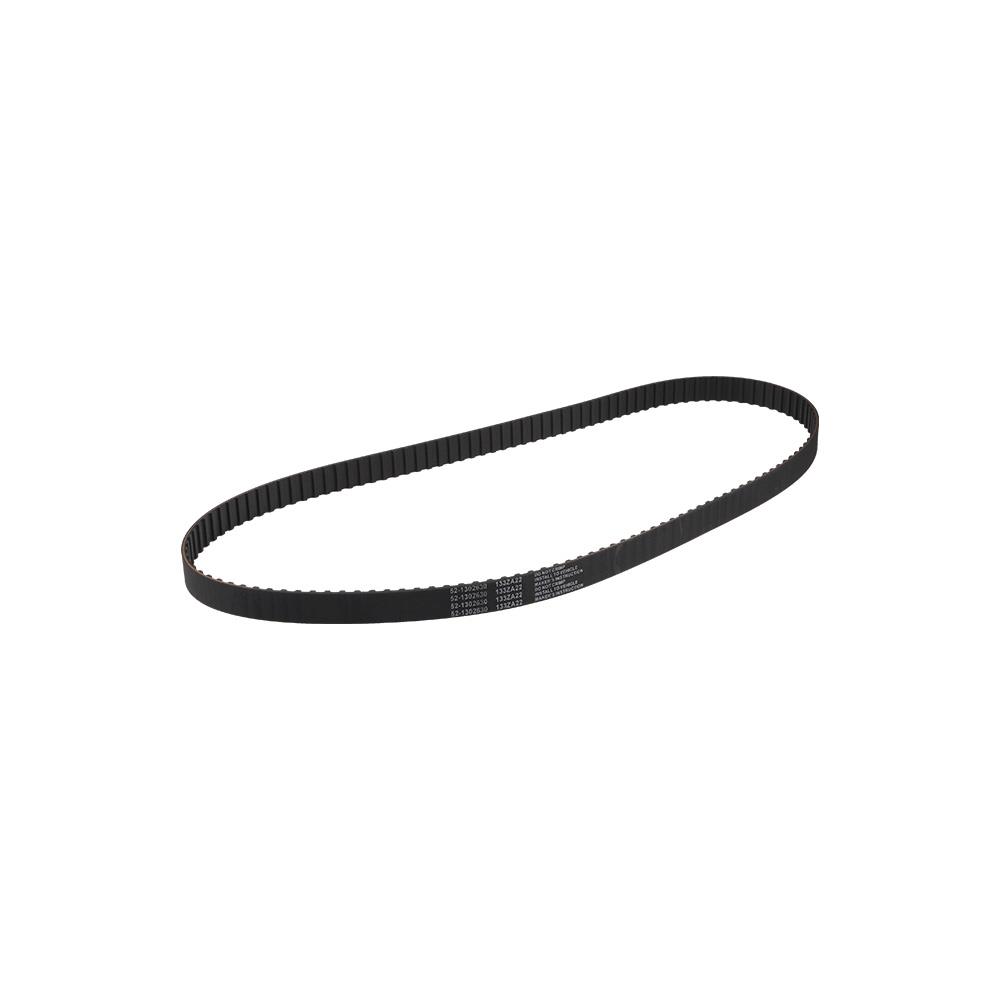
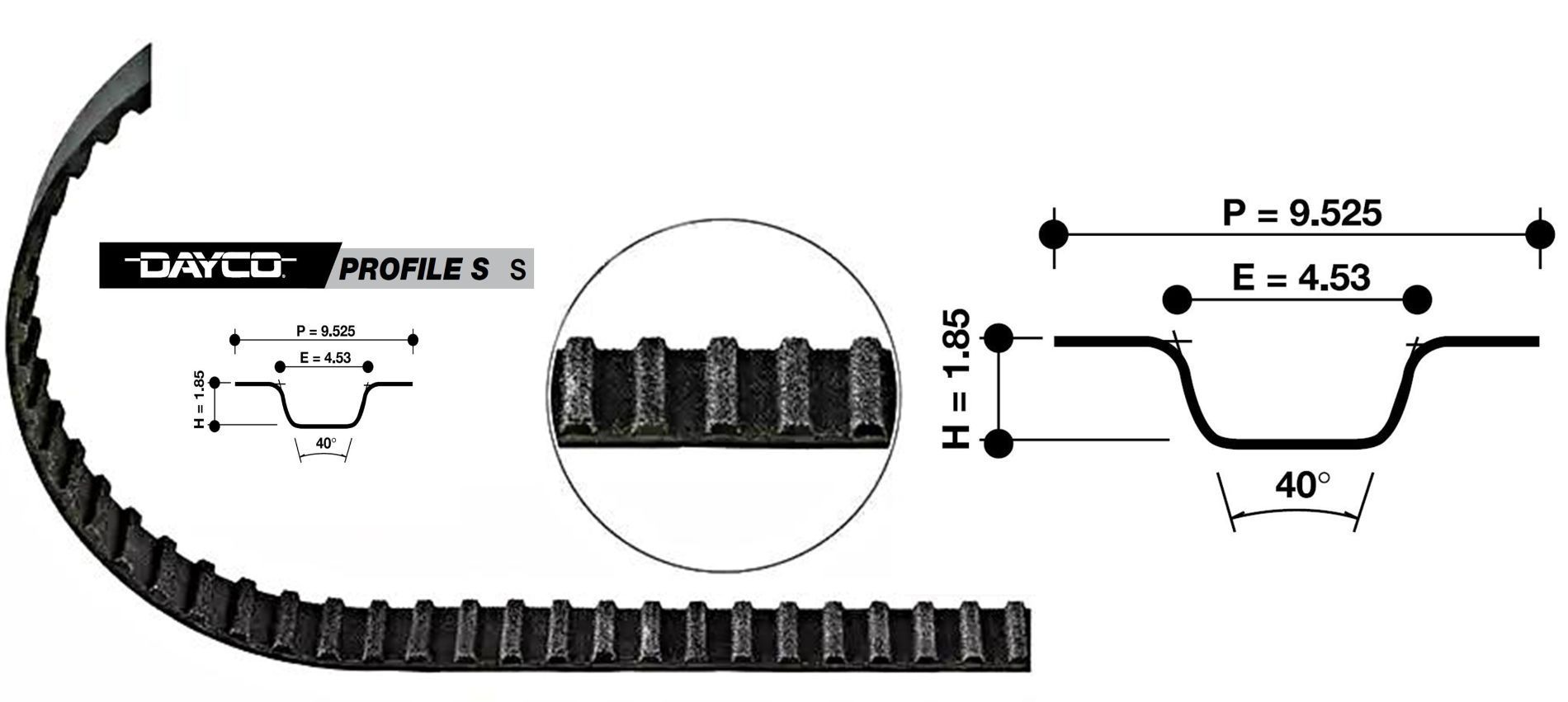
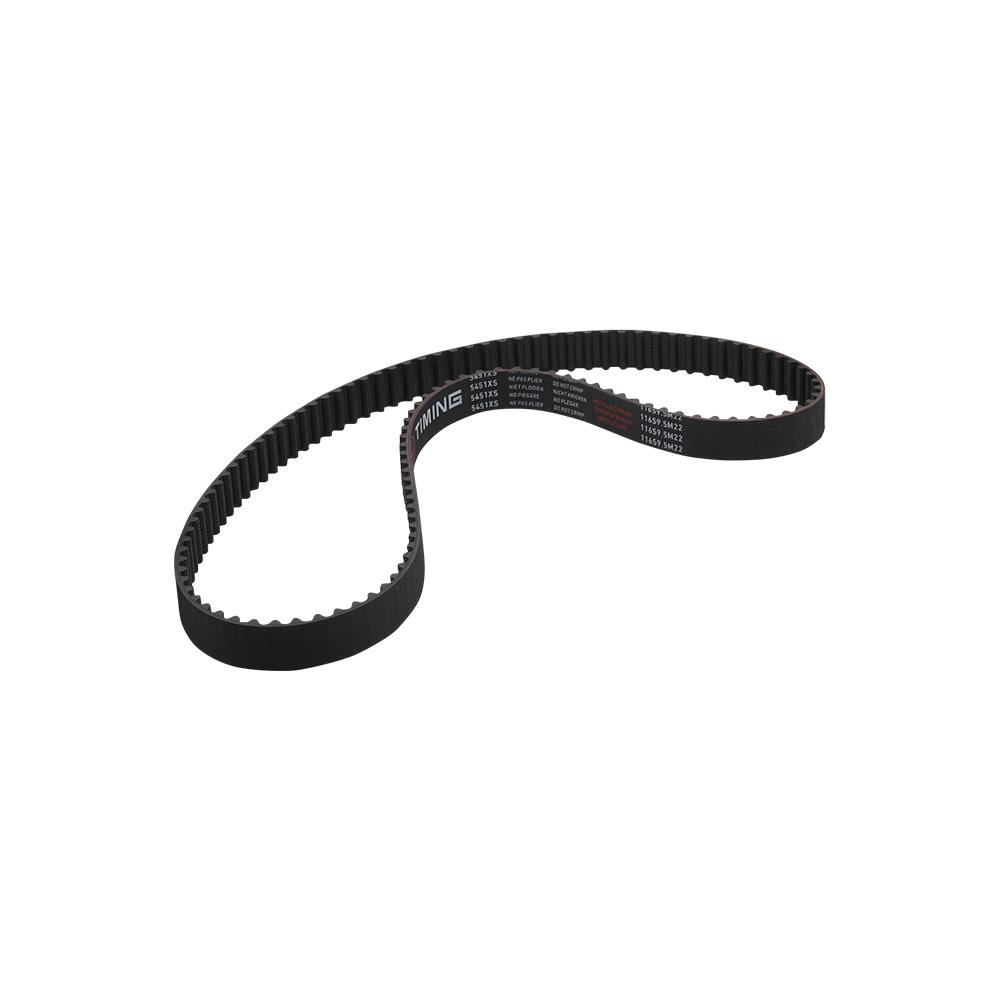
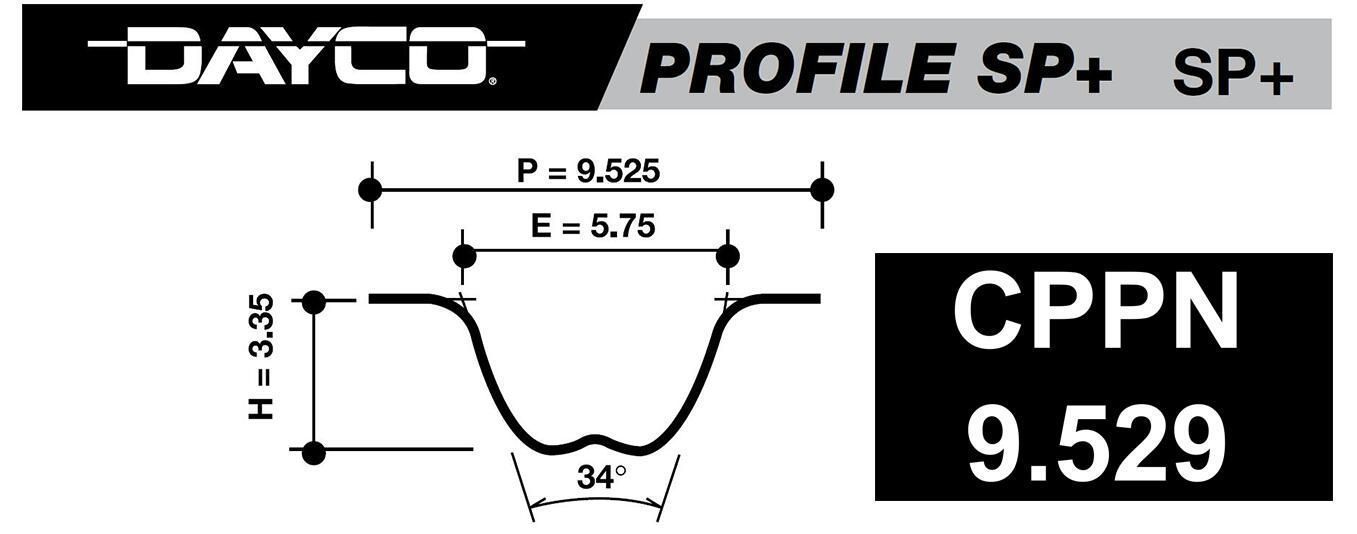
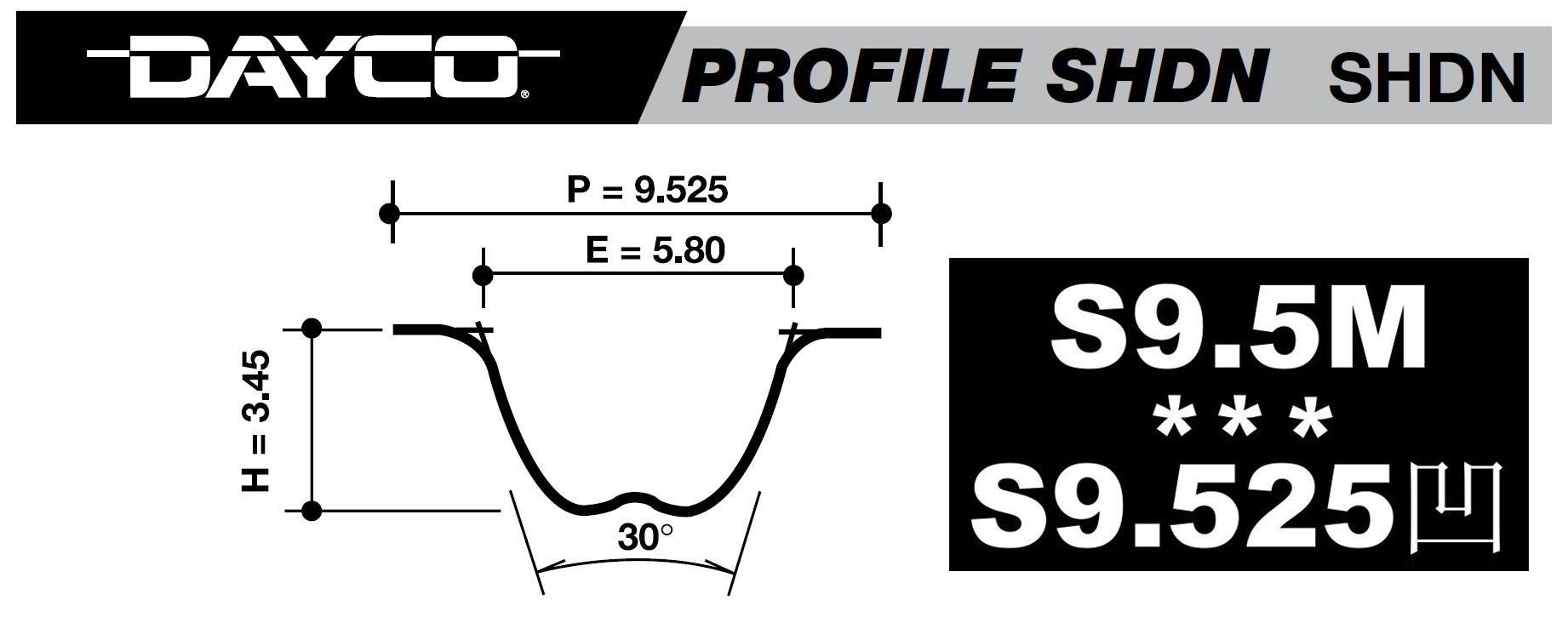
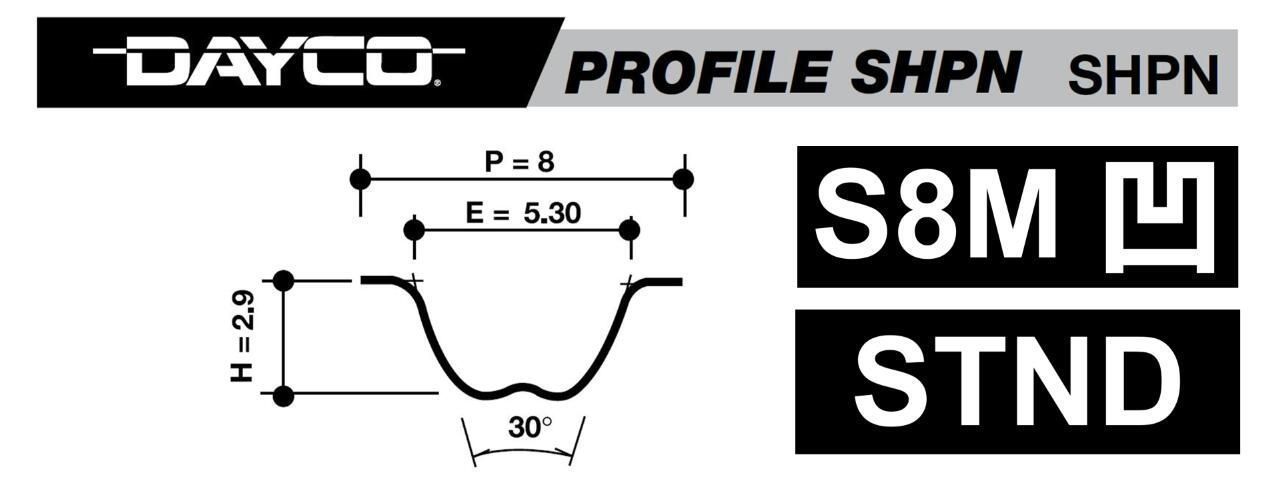
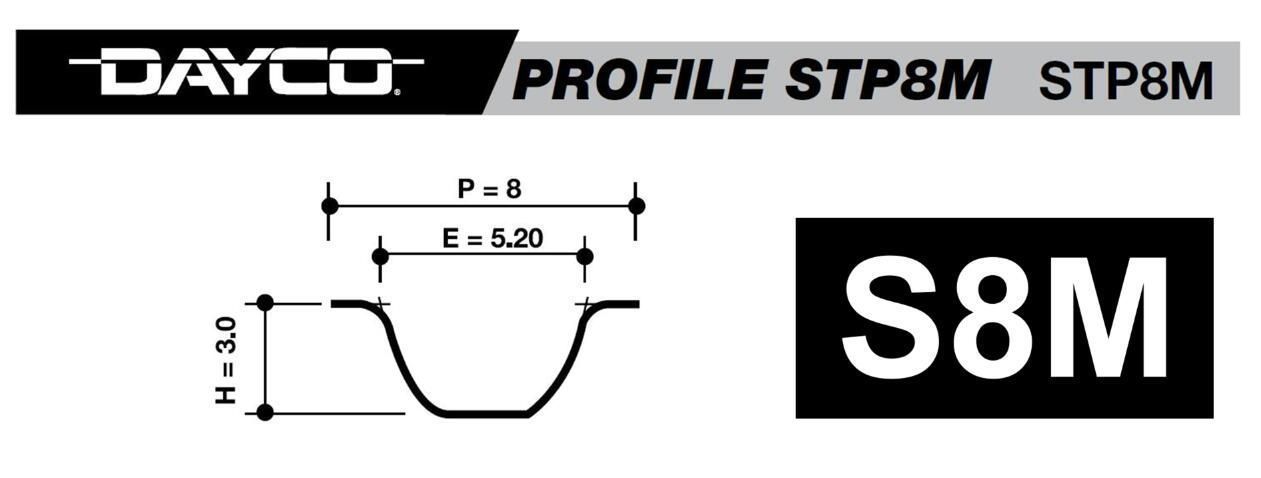
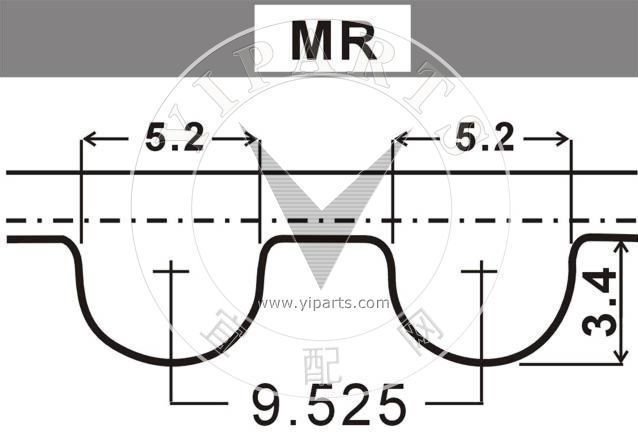
A timing belt is a reinforced rubber belt with teeth on its inner surface that is one of the most critical components of an internal combustion engine. Its primary role is to synchronize the rotation of the crankshaft and the camshaft(s), ensuring that the engine's valves open and close at the precise moments relative to the piston's position. This precise timing is essential for proper engine operation.
Functions of a Timing Belt
Synchronize Engine Rotation
Maintains the precise relationship between the crankshaft (pistons) and camshaft (valves) for every combustion cycle.
Drive Camshaft(s)
Directly powers the camshaft(s) to open and close the intake and exhaust valves at the correct time for air intake and exhaust removal.
Operate Other Components
In many engine designs, the timing belt also drives the water pump, and sometimes the oil pump or balance shafts.
Ensure Engine Performance
Correct timing is essential for optimal engine power, fuel efficiency, and low emissions.
Symptoms of a Failing Timing Belt
A failing timing belt often gives little warning before it breaks. Failure on an "interference engine" will cause catastrophic internal damage. Adhering to replacement schedules is crucial.
Manufacturer's Replacement Interval
This is the most important indicator. The belt must be replaced when it reaches the specified mileage or age, regardless of its appearance.
Visible Wear and Tear
Cracks, fraying along the edges, glazing (a shiny, hardened surface), or contamination from oil or coolant are clear signs the belt needs replacement.
Ticking or Whining Noise
A high-pitched sound or a consistent ticking from the timing cover area can indicate a loose belt or a failing tensioner/idler bearing.
Poor Engine Performance
If the belt has stretched or jumped a tooth, it can lead to a rough idle, misfires, loss of power, and increased fuel consumption.
Engine Won't Start
If the belt has completely broken, the camshafts will stop turning, and the engine will crank but will not start.
Best Practices for Maintenance
Adhere to Replacement Intervals
Treat the manufacturer's recommended service interval as a strict deadline. This is the most effective form of maintenance.
Always Replace as a Kit
The tensioner and idler pulley bearings have the same service life as the belt. Replacing only the belt is a false economy that risks catastrophic failure.
Keep the Belt Clean
Address any oil or coolant leaks near the timing cover immediately, as these fluids will rapidly degrade the belt's rubber compound.
Material and Construction
Modern timing belts are sophisticated multi-layer components designed to withstand extreme temperatures, constant flexing, and high tension while maintaining precise dimensional stability over their entire service life.
Timing Belt vs. Timing Belt Kit
What is a Timing Belt Kit?
A timing belt kit is a complete package that includes not only the timing belt itself, but also all the related components needed for a proper timing belt replacement. This typically includes tensioners, idler pulleys, and sometimes additional seals and gaskets. It's designed to provide everything needed for a comprehensive timing system service.
| Attribute | Timing Belt Only | Timing Belt Kit |
|---|---|---|
| Components | Belt only | Belt + tensioners + idler pulleys + seals |
| Cost | Lower upfront cost | Higher upfront, better long-term value |
| Labor Requirements | May need future services for worn components | One-time comprehensive service |
| Reliability | Risk of component failure after belt replacement | All components refreshed together |
Buying just a timing belt is like replacing only one worn tire, while a timing belt kit is like getting a complete tire and suspension refresh all at once.