


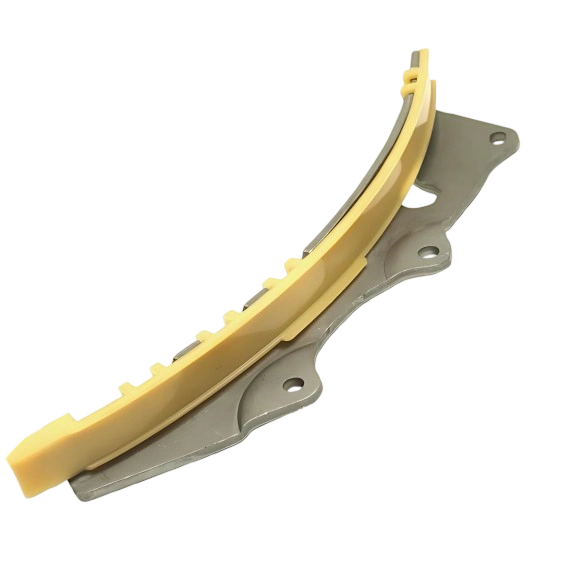
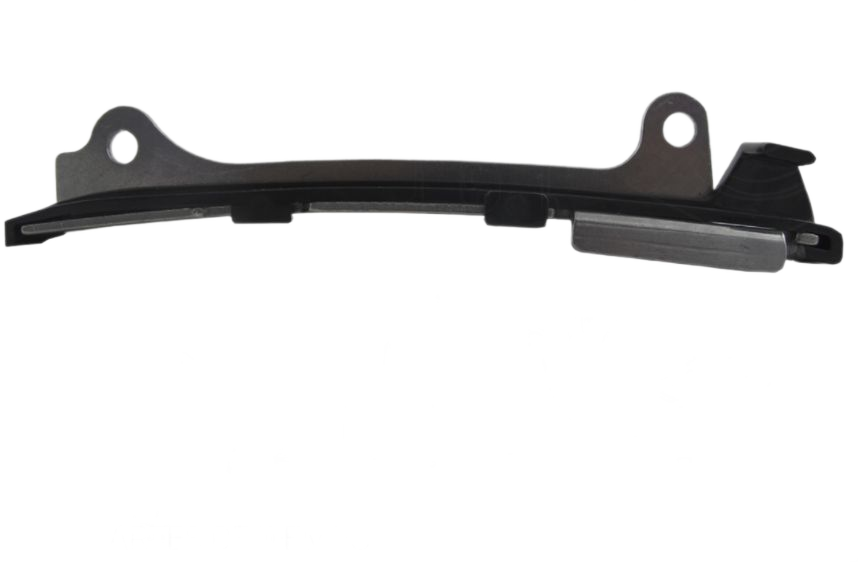
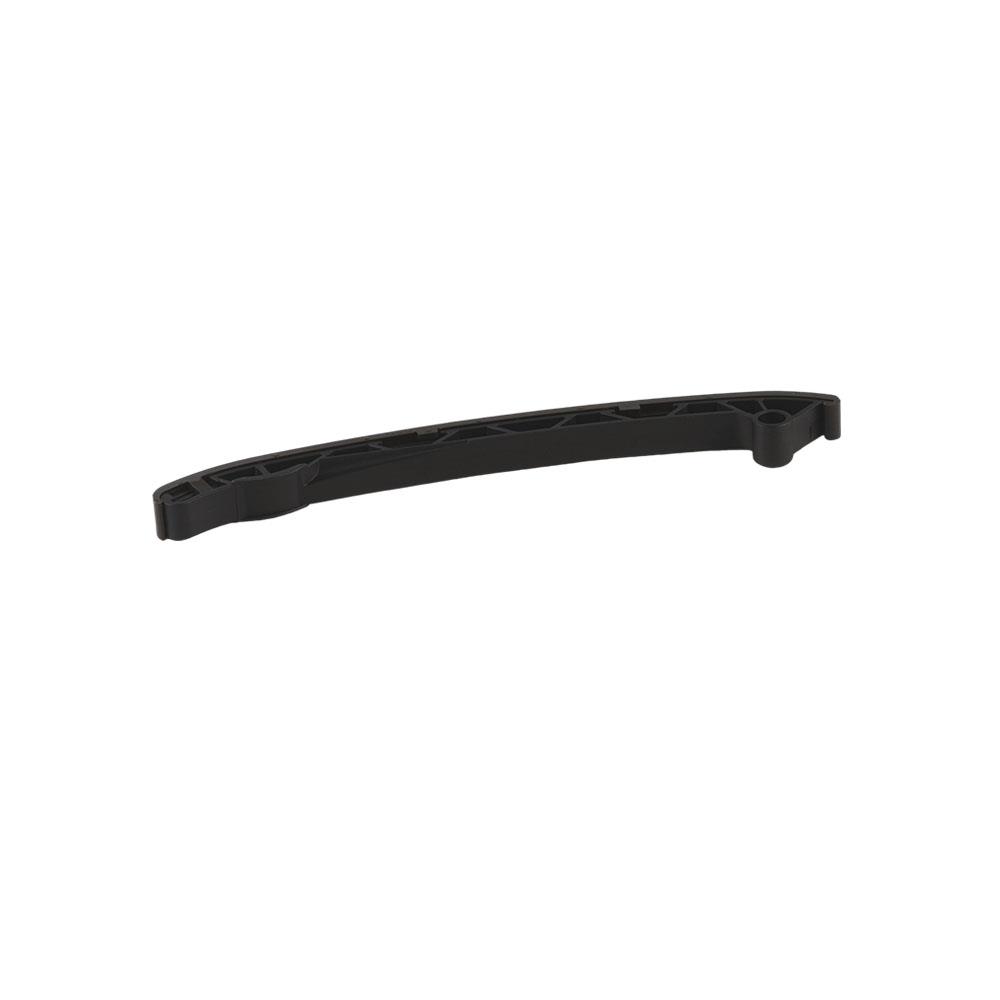
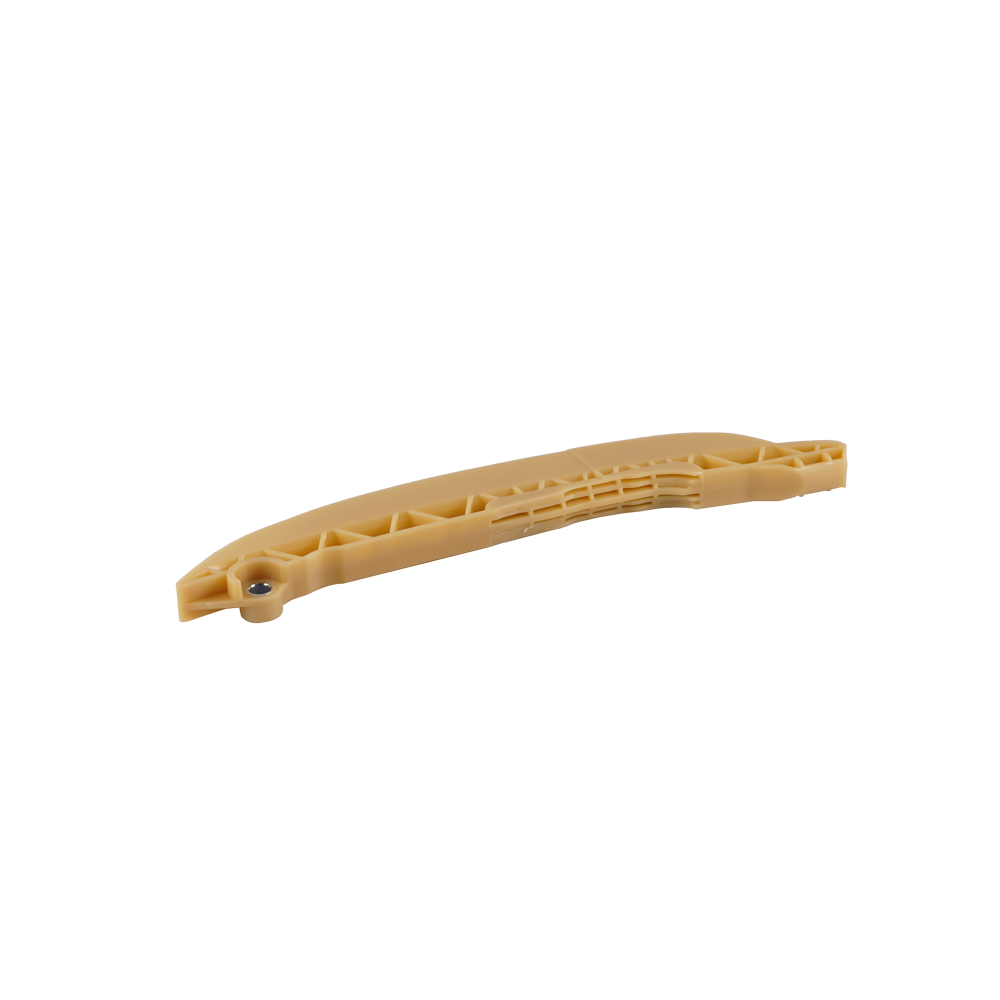
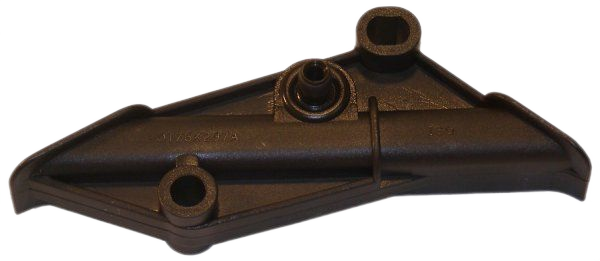
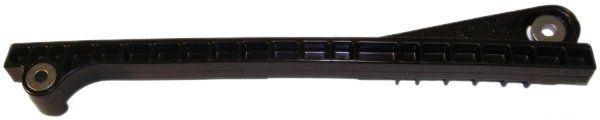
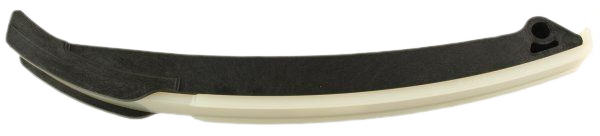
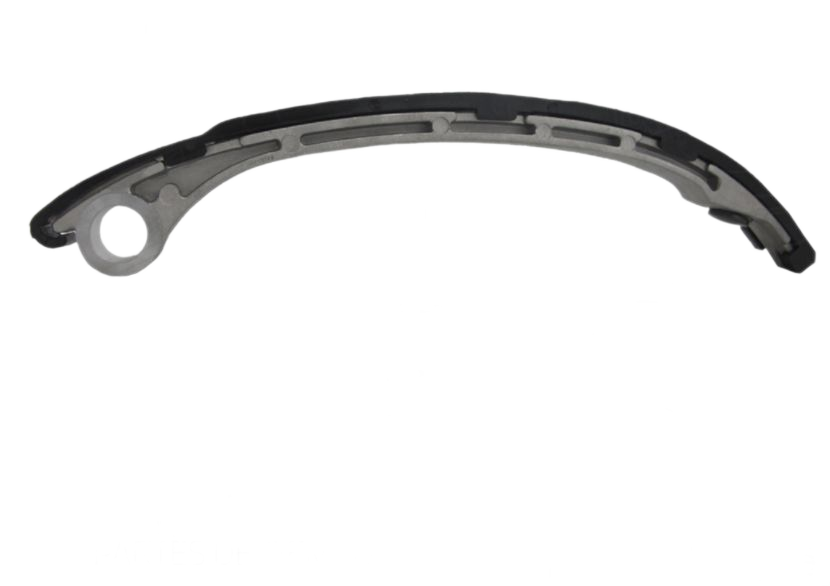
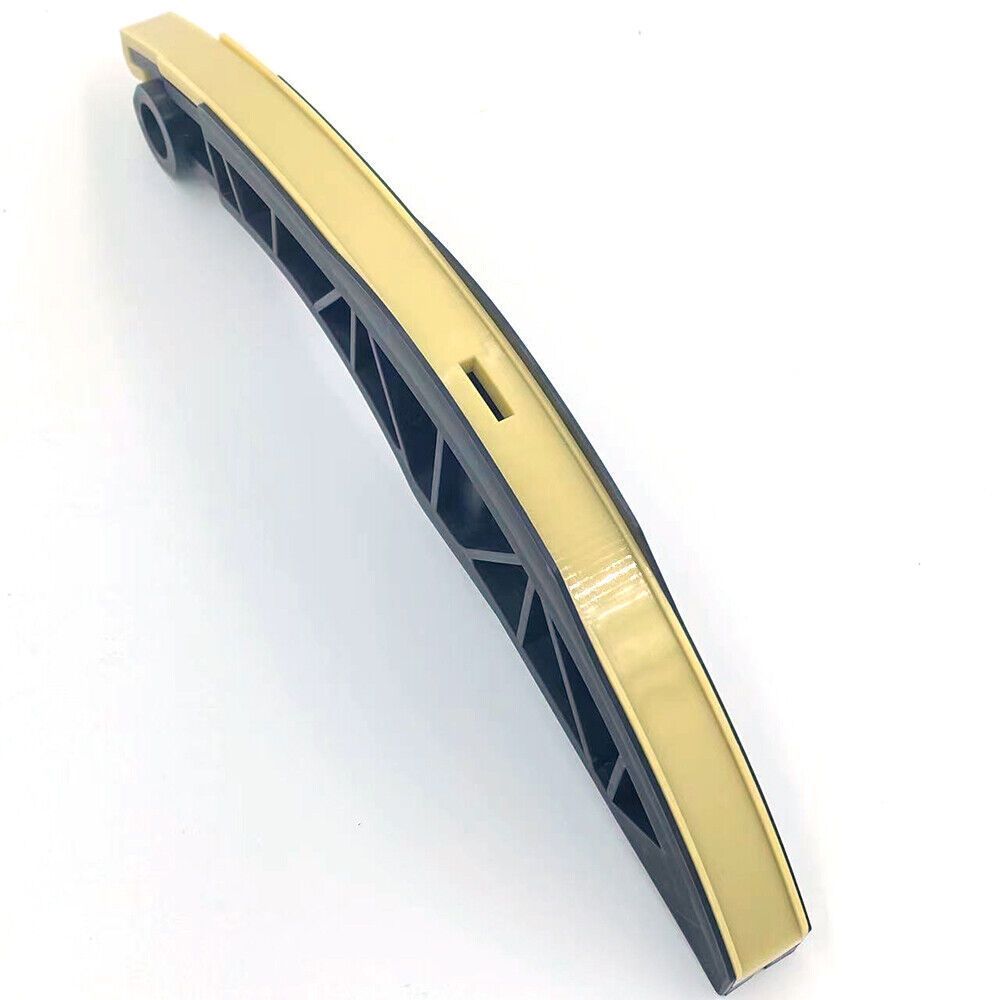
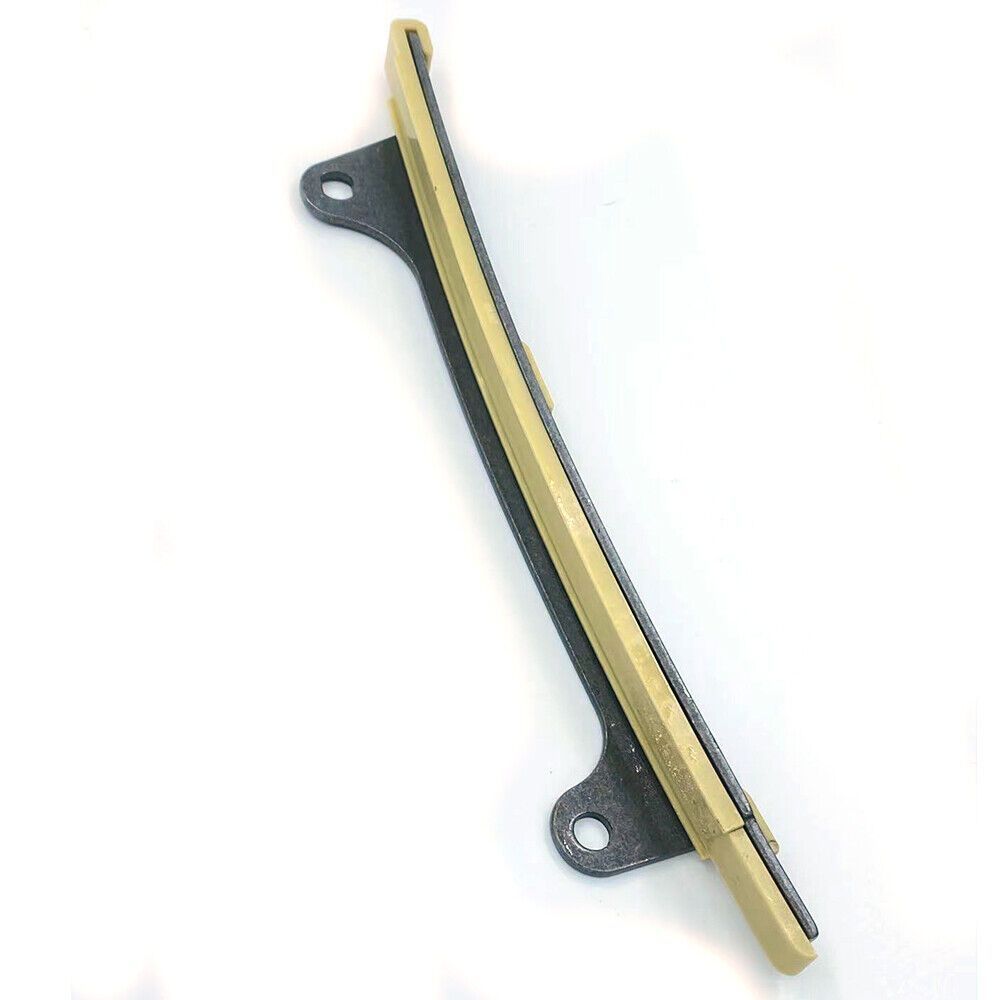
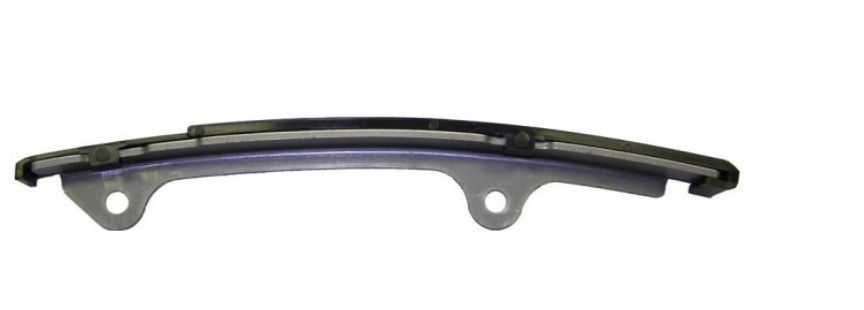
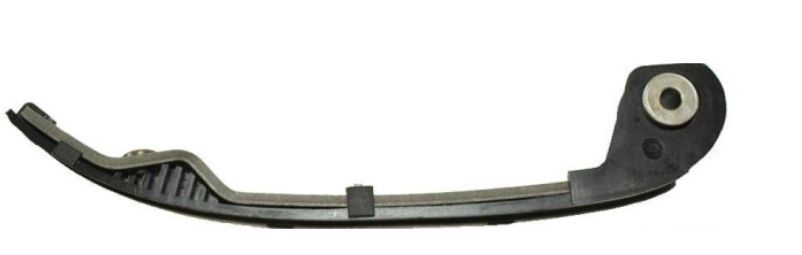
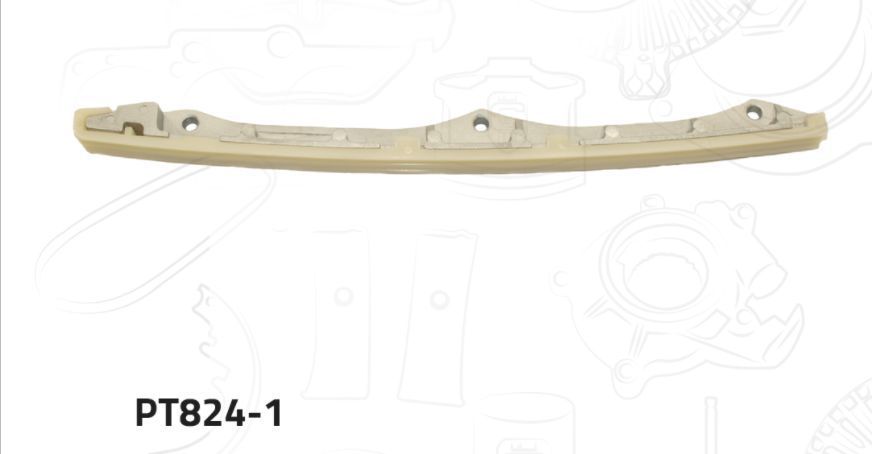
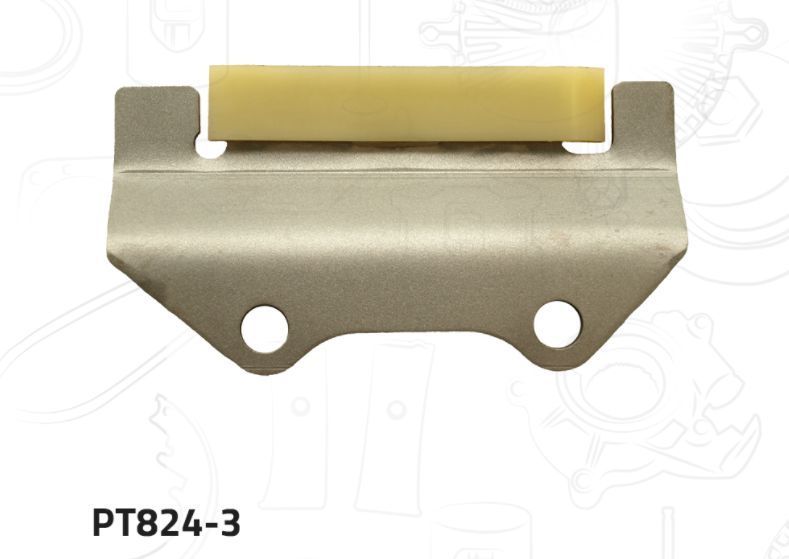
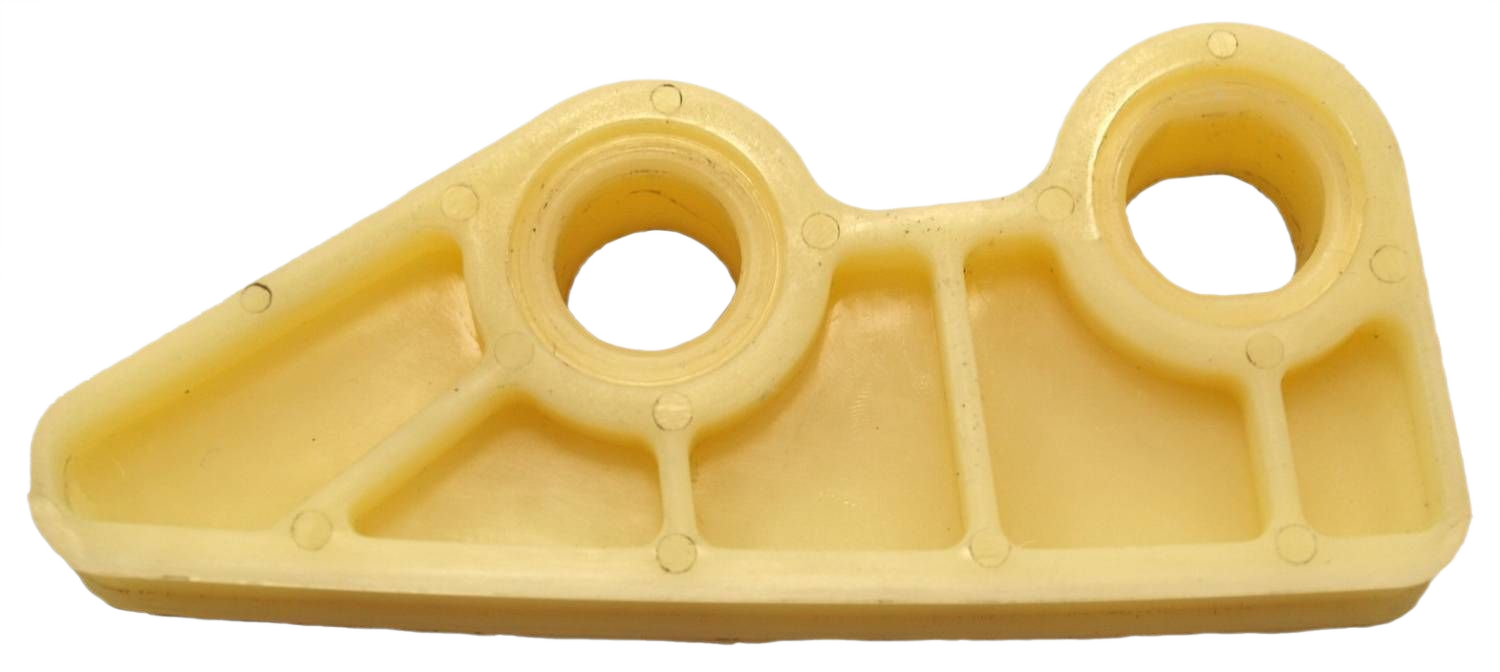
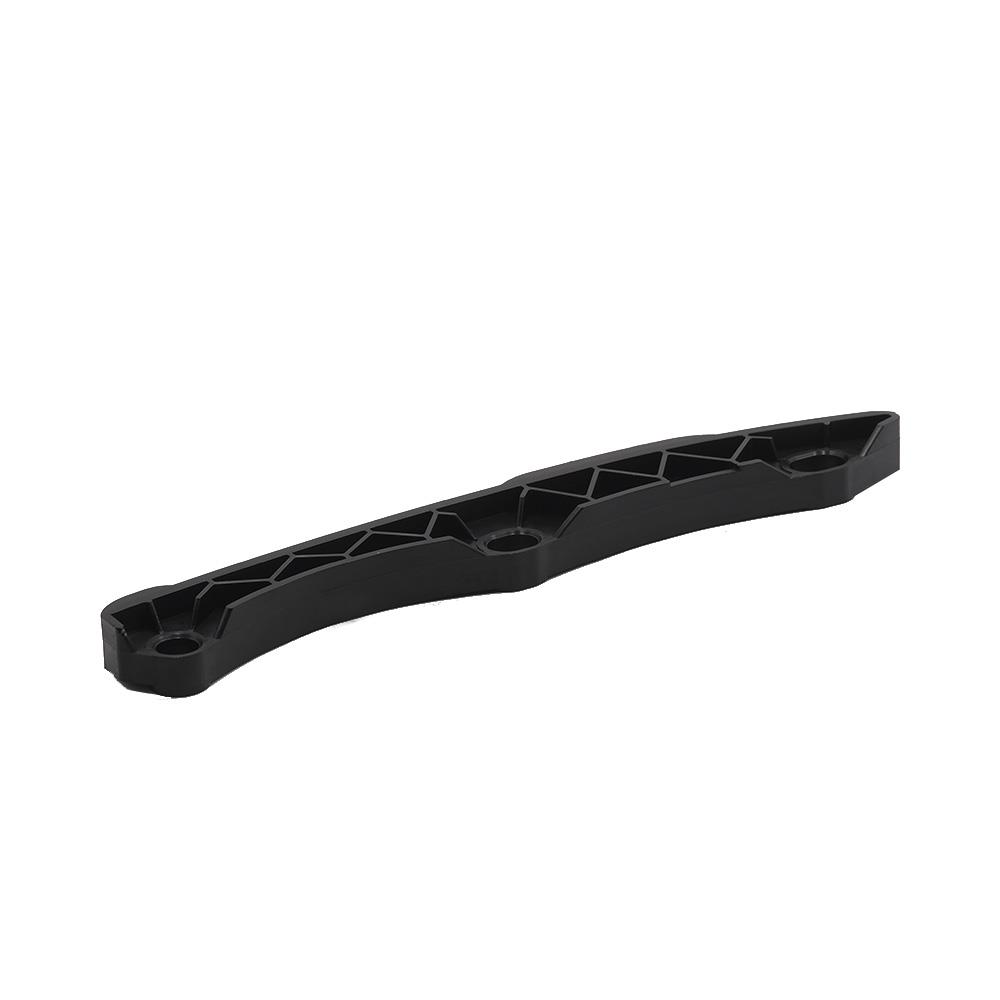
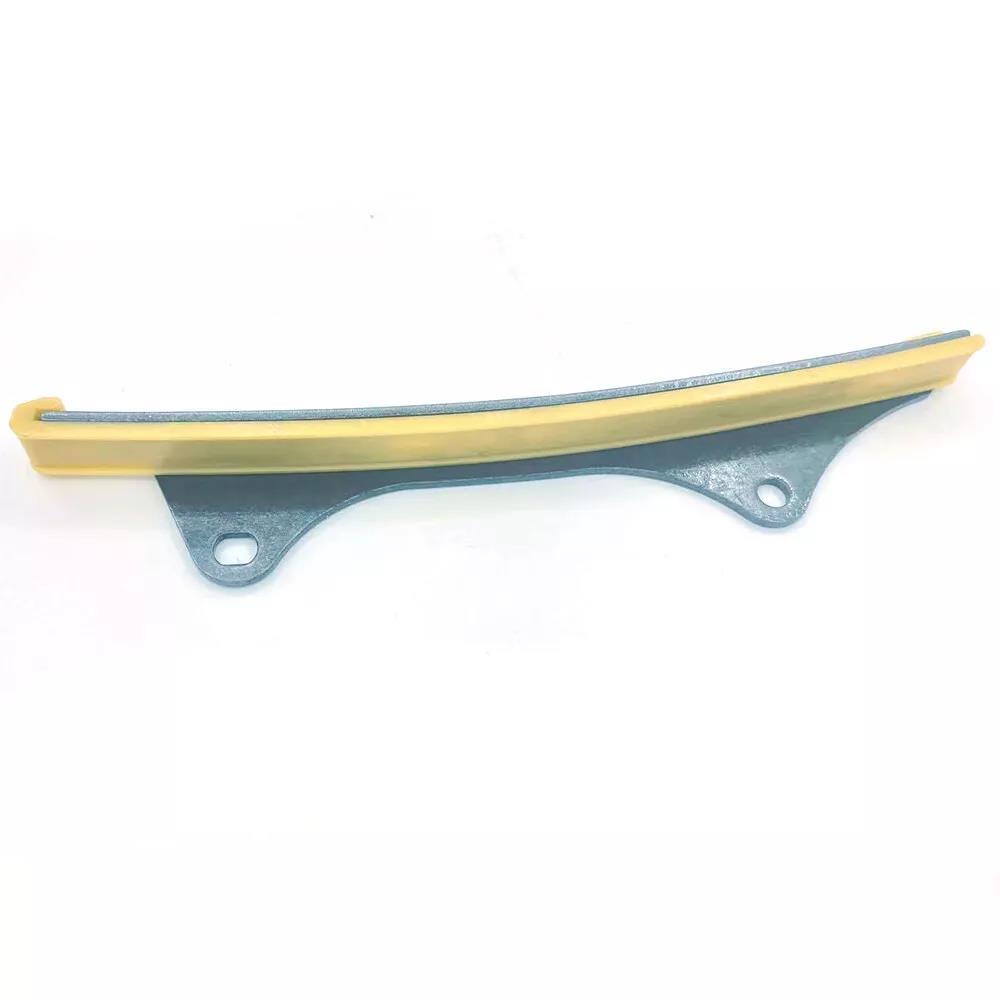
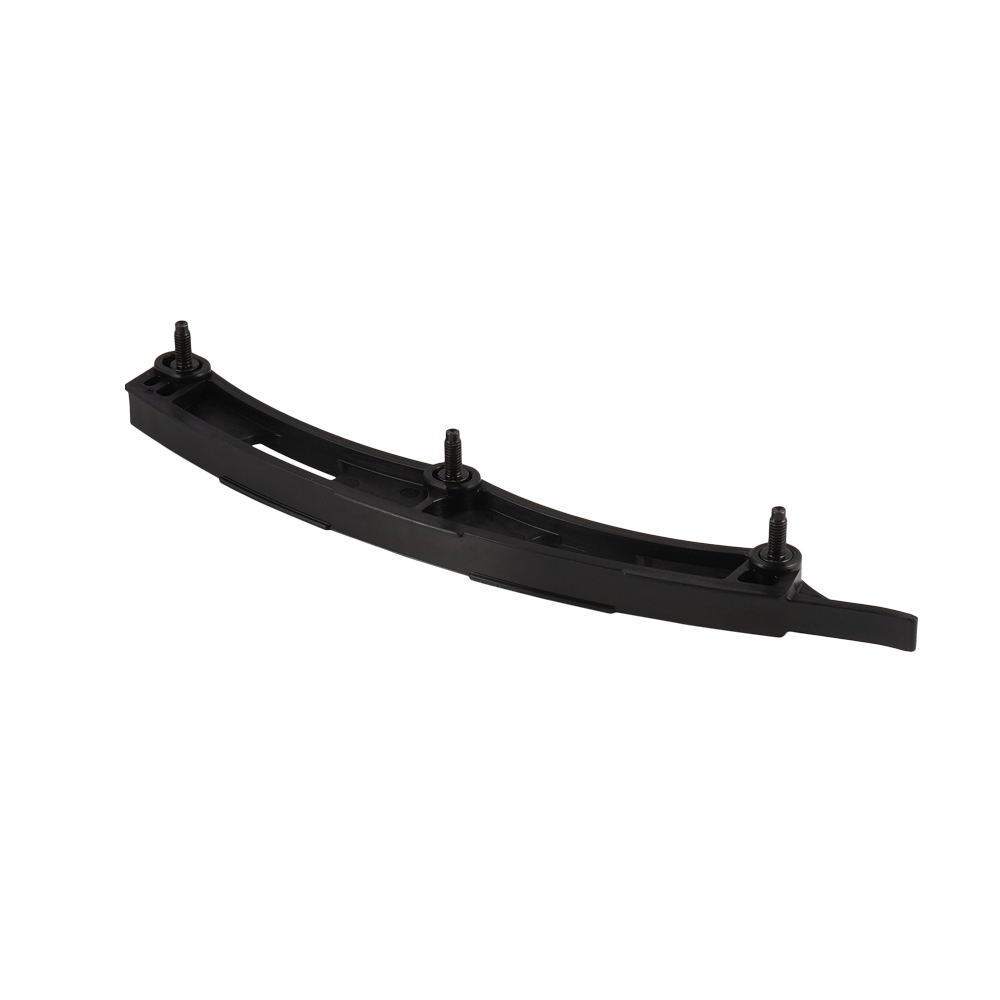
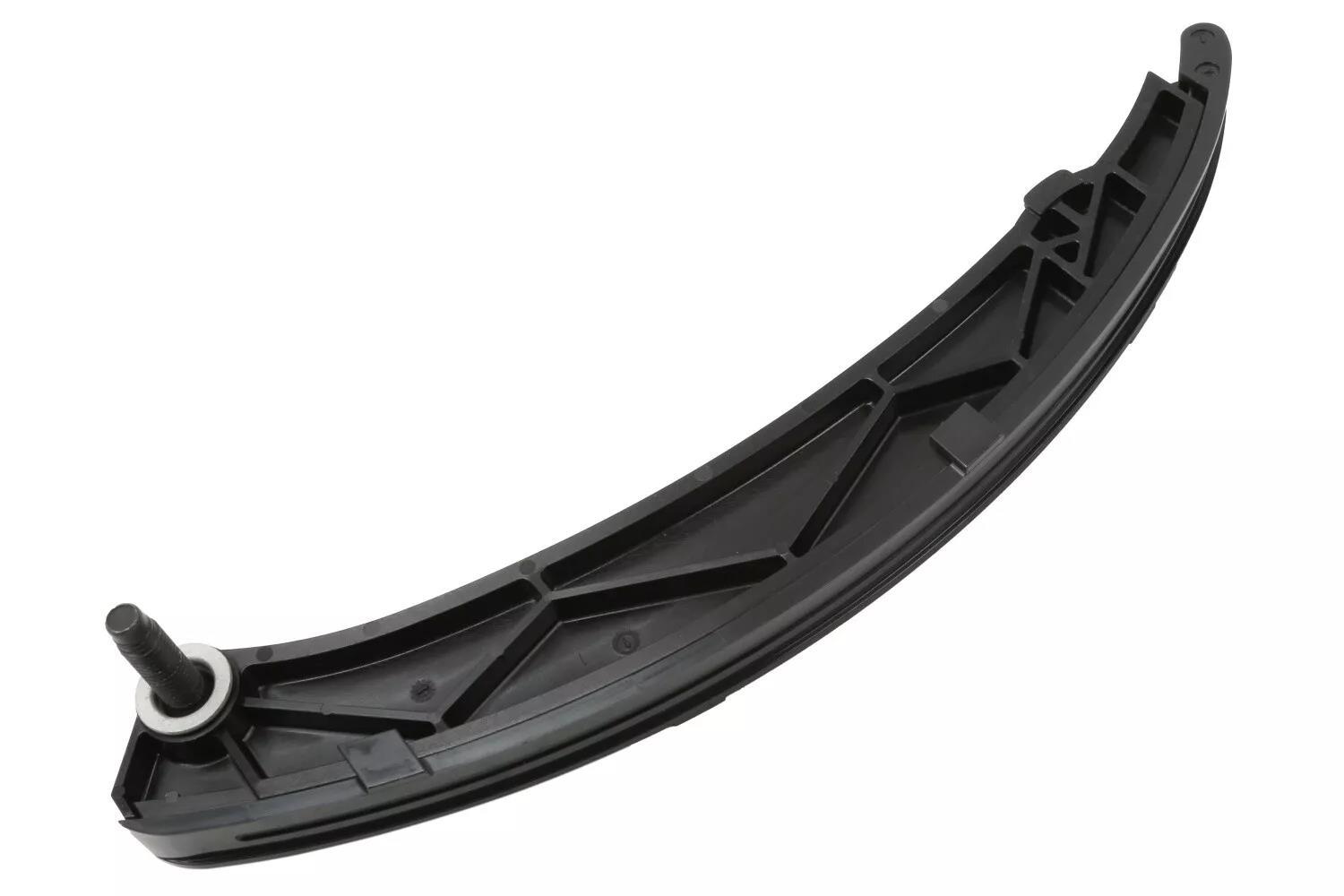
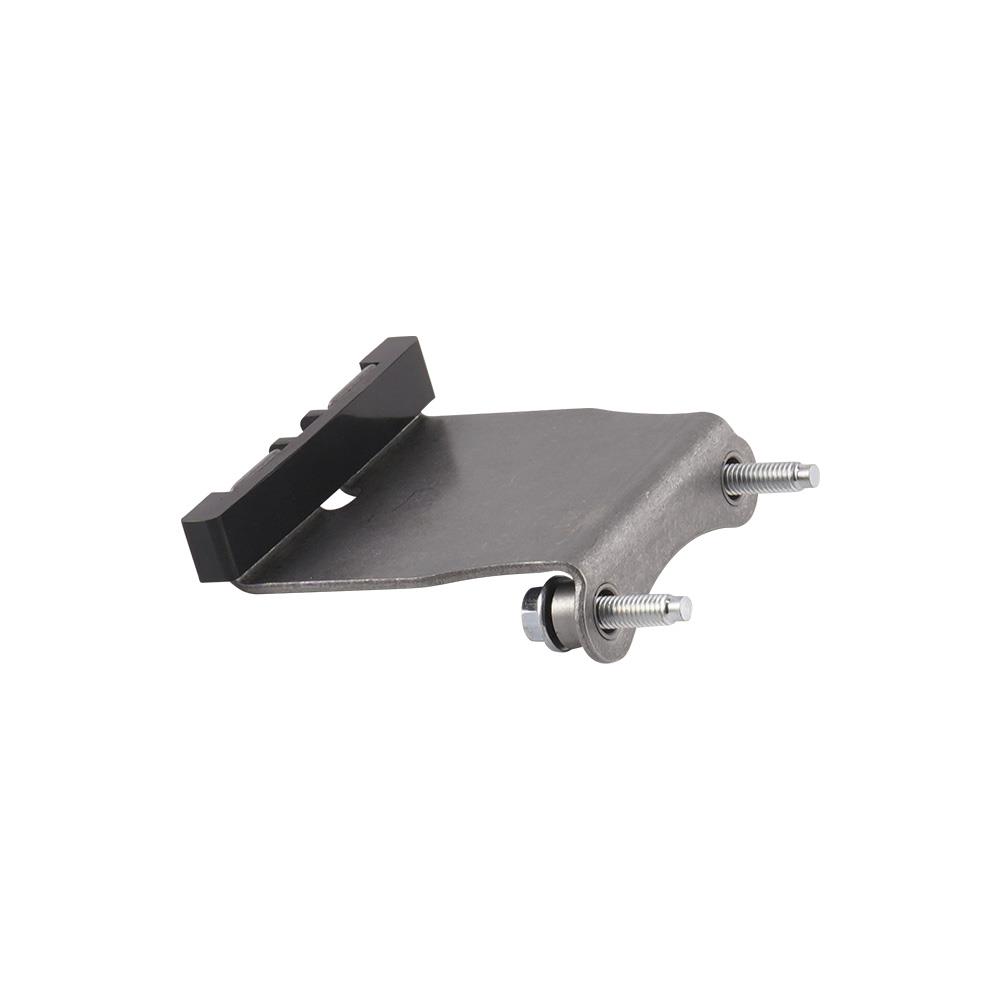
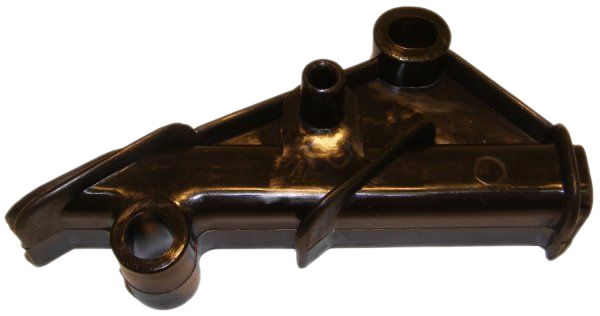
A timing chain guide is a stationary component, typically made of a steel or aluminum backing with a durable, low-friction polymer (nylon) face, that is bolted inside the engine. Its primary role is to provide a smooth, stable surface for the timing chain to slide against as it travels between the crankshaft and camshaft sprockets. By controlling slack and preventing whipping motions, the guides ensure the chain remains properly engaged with the sprockets, maintaining precise engine timing and reducing noise.
Functions of a Timing Chain Guide
Control Chain Path
Ensures the chain follows its intended path, especially on long spans between sprockets in complex DOHC engines.
Prevent Chain Slack and Slap
Supports the "slack" side of the chain, preventing it from whipping, vibrating, or slapping against the timing cover.
Reduce Noise and Wear
The polymer face provides a quiet, low-friction surface for the chain to run on, reducing both noise and wear on the chain's rollers.
Maintain Timing Accuracy
By preventing slack, it helps ensure the chain remains correctly engaged with the sprockets, preventing it from "jumping a tooth."
Symptoms of a Failing Timing Chain Guide
A broken guide is a critical failure. The broken plastic pieces can fall into the oil pan, clog the oil pickup tube, and starve the engine of oil, leading to catastrophic failure.
Rattling or Slapping Noise
The most common symptom. A rattling sound from the front of the engine, especially on a cold start, indicates the loose chain is hitting the guide or timing cover.
Plastic Shavings in Engine Oil
Finding tan, brown, or black plastic pieces in the oil pan or filter during an oil change is definitive proof the guides are disintegrating.
Check Engine Light with Timing Codes
A broken guide can allow enough slack for the chain to jump a tooth, creating a cam/crank correlation error and triggering a fault code.
Engine Misfires or Rough Running
If the timing has jumped, the engine will run poorly, misfire, lose power, and may be difficult to start.
Timing Chain Guide vs. Timing Chain Tensioner
What is a Timing Chain Tensioner?
The tensioner is an active component that applies constant pressure to a guide or tensioner arm. It uses a spring and/or hydraulic pressure (from engine oil) to push against the chain, automatically taking up slack as the chain wears over its life.
| Attribute | Timing Chain Guide | Timing Chain Tensioner |
|---|---|---|
| Role | Passive (stationary) | Active (applies force) |
| Function | Defines chain path | Removes chain slack |
| Failure Mode | Wears out, cracks, breaks | Loses pressure, spring weakens |
| Primary Symptom | Constant slapping noise | Brief rattle on startup |
A Timing Chain Guide is the guardrail on the highway; the Tensioner is the shock absorber pushing the road up to meet the car.