


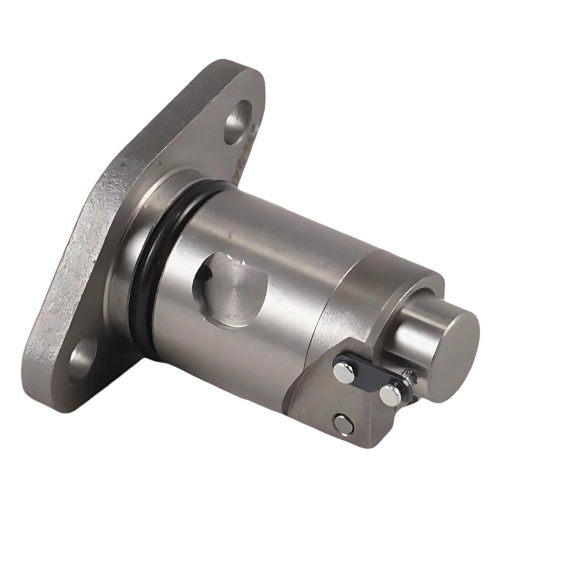
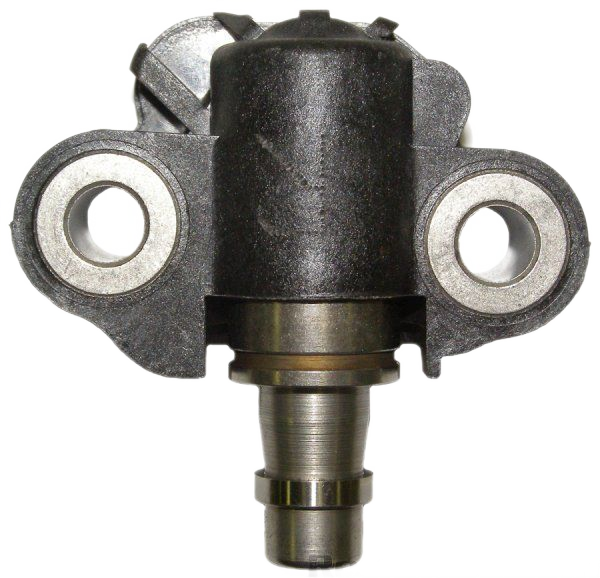
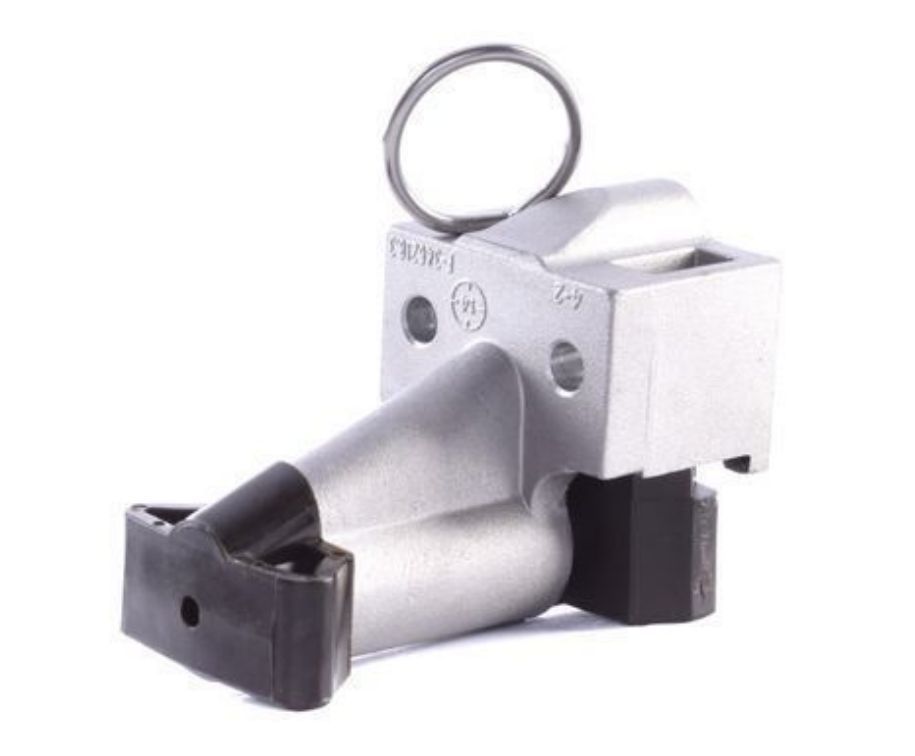
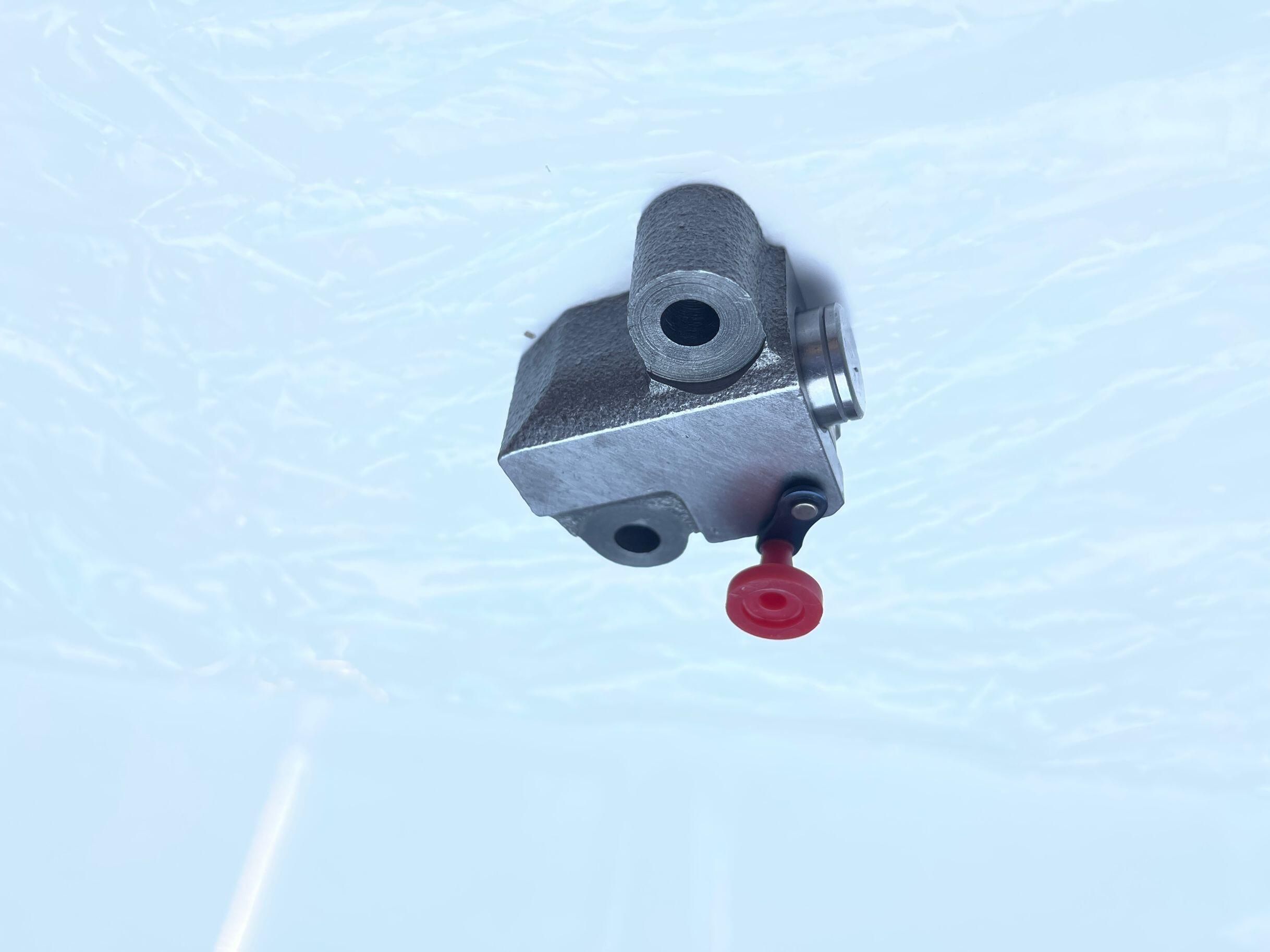
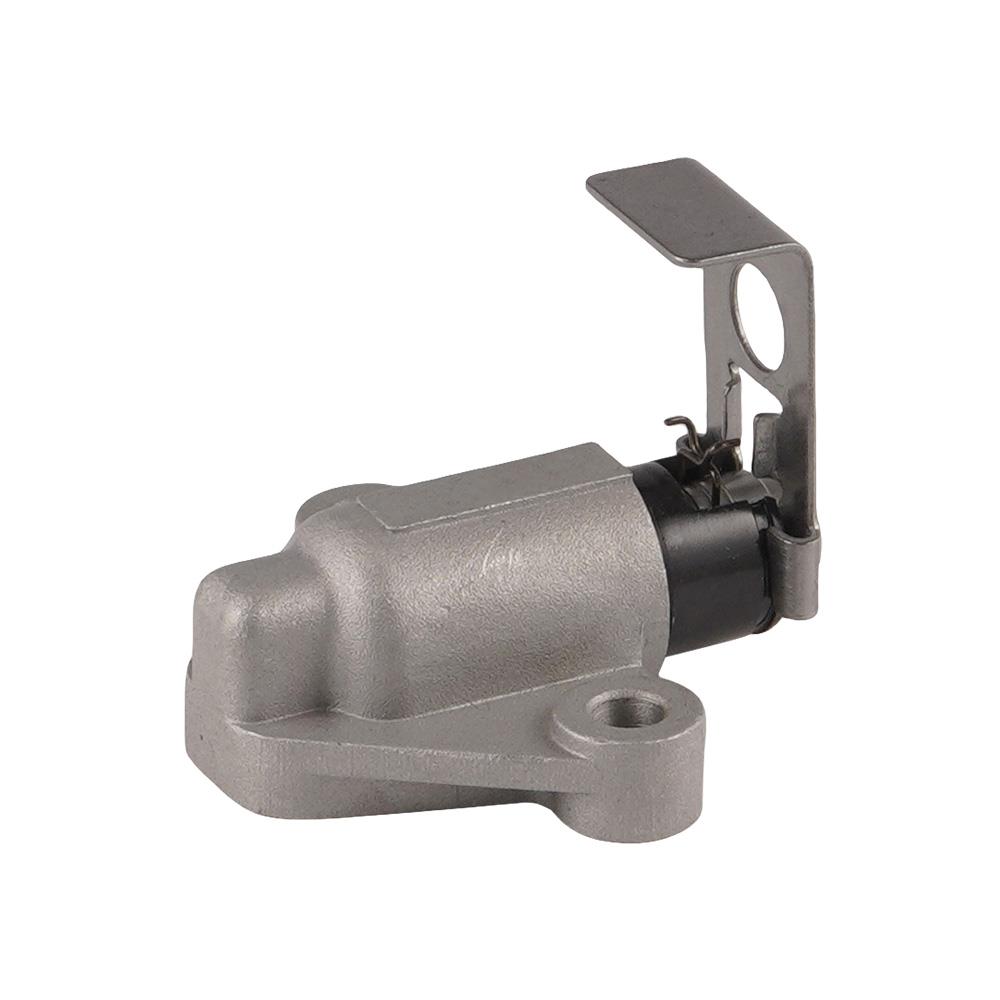
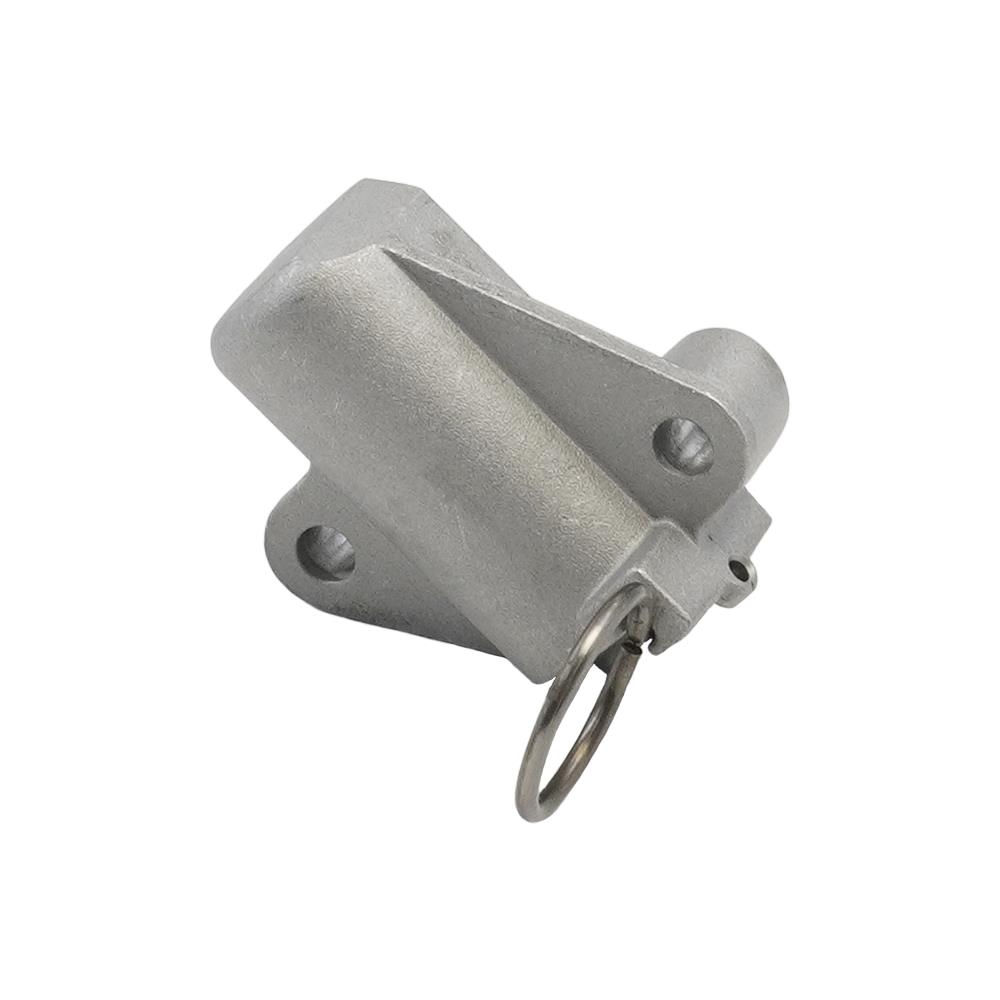
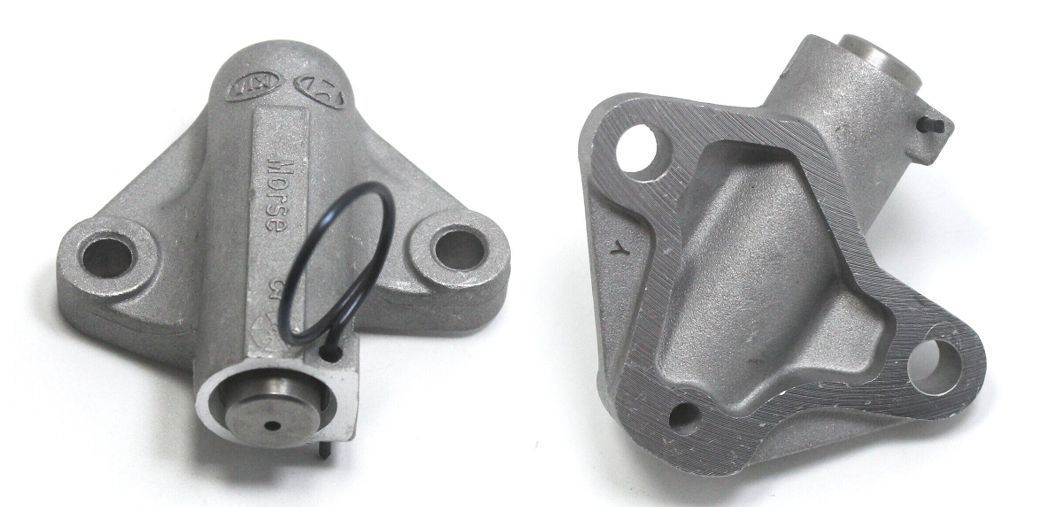
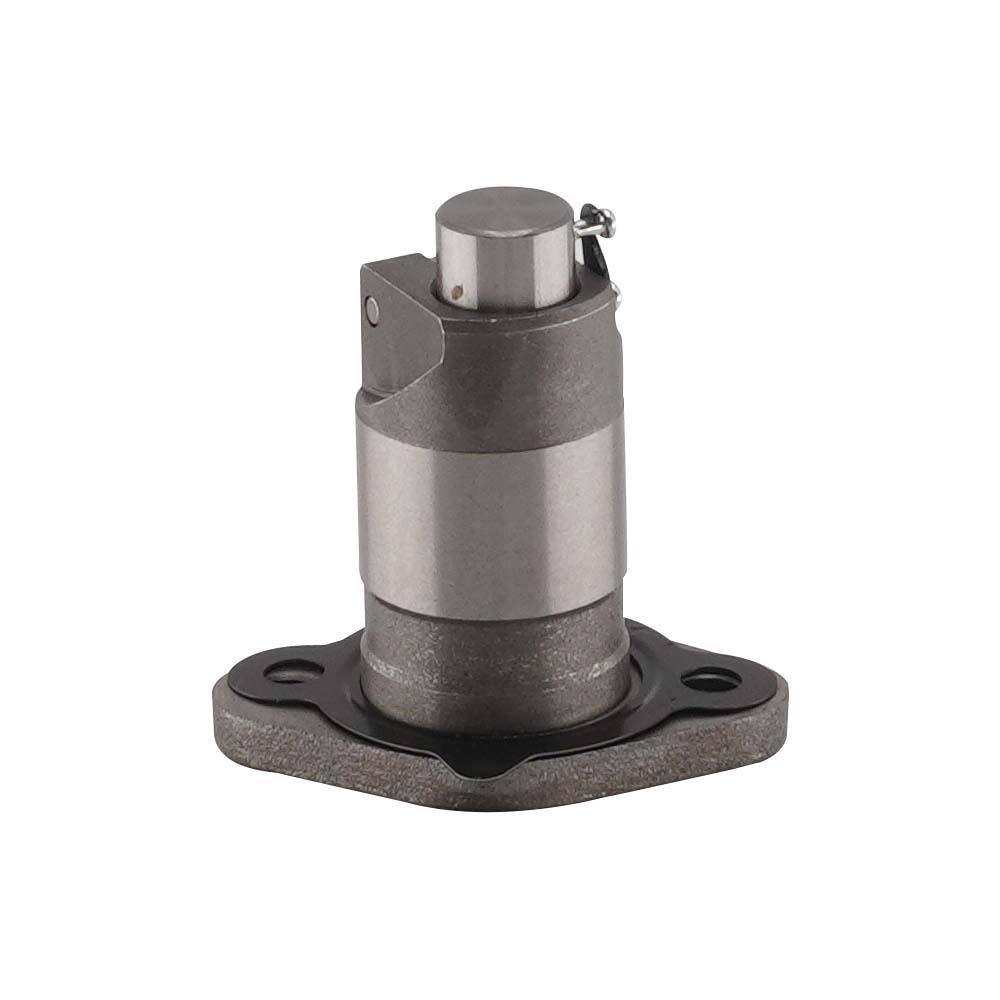
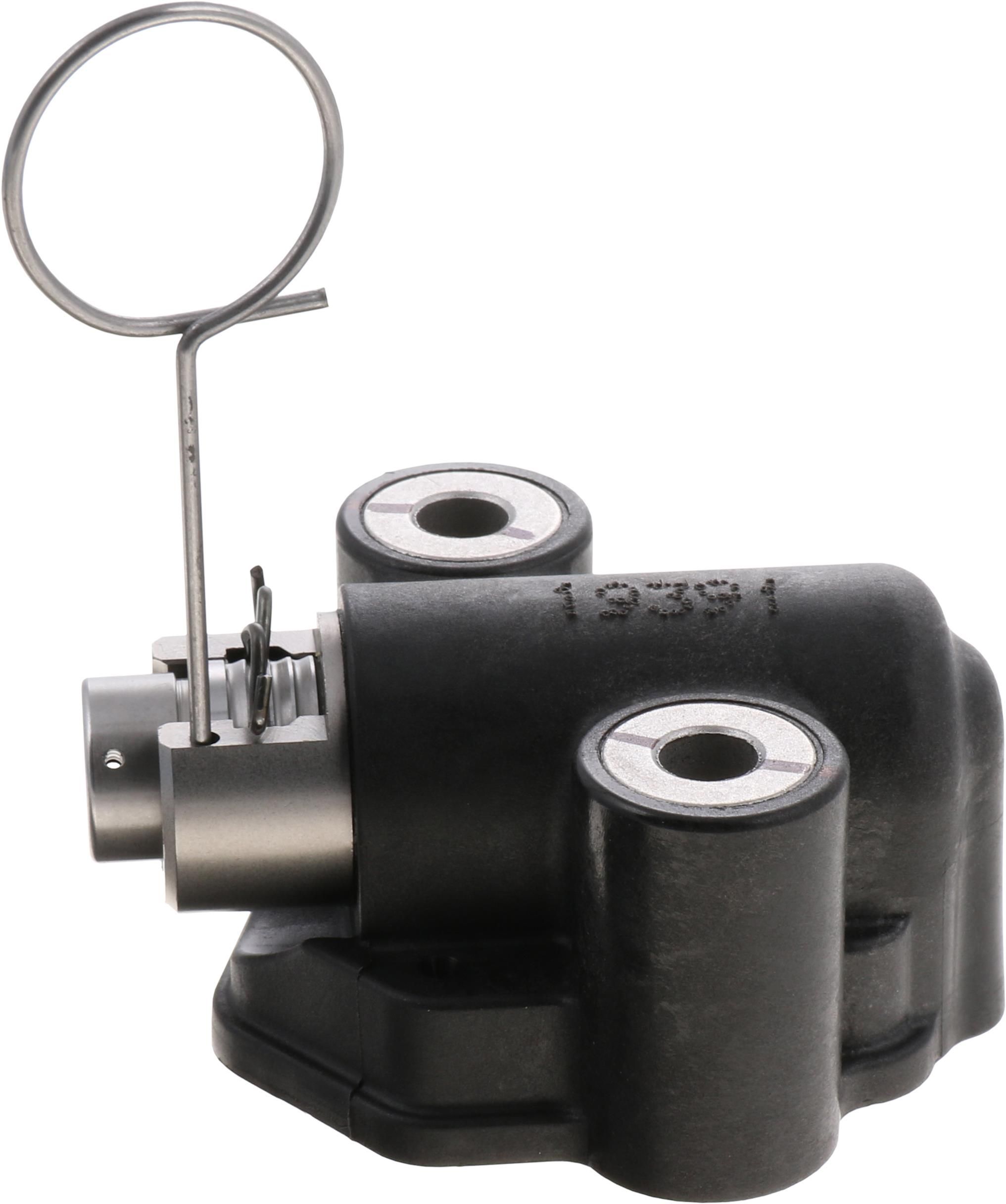
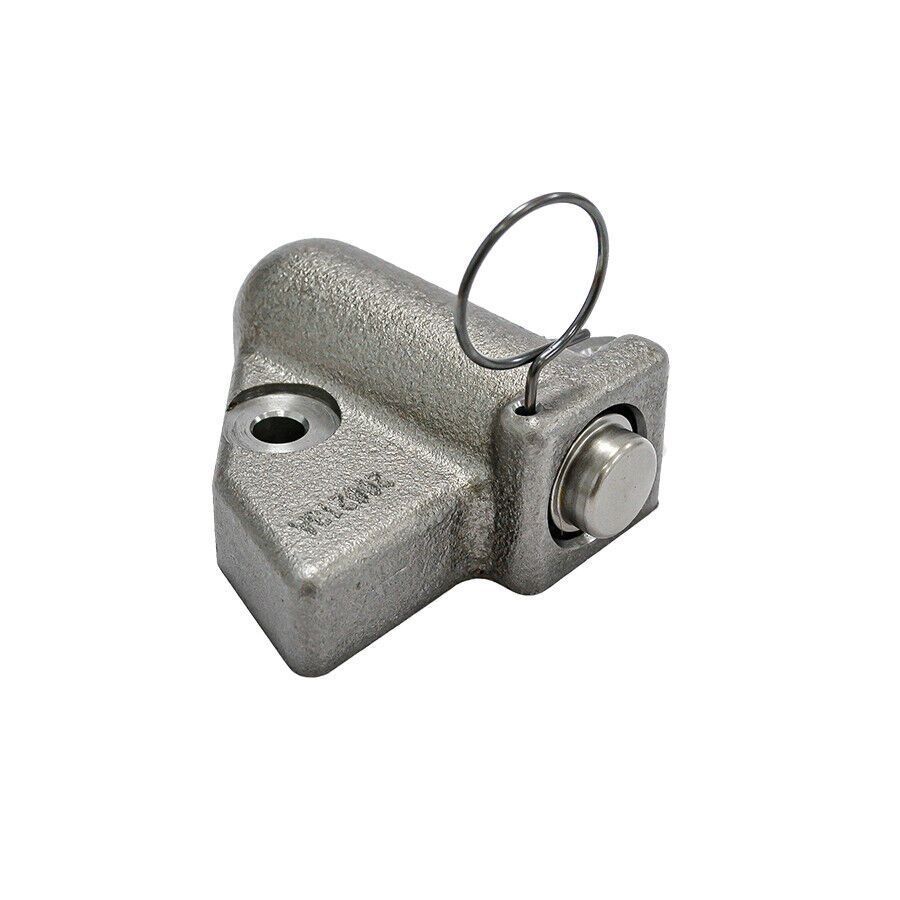
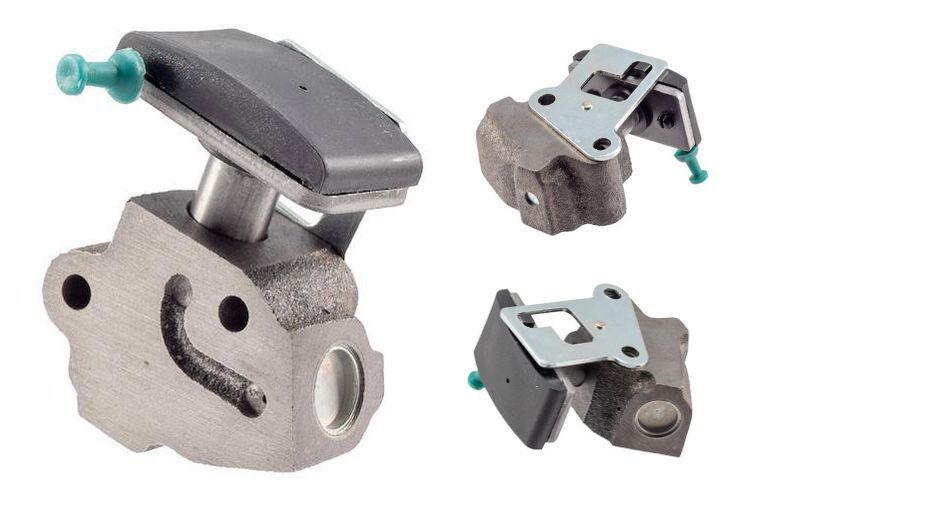
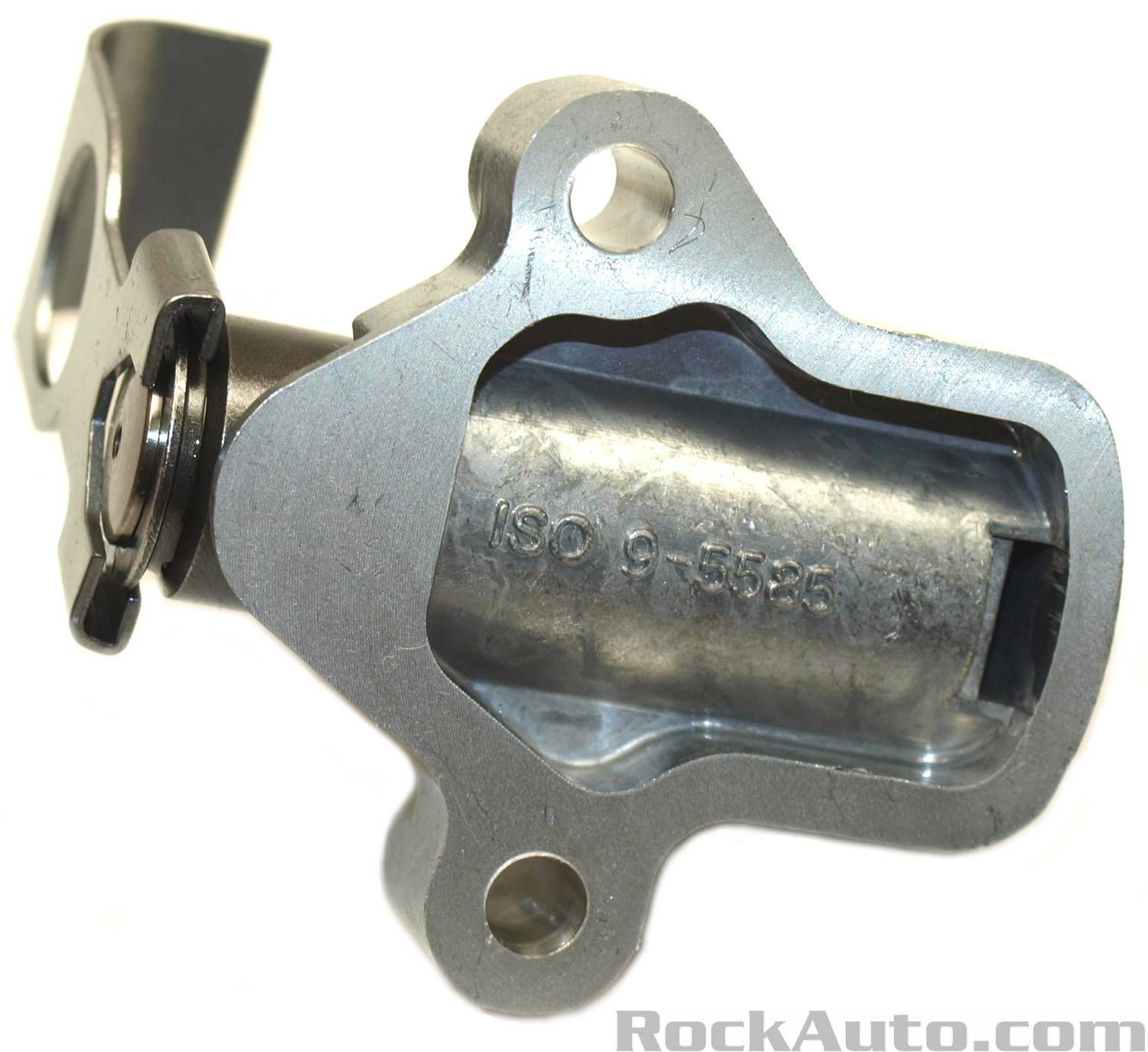
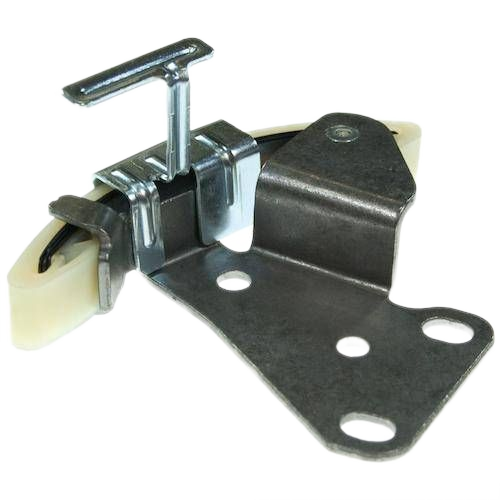
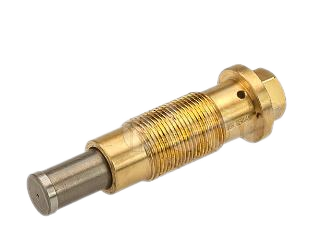
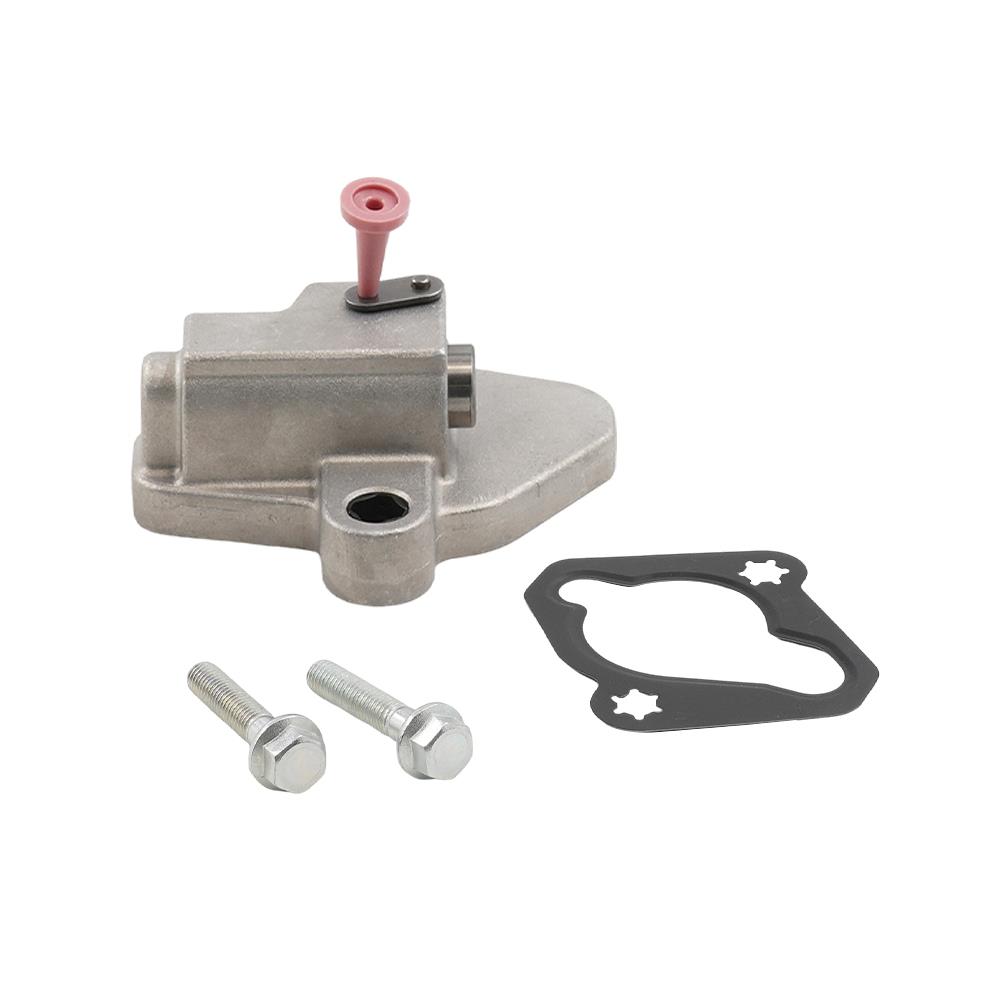
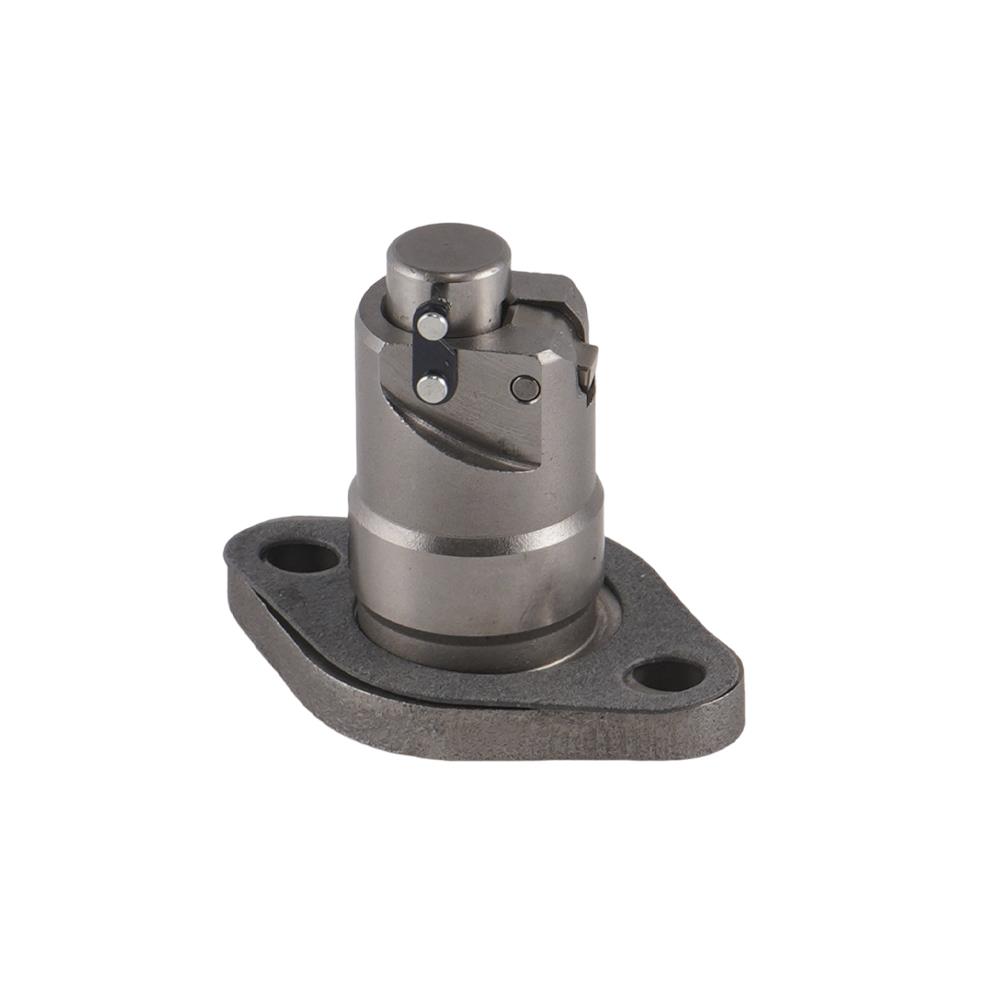
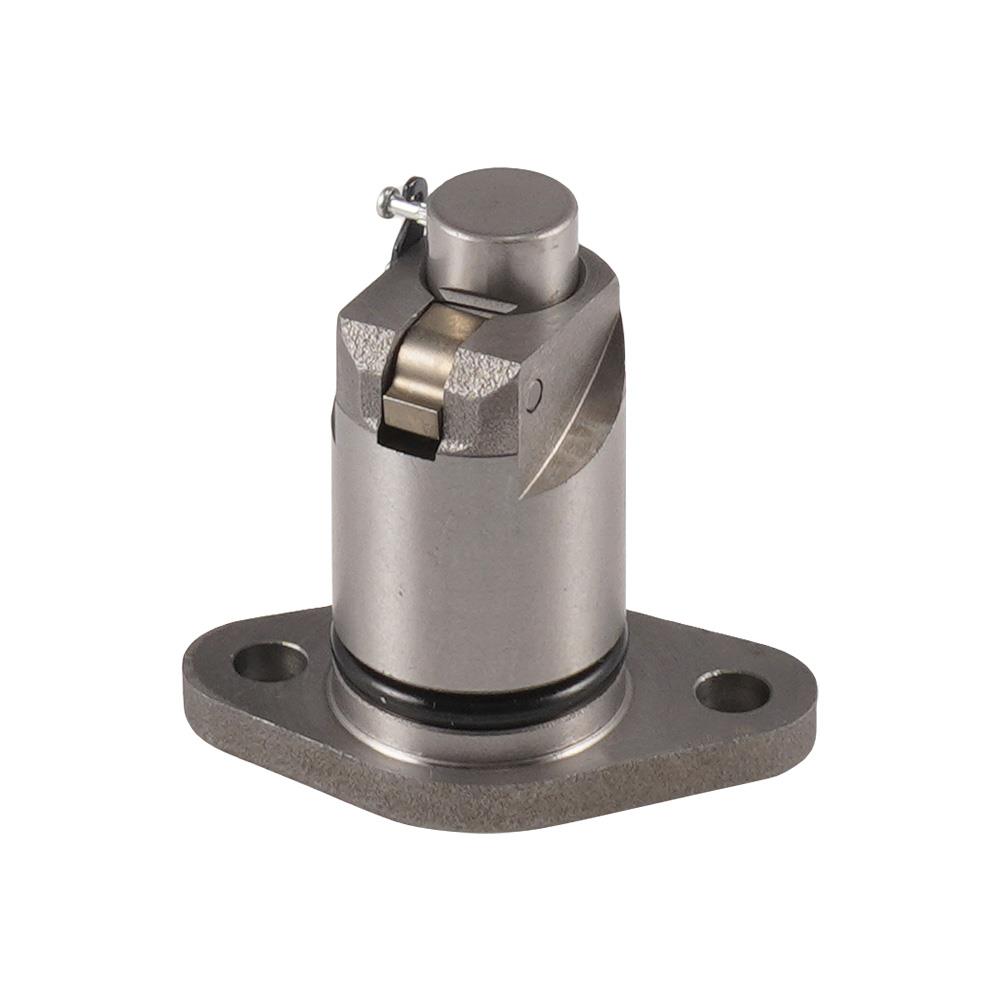
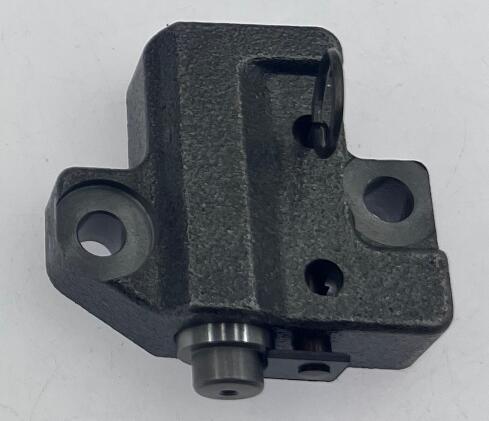
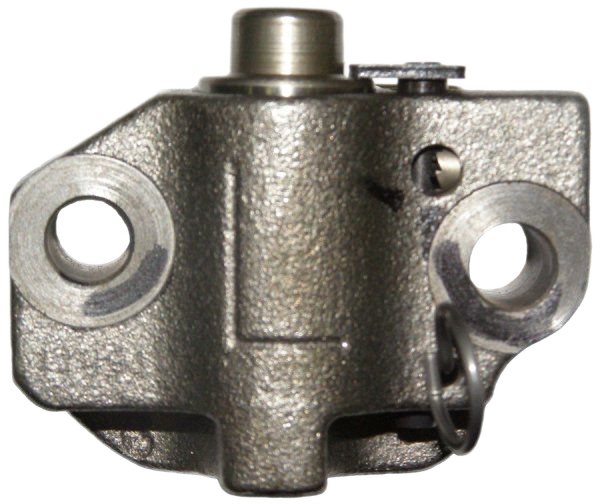
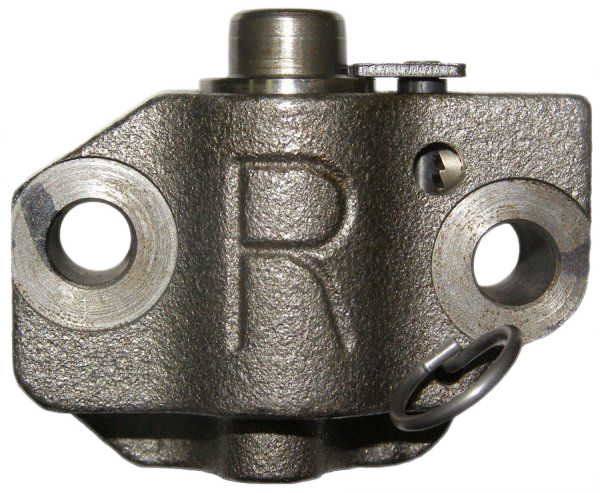
A timing chain tensioner is a critical active component in an engine's timing system. Its job is to apply constant pressure to the timing chain, usually by pushing against a tensioner arm or guide, to take up any slack. Most modern tensioners are hydraulic, using engine oil pressure combined with an internal spring to automatically adjust and maintain the correct tension as the chain naturally wears and elongates over its service life. This prevents chain noise, excessive wear on components, and the catastrophic risk of the chain jumping time.
Functions of a Timing Chain Tensioner
Maintain Constant Tension
Its primary function is to eliminate slack from the timing chain, ensuring it remains tightly engaged with the sprockets at all times.
Compensate for Wear
As the chain's pins and rollers wear, the chain effectively gets longer. The tensioner automatically extends to accommodate this elongation.
Dampen Chain Oscillations
By keeping the chain taut, it prevents harmonic vibrations and whipping motions that would otherwise cause noise and damage the guides.
Prevent Timing Jump
A properly functioning tensioner is the primary safeguard against the chain skipping a tooth on a sprocket, which would throw off engine timing.
Symptoms of a Failing Timing Chain Tensioner
A failing tensioner is a serious warning sign for the entire timing system. It is often the first component to show audible symptoms, and ignoring them can lead to major engine damage.
Rattle Noise on Cold Startup
The most common symptom. A 2-5 second rattle before engine oil pressure builds up indicates the tensioner's seal or check valve has failed.
Persistent Rattle or Whirring
If the noise doesn't go away as the engine warms up, it may mean the tensioner is completely collapsed or stuck, allowing constant chain slack.
Erratic Engine Timing
A failing tensioner can allow the chain to "whip," which can cause the camshaft timing to fluctuate, leading to rough running and timing-related fault codes.
Accelerated Guide Wear
The constant slapping of a loose chain will rapidly wear down or break the plastic timing chain guides, compounding the problem.
Tensioner vs. Guide
What is a Timing Chain Guide?
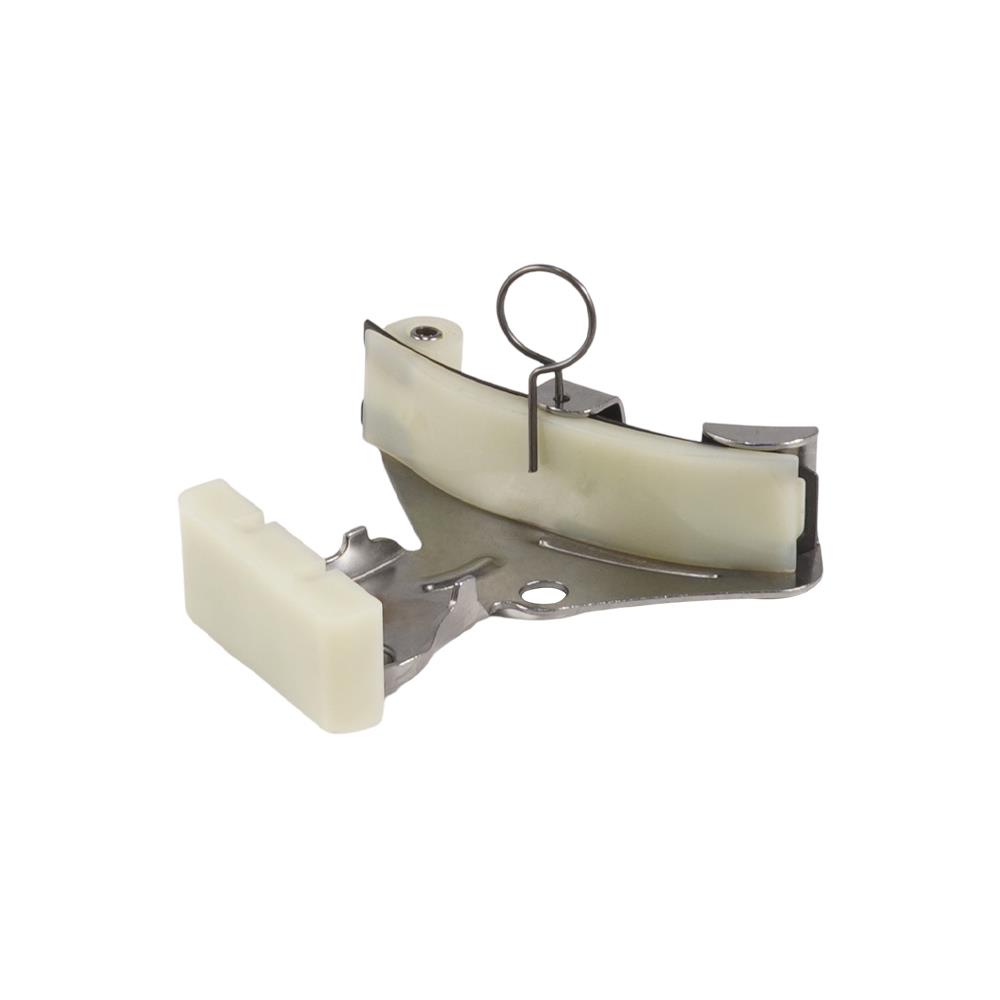
A timing chain guide is a passive, stationary component. It is a polymer-faced rail that provides a smooth surface for the chain to run against, controlling its path and preventing it from whipping. The tensioner often pushes on a pivoting guide (a tensioner arm) to apply its force.
| Attribute | Timing Chain Tensioner | Timing Chain Guide |
|---|---|---|
| Role | Active (applies force) | Passive (stationary) |
| Function | Removes chain slack | Defines chain path |
| Mechanism | Hydraulic piston / Spring | Polymer sliding surface |
| Primary Symptom | Brief rattle on startup | Constant slapping noise |
The Tensioner is the spring-loaded arm pushing against your back; the Guide is the smooth wall you lean against.