


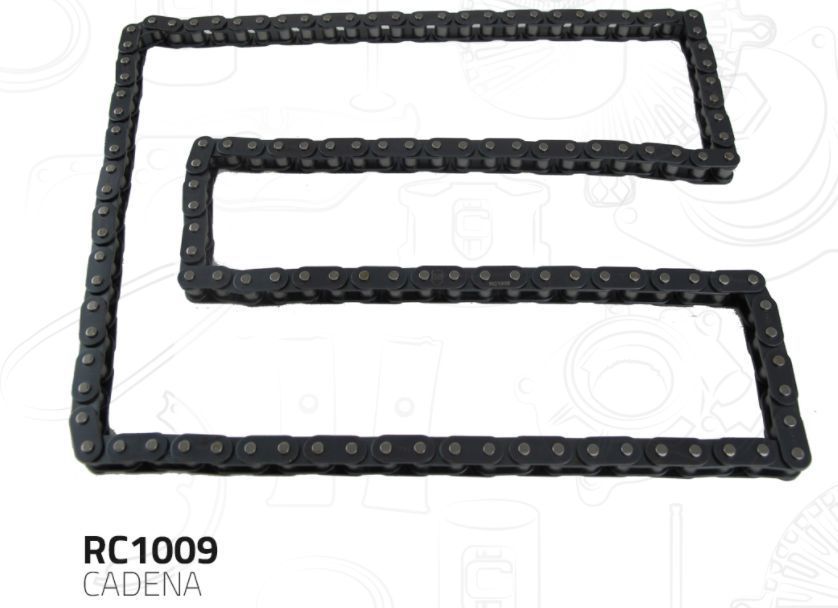
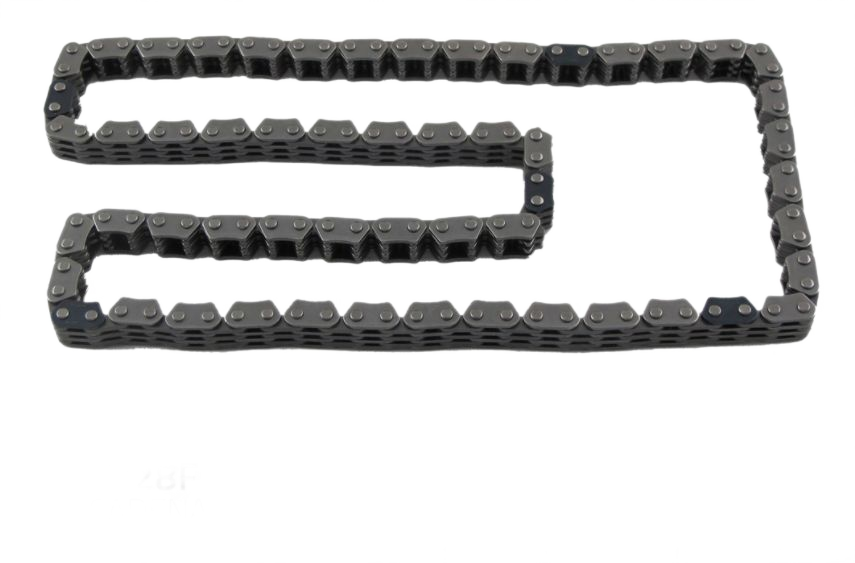
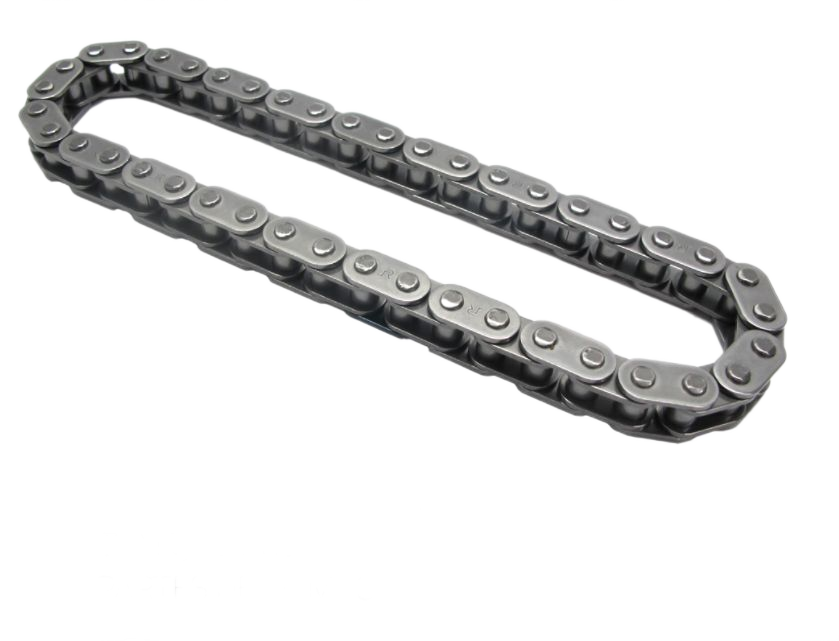
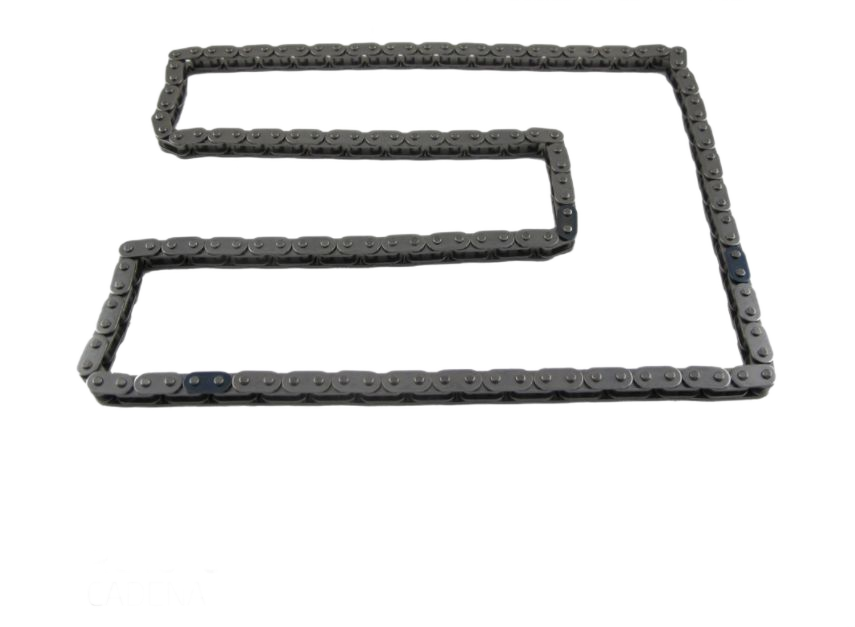
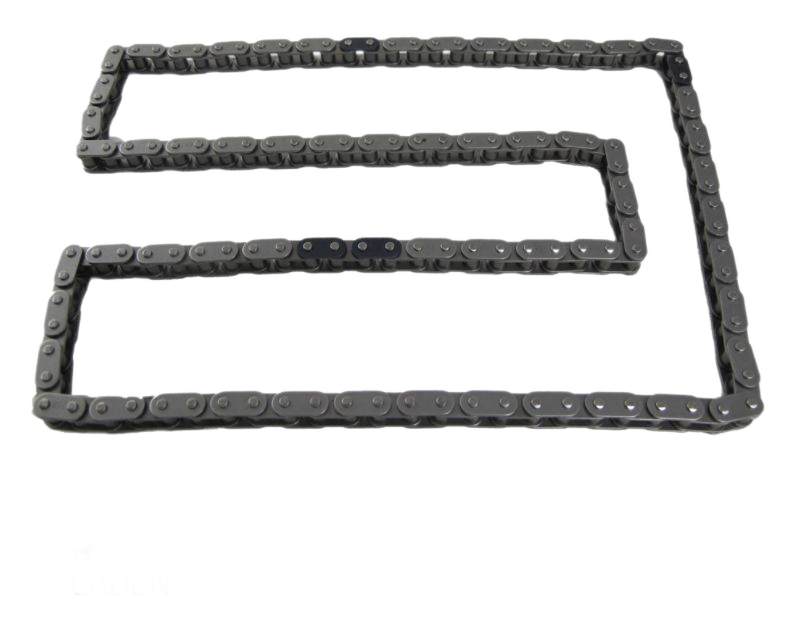
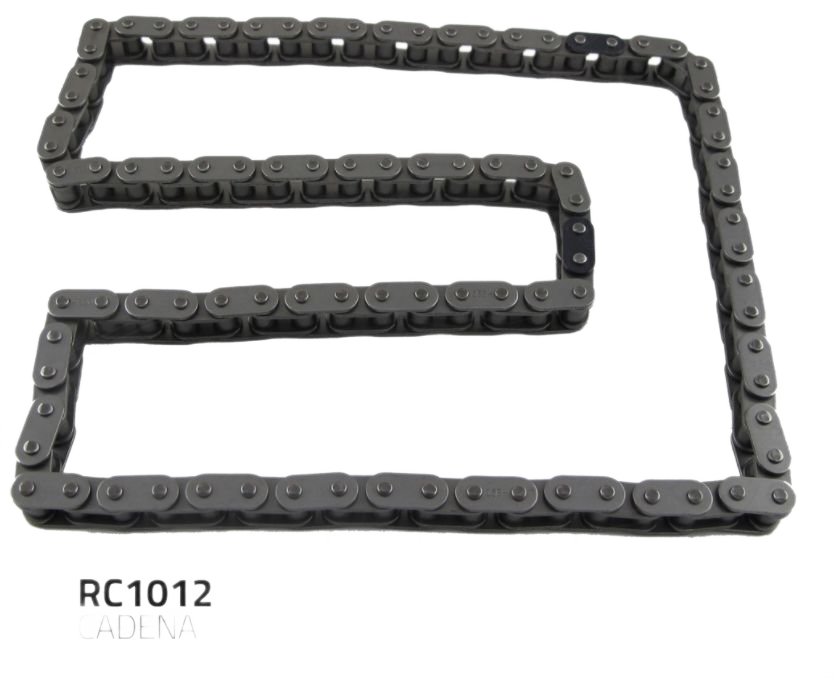
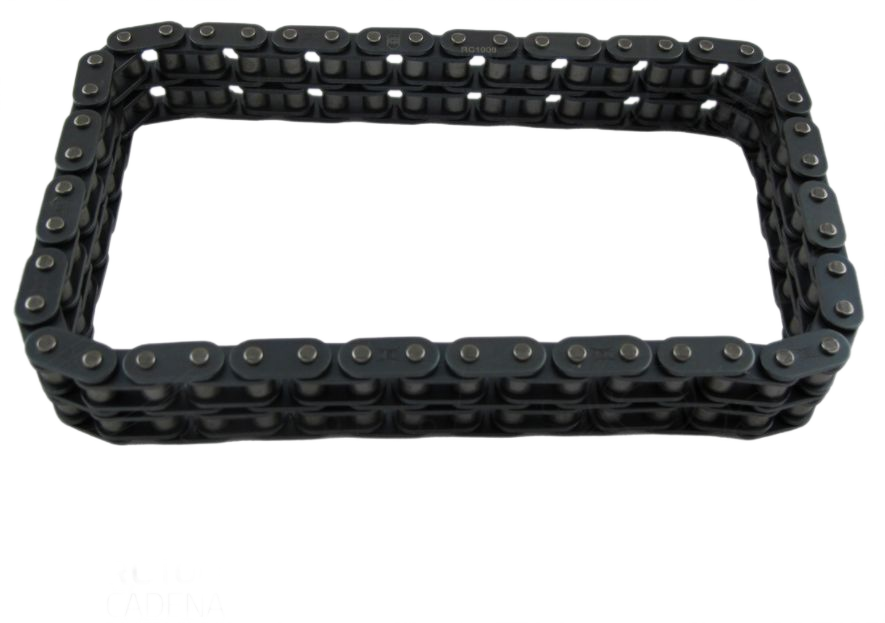
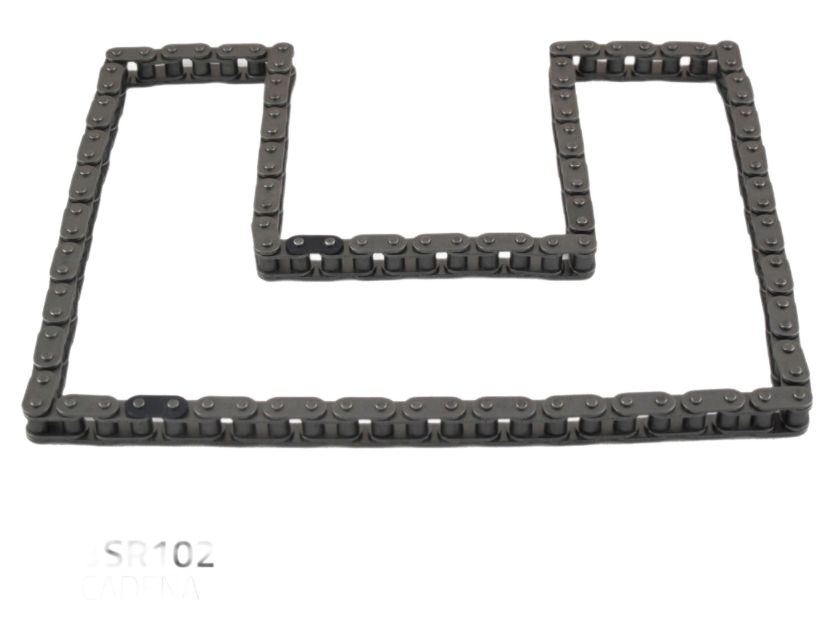
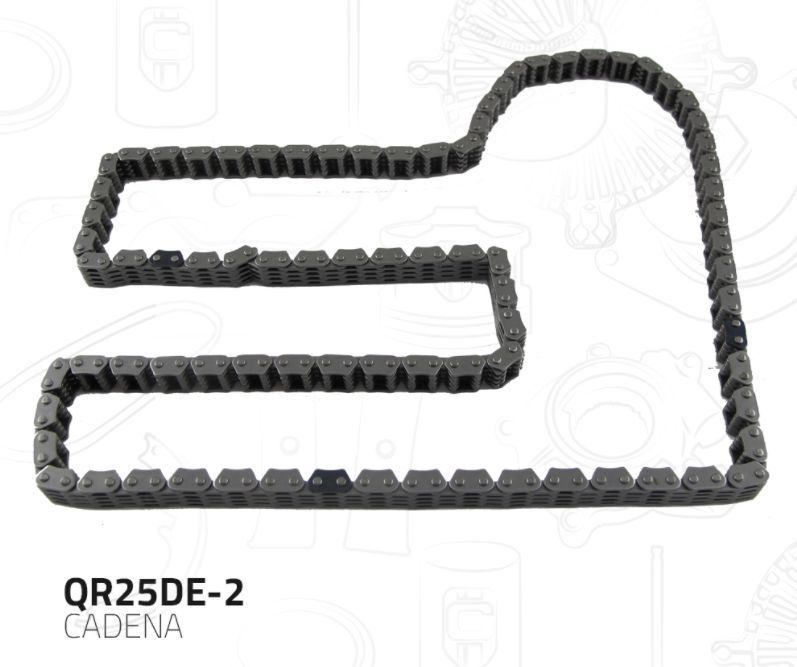

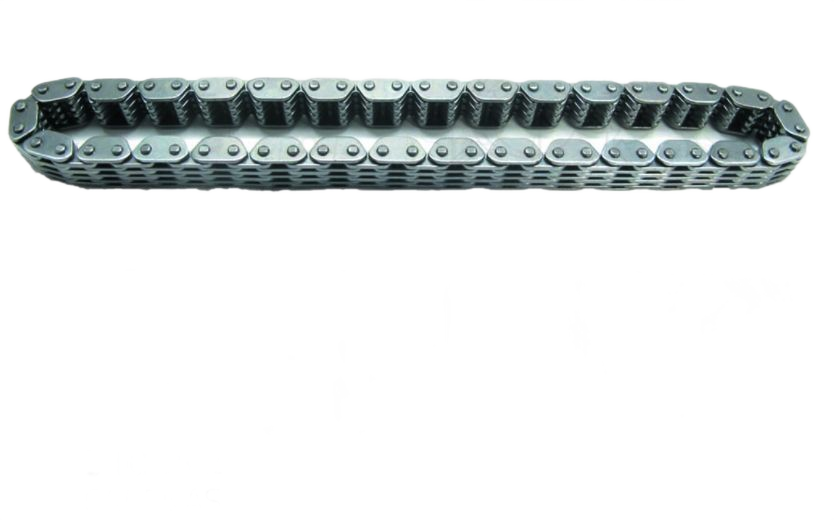
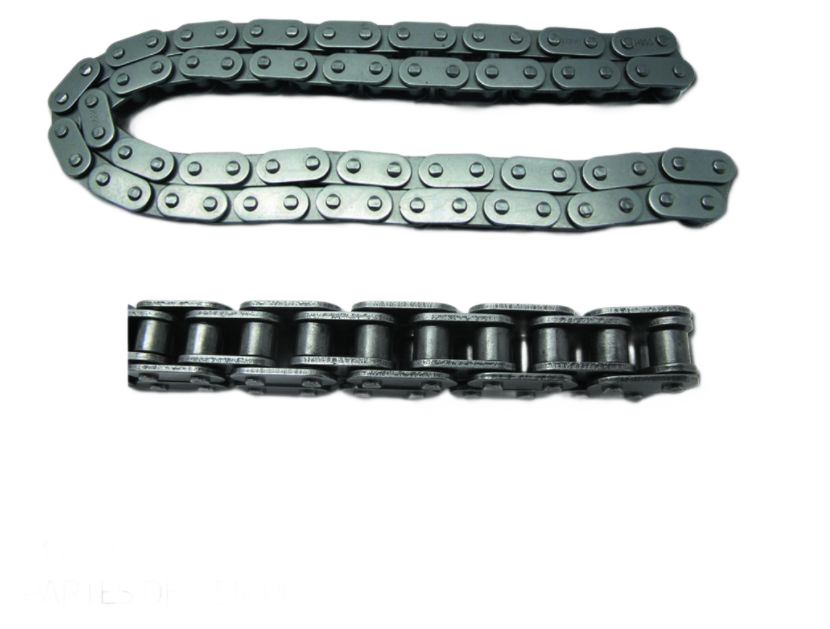
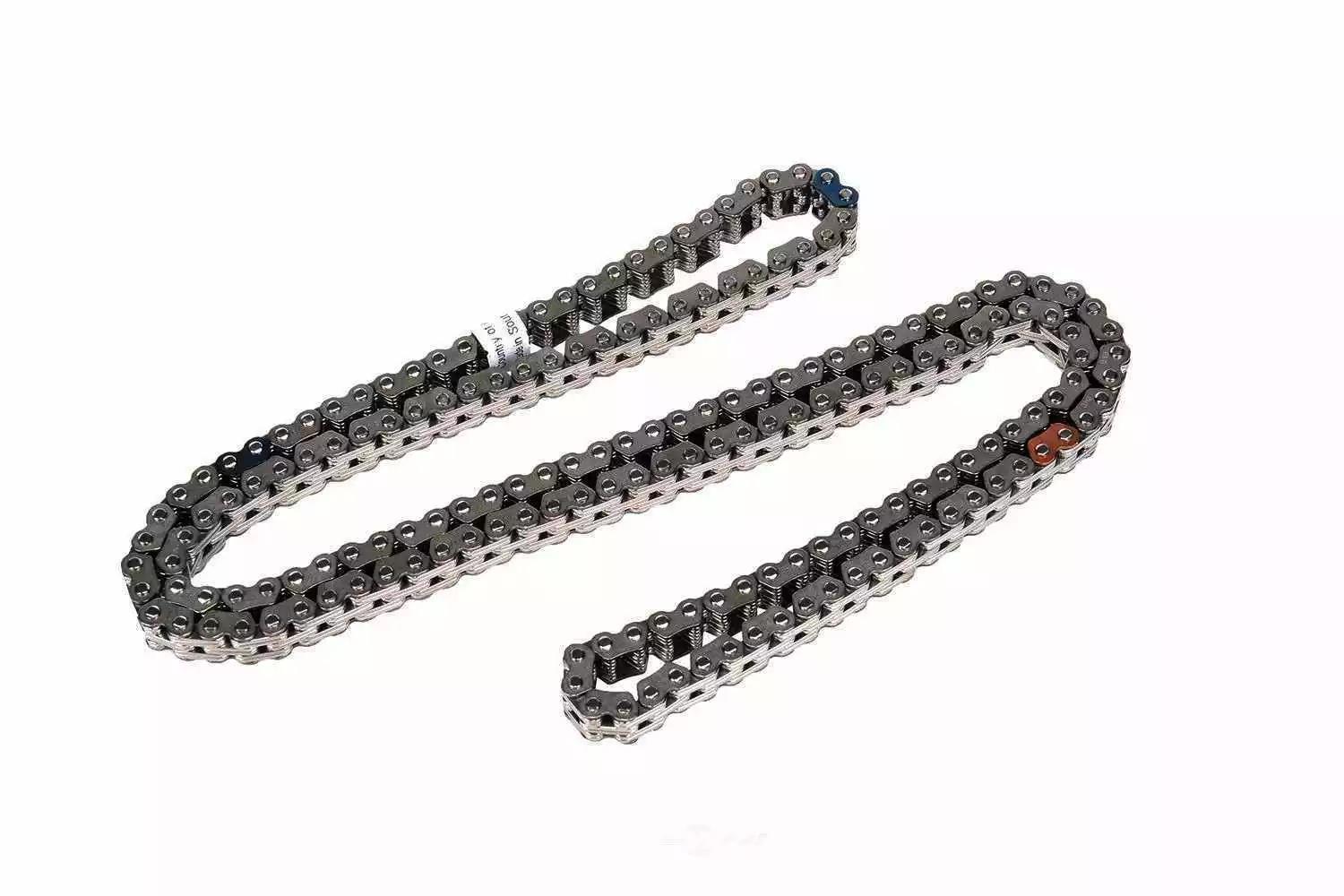
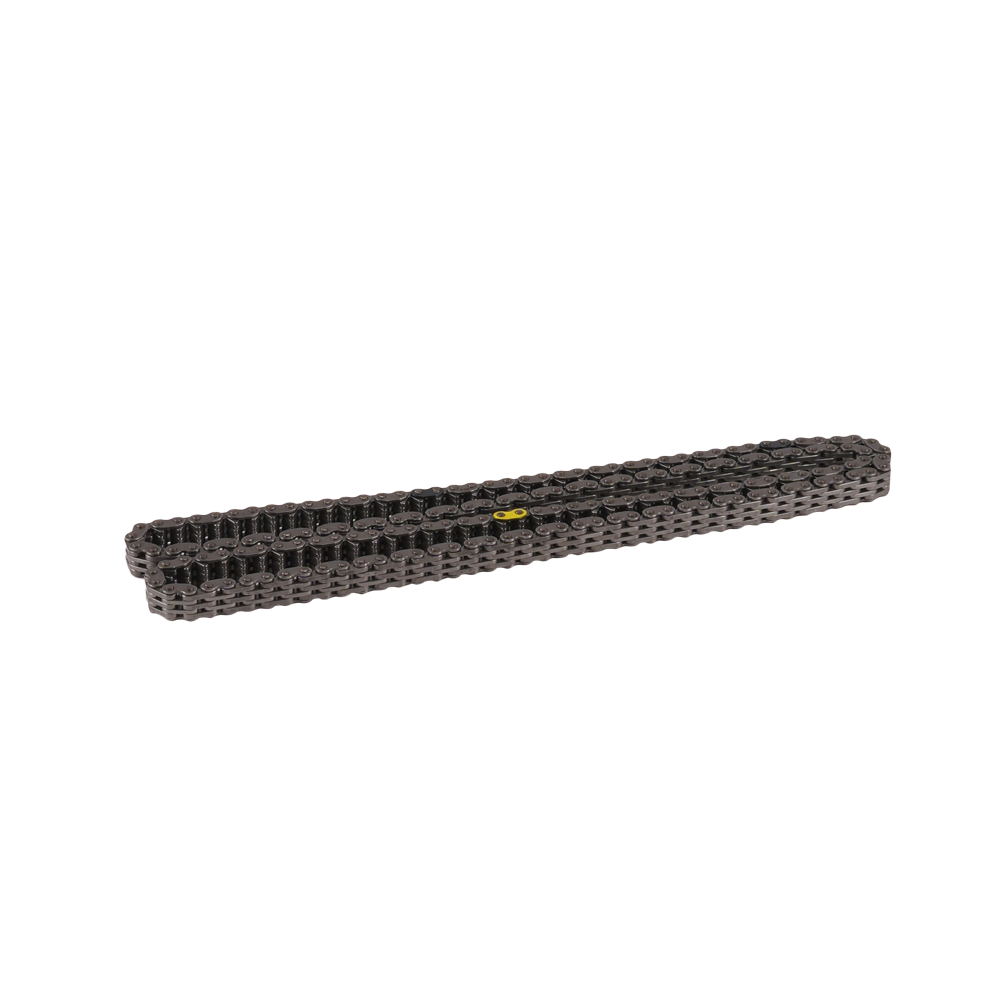
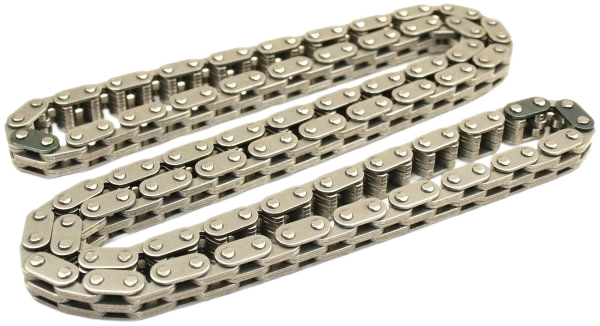
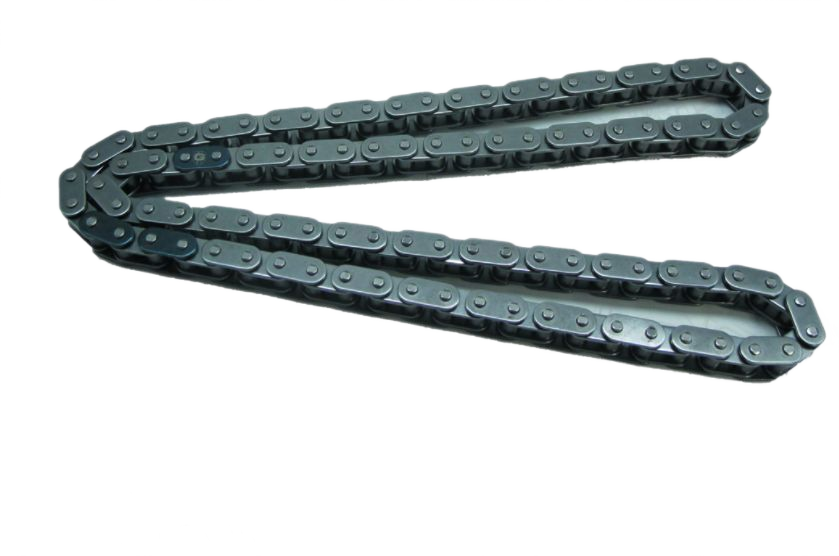
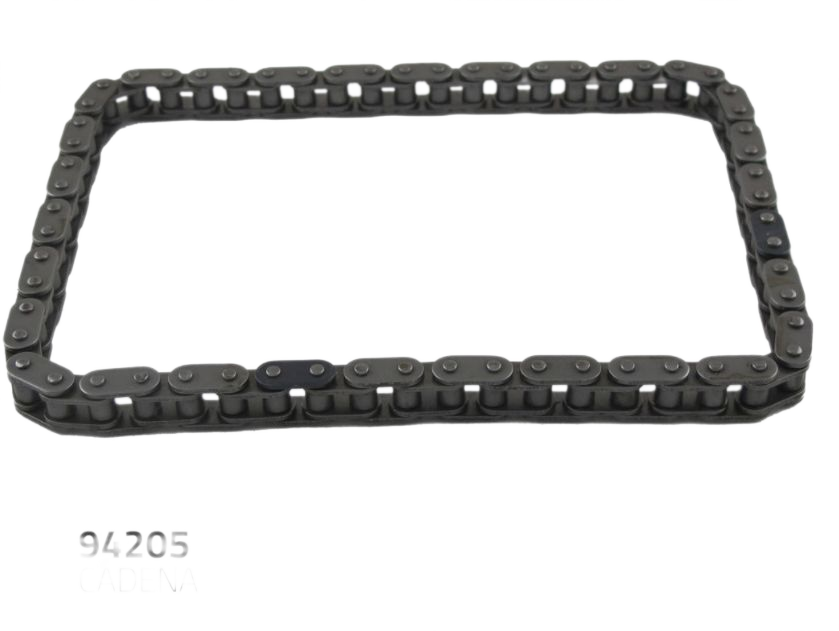
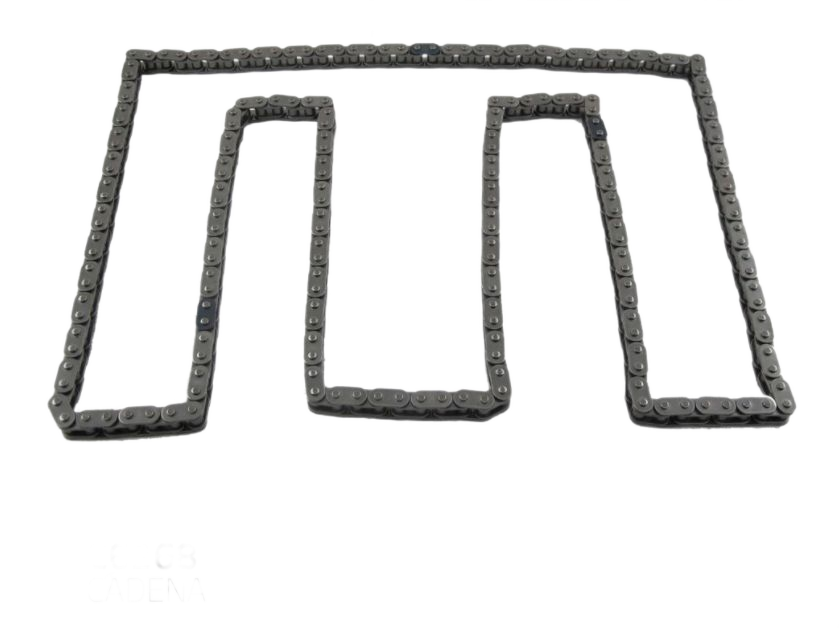
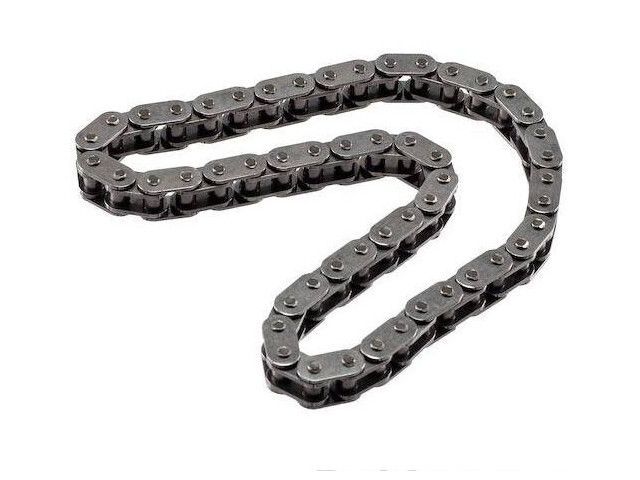
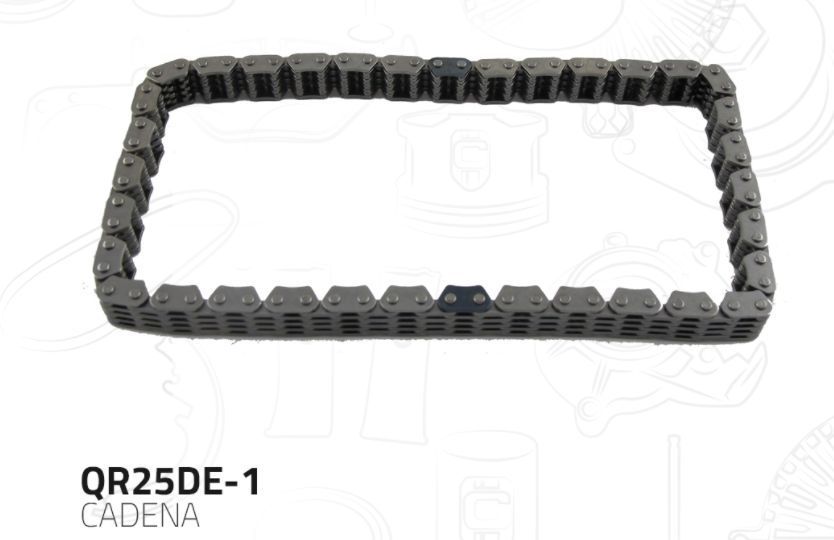
A timing chain is a metal roller chain, similar to a bicycle chain, that serves as the critical link between an engine's crankshaft and camshaft(s). Located inside the engine and lubricated by engine oil, its primary function is to maintain perfect mechanical timing, ensuring the valves open and close at the precise moment in relation to the piston's movement. Unlike a timing belt, a timing chain is designed to last the entire service life of the engine, though its supporting components like tensioners and guides are subject to wear.
Functions of a Timing Chain
Synchronize Engine Rotation
Maintains the precise 2:1 ratio between the crankshaft and camshafts, ensuring perfect valve timing for combustion.
Provide Lifetime Durability
Made of hardened steel, the chain itself is designed to withstand the heat and stress inside an engine for hundreds of thousands of miles.
Ensure Positive Engagement
The chain's physical engagement with the teeth of the sprockets prevents any possibility of slippage, maintaining exact timing.
Drive Other Components
In many engine designs, the timing chain also drives the oil pump and/or engine balance shafts for smoother operation.
Symptoms of a Failing Timing Chain System
While the chain is durable, the plastic guides and hydraulic tensioner are common points of failure. Ignoring symptoms can lead to the chain "jumping time" or breaking, causing severe engine damage.
Rattling Noise on Startup
This is the classic symptom. The sound, lasting a few seconds after a cold start, is the loose chain slapping against the guides before the tensioner builds oil pressure.
Check Engine Light (Cam/Crank Codes)
A "stretched" chain will cause a mismatch between the crankshaft and camshaft position sensors, triggering codes like P0016, P0017, etc.
Engine Misfires and Rough Idle
Incorrect valve timing from a loose chain disrupts the combustion cycle, leading to poor engine performance and lack of power.
Metal Shavings in Oil
A severe symptom indicating the chain is grinding against the timing cover or guides, or the sprockets are heavily worn. Check the oil filter and oil pan magnet.
Best Practices for Maintenance
Perform Regular Oil Changes
This is the single most important factor. Clean, high-quality oil is essential for lubricating the chain and for the proper function of the hydraulic tensioner.
Address Oil Pressure Issues
Low oil pressure will prevent the hydraulic tensioner from working correctly, leading to chain slack and rapid wear.
Replace as a Complete Kit
If replacement is necessary, always replace the chain(s), tensioner(s), all guides, and sprockets as a complete system.
Timing Chain vs. Timing Belt
What is a Timing Belt?
A timing belt is a toothed belt made of a rubber composite. It runs outside the engine block, is not lubricated, and operates much more quietly. Unlike a chain, a belt is a scheduled maintenance item that must be replaced at regular intervals (e.g., every 60,000-100,000 miles).
| Attribute | Timing Chain | Timing Belt |
|---|---|---|
| Material | Hardened Steel | Reinforced Rubber Composite |
| Service Life | Engine Lifetime | Scheduled Replacement |
| Location | Internal (Oil Lubricated) | External (Dry) |
| Noise Level | Can be Noisier | Quieter Operation |
A Timing Chain is the engine's internal skeleton, built to last, while a Timing Belt is a high-performance muscle that needs periodic replacement.