


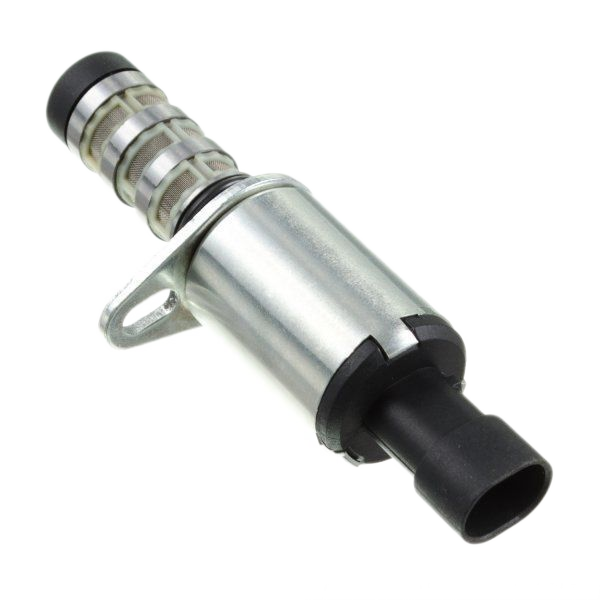
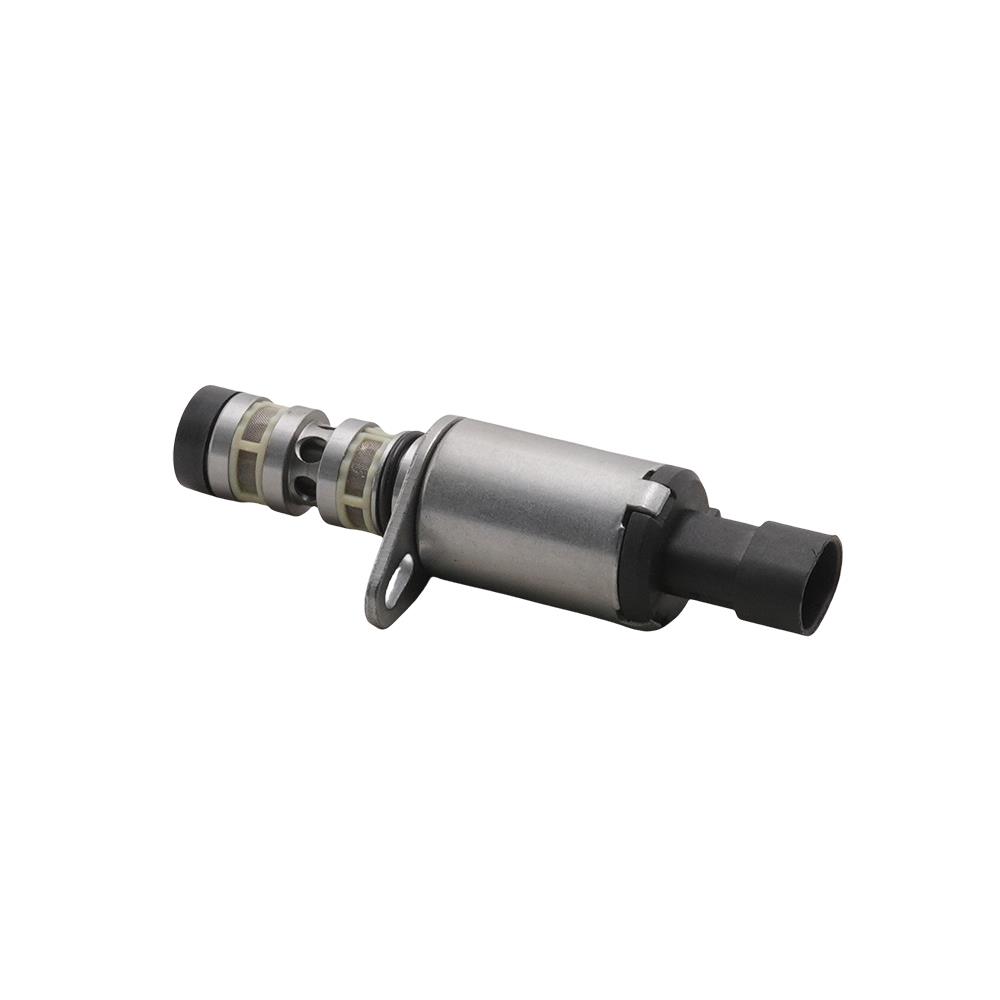
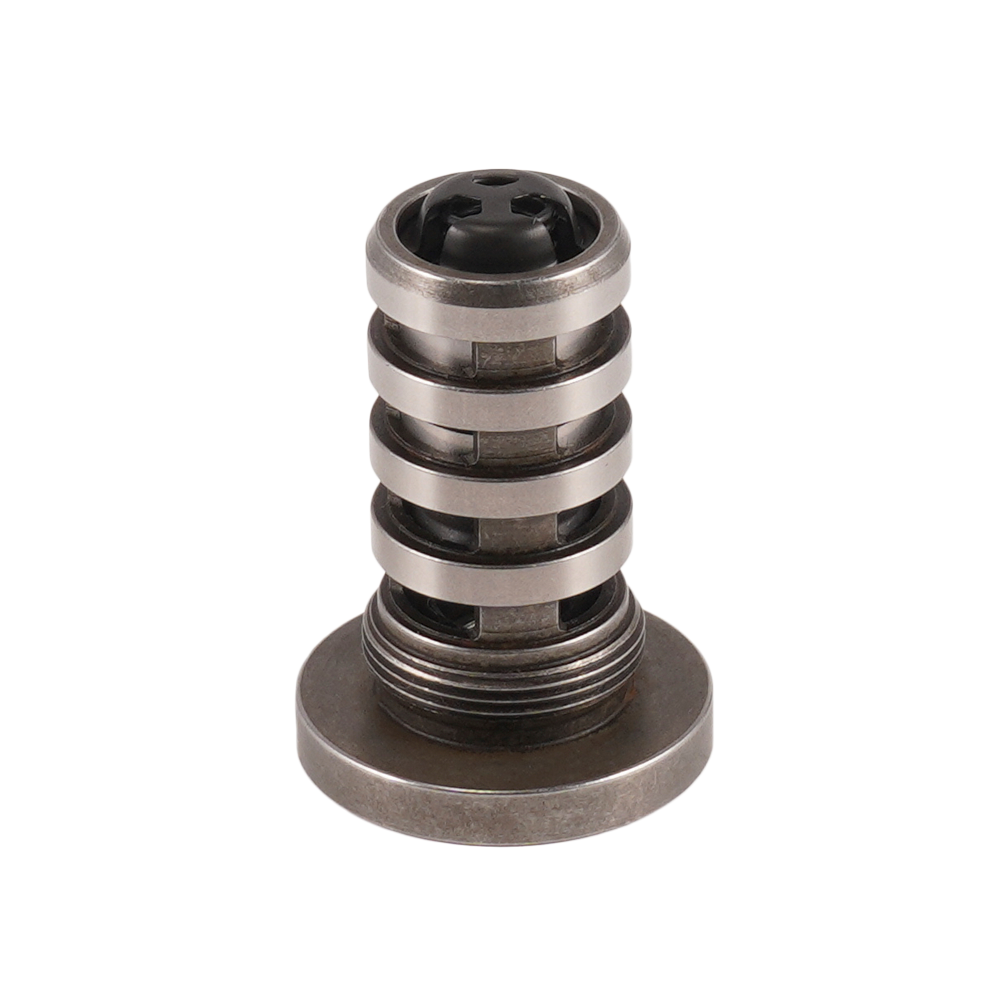
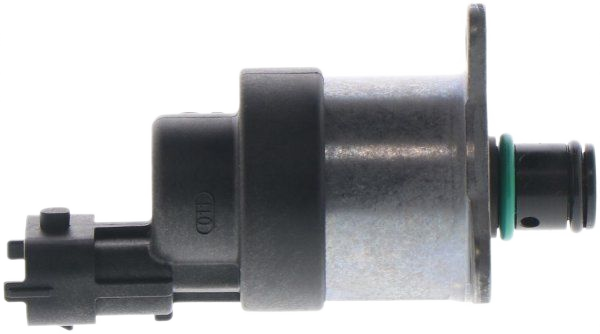
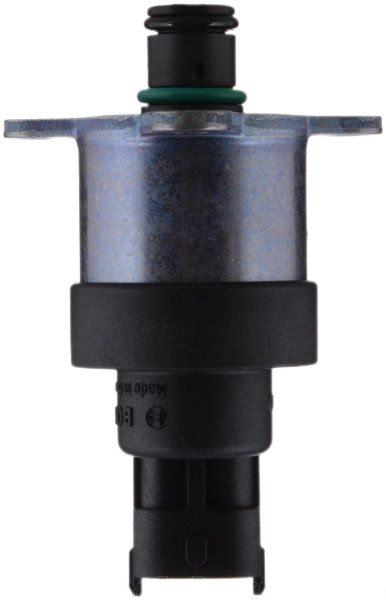
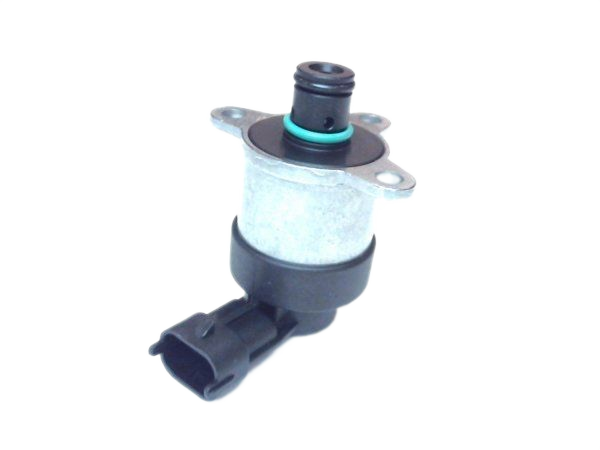
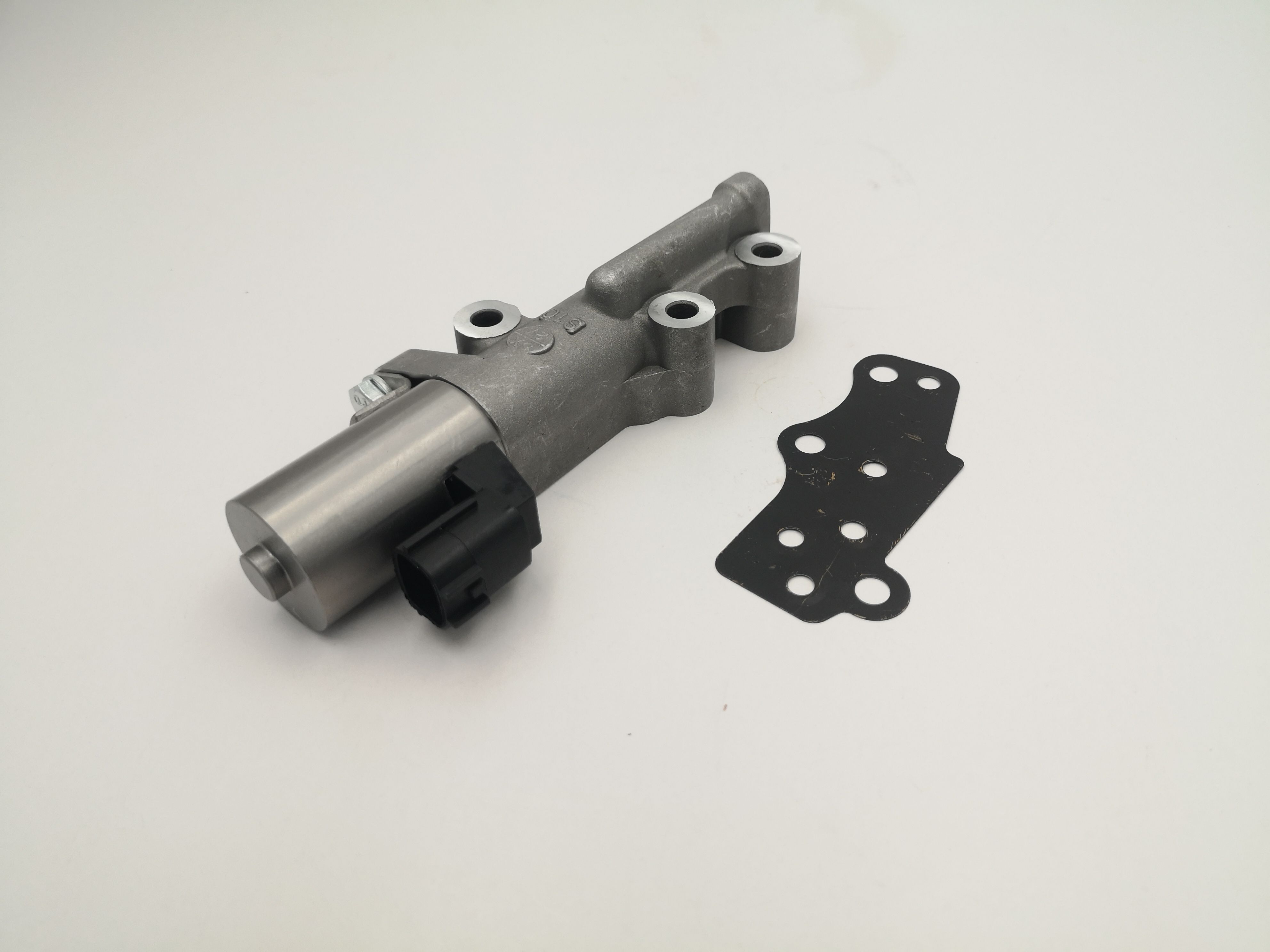
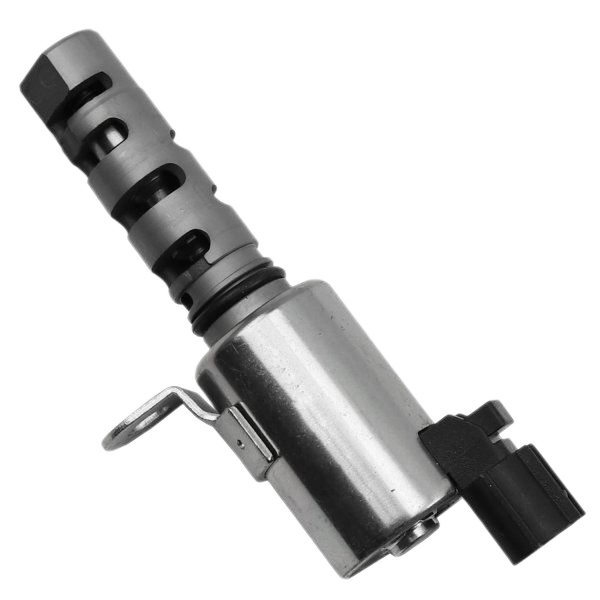
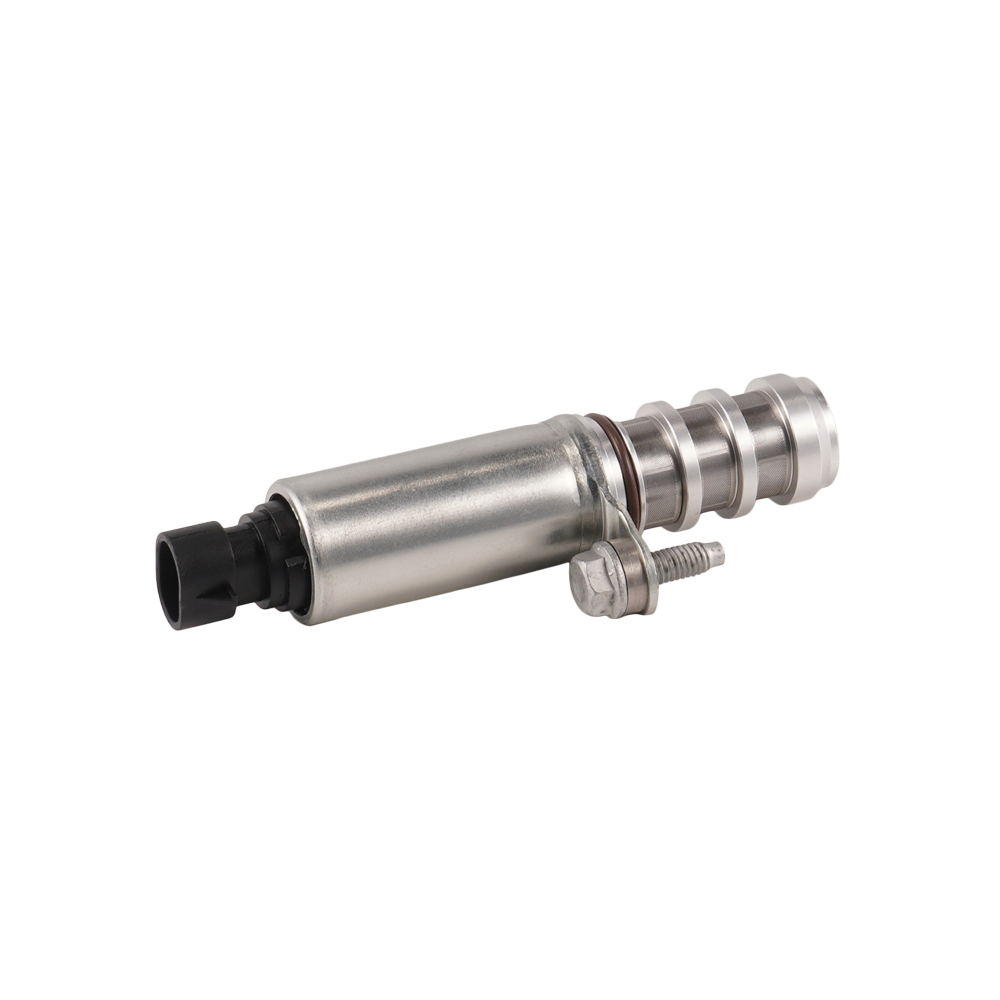
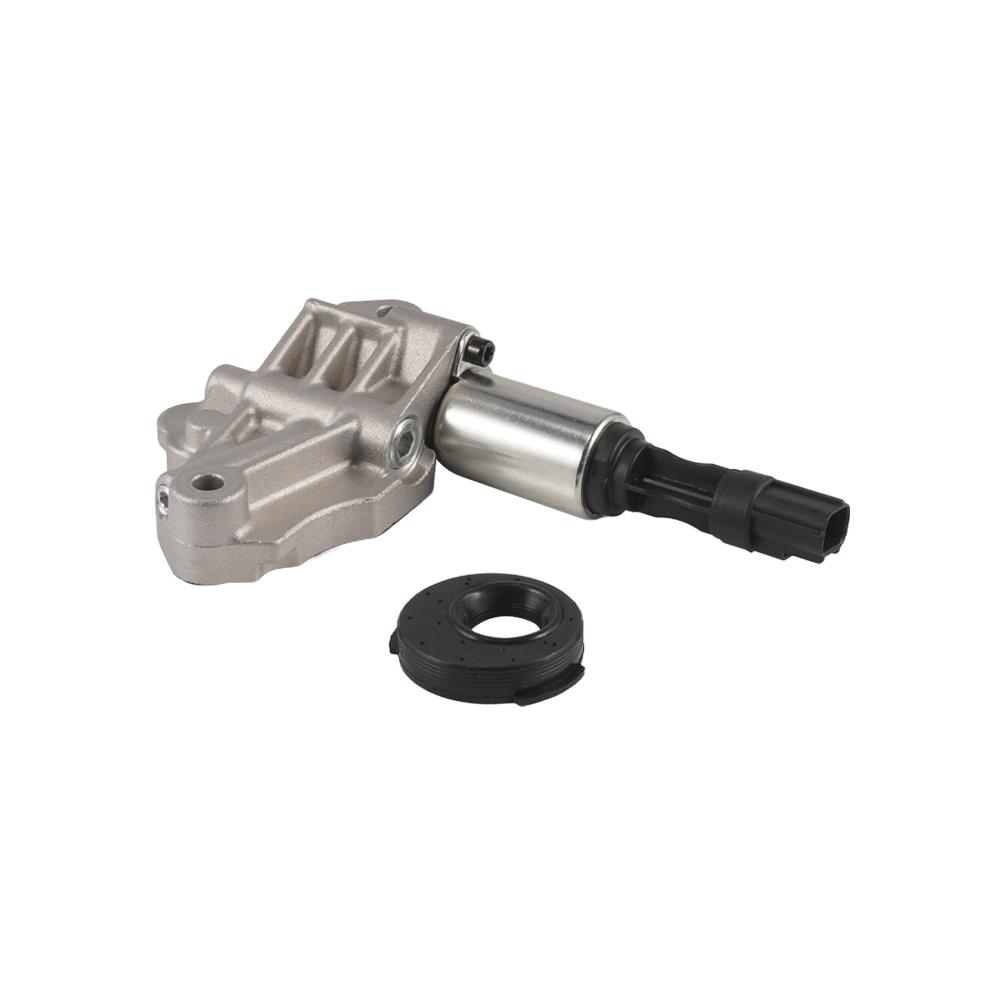
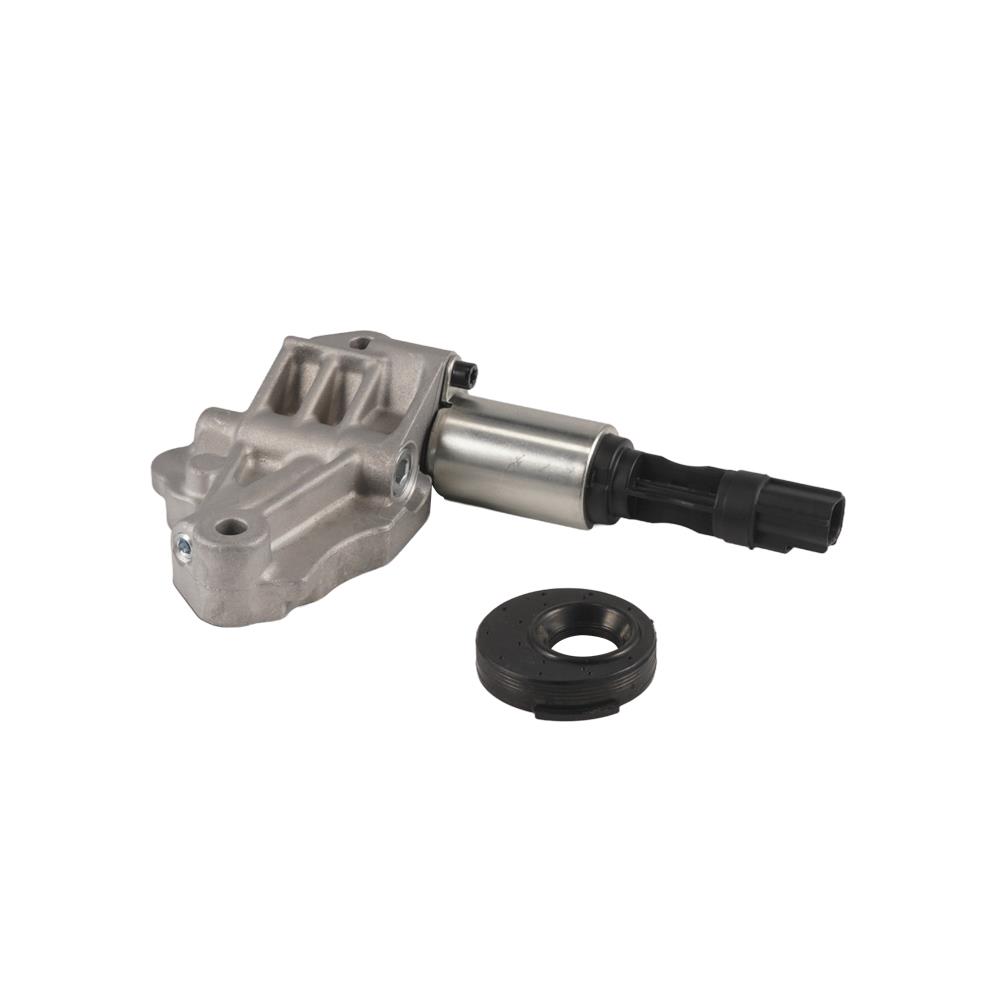
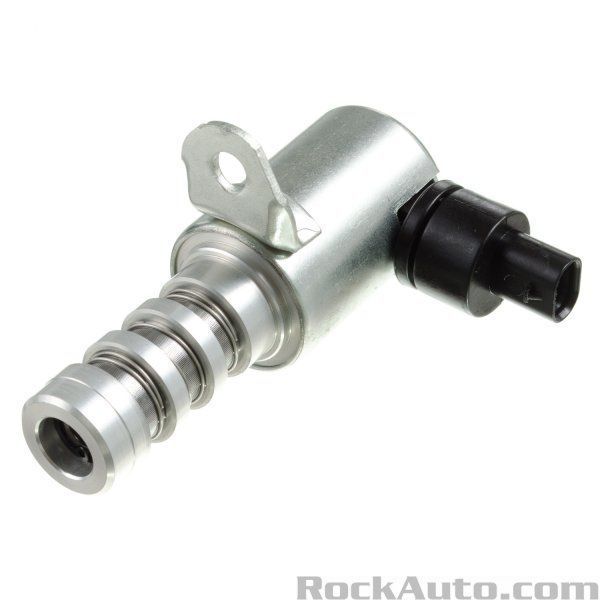
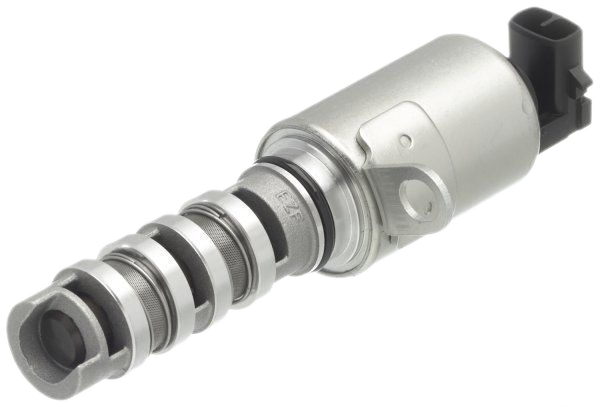
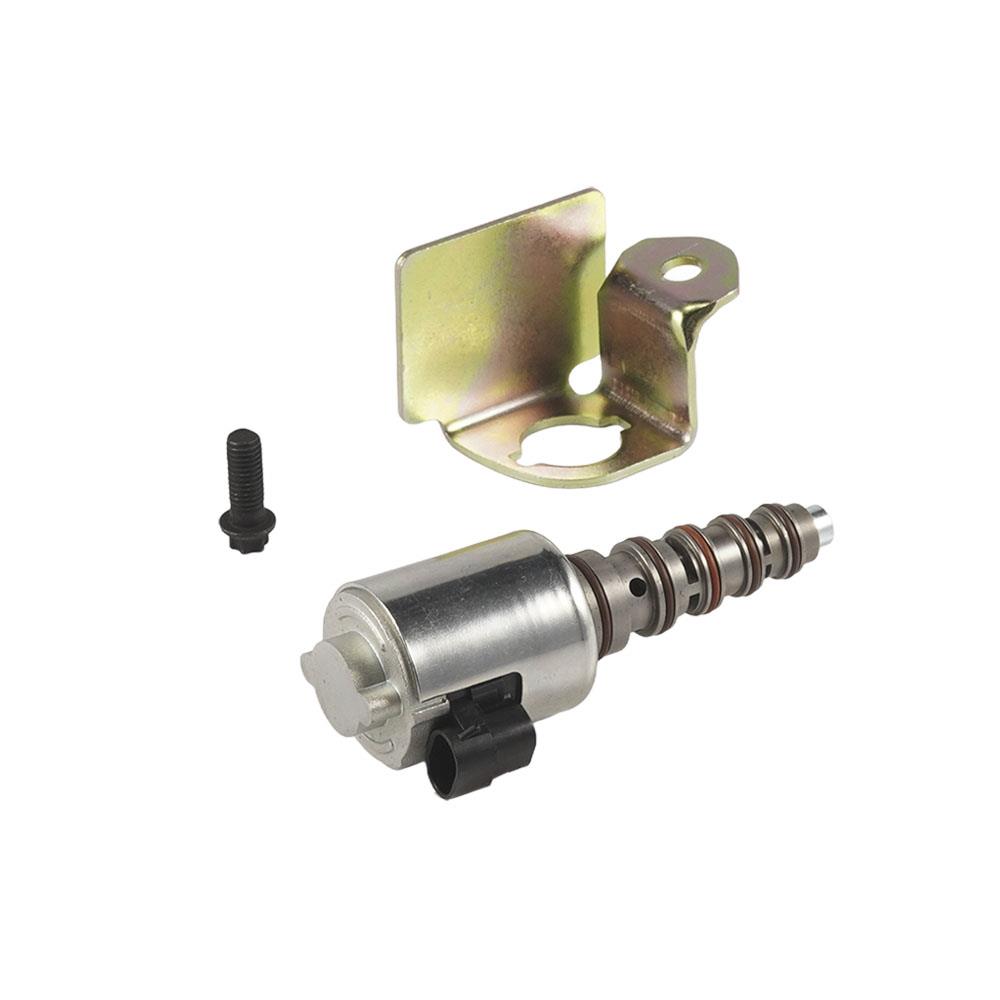
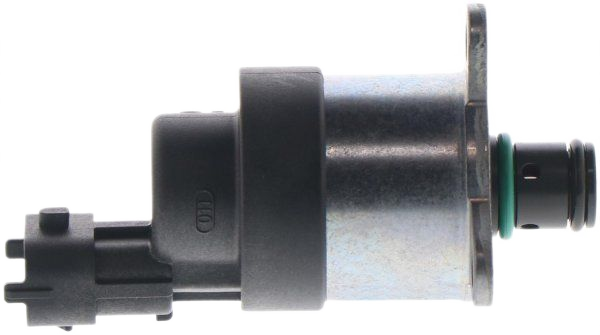
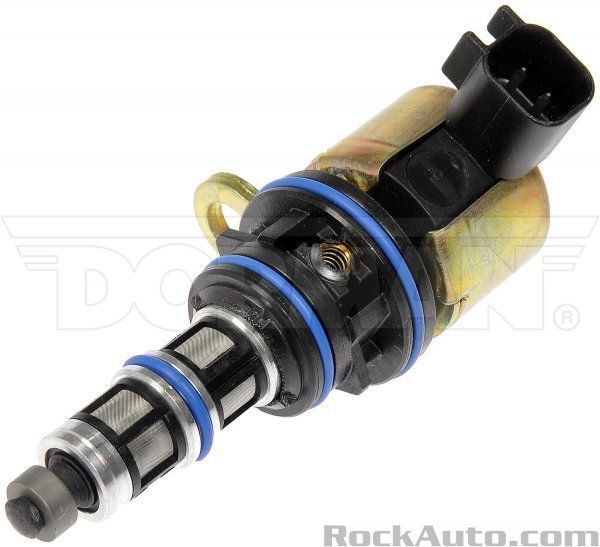
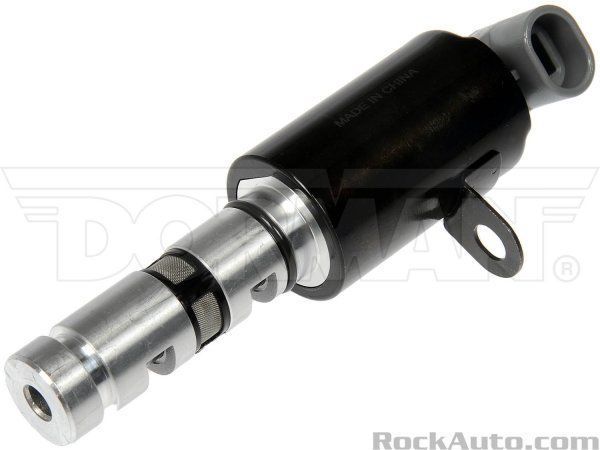
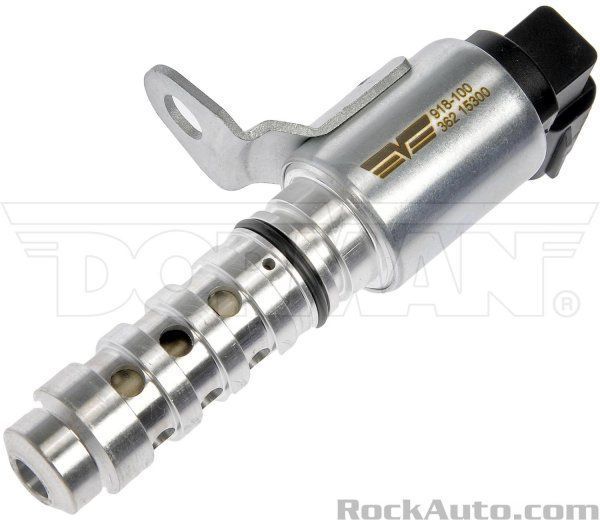
The Variable Valve Timing (VVT) solenoid, also known as an oil control valve (OCV), is a critical component in modern engines. It is an electro-hydraulic valve controlled by the Engine Control Unit (ECU) that manages the flow of pressurized engine oil to the camshaft phasers. By precisely directing this oil, the solenoid can advance or retard the camshaft timing, effectively changing when the engine's valves open and close to optimize performance across the entire RPM range.
Functions of a VVT Solenoid
Control Oil Flow
Acts as a gateway, precisely metering the flow and pressure of engine oil sent to the cam phasers based on signals from the ECU.
Adjust Camshaft Timing
By controlling the oil, it actuates the cam phaser to change the rotational position of the camshaft relative to the crankshaft.
Optimize Engine Performance
Retarded timing at idle provides a smoother idle, while advanced timing at high RPMs increases horsepower and torque.
Improve Fuel Economy & Emissions
Allows for more efficient combustion under various loads, which boosts fuel mileage and reduces harmful exhaust emissions.
Symptoms of a Failing VVT Solenoid
A failing VVT solenoid can severely affect engine performance and efficiency. Its failure is often linked to poor oil maintenance, causing it to get clogged with sludge.
Check Engine Light (CEL)
This is the most common symptom, often with specific VVT codes like P0010, P0011, P0013, or P0014, indicating a circuit or performance issue.
Rough Engine Idle
If the solenoid is stuck in an advanced position, the engine will run erratically and may sound like it's about to stall at idle.
Poor Fuel Economy
When valve timing is not optimized for cruising conditions, the engine burns more fuel than necessary, leading to a noticeable drop in MPG.
Loss of Power
The vehicle may feel sluggish and unresponsive during acceleration as the engine cannot adjust timing for maximum power output.
Engine Stalling
In severe cases, a stuck solenoid can cause the engine to stall completely, particularly when coming to a stop or at low speeds.
Best Practices for Maintenance
Regular, High-Quality Oil Changes
This is the single most important factor. Clean oil of the correct viscosity prevents sludge from clogging the solenoid's tiny passages and filter screen.
Use a Quality Oil Filter
A good filter will effectively trap contaminants that could otherwise jam the solenoid's internal spool valve.
Address Engine Sludge Promptly
If you find sludge under the oil cap, consider an engine flush before installing a new solenoid to prevent immediate contamination.
VVT Solenoid vs. Camshaft Position Sensor
What is a Camshaft Position Sensor?
The Camshaft Position Sensor is an electronic sensor that monitors the rotational speed and exact position of the camshaft. It sends this critical data to the ECU, which then uses the information to control fuel injection, spark timing, and to determine if the VVT solenoid is working correctly.
| Attribute | VVT Solenoid | Camshaft Position Sensor |
|---|---|---|
| Component Type | Actuator (Makes things happen) | Sensor (Reports information) |
| Function | **Changes** camshaft timing | **Reads** camshaft position |
| Failure Symptom | Rough idle, poor performance | Engine won't start, stalls |
| Diagnostic Codes | P001x, P002x series | P034x, P036x, P039x series |
The Camshaft Sensor is the spy reporting the camshaft's position, while the VVT Solenoid is the commander giving it orders to move.