


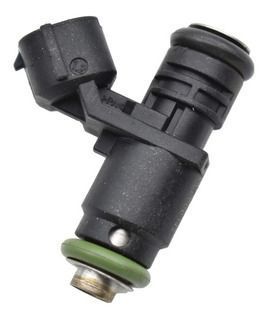
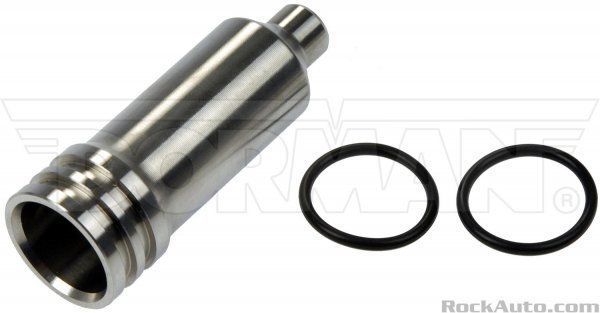
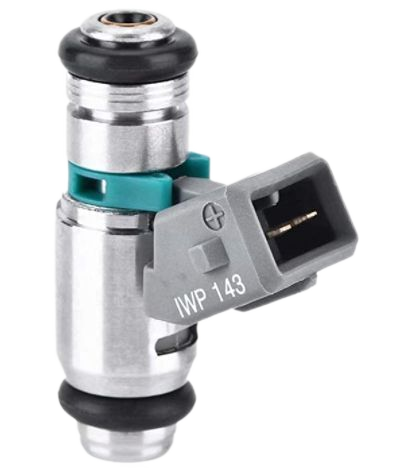
The fuel injector nozzle is the precision-engineered "business end" of the fuel injector. It is the component through which high-pressure fuel is ultimately sprayed into the engine. Far from being a simple hole, the nozzle contains one or more microscopic orifices designed to atomize the liquid fuel into a fine, vaporous mist and shape it into a specific spray pattern. The quality of this atomization and the accuracy of the spray pattern are the most critical factors for achieving efficient and complete combustion, directly impacting an engine's power, fuel economy, and emissions.
Functions of a Fuel Injector Nozzle
Atomize Fuel
It breaks down the stream of liquid fuel into a fine, flammable mist that can easily mix with air for efficient combustion.
Create a Specific Spray Pattern
It shapes the fuel spray into a precise conical or fan pattern designed to target the intake valves or specific areas within the cylinder.
Determine Flow Rate
The size and number of the orifices in the nozzle are a primary factor in determining the injector's overall flow rate (e.g., lbs/hr or cc/min).
Ensure Clean Fuel Cut-Off
A well-designed nozzle and pintle prevent fuel from "dribbling" after the injector closes, which would waste fuel and increase emissions.
Symptoms of a Failing/Clogged Nozzle
Injector nozzles don't typically "fail" mechanically, but they become clogged with carbon and fuel deposits. This restricts flow and disrupts the spray pattern, leading to poor engine performance.
Engine Misfire / Rough Idle
A clogged nozzle delivers an insufficient or poorly atomized fuel charge, causing the affected cylinder to misfire.
Poor Fuel Economy
An incorrect spray pattern leads to incomplete combustion, forcing the ECU to inject more fuel to compensate, thus wasting it.
Hesitation and Loss of Power
When demanding power, the engine is starved for fuel in one or more cylinders due to restricted flow, causing it to stumble.
Failed Emissions Test
Incomplete combustion due to poor atomization results in high levels of unburnt hydrocarbons (HC) in the exhaust.
Fuel Injector Nozzle vs. Injector Body
What is the Injector Body?
The injector body is the main housing that contains the electronic components. This includes the solenoid coil that receives the signal from the ECU, the internal spring, and the pintle (a small needle) that is lifted to open the nozzle. It controls *when* and for *how long* the injector fires.
| Attribute | Injector Nozzle | Injector Body |
|---|---|---|
| Function | Shapes and atomizes fuel | Times and actuates injection |
| Common Failure | Clogging / Carbon buildup | Electrical (solenoid coil failure) |
| Location | Tip of the injector | Main housing of the injector |
| Repair Method | Professional cleaning | Replacement of the unit |
The Injector Body is the faucet handle and valve; the Nozzle is the aerator at the end of the spout that creates a smooth, even spray.