


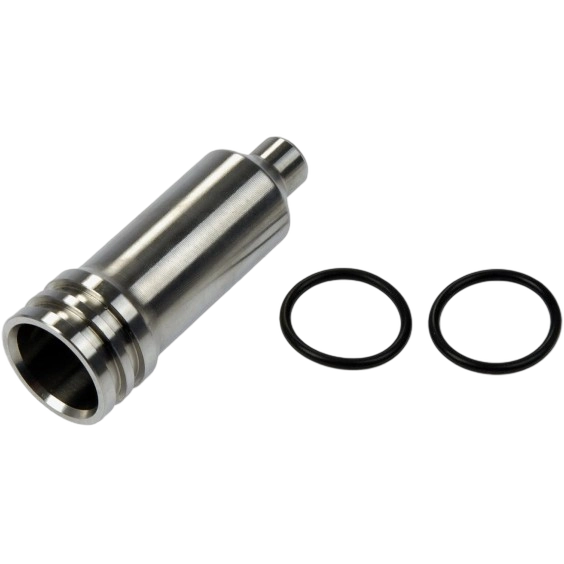
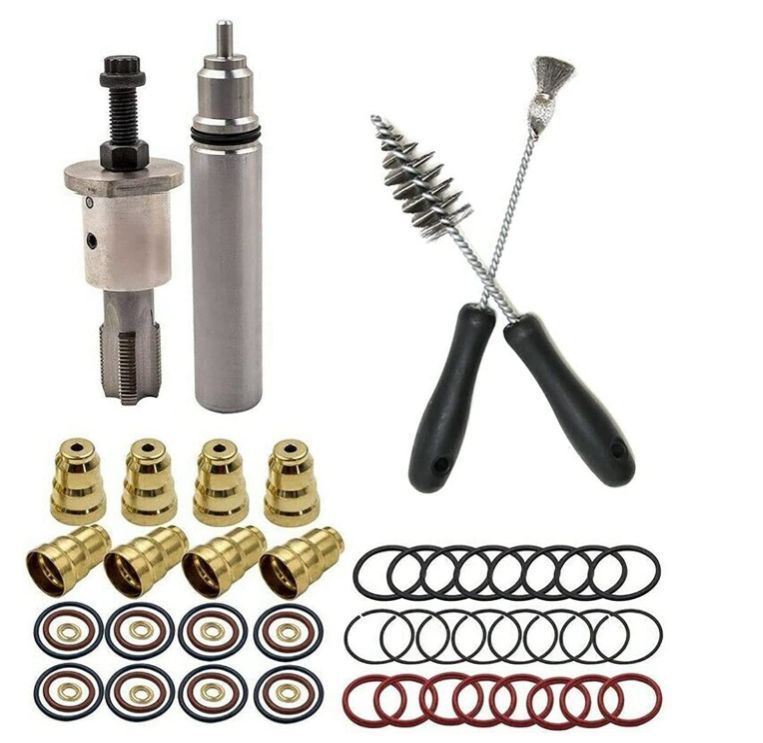
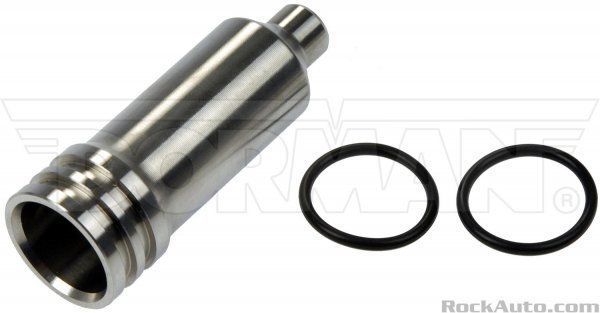
A fuel injector sleeve, also known as an injector cup or tube, is a precision-machined metal insert that is pressed into the cylinder head to house the fuel injector. This component is especially critical in direct injection (GDI and diesel) engines. It performs multiple crucial sealing tasks simultaneously: it seals the extremely high pressures of the combustion chamber, it isolates the fuel system from the engine's coolant passages, and it prevents oil from the valvetrain from contaminating the injector. Essentially, it creates a perfectly sealed and positioned pocket for the injector to operate within, protecting both the injector and the engine.
Functions of a Fuel Injector Sleeve
Seal Combustion Pressure
Its primary function in direct injection engines is to provide a robust seal against thousands of PSI of combustion pressure.
Isolate Fluid Passages
It creates a barrier between the fuel system, the engine's coolant passages within the head, and the oil of the valvetrain.
Precisely Position Injector Tip
It holds the injector at the exact depth and angle required for its specific spray pattern to function correctly within the cylinder.
Provide Heat Transfer
It helps conduct heat away from the sensitive injector tip into the liquid-cooled cylinder head, preventing overheating.
Symptoms of a Failing Injector Sleeve
A failing injector sleeve is a severe internal engine leak. It allows cross-contamination of fluids (fuel, oil, coolant) and combustion gases, which can quickly lead to catastrophic engine damage.
Fuel in Coolant or Oil
A crack or failed seal can allow high-pressure fuel to enter the cooling system (visible in reservoir) or crankcase (thinning the oil).
Compression/Exhaust Leak
A "chuffing" sound from the top of the engine and black soot around the injector base indicates a failed combustion seal.
Engine Misfire and Hard Starting
Caused by loss of compression from a combustion leak or by contaminated fuel from a coolant leak into the injector.
White or Black Exhaust Smoke
White smoke indicates coolant is being burned in the cylinder, while excessive black smoke can be caused by fuel leaking into the cylinder.
Fuel Injector Sleeve vs. Injector O-Ring
What is an Injector O-Ring?
An injector O-ring is a small, flexible seal made of a fuel-resistant elastomer (like Viton®). Its job is to seal the injector *into* the fuel rail and *into* the sleeve or intake port. It provides a compliant seal for the injector body, whereas the sleeve provides a rigid, structural seal to the cylinder head.
| Attribute | Injector Sleeve | Injector O-Ring |
|---|---|---|
| Function | Seals injector PORT to head | Seals injector BODY to rail/port |
| Material | Metal (Steel, Copper, Brass) | Elastomer (Rubber, Viton®) |
| Nature | Rigid, Structural | Flexible, Compliant |
| Installation | Press-fit, requires special tools | Slips onto injector body |
The Sleeve is the copper pipe set into the wall; the O-Ring is the rubber washer on the faucet that seals it to the pipe.