


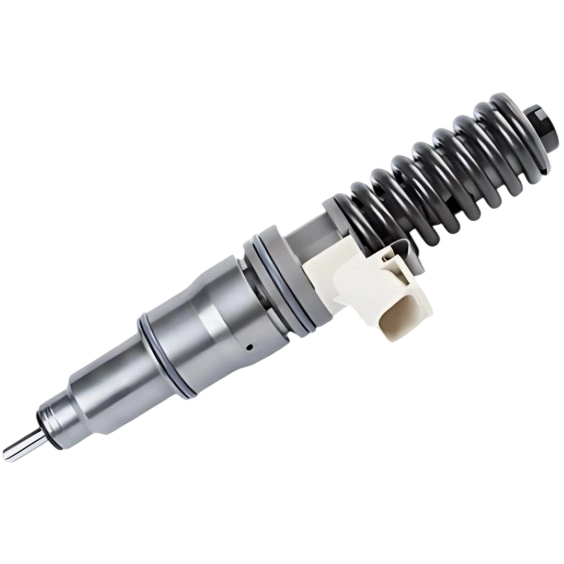
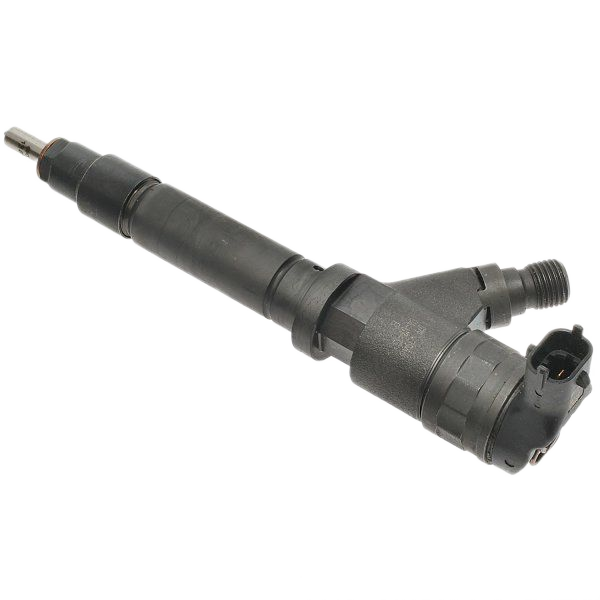
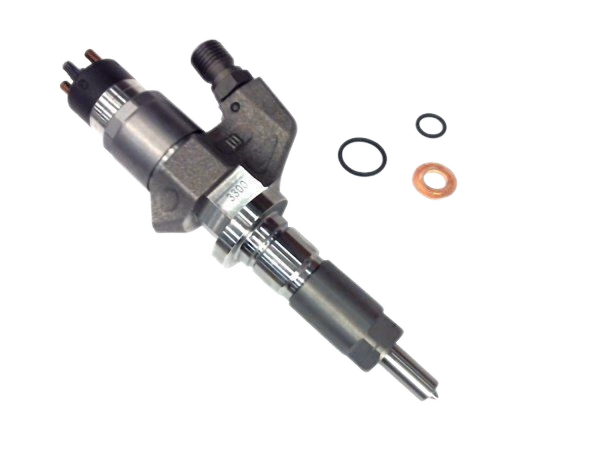
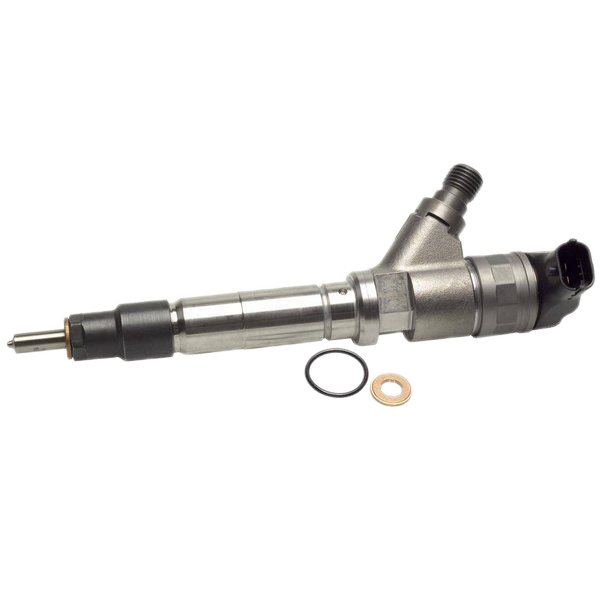
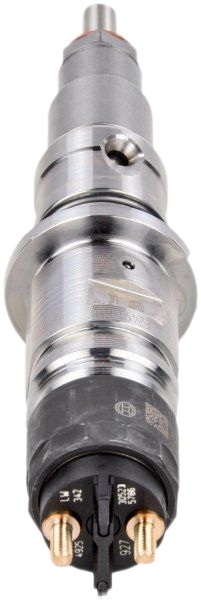

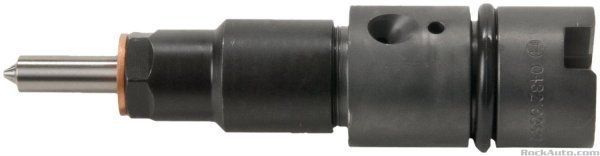
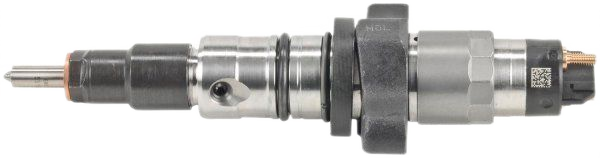
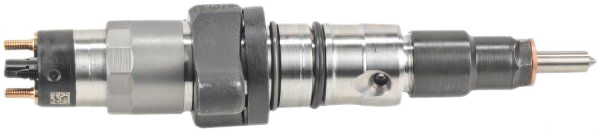
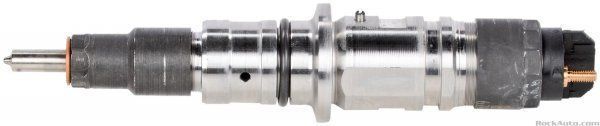
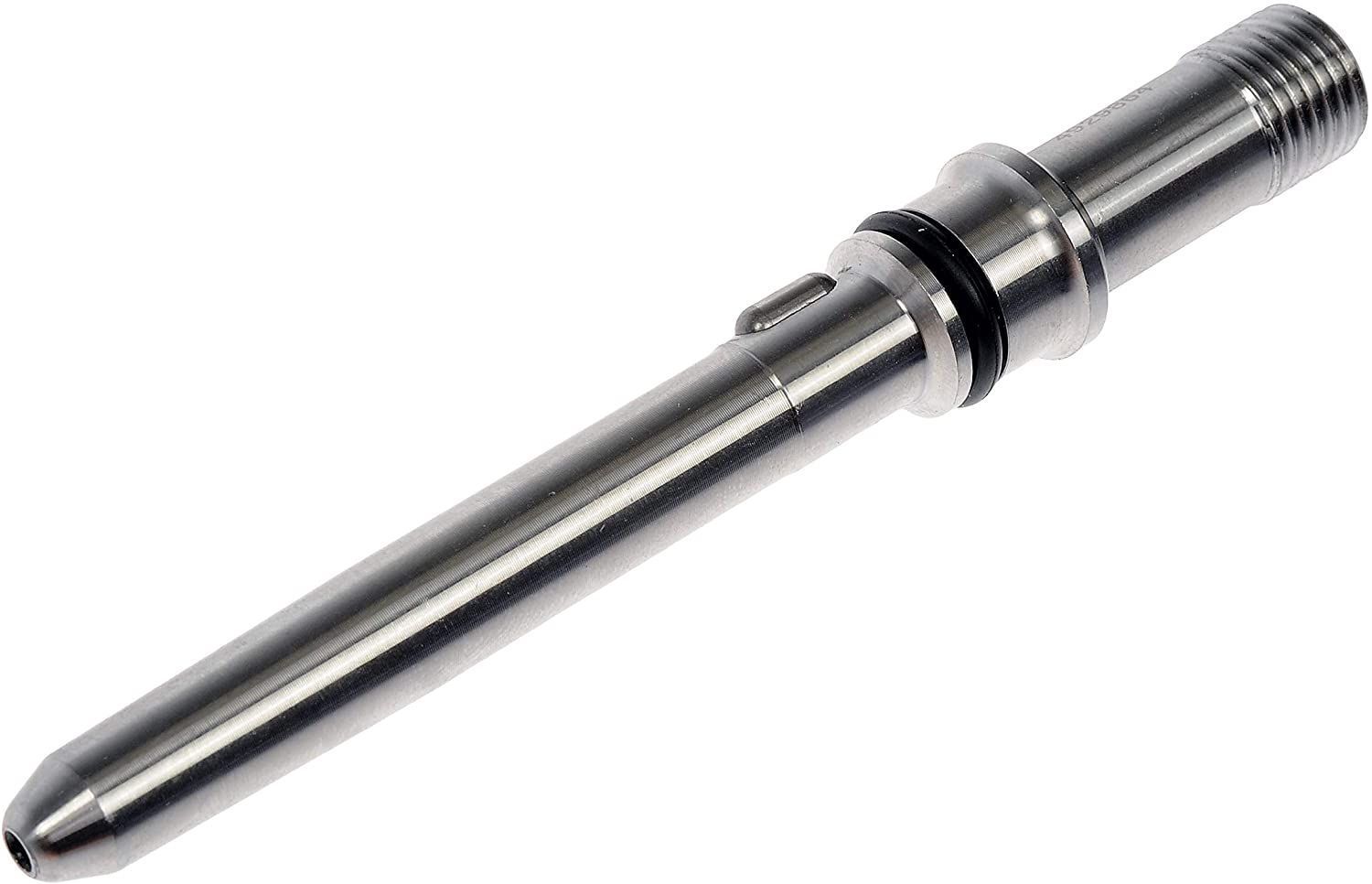
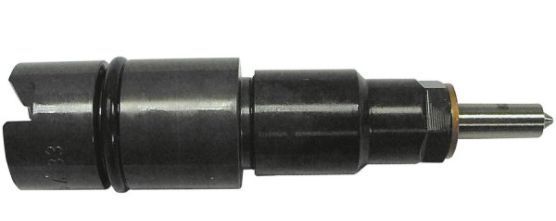
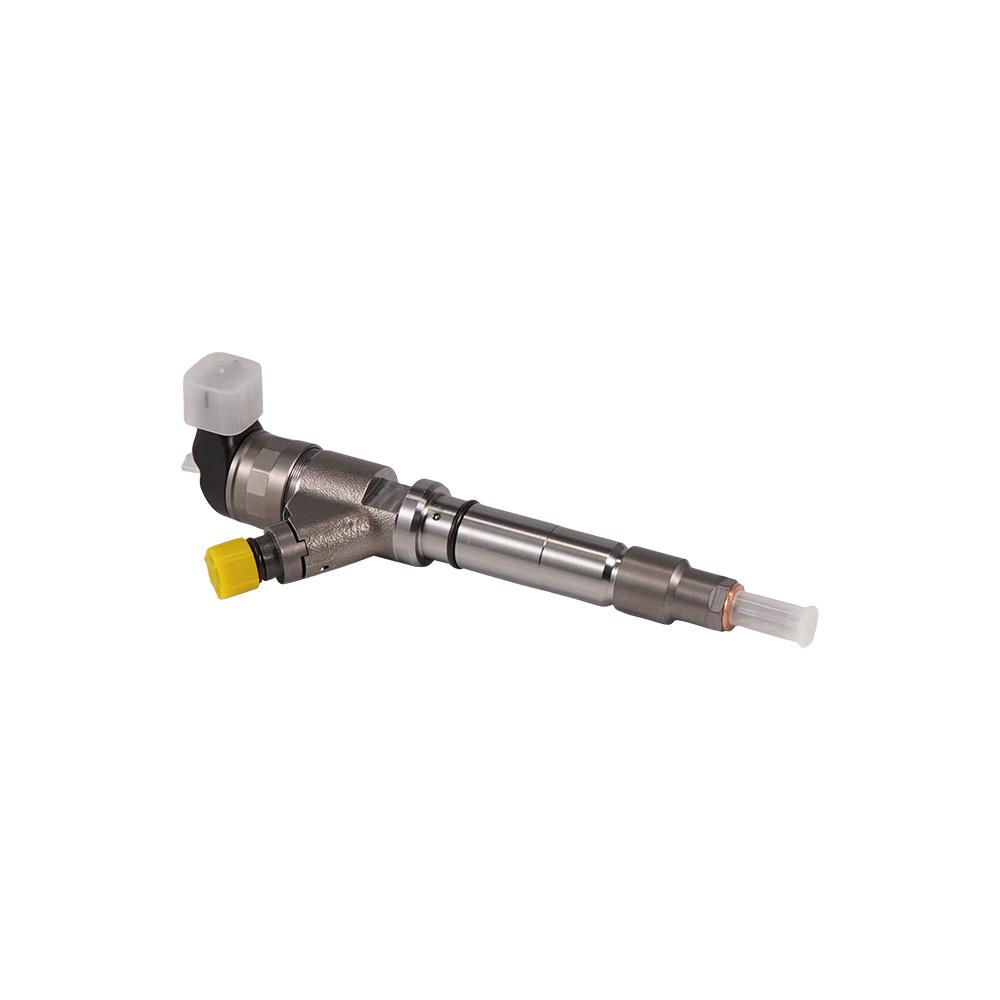
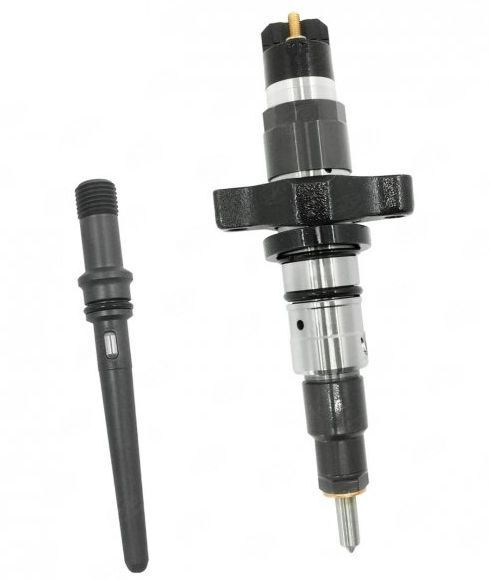
A fuel injector is a highly sophisticated, electronically controlled valve that delivers a precise amount of fuel into an engine. It acts like a high-pressure spray nozzle, atomizing the fuel into a fine mist that can be easily mixed with air for efficient combustion. Commanded by the engine control unit (ECU), the injector opens and closes for just milliseconds at a time, providing the exact quantity of fuel needed for any given operating condition. This precision is the cornerstone of modern engine performance, fuel economy, and emissions control.
Functions of a Fuel Injector
Precise Fuel Metering
It delivers a computer-controlled, exact volume of fuel for each combustion event, ensuring the ideal air-fuel ratio.
Fuel Atomization
It sprays fuel as a fine, conical mist, maximizing its surface area for rapid vaporization and complete mixing with intake air.
Improve Performance & Efficiency
Proper atomization and precise metering lead to more complete combustion, resulting in more power and less wasted fuel.
Enable Emissions Control
By preventing overly rich or lean fuel mixtures, injectors are critical for minimizing harmful emissions and allowing the catalytic converter to work effectively.
Symptoms of a Failing Fuel Injector
A faulty injector can cause everything from poor fuel economy to severe engine damage. A leaking injector can wash oil from cylinder walls, while a clogged one can cause a lean condition that damages pistons.
Engine Misfire and Rough Idle
The most common sign. A clogged injector delivers too little fuel, while a malfunctioning one delivers too much, both causing a cylinder to misfire.
Poor Fuel Economy
A leaking injector or one with a poor spray pattern will waste fuel, leading to a noticeable drop in miles per gallon.
Check Engine Light
Fault codes for a specific cylinder misfire (e.g., P0301) or for fuel trim (P0171 Lean, P0172 Rich) often point to an injector problem.
Fuel Smell
A strong gasoline odor can be caused by a leak from the injector's body or its O-ring seals where it fits into the fuel rail or intake.
Types of Fuel Injection Systems
| Type | Key Feature | Application/Notes |
|---|---|---|
| Multi-Port Injection (PFI/MPI) | One injector per cylinder in the intake port | Most common type for decades; highly reliable. |
| Gasoline Direct Injection (GDI) | Injects directly into the cylinder | Standard on most new engines; higher pressure, more efficient. |
| Throttle Body Injection (TBI) | 1 or 2 injectors mounted in the throttle body | Early, less precise system found on vehicles from the 80s-90s. |
| Diesel Common Rail | Extremely high pressure; multiple injections | Used in all modern diesel engines for power and emissions control. |
Fuel Injector vs. Carburetor
What is a Carburetor?
A carburetor is a purely mechanical device that mixes air and fuel for an engine. It uses the Venturi effect—where air pressure drops as it speeds through a restriction—to draw fuel from a small reservoir (the float bowl) into the airstream. While ingenious, it is far less precise than modern fuel injection.
| Attribute | Fuel Injector | Carburetor |
|---|---|---|
| Control | Electronic (ECU) | Mechanical (Vacuum/Jets) |
| Fuel Delivery | High-Pressure Atomized Spray | Low-Pressure Drip/Stream |
| Efficiency | Very High | Low |
| Adjustment | Automatic (Self-Adjusting) | Manual (Requires Tuning) |
A Fuel Injector is like a high-tech medical syringe, delivering a precise, computer-controlled dose; a Carburetor is like a simple watering can.