


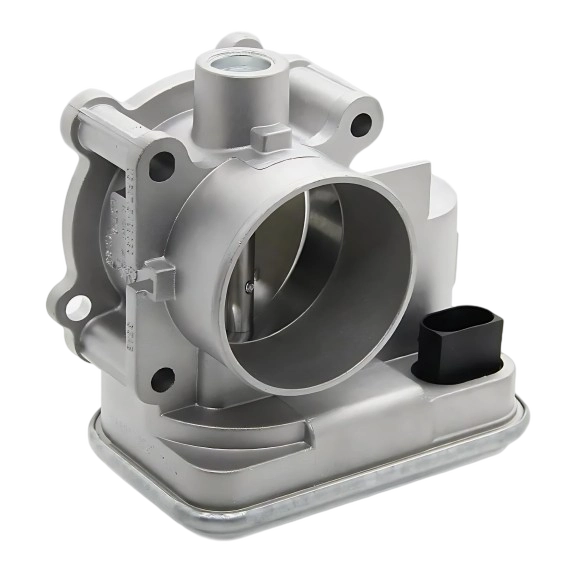
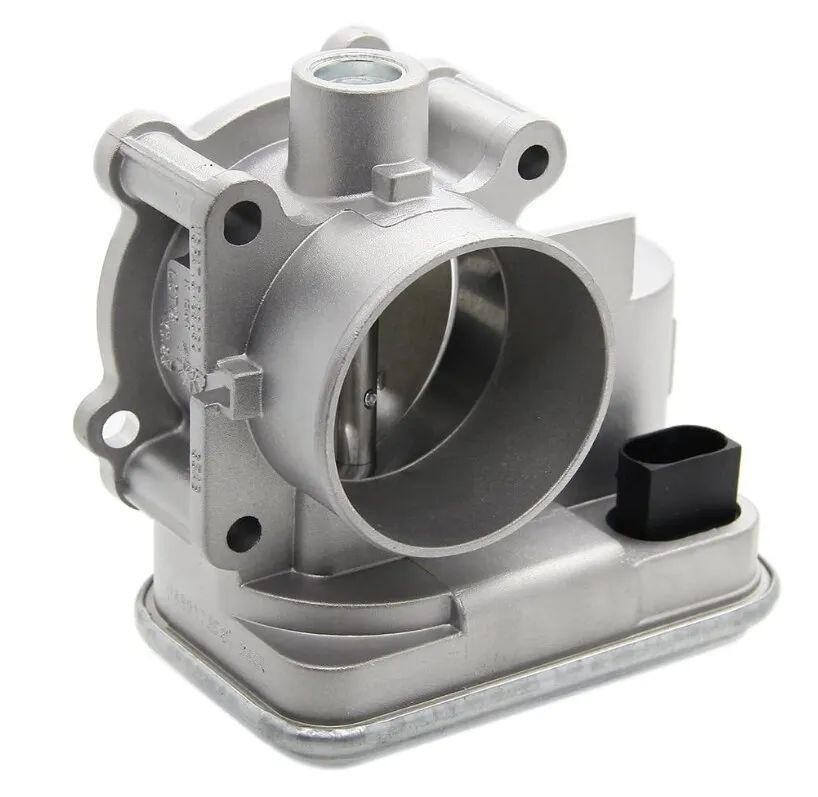
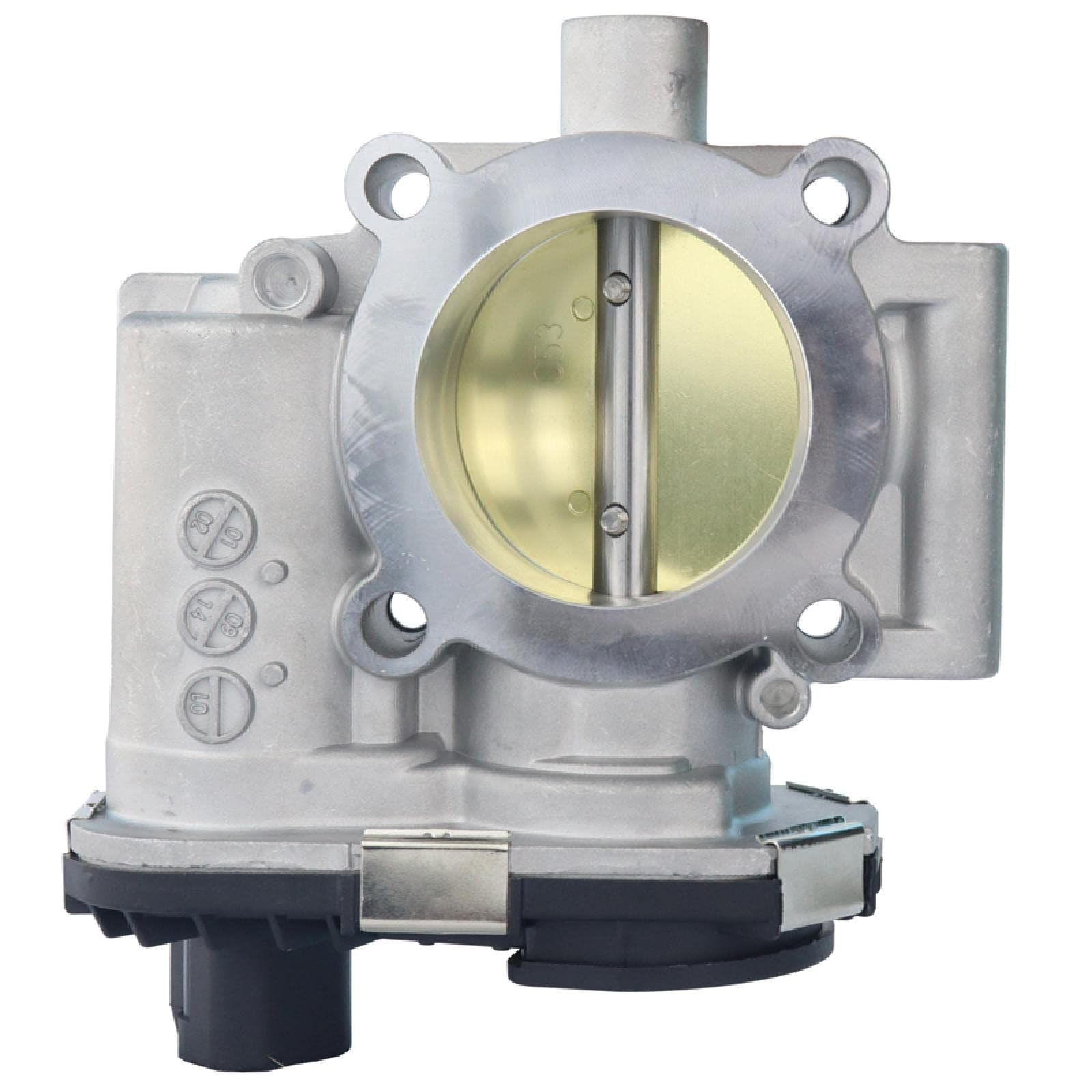
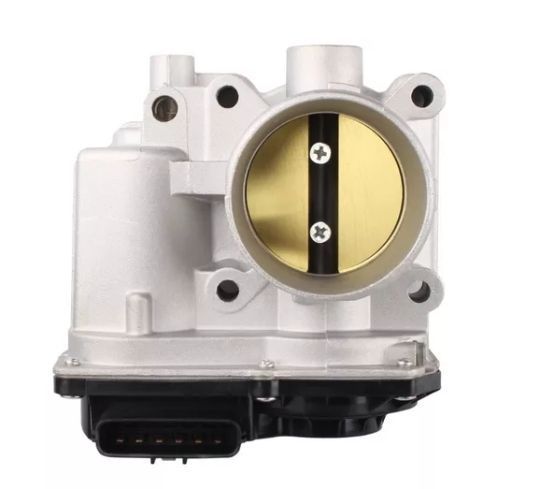
The throttle body is the "lungs" of a modern fuel-injected engine. Located between the air filter and the intake manifold, it is a valve that opens and closes to regulate the amount of air entering the engine. Inside the throttle body is a pivoting flat plate called the throttle plate or butterfly valve. When the driver presses the accelerator pedal, this plate opens, allowing more air in, which the engine control unit (ECU) matches with more fuel, causing the engine to produce more power and speed up. Its precise operation is essential for performance, idle stability, and fuel economy.
Functions of a Throttle Body
Regulate Airflow
Its primary function is to precisely control the volume of air entering the intake manifold in direct response to driver demand.
Control Engine Speed
By controlling airflow, it directly controls the engine's speed and power output, from a stable idle to full throttle.
House Critical Sensors
It serves as the mounting point for the Throttle Position Sensor (TPS) and, in older systems, the Idle Air Control (IAC) valve.
Enable Modern Features
Electronic throttle bodies are essential for features like cruise control, traction control, and stability control systems to function.
Symptoms of a Failing Throttle Body
Most throttle body issues are caused by carbon buildup, which can be cleaned. However, electronic failures or worn sensors often require full replacement of the unit.
Rough or Fluctuating Idle
This is the most common symptom, caused by carbon buildup restricting the small amount of air needed for a stable idle.
Hesitation or Poor Acceleration
A sticking throttle plate or a faulty sensor can cause a delay between pressing the accelerator and the engine responding.
Check Engine Light
Codes related to the Throttle Position Sensor (P0120-P0124) or Electronic Throttle Control (P2100-P2119) point directly to a faulty unit.
Stalling When Coming to a Stop
If the throttle body cannot properly regulate idle air, the engine may stall when the accelerator is released.
Throttle Body vs. Carburetor
What is a Carburetor?
A carburetor is an older mechanical device that performs two functions: it regulates airflow with a throttle plate AND mixes that air with fuel drawn from a float bowl. The throttle body in a modern port-injected engine only regulates air; the fuel is added later by injectors.
| Attribute | Throttle Body | Carburetor |
|---|---|---|
| Function | Controls Air Only | Controls Air & Mixes Fuel |
| Control | Electronic / Precise | Mechanical / Vacuum |
| Efficiency | High | Low |
| Application | Modern Fuel-Injected Engines | Classic & Vintage Engines |
A Carburetor is an old-school analog paint mixer; a Throttle Body is a precision digital air valve.