


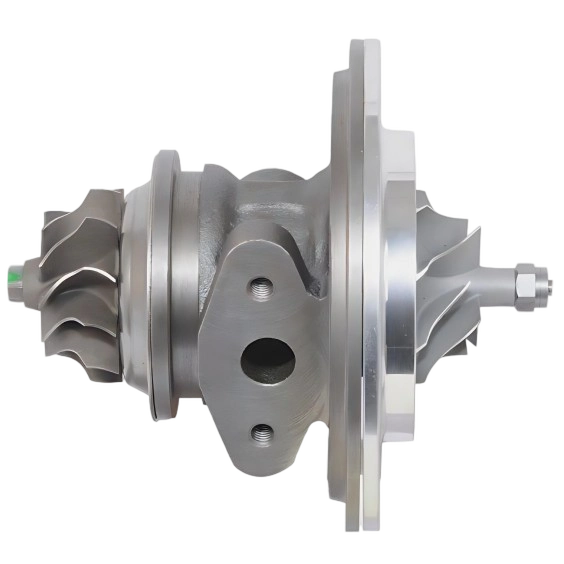
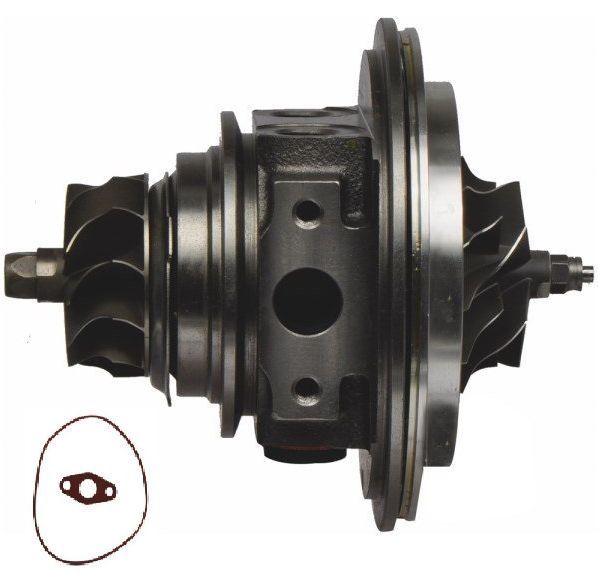
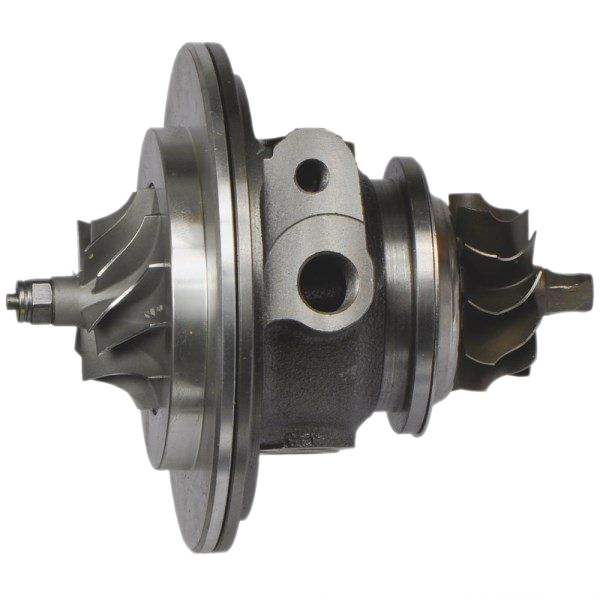
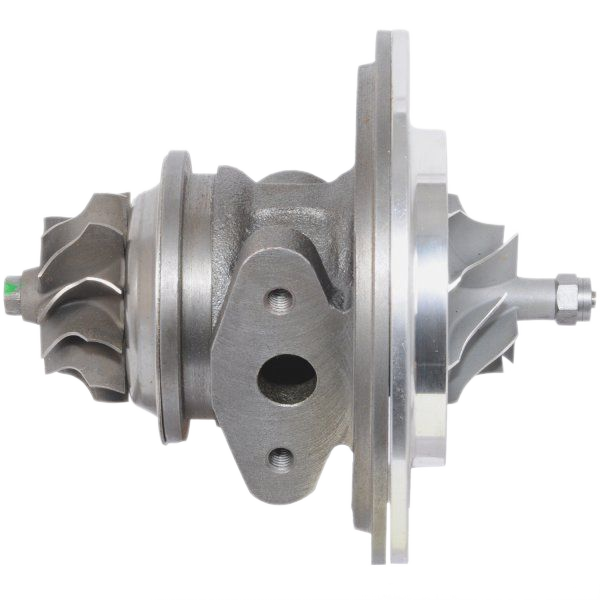
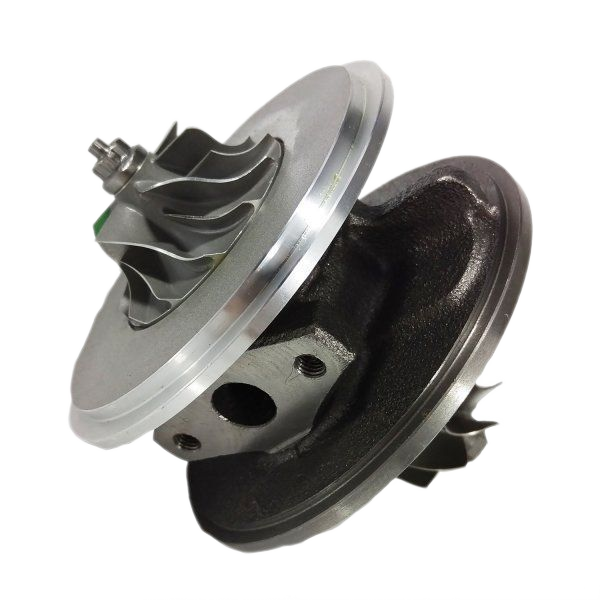
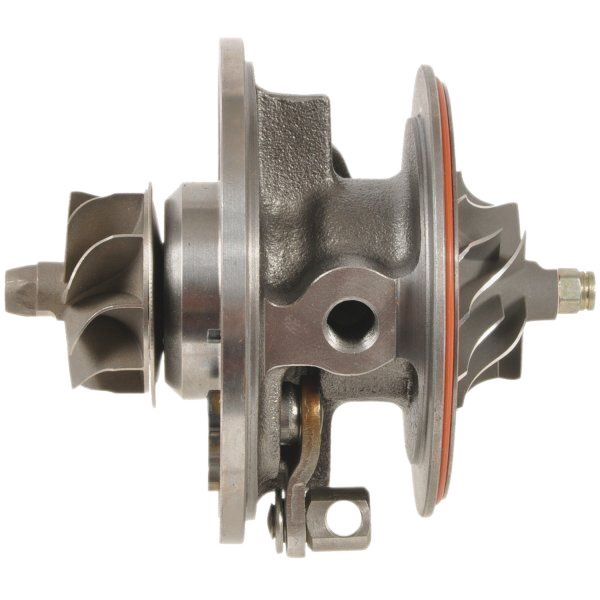
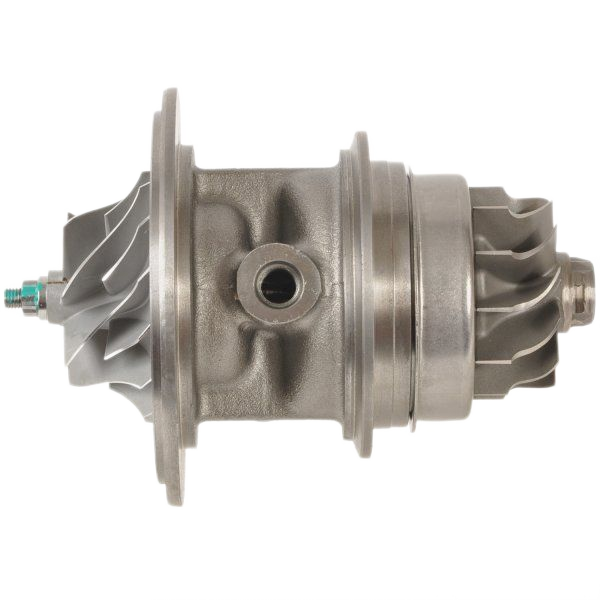
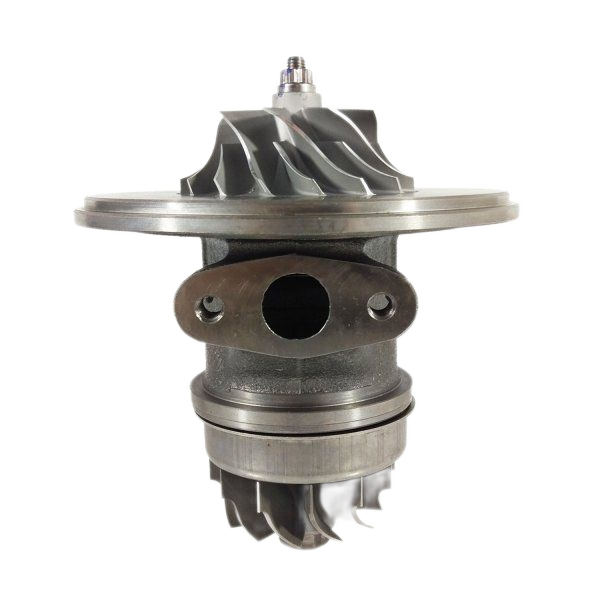
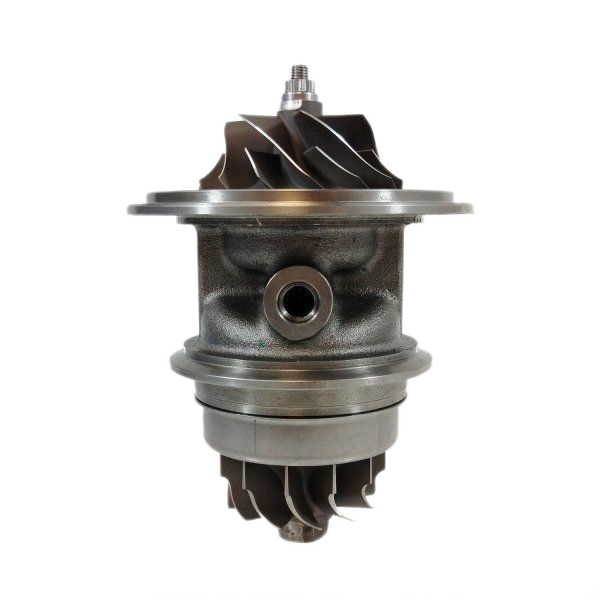
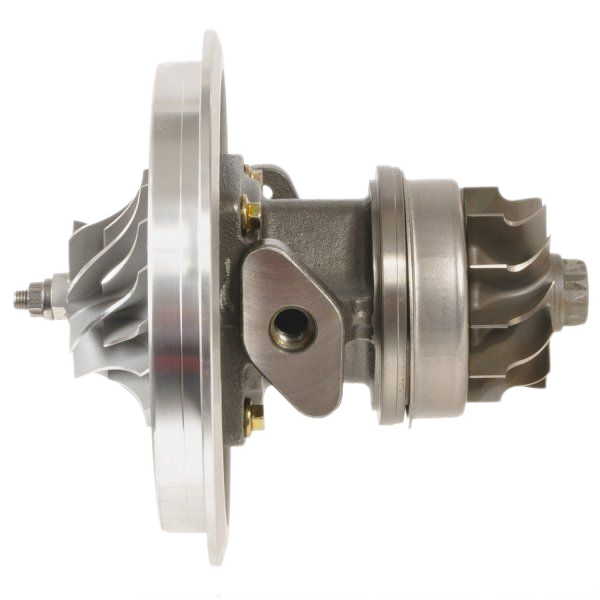
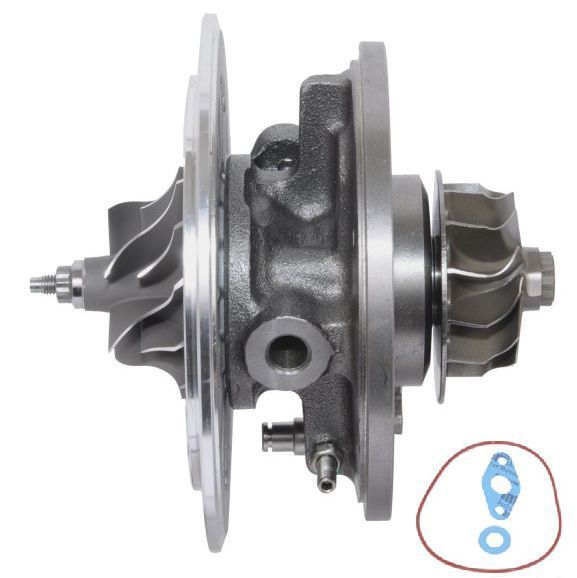
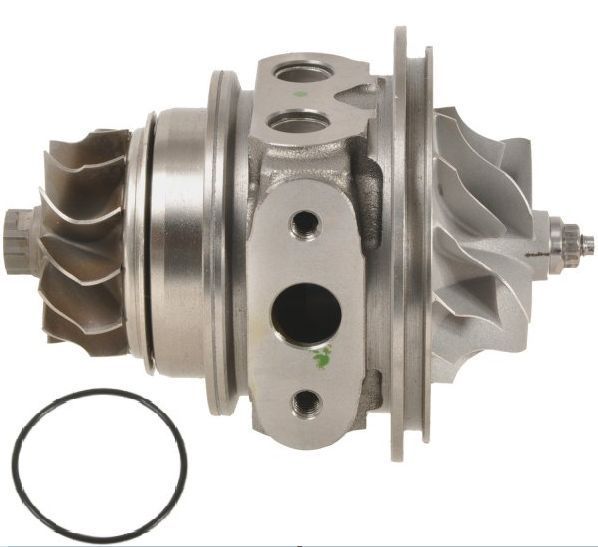
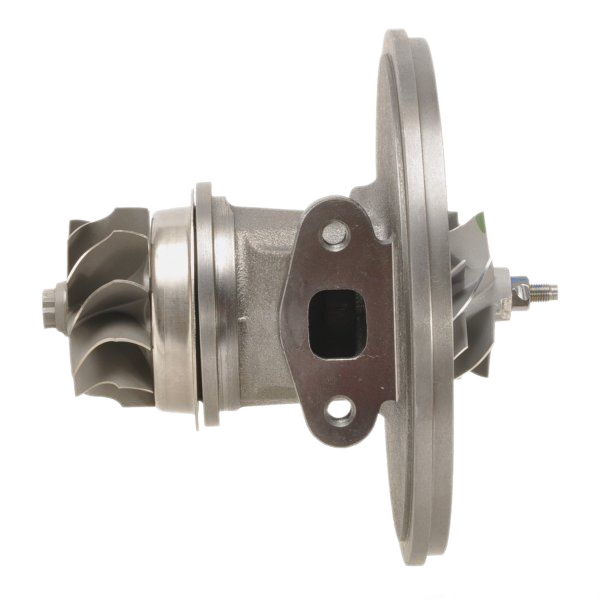
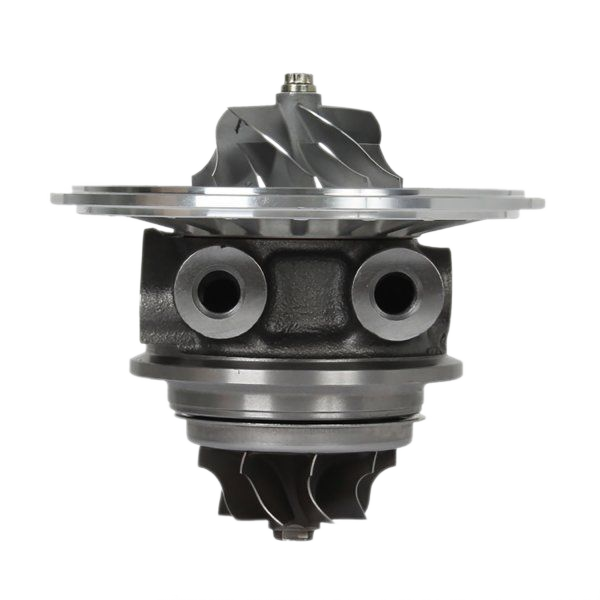
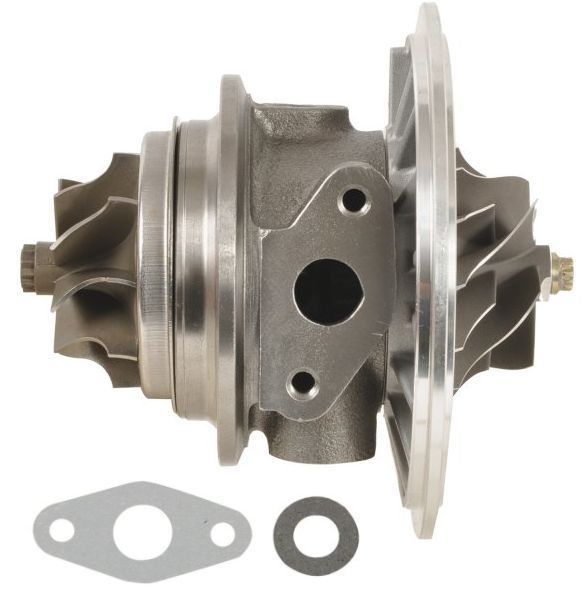
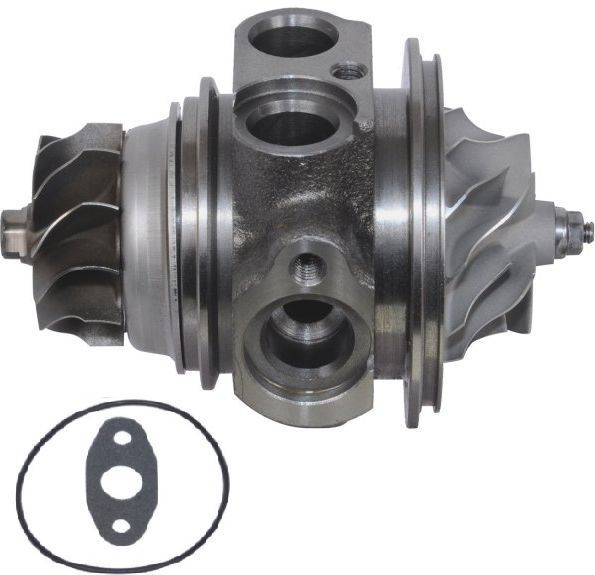
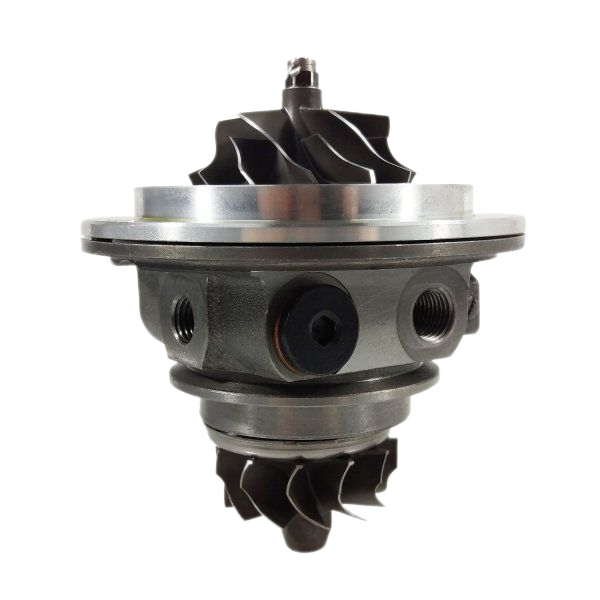
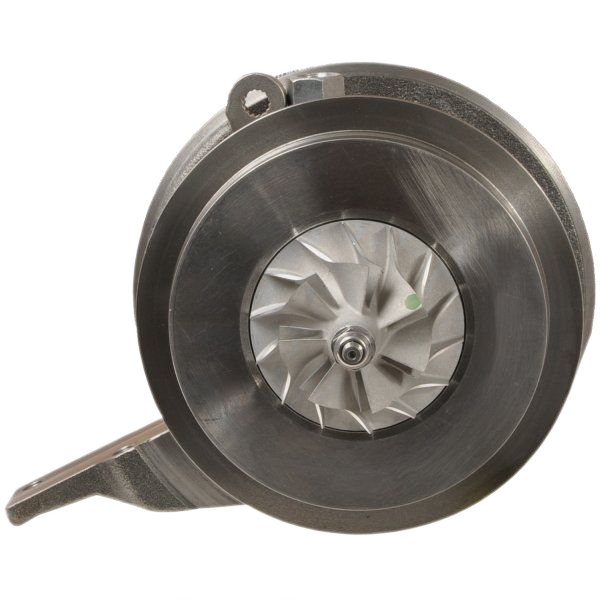
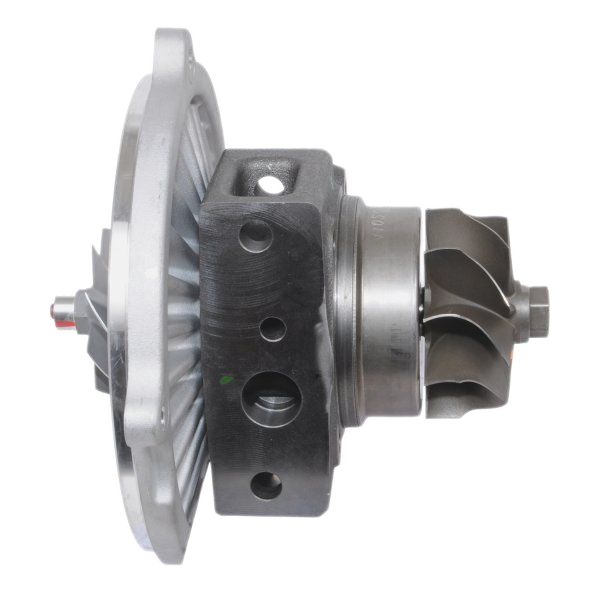
A turbocharger cartridge, known professionally as the Center Housing Rotating Assembly (CHRA), is the complete rotating core of a turbocharger. It contains all the critical moving parts: the turbine wheel, the compressor wheel, the connecting shaft, the bearing system, and the oil seals, all housed within the central "cartridge" housing. The CHRA is the functional heart of the turbocharger, responsible for all the work of compressing air. It offers a cost-effective and efficient repair method, allowing a technician to replace the entire internal assembly without needing to replace the expensive, non-wear turbine and compressor housings.
Functions of a Turbocharger Cartridge
Central Rotating Assembly
It is the single component that spins, connecting the exhaust-driven turbine wheel to the air-compressing compressor wheel.
Support and Lubricate the Shaft
The center housing contains oil passages and a bearing system (journal or ball bearing) that supports the shaft as it spins at extreme speeds.
Compress Intake Air
The compressor wheel, as part of the CHRA, draws in and pressurizes the air, forcing "boost" into the engine.
Seal Oil and Gases
It contains high-speed seals that keep pressurized engine oil within the center housing, preventing it from leaking into the intake or exhaust.
Symptoms of a Failing Cartridge (CHRA)
The symptoms for a failing CHRA are identical to a failing turbocharger, because the CHRA contains all the parts that typically fail. Immediate attention is required to prevent engine damage.
Loud Whining or Grinding Noise
A siren-like sound indicates failing bearings or compressor/turbine wheel fins making contact with the housing.
Excessive Exhaust Smoke
Blue or gray smoke is a clear sign that the internal seals have failed, allowing oil to leak into the hot exhaust or cold intake side.
Loss of Power & Boost
A seized or damaged CHRA will not spin freely, preventing it from building boost and causing a dramatic loss of engine performance.
Excessive Shaft Play
If the shaft can be wiggled significantly in and out (axial play) or side to side (radial play), the bearings inside the cartridge have failed.
Cartridge (CHRA) vs. Complete Turbocharger
What is a Complete Turbocharger?
A complete turbocharger is the entire assembly, including the CHRA plus the two outer "snail shell" housings: the cast iron turbine housing (hot side) and the aluminum compressor housing (cold side). It also includes the wastegate actuator. This is a full, direct bolt-on replacement.
| Attribute | Cartridge (CHRA) | Complete Turbocharger |
|---|---|---|
| Components | Rotating assembly & center housing | CHRA + Compressor & Turbine Housings |
| Cost | Lower part cost | Higher part cost |
| Labor | More complex (requires disassembly) | Simpler (direct bolt-on) |
| Use Case | Repair when housings are undamaged | Repair when housings are cracked/damaged |
A CHRA is like a new engine crate motor; a Complete Turbo is the entire engine with manifolds and accessories attached.