


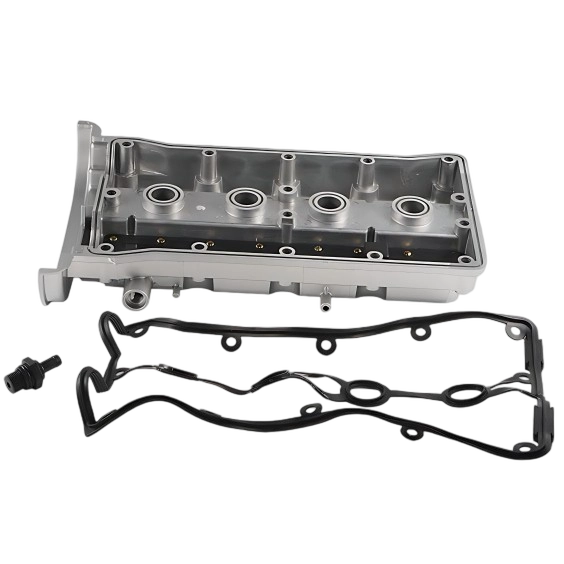
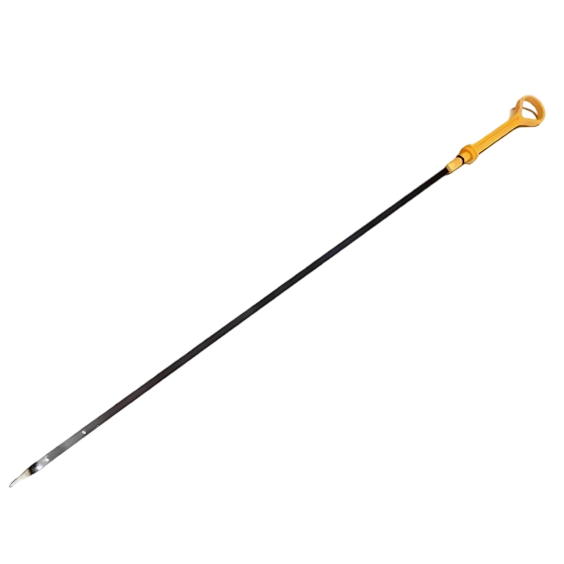
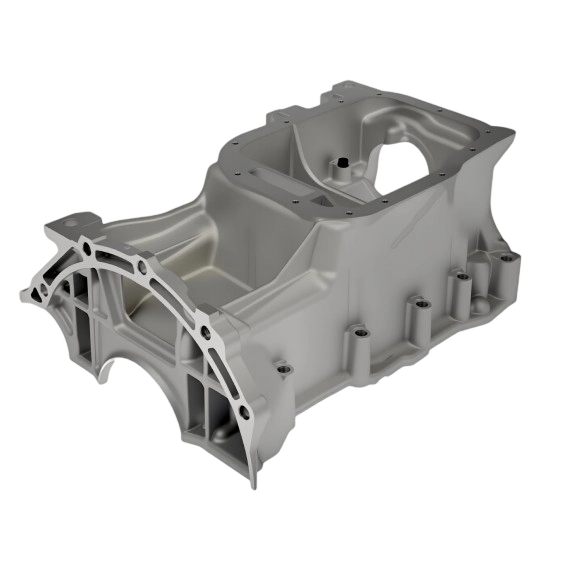
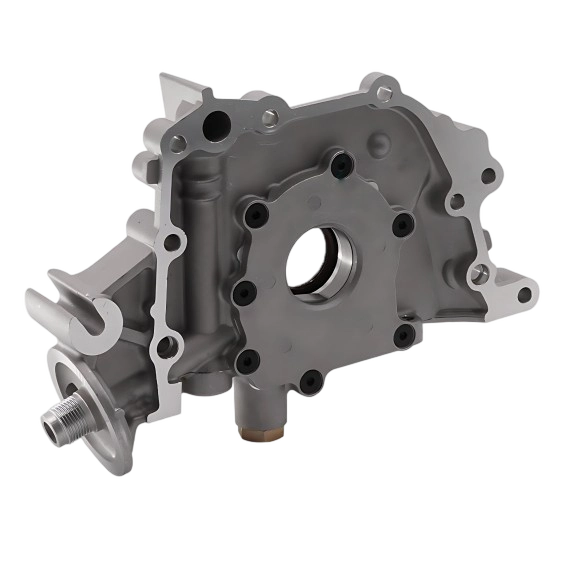
What are Cylinder Head Components?
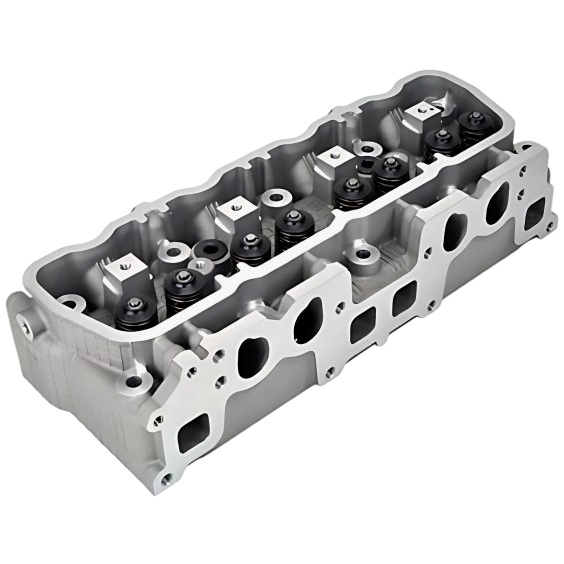
The cylinder head sits atop the engine block and houses the valvetrain—a complex assembly of moving parts that control the flow of air and fuel into the cylinders and exhaust gases out. The performance of these components directly dictates engine power, fuel economy, and emissions.

Key Cylinder Head Parts:
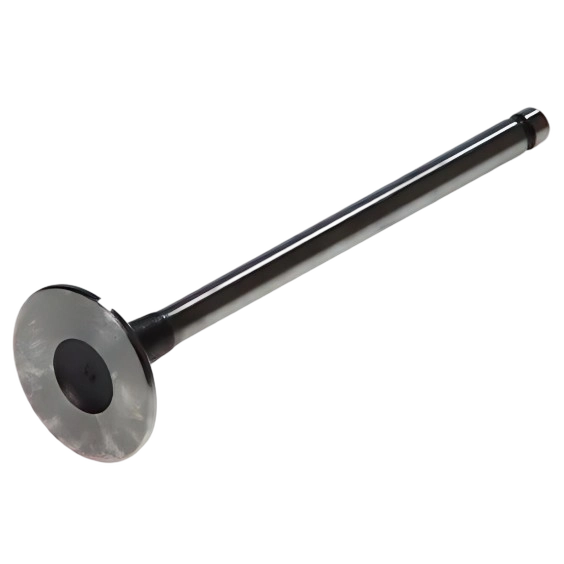
Valves (Intake & Exhaust)
The "doors" of the cylinder that open and close to manage airflow.
Valve Springs & Retainers
Close the valves securely after being opened by the camshaft.
Valve Stem Seals
Control oil flow down the valve stem, preventing oil consumption.
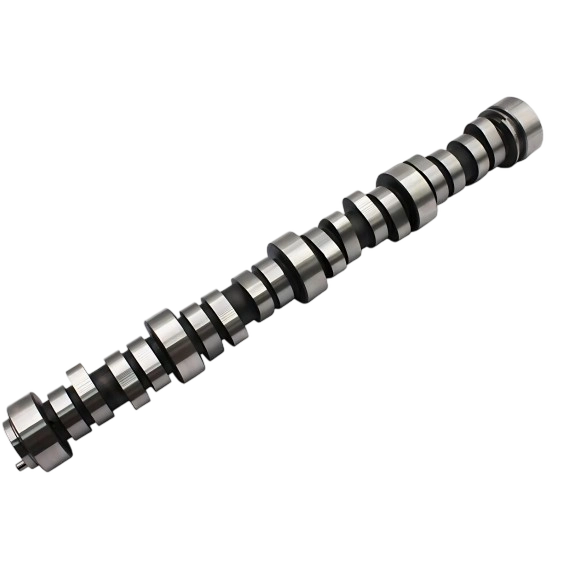
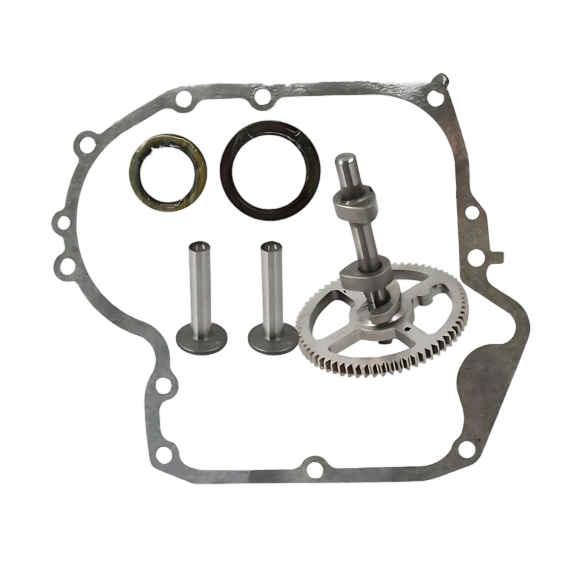
Camshaft(s)
A rotating shaft with lobes that actuate the valves at precise moments.
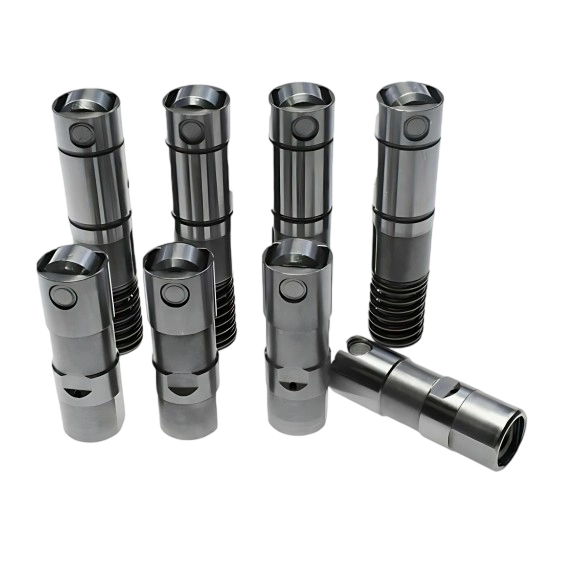
Valve Lifters / Tappets
Follow the camshaft lobes and transfer motion to the rest of the valvetrain.
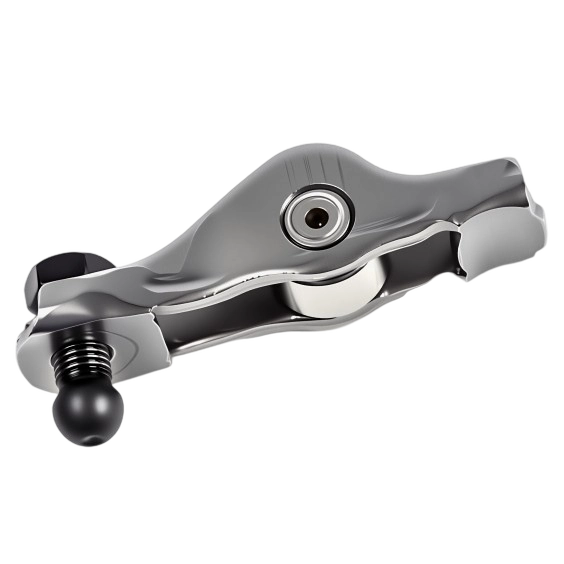
Rocker Arms
Pivoting levers that multiply the camshaft's motion to open the valves.
The Evolution: Valvetrain Configurations
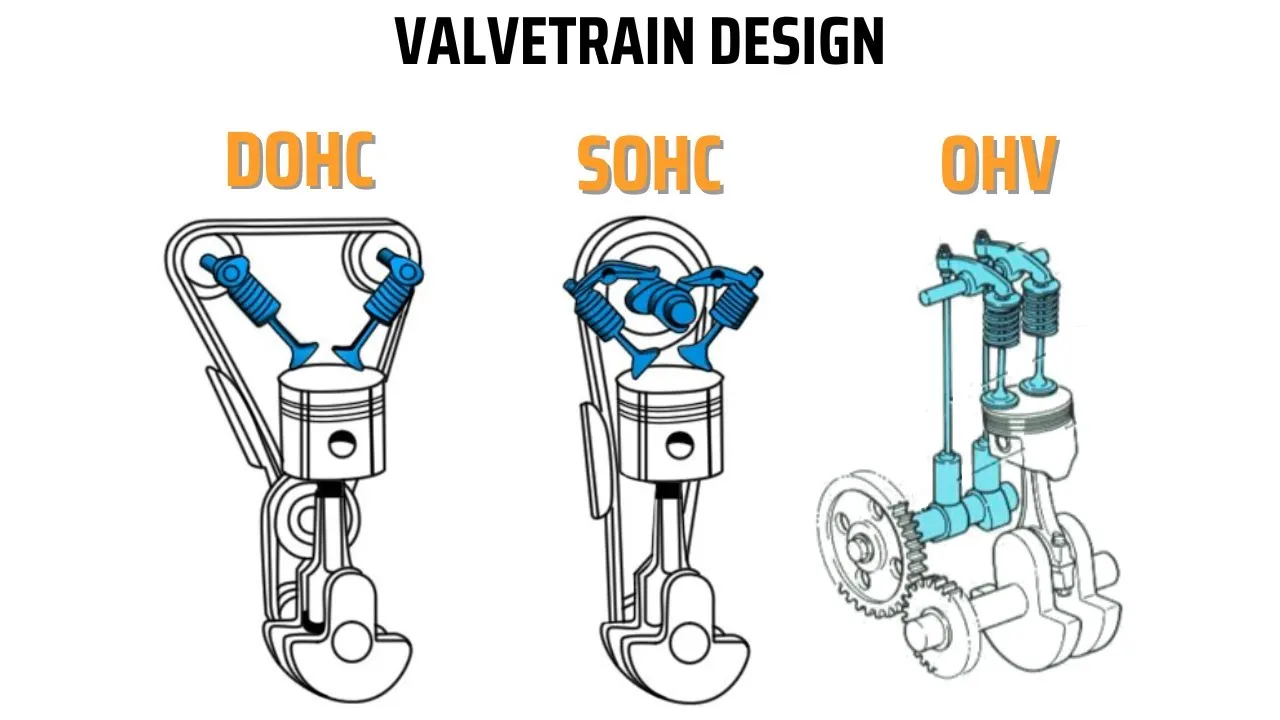
Cylinder head design has evolved significantly to improve engine breathing. The shift from a single, in-block camshaft (OHV) to camshafts located directly over the valves (SOHC/DOHC) has enabled higher RPMs, greater efficiency, and technologies like Variable Valve Timing (VVT).
| Configuration | Key Features | Performance Characteristics |
|---|---|---|
| Overhead Valve (OHV) | Camshaft in block, uses pushrods. Simple and compact design. | Excellent low-RPM torque, limited high-RPM capability. |
| Single Overhead Cam (SOHC) | One camshaft per cylinder head operates all valves via rocker arms. | Good balance of performance and simplicity. |
| Dual Overhead Cam (DOHC) | Two camshafts per head; one for intake, one for exhaust. Allows for 4+ valves per cylinder. | Superior high-RPM power, efficiency, and enables VVT. The modern standard. |
The Critical Role of Valve Sealing
The seal between the valve face and the valve seat in the cylinder head is essential for engine compression. A perfect seal means full power and efficiency. A leaking, or "burnt," valve allows high-pressure combustion gases to escape, leading to a loss of compression, engine misfires, and potential catastrophic damage.
Proper Valve Sealing
Maximizes cylinder pressure during the compression and power strokes, ensuring complete combustion and optimal engine output.
Leaking Valve Seat
Causes a direct loss of compression, leading to misfires, rough idling, poor fuel economy, and eventual valve failure.
Our Commitment: Our engine valves are manufactured from high-temperature stainless steel or Inconel alloys with hardened tips and precision-ground faces to ensure a perfect, long-lasting seal and maximum performance.
Why Choose FOCUSON ENGINE® Cylinder Head Parts?
Superior Metallurgy
Benefit: Use of high-temp alloys for valves and hardened steel for camshafts ensures maximum durability and wear resistance.
Precision Grinding & Machining
Benefit: Tightly controlled tolerances on valve stems and cam lobes guarantee quiet operation and OE-level performance.
High-Quality Valve Stem Seals
Benefit: Use of Viton® or polyacrylate materials prevents oil leaks and premature hardening for long-term engine health.
Rigorous Quality Control
Benefit: Every component, from valve springs to lifters, is tested for correct specifications, ensuring a reliable repair.
Frequently Asked Questions
What causes a "burnt" valve?
A burnt valve is caused by overheating, which happens when it can't seal properly against the seat to dissipate heat. Common causes are carbon buildup, incorrect valve lash, or lean fuel mixtures.
What is "valve float"?
Valve float occurs at very high RPMs when the valve springs aren't strong enough to close the valve before the piston comes back up. This causes a loss of power and can lead to severe engine damage.
What are the symptoms of bad valve stem seals?
The classic symptom is a puff of blue smoke from the exhaust on startup. This happens because oil seeps down the valve stems into the cylinders overnight and is burned off when the engine starts.
What is a "valve job"?
A valve job is a cylinder head service where the valves and valve seats are machined (or "ground") to restore the perfect sealing angle between them. It often includes replacing valve guides and seals.