


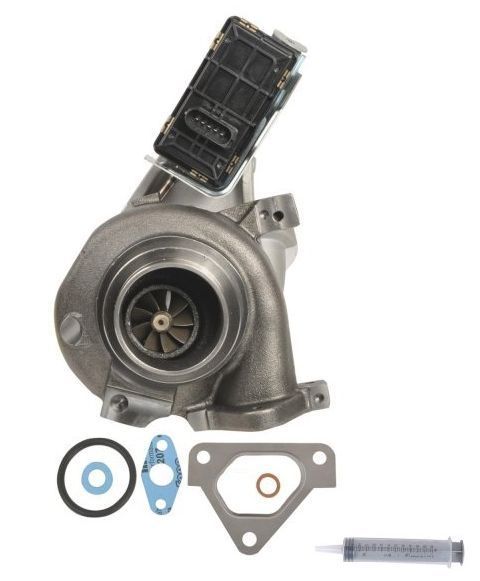
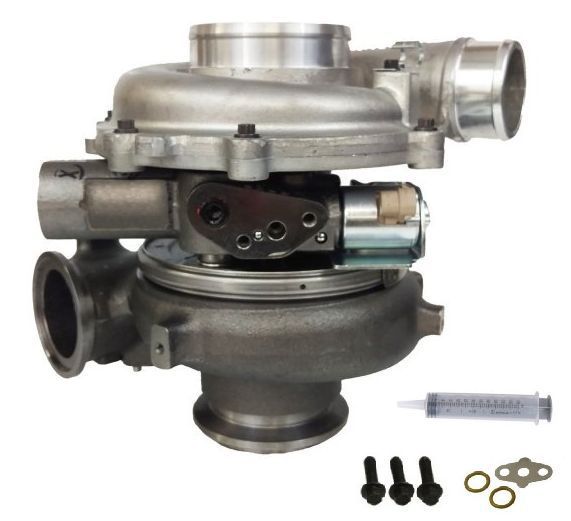
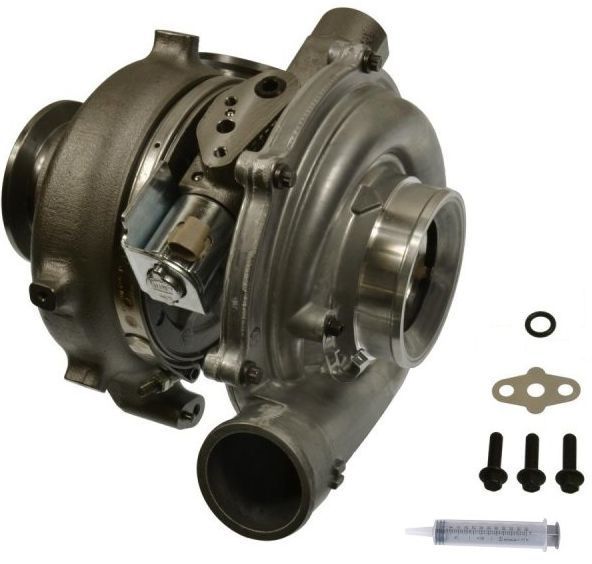
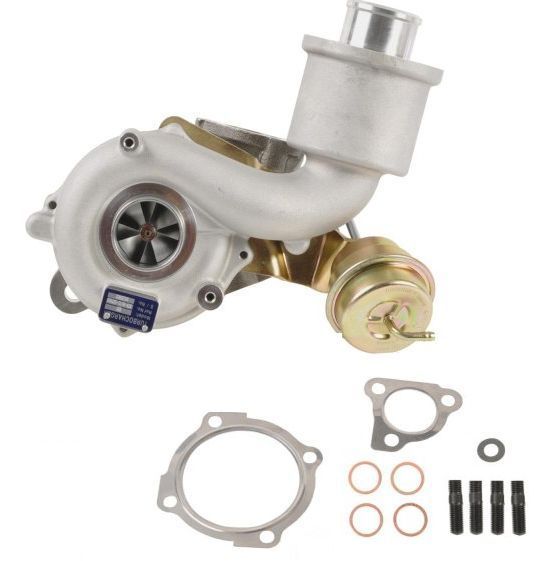
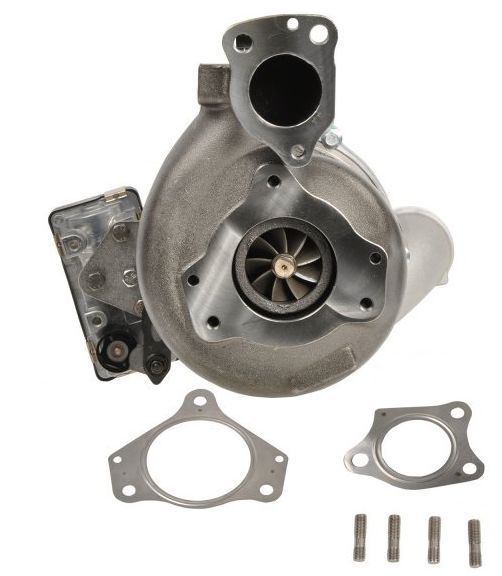
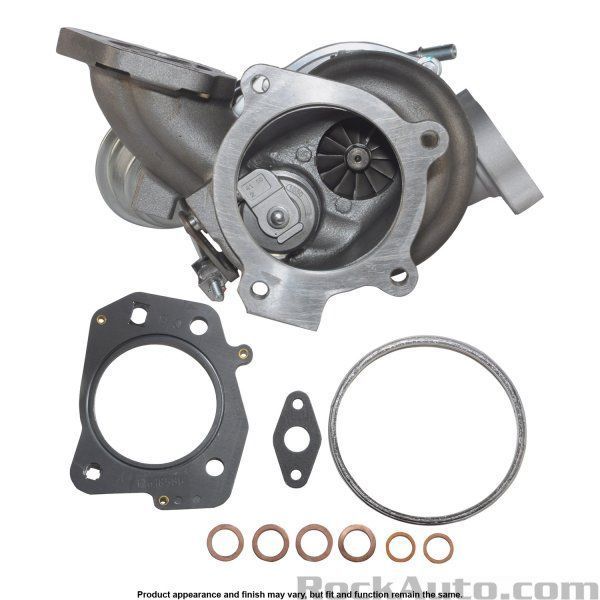
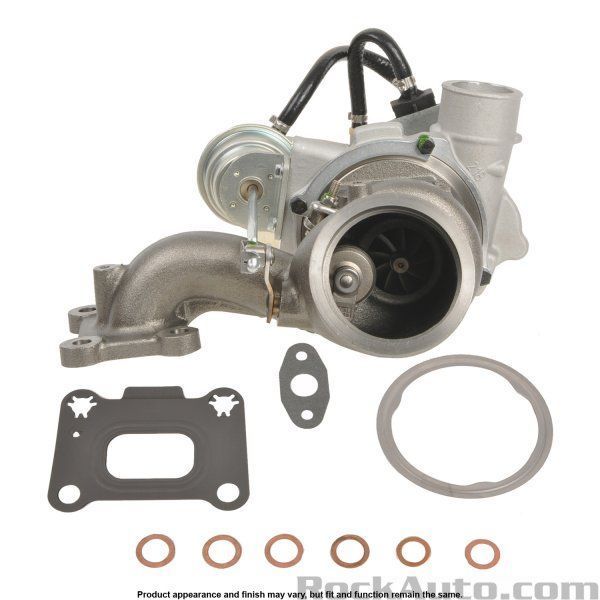
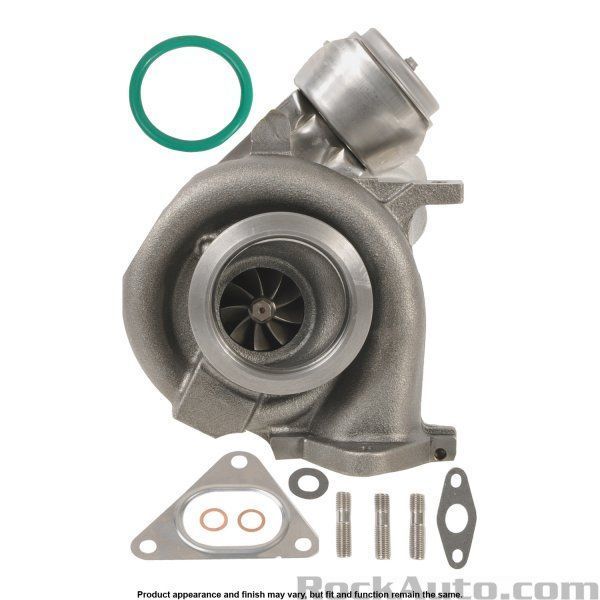
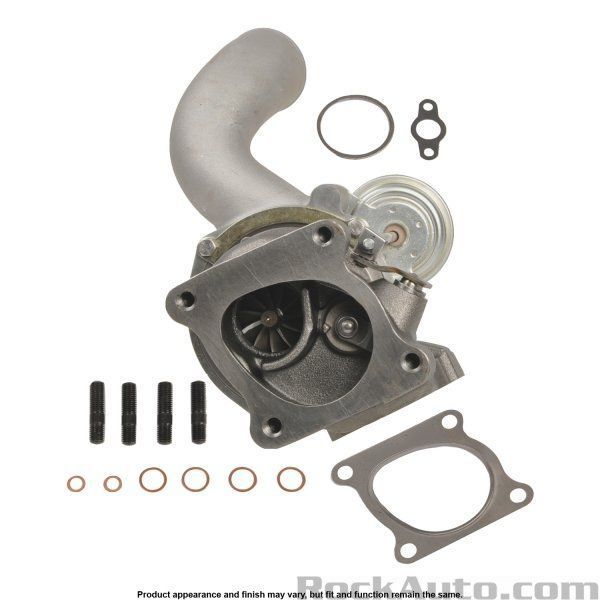
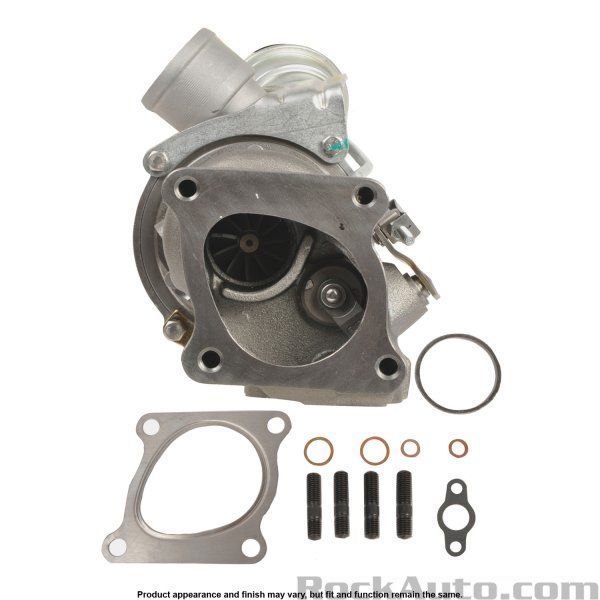
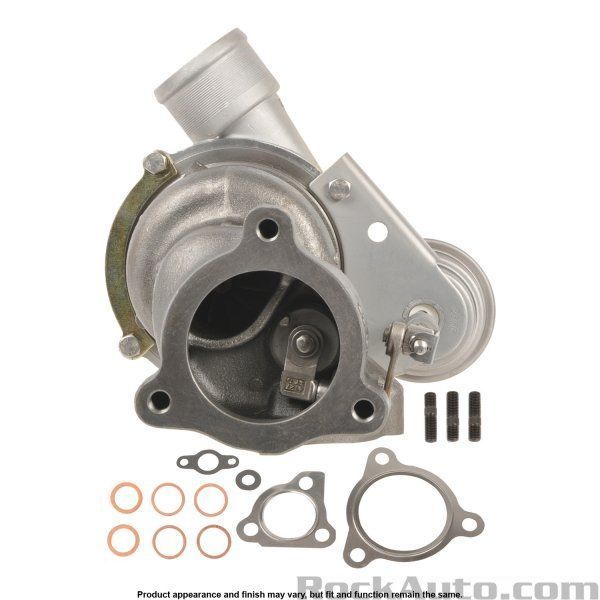
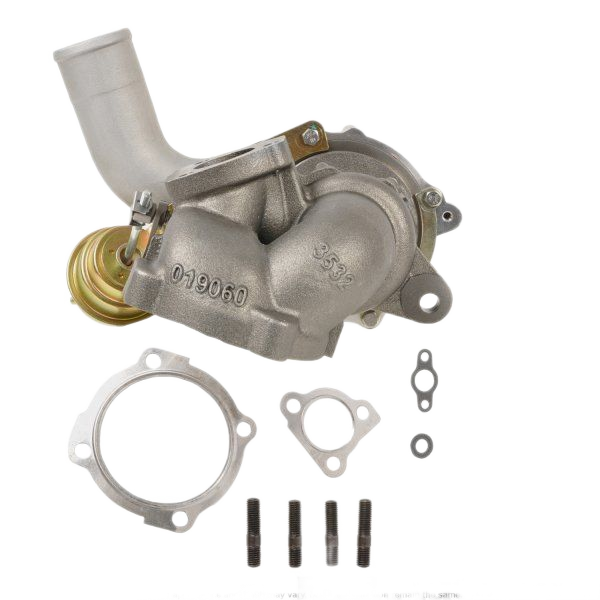
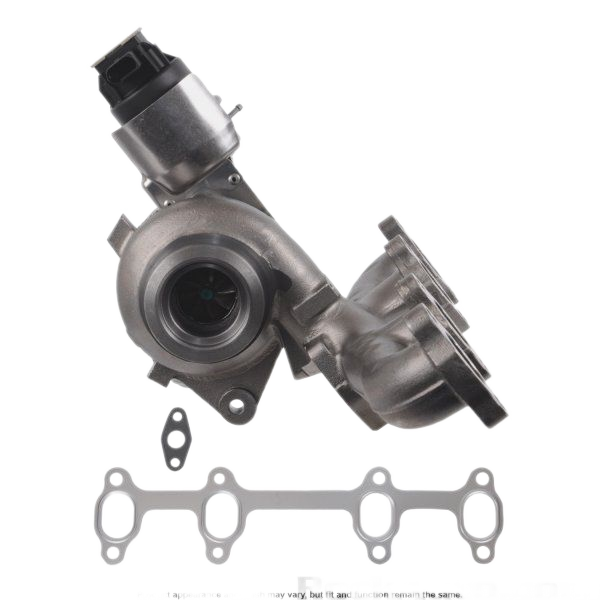
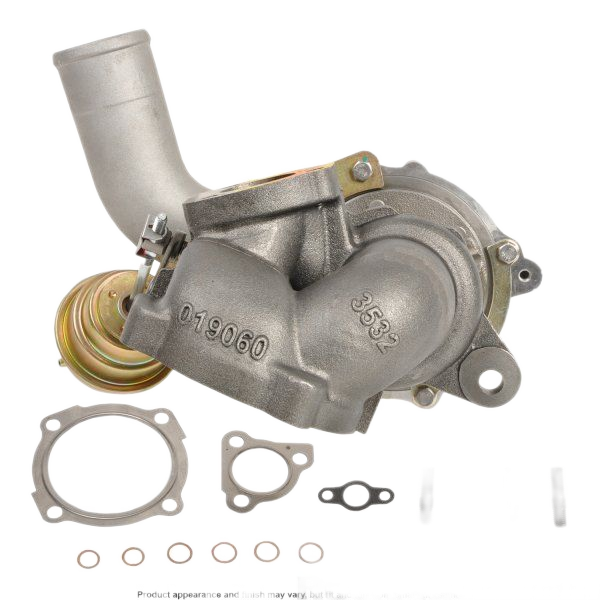
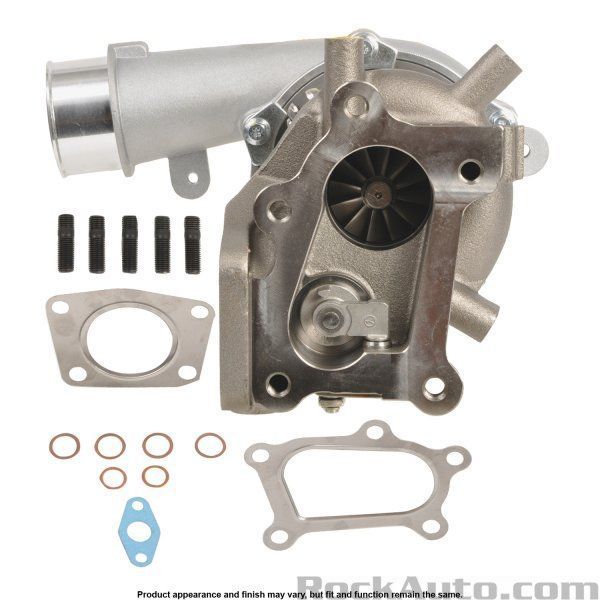
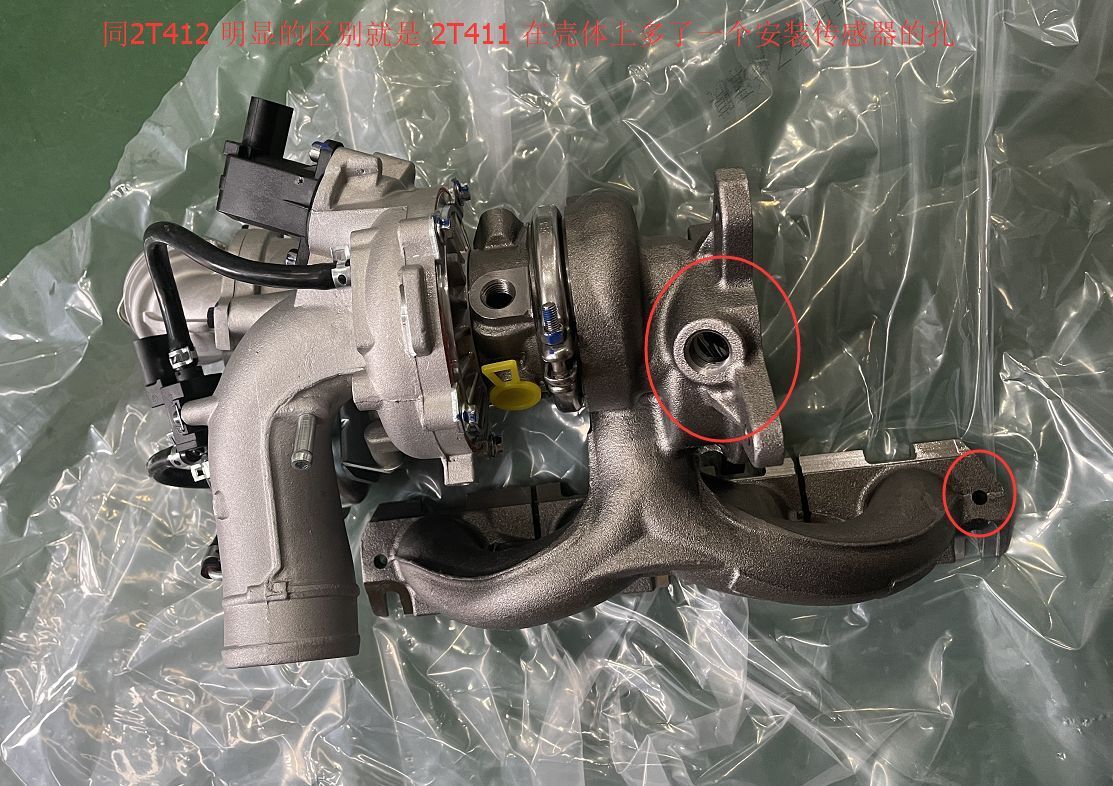
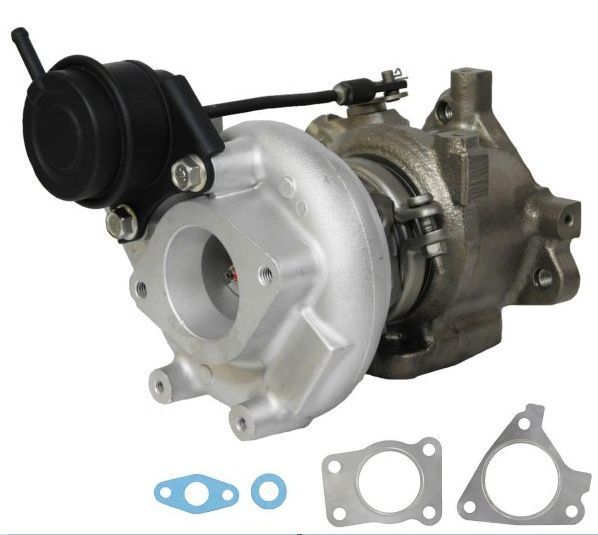
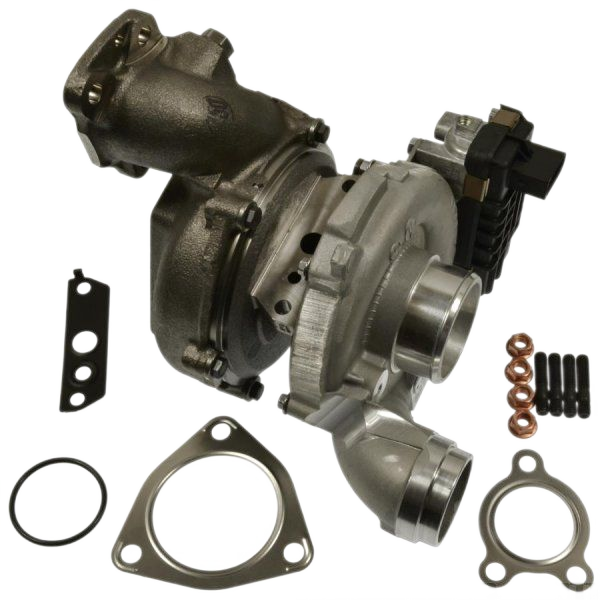
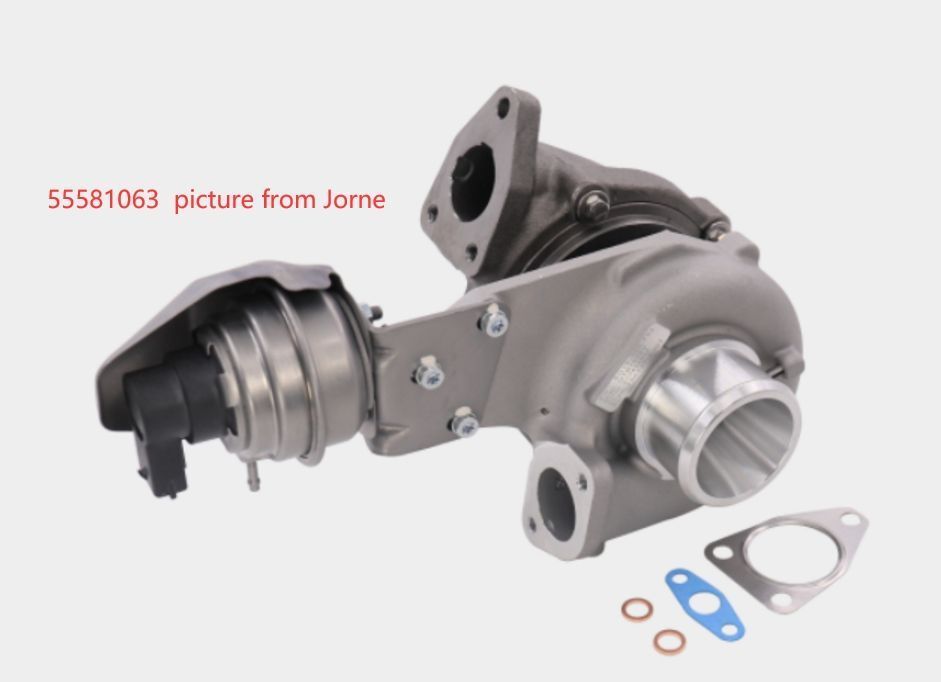
A turbocharger, or "turbo," is an exhaust-driven forced induction device that dramatically increases an engine's power and efficiency. It consists of two main sections: a turbine and a compressor. Hot exhaust gases spin the turbine, which is connected by a shaft to the compressor. The compressor then spins at incredibly high speeds (often over 150,000 RPM), drawing in ambient air, compressing it, and forcing it into the engine's cylinders. By packing more air into the combustion chamber, the engine can burn more fuel, resulting in a significant increase in horsepower and torque from a smaller displacement engine.
Functions of a Turbocharger
Increase Power Output
Its primary function is to force more air into the engine, enabling it to produce significantly more horsepower and torque than a naturally aspirated engine of the same size.
Improve Fuel Efficiency
It allows manufacturers to use smaller, lighter engines ("downsizing") that provide big-engine power when needed but consume less fuel during normal driving.
Enhance High-Altitude Performance
It compensates for the lower air density at high altitudes, compressing the thin air to restore the engine's sea-level power.
Reduce Emissions
By improving the engine's overall efficiency and ensuring a more complete combustion process, turbocharging can help lower harmful emissions.
Symptoms of a Failing Turbocharger
A failing turbo can quickly lead to catastrophic engine damage if pieces of the compressor or turbine wheels break off and enter the engine. Any symptoms should be addressed immediately.
Significant Loss of Power
The most obvious symptom. The vehicle will feel extremely sluggish and slow to accelerate as it is no longer getting boosted air.
Loud Whining or Siren-Like Noise
A high-pitched "dentist drill" or siren sound that increases with RPM is a classic sign of a failing bearing or damaged compressor/turbine wheels.
Blue or Gray Exhaust Smoke
This indicates that oil is leaking past the turbo's internal seals, entering the intake or exhaust, and being burned.
Check Engine Light (Boost Codes)
Fault codes like P0299 (Turbo Underboost) or P0234 (Turbo Overboost) point directly to a problem with the turbocharger system.
Turbocharger vs. Supercharger
What is a Supercharger?
A supercharger is also a forced induction device that compresses air, but it is driven mechanically by a belt connected directly to the engine's crankshaft. This means it provides boost instantly, but it also draws power from the engine to operate, making it less efficient than a turbocharger.
| Attribute | Turbocharger | Supercharger |
|---|---|---|
| Power Source | Exhaust Gas (Free Energy) | Engine Belt (Parasitic Loss) |
| Power Delivery | Has "turbo lag" at low RPM | Instantaneous boost |
| Efficiency | More efficient | Less efficient |
| Sound | High-pitched whistle/spool | Distinct mechanical whine |
A Turbocharger is a windmill using waste energy to create power; a Supercharger is a powerful fan plugged directly into the wall.