


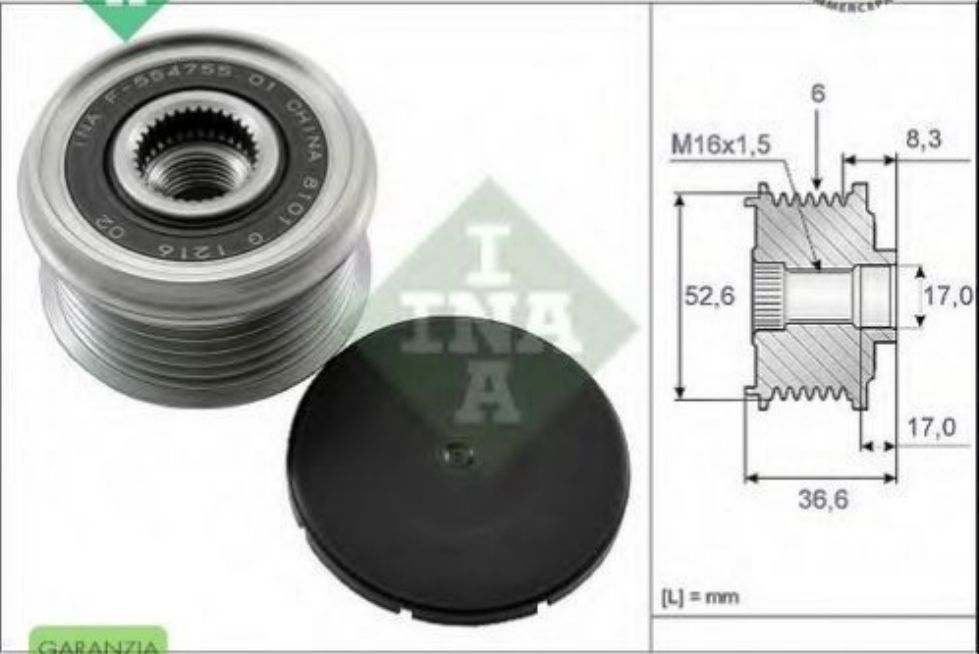
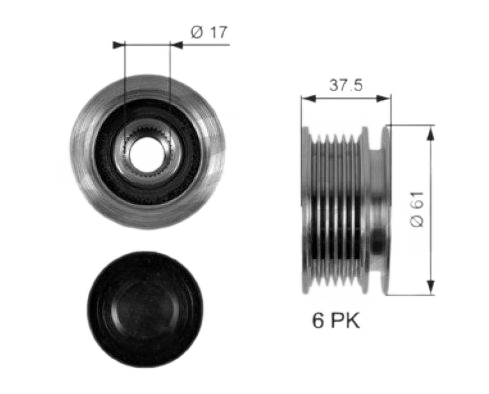
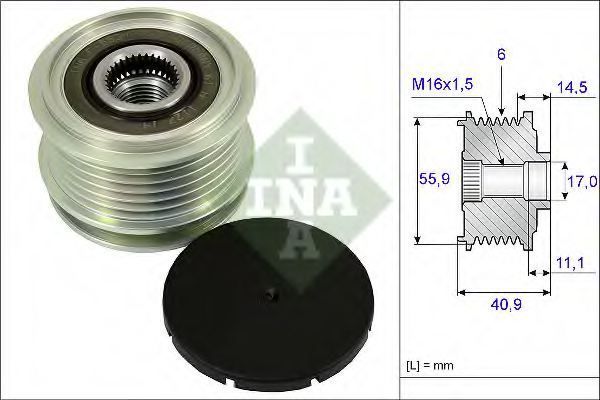
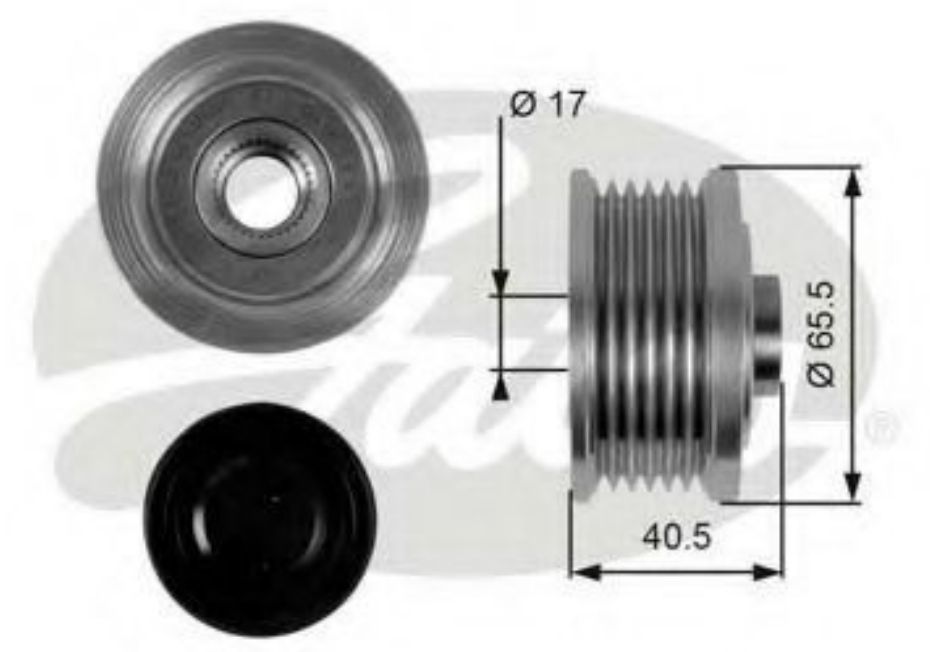
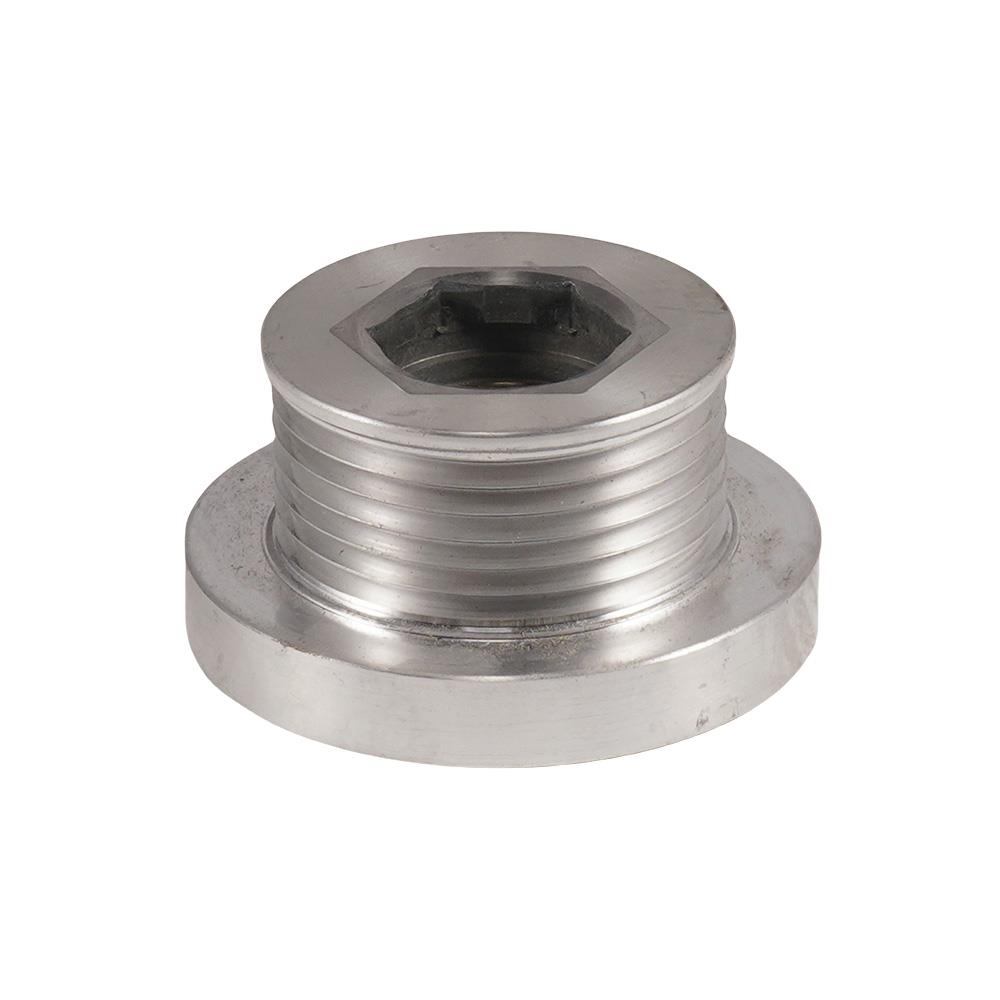
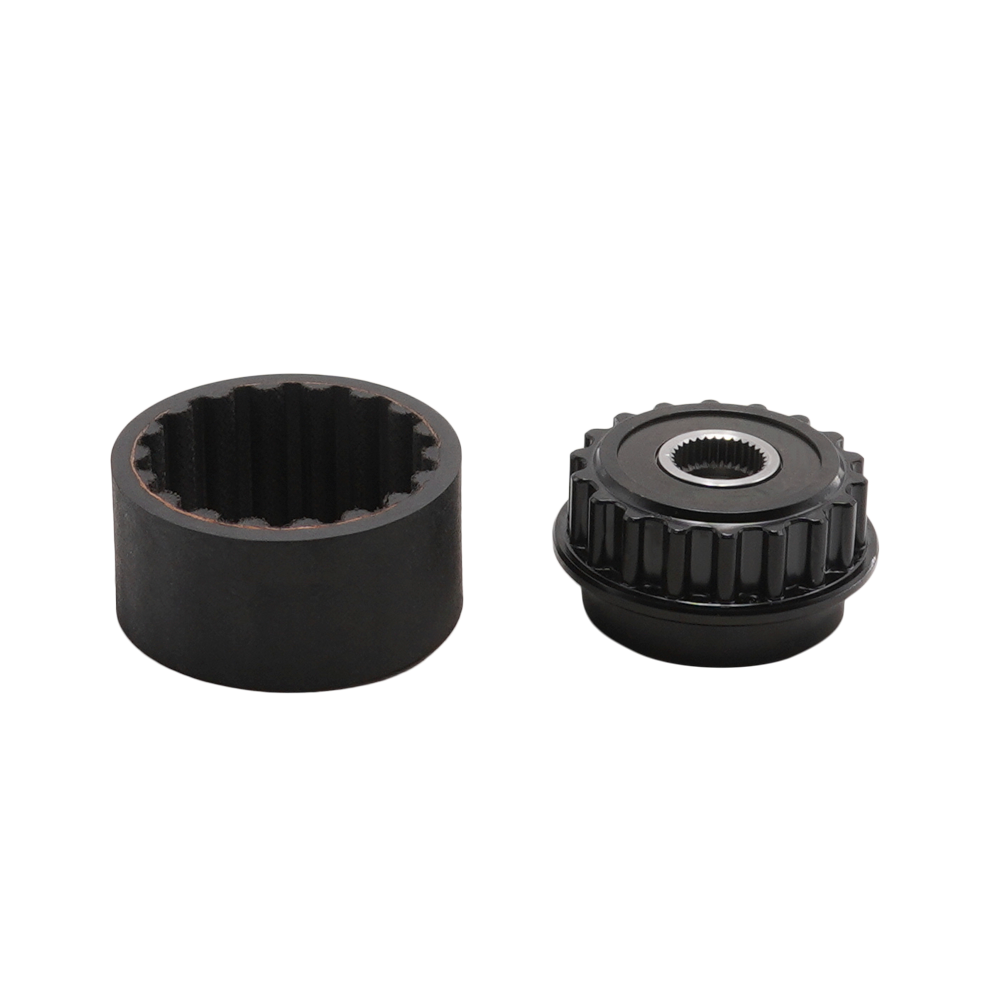
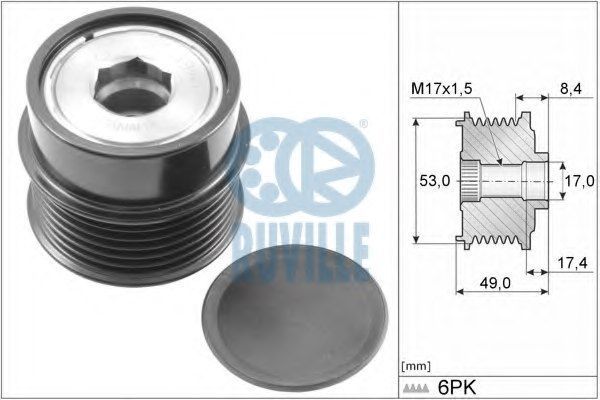
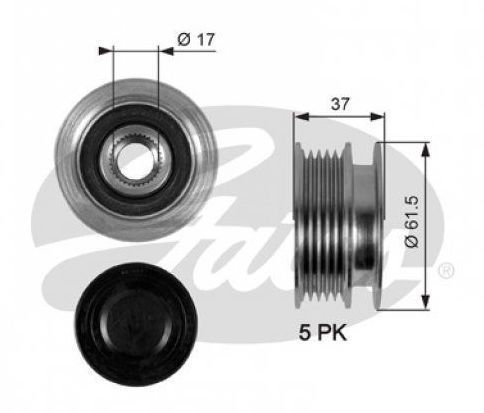
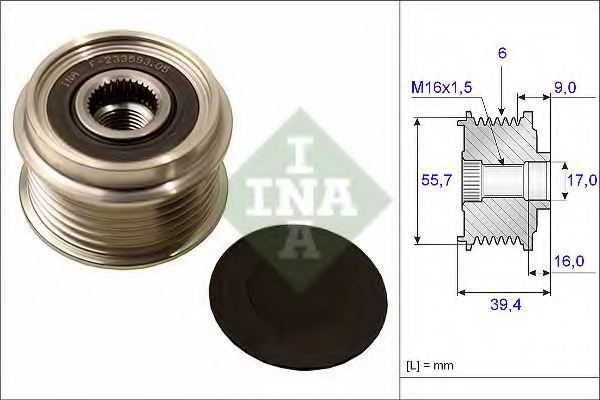
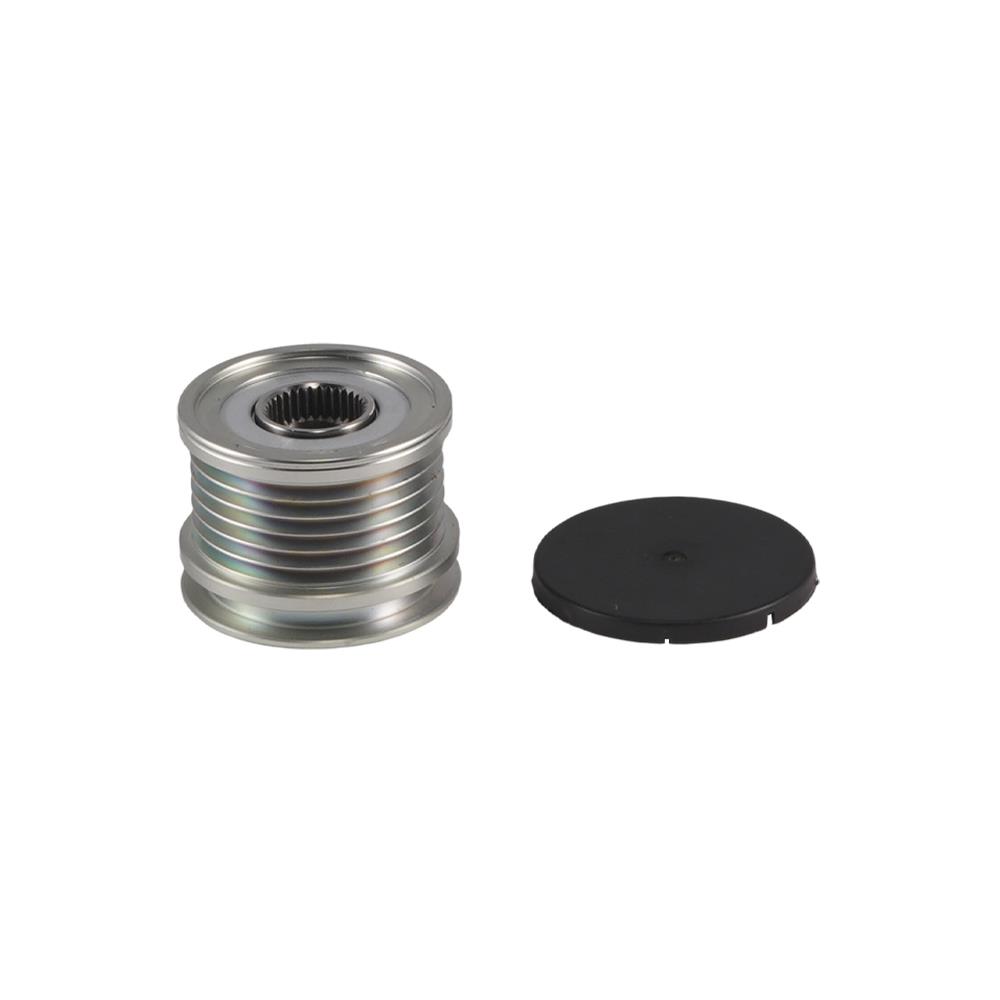
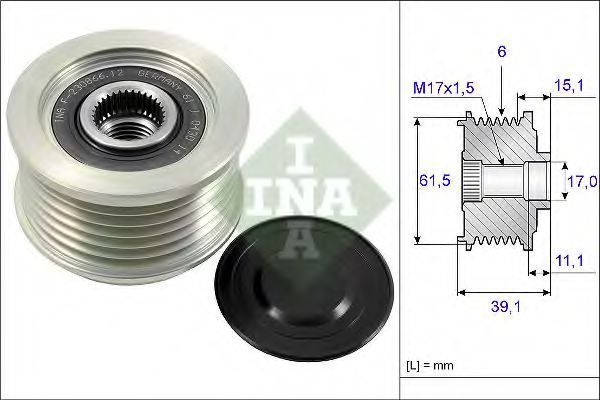
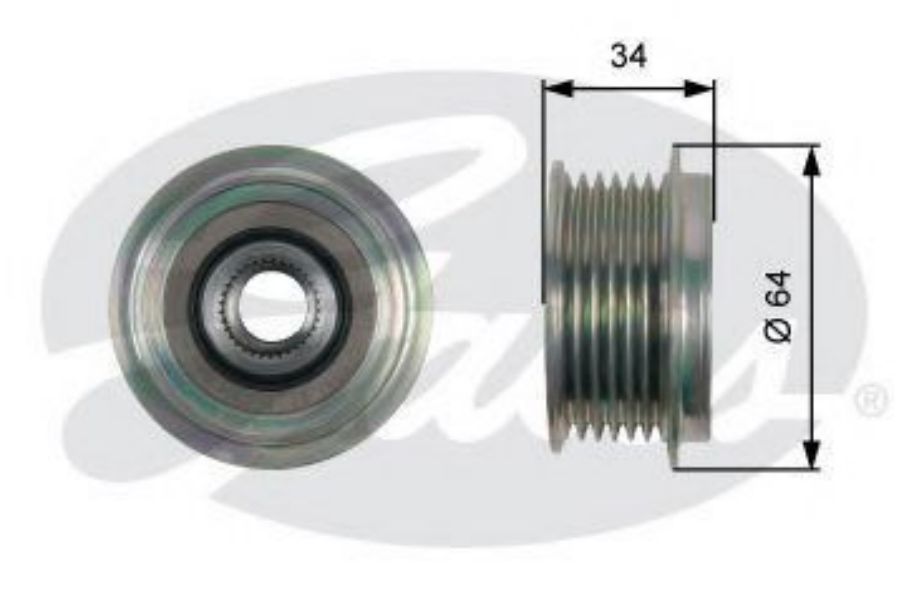
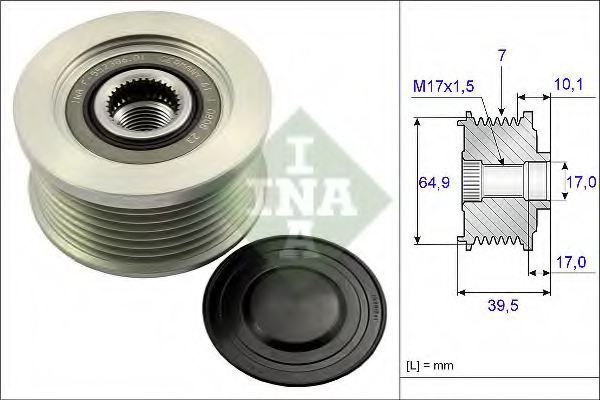
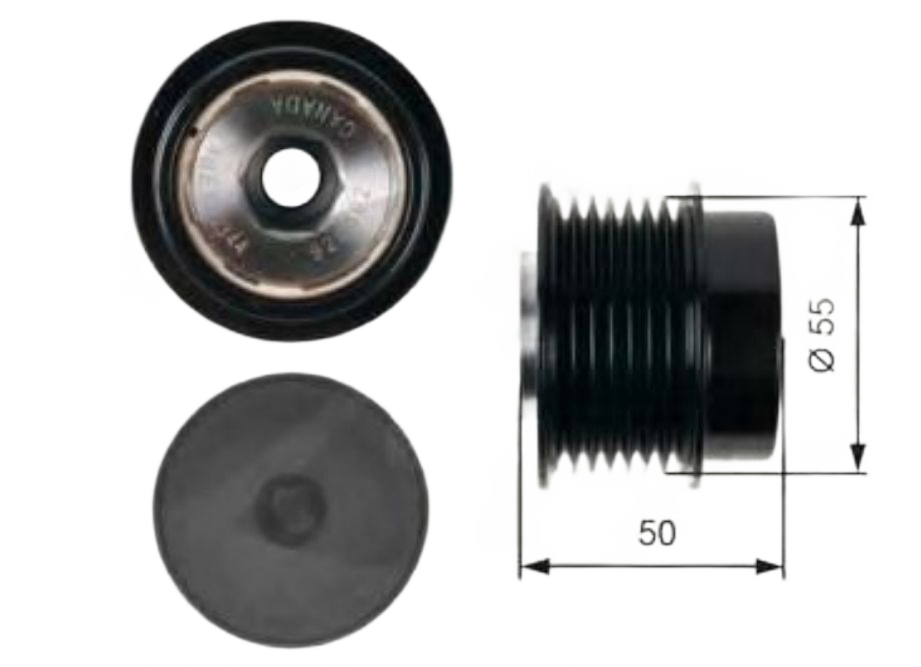
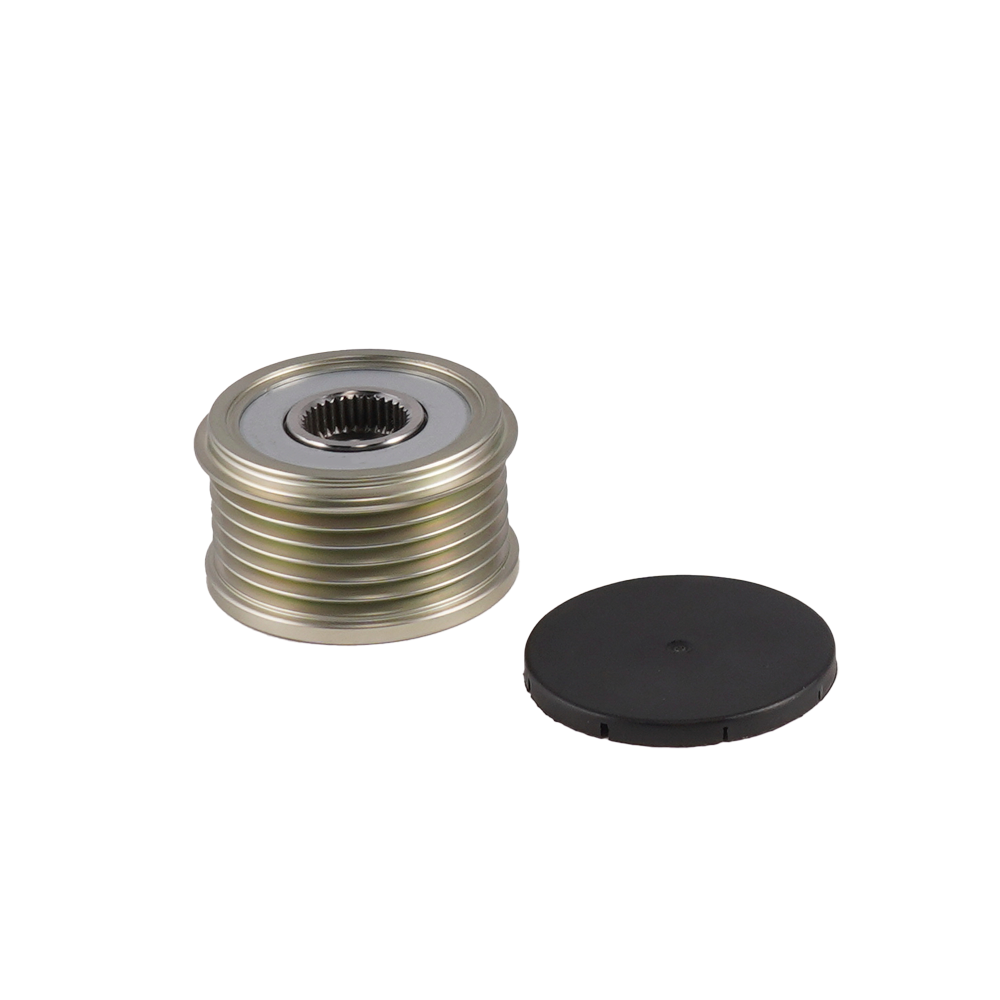
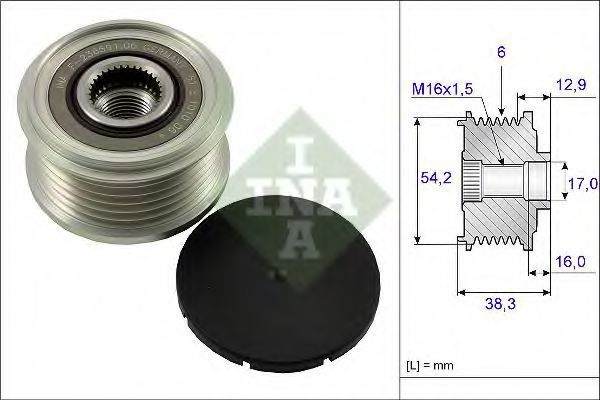
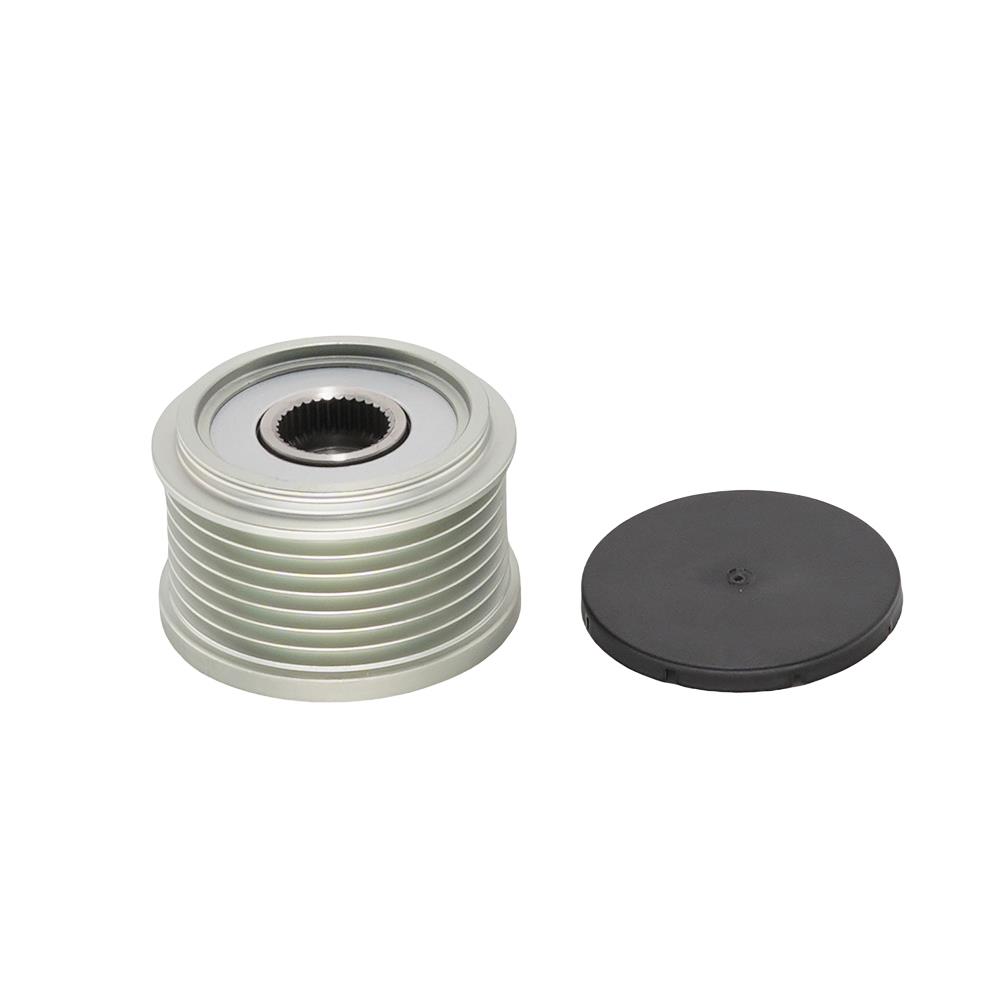
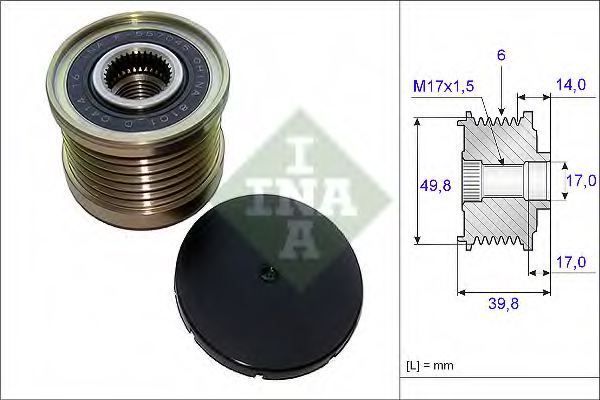
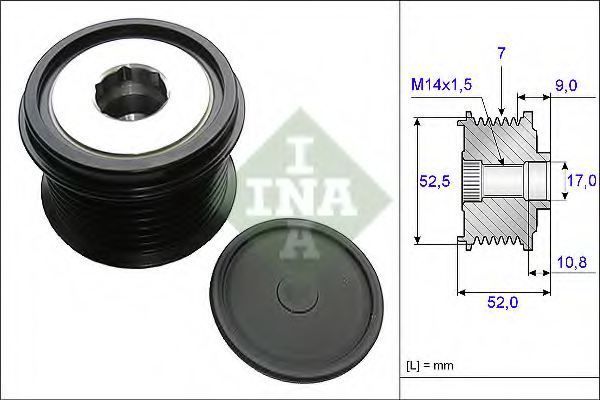
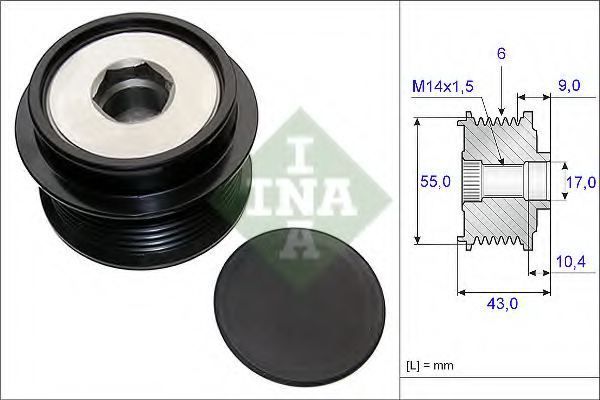
An alternator pulley is a grooved wheel mounted on the front shaft of a vehicle's alternator. It is driven by the engine's serpentine (or accessory) belt, and its primary function is to transfer the rotational energy from the engine's crankshaft to the alternator's internal rotor. This high-speed rotation allows the alternator to generate the electricity needed to power the vehicle's electrical systems and recharge the battery.
Functions of an Alternator Pulley
Transmit Power
It serves as the crucial link that transfers mechanical power from the engine's belt drive system to the alternator.
Drive the Alternator Rotor
The pulley's rotation spins the alternator's rotor at thousands of RPM, inducing a magnetic field to generate electrical current.
Maintain Belt Alignment
Its precisely machined grooves ensure the serpentine belt tracks correctly, preventing slippage and premature wear.
Dampen Vibrations (OAD/OAP)
Specialized decoupler pulleys absorb engine speed fluctuations, protecting the belt and tensioner from excessive wear and vibration.
When to Replace an Alternator Pulley?
A failing alternator pulley can lead to charging system failure, damage to the serpentine belt, and excessive strain on other accessories. It should be inspected with every belt service.
Chirping, Squealing, or Grinding Noises
These sounds, especially during engine start-up or shutdown, often indicate a worn internal bearing or a failing decoupler clutch mechanism.
Visible Wobble or Damage
If the pulley wobbles as the engine runs, or if it shows signs of rust, cracks, or damaged grooves, it requires immediate replacement.
Charging System Problems
A seized or slipping pulley prevents the alternator from spinning correctly, leading to a battery warning light, flickering lights, or a dead battery.
Premature Serpentine Belt Wear
A pulley that is misaligned, wobbling, or has damaged grooves can quickly destroy a new serpentine belt.
Excessive Belt Vibration
If a decoupler pulley (OAD) seizes or fails, it can no longer absorb vibrations, causing the belt tensioner to oscillate wildly.
Alternator Pulley vs. Crankshaft Pulley
What is a Crankshaft Pulley?
The crankshaft pulley (or harmonic balancer) is bolted to the front of the engine's crankshaft. It is the primary "drive" pulley that transfers the engine's rotation to the serpentine belt, thereby powering all accessories, including the alternator, power steering pump, and A/C compressor. It also dampens harmful engine vibrations.
| Attribute | Alternator Pulley | Crankshaft Pulley |
|---|---|---|
| Role | "Driven" pulley | "Drive" pulley |
| Location | On the alternator shaft | On the engine's crankshaft |
| Size | Smaller diameter (spins faster) | Larger diameter |
| Function | Powers only the alternator | Powers all belt-driven accessories |
The crankshaft pulley is the main drive gear of a machine, while the alternator pulley is the specialized tool it spins.