


What is an Engine Timing System?
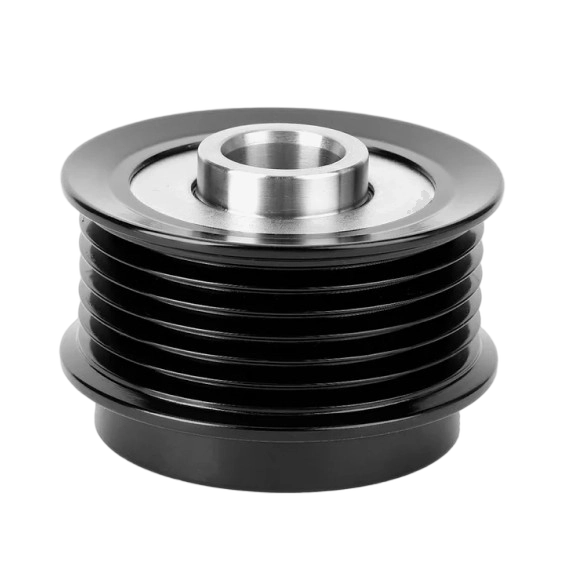
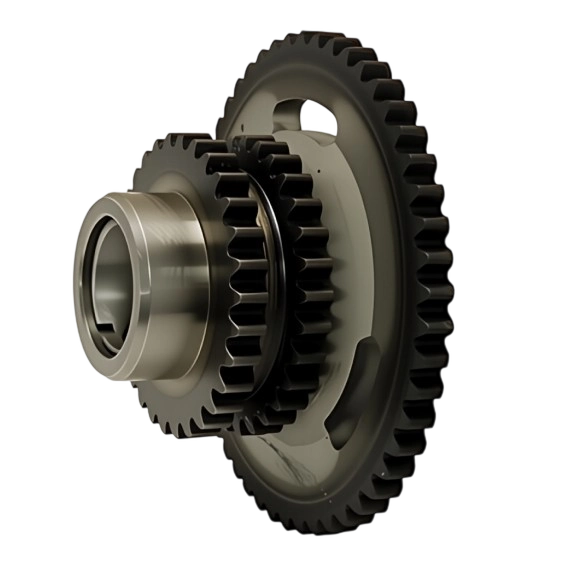
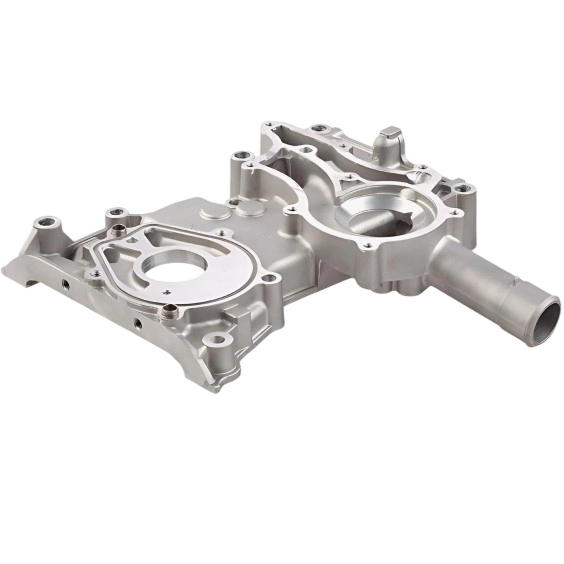
An engine timing system synchronizes the rotation of the crankshaft and the camshaft(s). This ensures that the engine's valves open and close at the precise moments during each cylinder's intake and exhaust strokes. This synchronization is achieved using either a timing belt or a timing chain and is fundamental to the engine's operation.

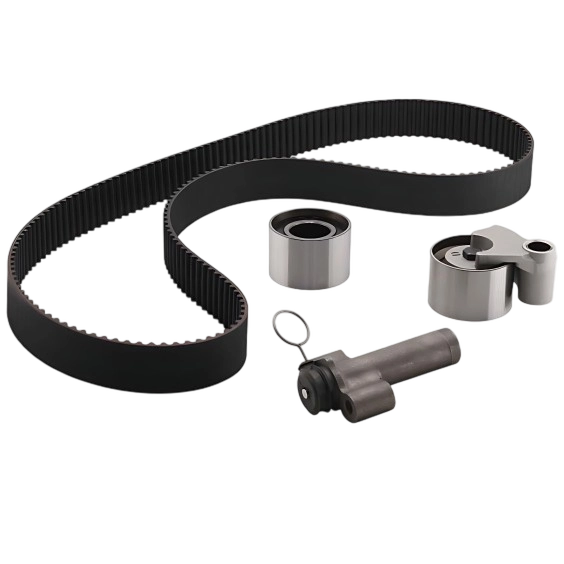
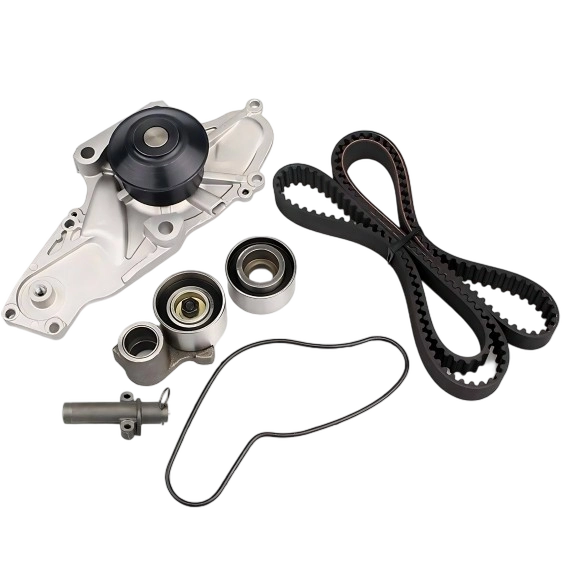
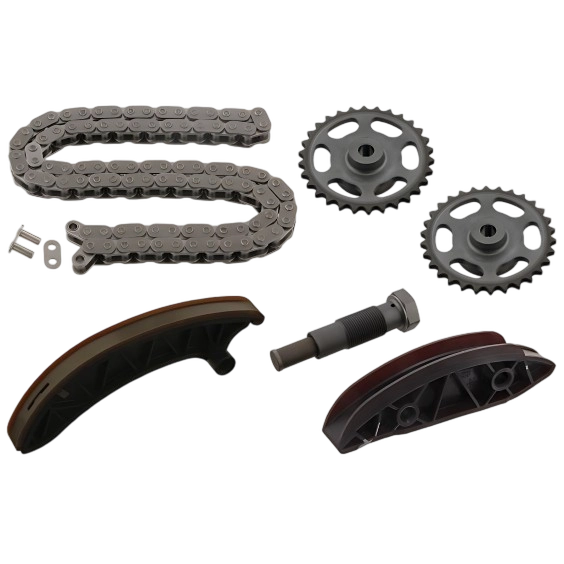
Key Parts of an Engine Timing Kit:
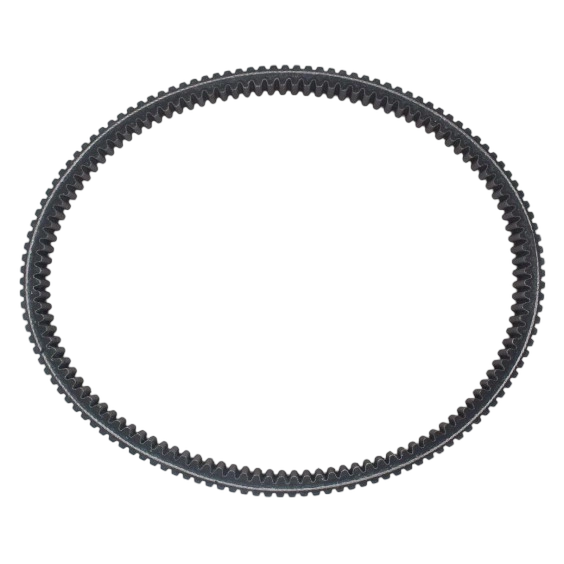
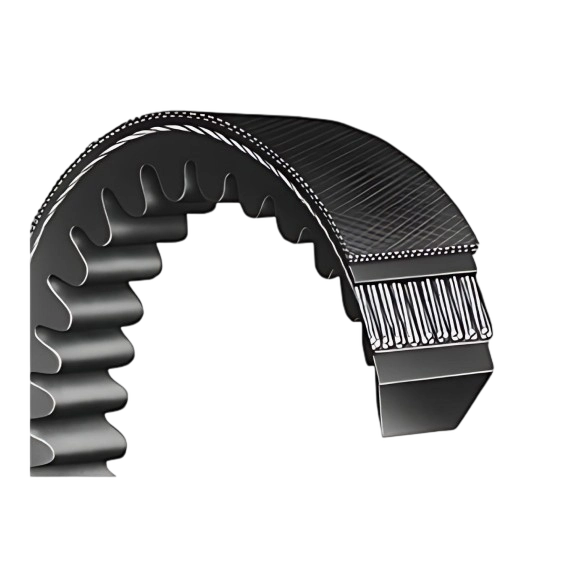
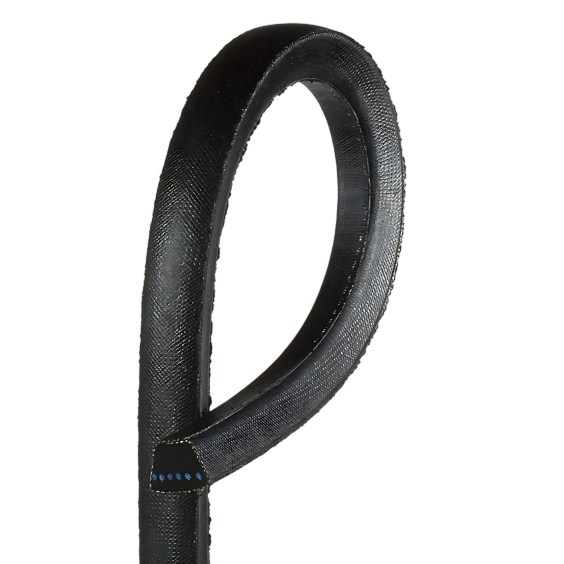
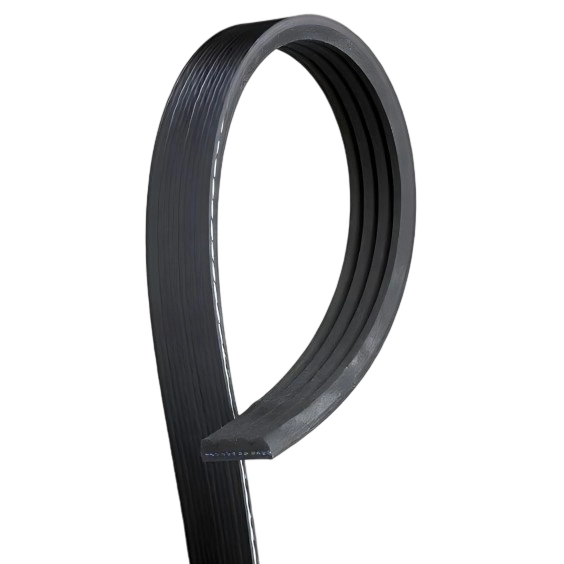
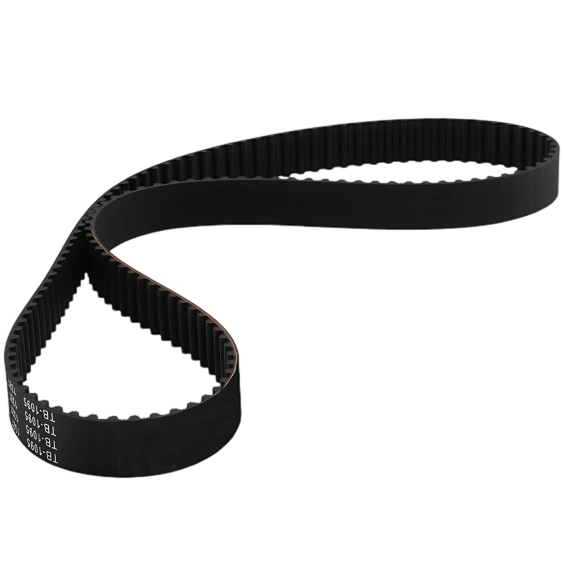
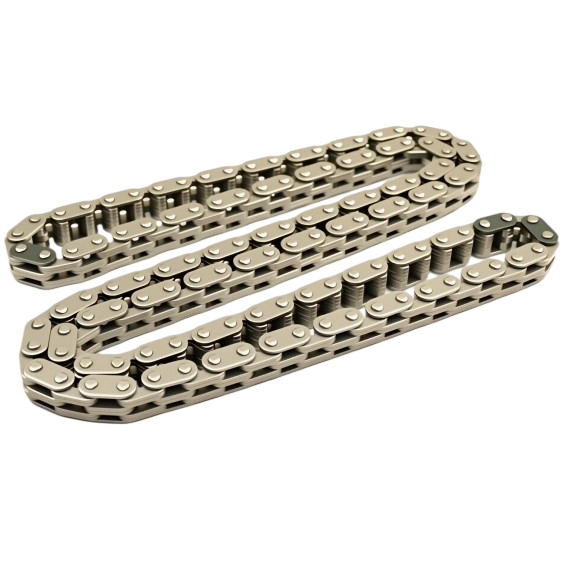
Timing Belt / Chain
The core component linking the crankshaft to the camshafts.
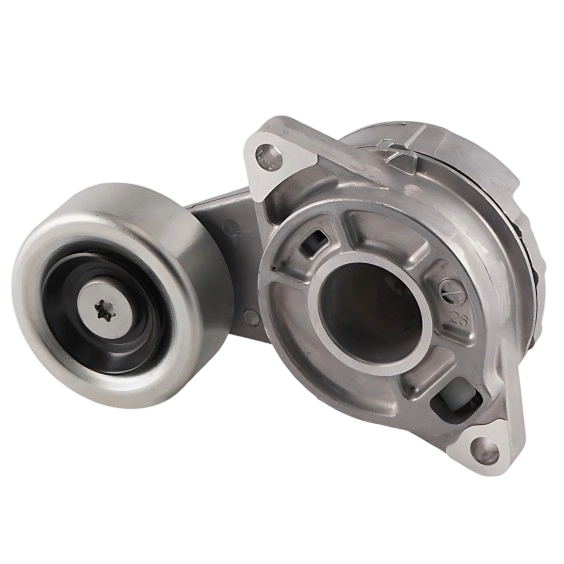
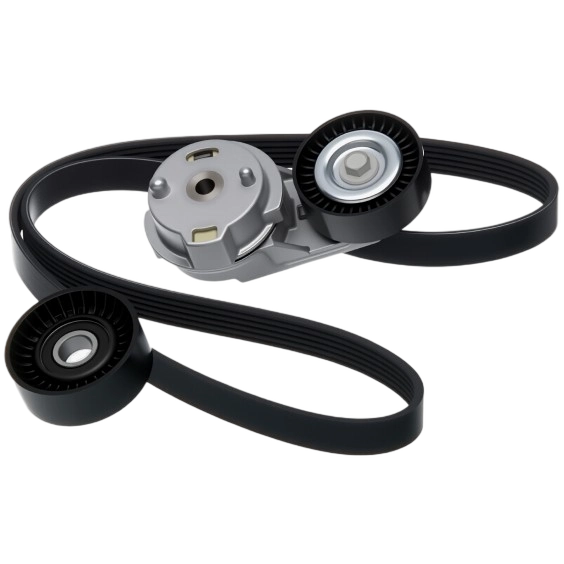
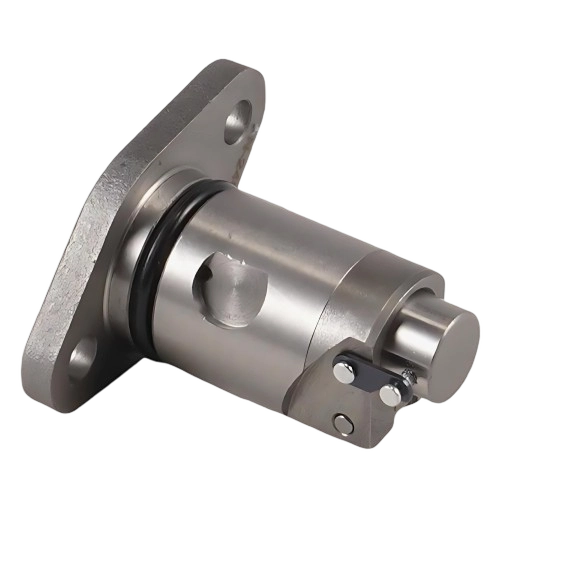
Tensioner
Maintains the correct tension on the belt or chain to prevent skipping.
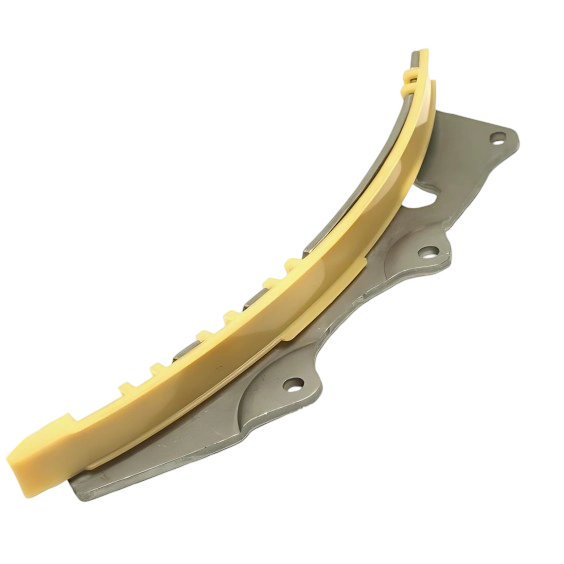
Idlers & Guides
Guide the belt/chain along its correct path, ensuring smooth operation.
Seals (Crank & Cam)
Prevent engine oil from leaking out of the timing cover area.
Water Pump
Often driven by the timing belt and replaced during service for efficiency.
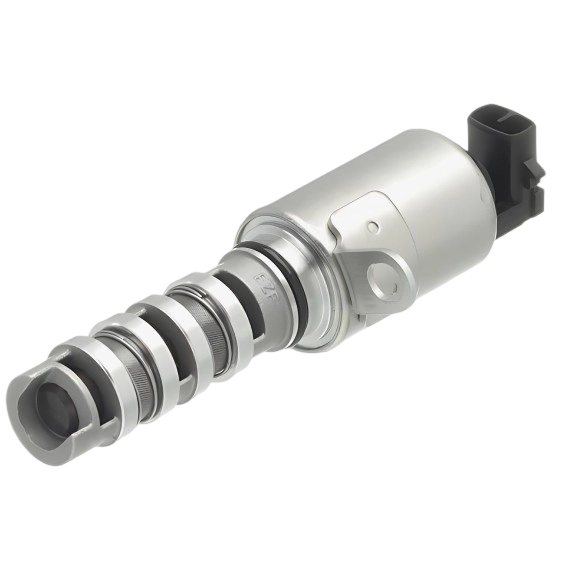
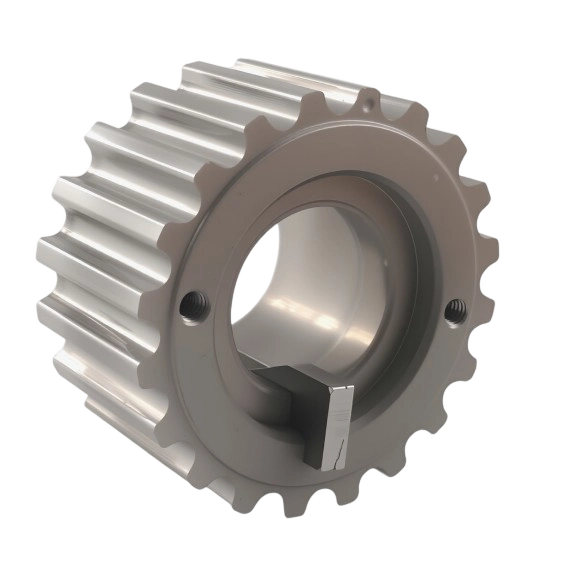
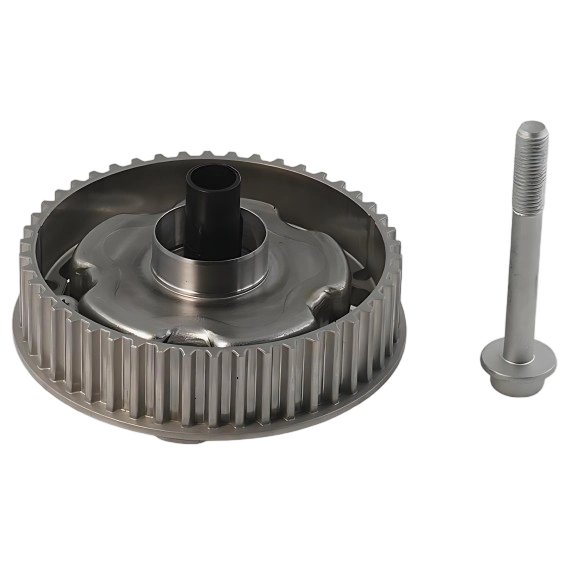
VVT Actuator / Sprocket
In modern engines, adjusts valve timing dynamically for performance.
The Evolution: Timing Belts vs. Timing Chains
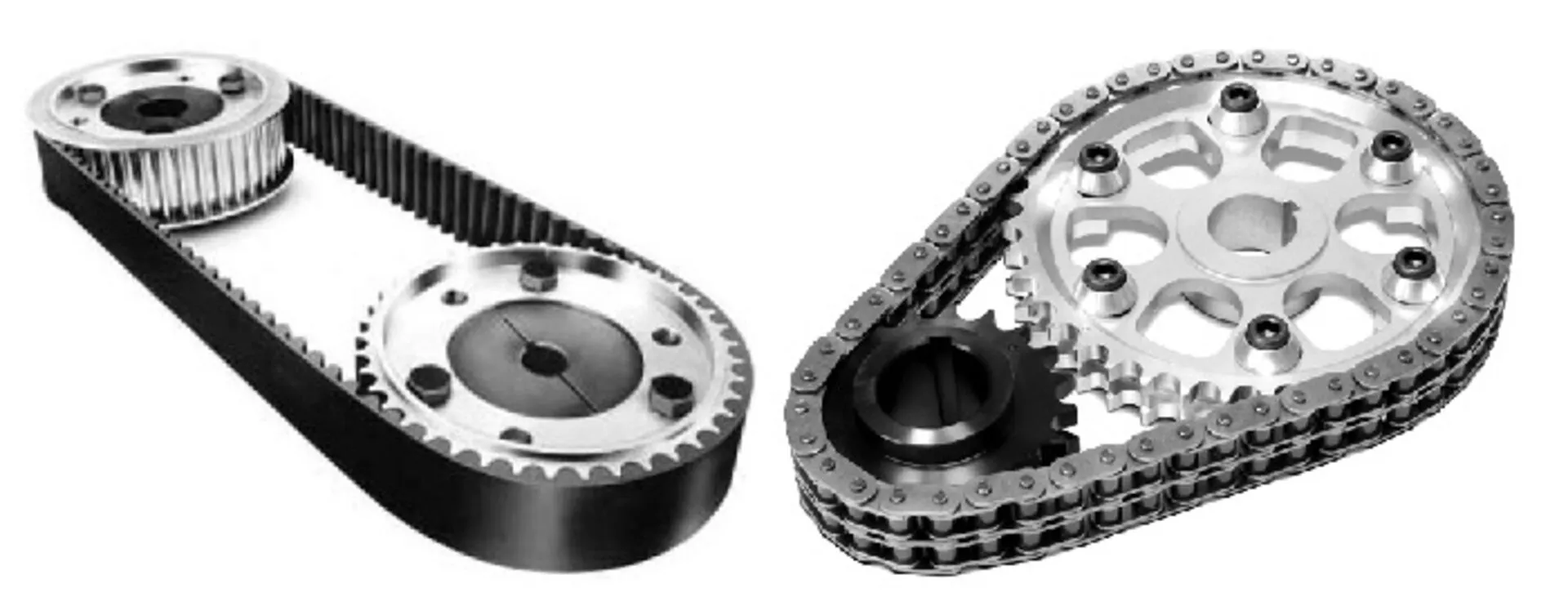
Engine timing technology has primarily evolved around two solutions: rubber composite belts and metal chains. Each has distinct advantages and is chosen by manufacturers based on design priorities like noise, cost, and durability.
| Component | Key Features | Pros & Cons |
|---|---|---|
| Timing Belt | Made of rubber composite (like HNBR). Runs externally, requires periodic replacement. | Pro: Quiet, lightweight, cheaper. Con: Limited lifespan, requires service intervals. |
| Timing Chain | Made of metal links. Runs internally, lubricated by engine oil. Designed for engine life. | Pro: Extremely durable. Con: Can stretch or have tensioner failure, costlier to replace. |
The Critical Role: Interference vs. Non-Interference
Understanding the engine's design is crucial. In an "interference" engine, the valves and pistons occupy the same space in the cylinder at different times. If the timing belt or chain fails, the pistons will strike the valves, causing catastrophic and expensive engine damage.
Non-Interference Engine
Valves and pistons have enough clearance to avoid collision. A timing failure will cause the engine to stall but not self-destruct.
Interference Engine
Valves and pistons can collide. Timing component failure almost always results in bent valves, damaged pistons, or worse.
Our Commitment: Our timing kits are engineered for interference engines where failure is not an option. Each component is 100% tested for material strength and dimensional accuracy to prevent costly damage.
Why Choose FOCUSON ENGINE® Engine Timing Kits?
Superior Materials (HNBR, Steel)
Benefit: Belts with high heat/oil resistance and chains with exceptional tensile strength for maximum service life.
Complete Kit Solutions
Benefit: All necessary components in one box (belt/chain, tensioners, idlers, seals), preventing delays and ensuring a complete repair.
Rigorous Durability Testing
Benefit: Life-cycle testing guarantees our kits meet or exceed OEM performance, building your brand's reputation for quality.
Precision Engineering (OE Fit)
Benefit: Guarantees a perfect fit and correct timing synchronization, simplifying installation and preventing comebacks.
Frequently Asked Questions
How long do timing belts and chains last?
Timing belts typically require replacement every 60,000–100,000 miles (96,000–160,000 km). Timing chains are designed to last the engine's lifetime but can fail due to tensioner issues or stretching.
Can I drive with a bad timing component?
It is extremely unsafe. A failing component can skip time, causing poor performance. If it breaks completely, especially in an interference engine, it will cause severe and immediate engine damage.
DIY or professional repair?
This is an advanced repair requiring specialized tools (cam/crank holders, tensioner tools) and precise technical knowledge. Professional installation is highly recommended to ensure correct timing and avoid engine damage.
Should I replace the water pump with the timing belt?
Yes. The water pump is often driven by the timing belt and is difficult to access. Replacing it at the same time is cost-effective as it saves on future labor costs and prevents a coolant leak from damaging the new belt.