


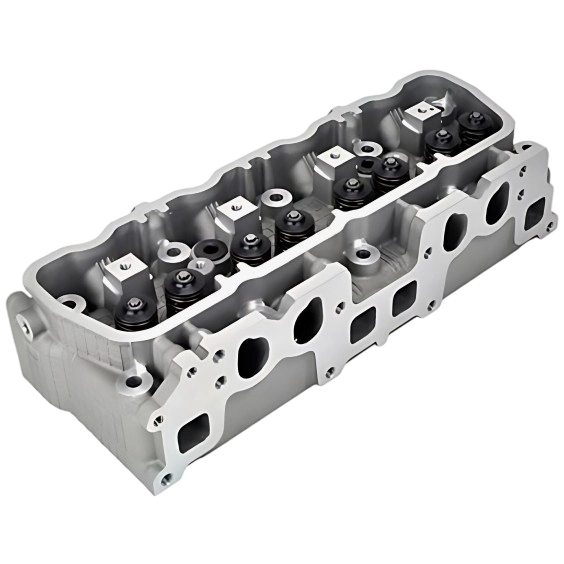
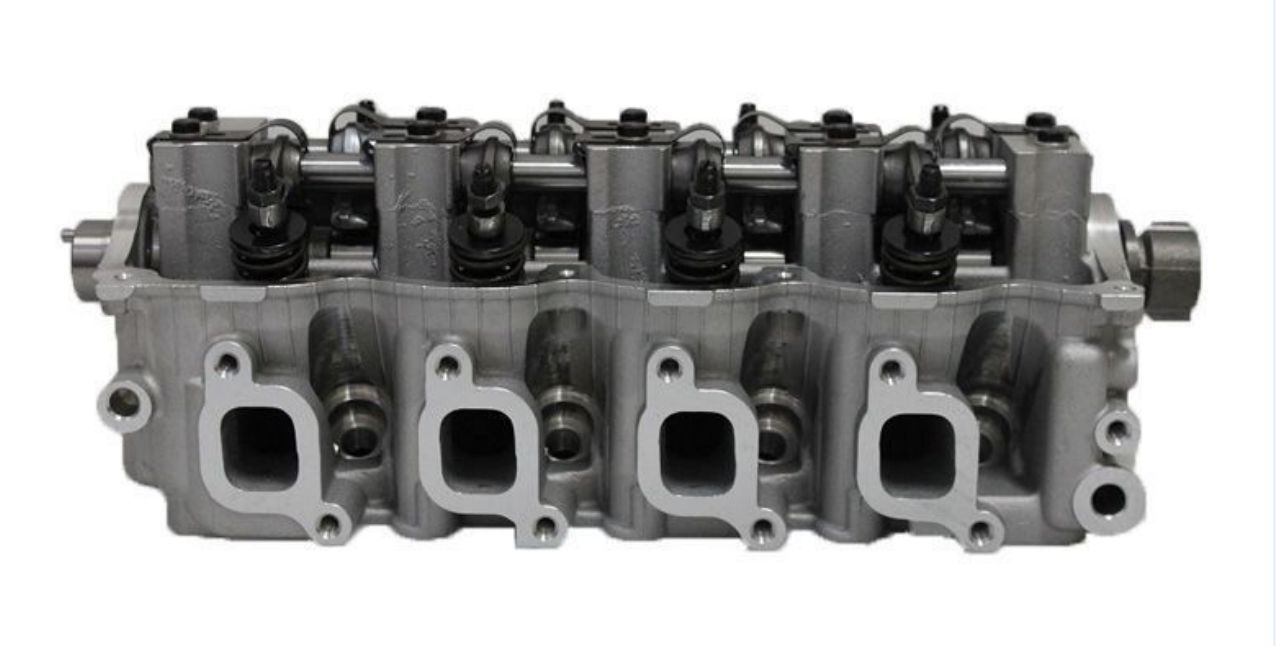
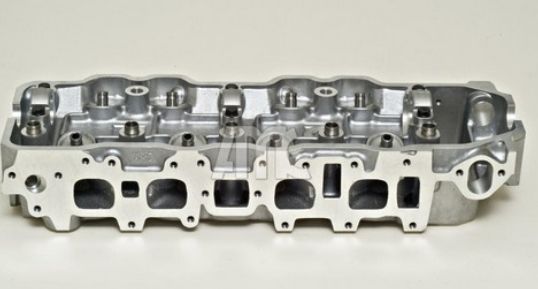
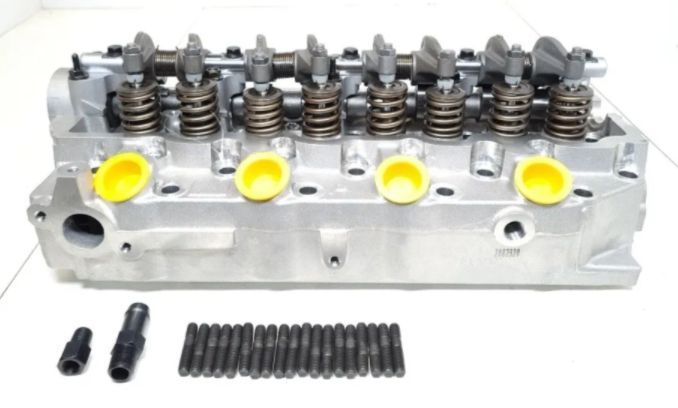
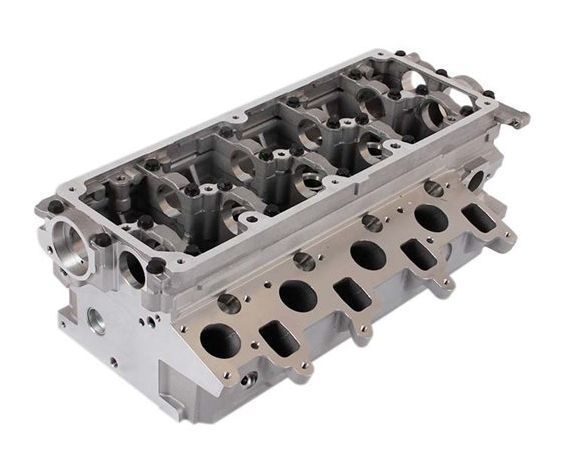
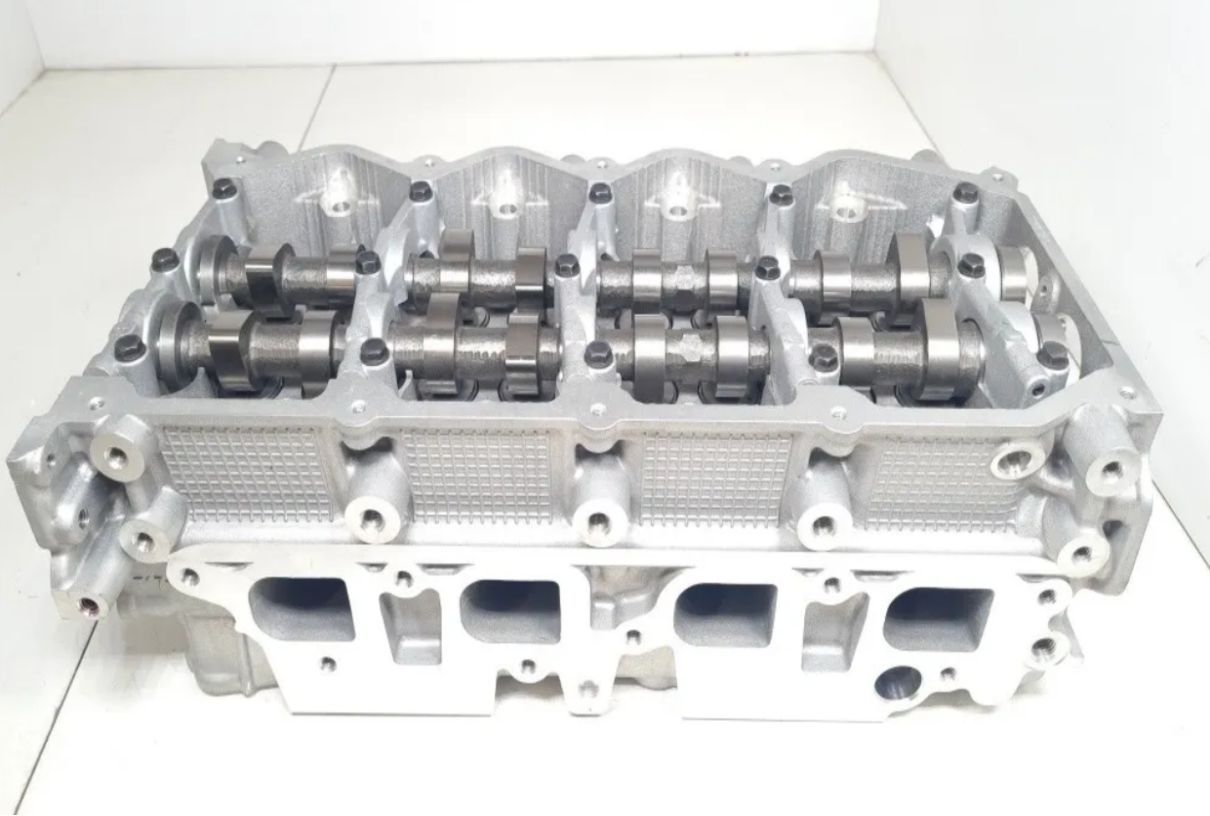
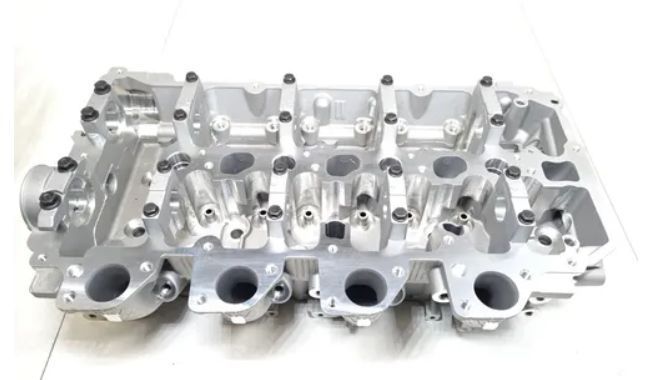
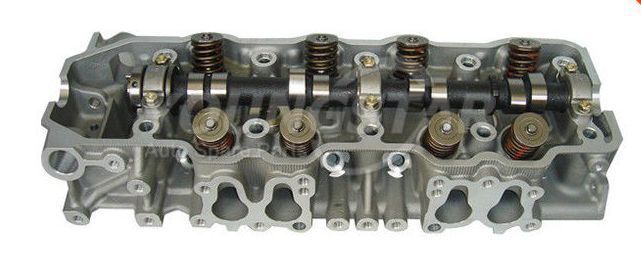
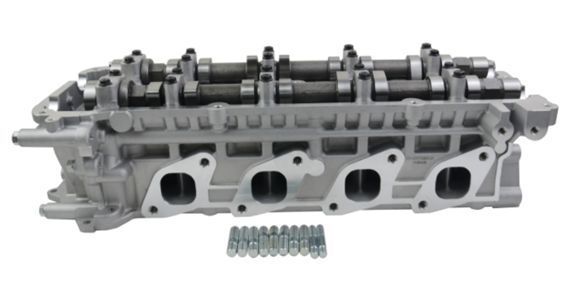
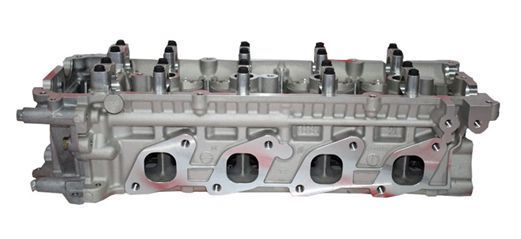
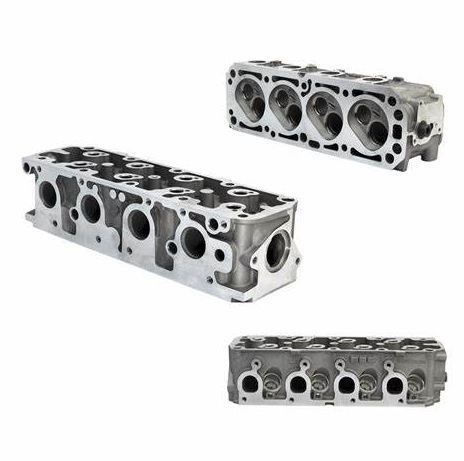
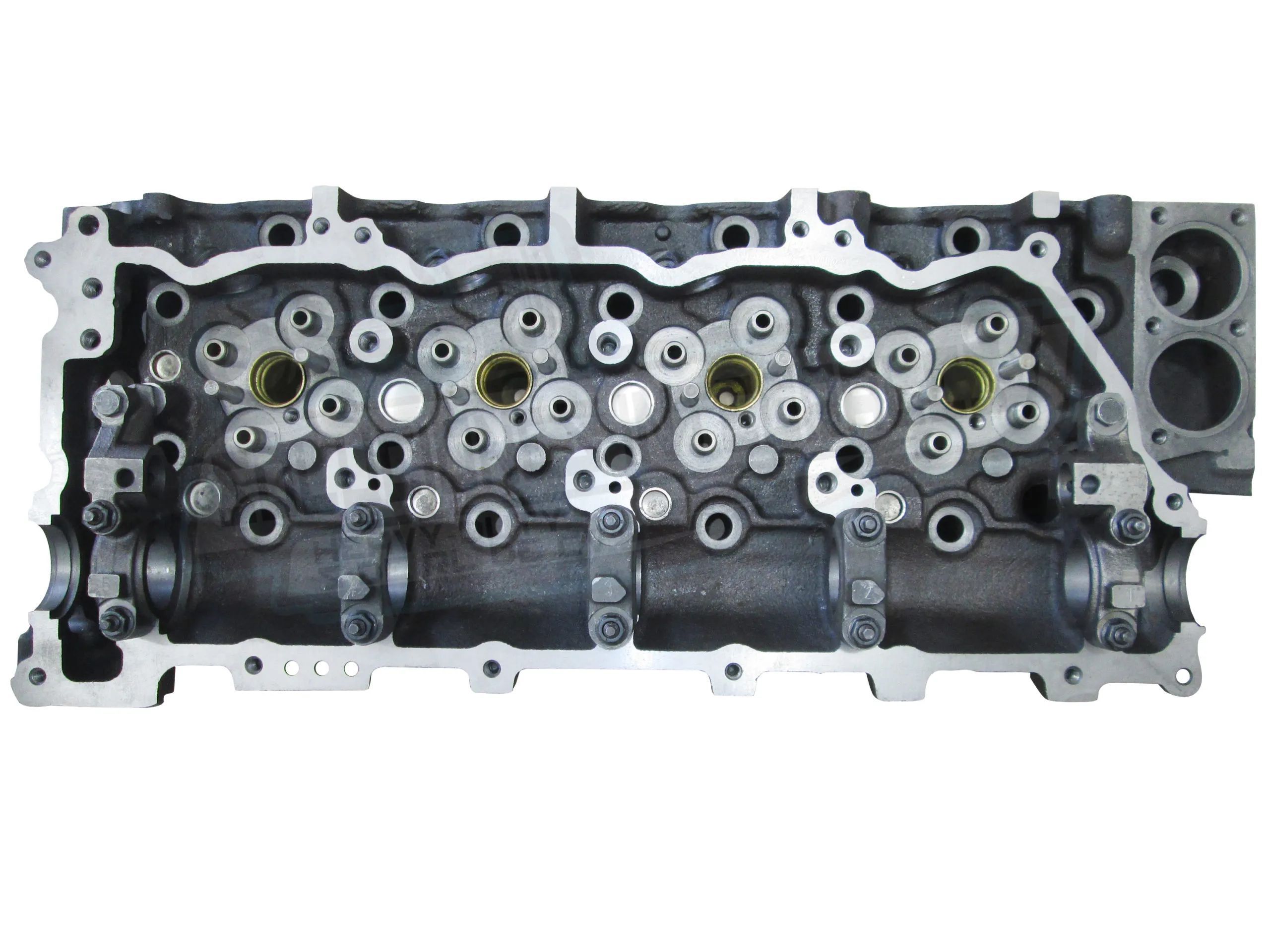
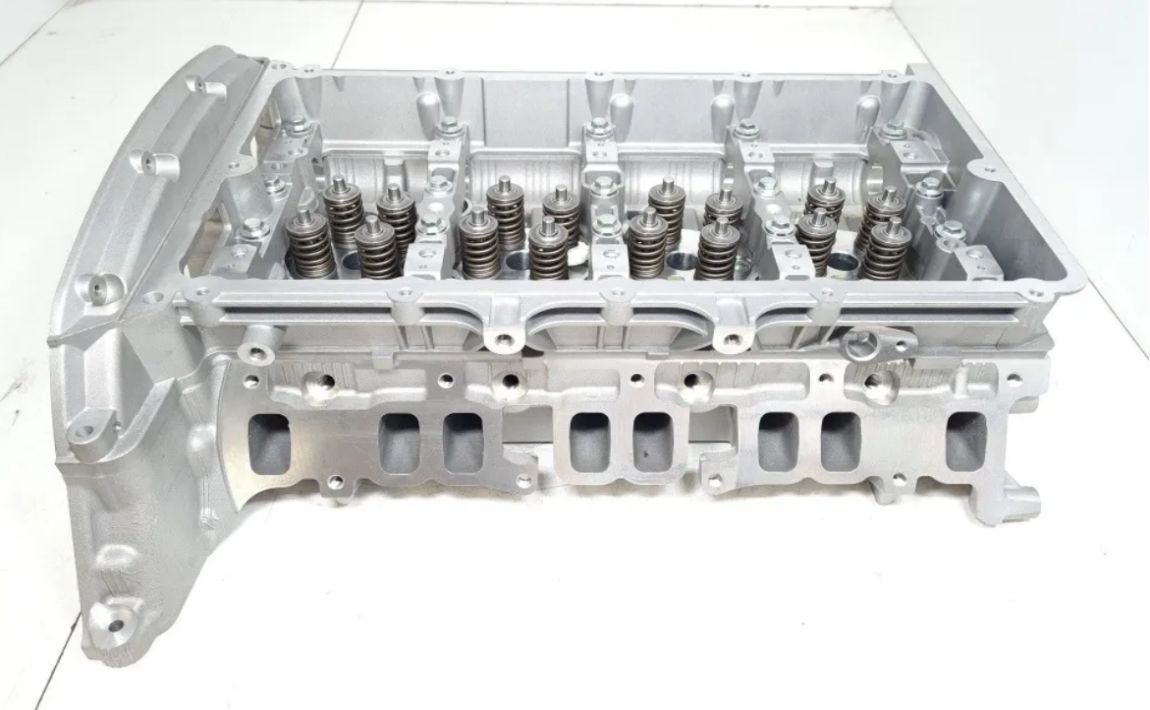
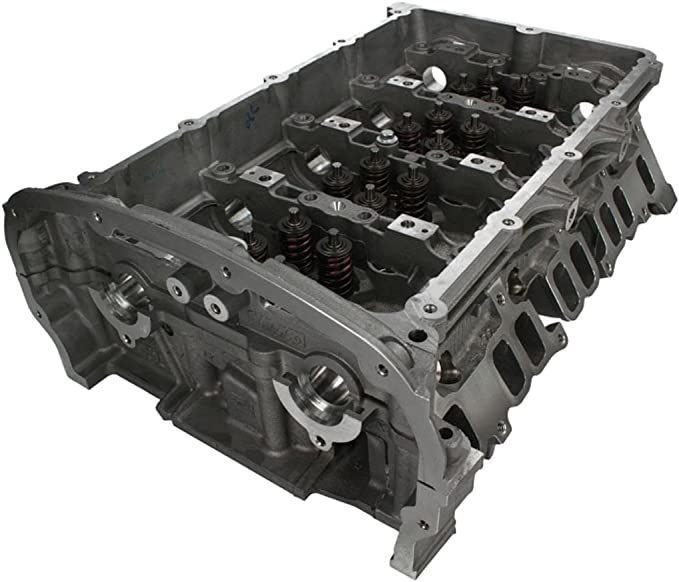
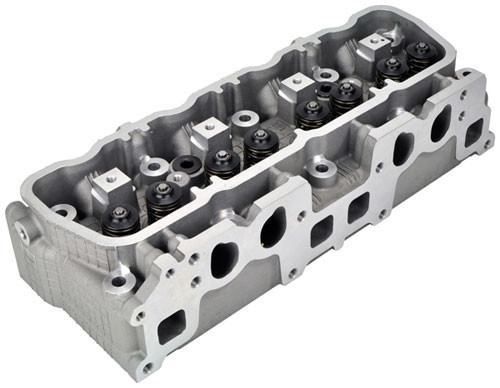
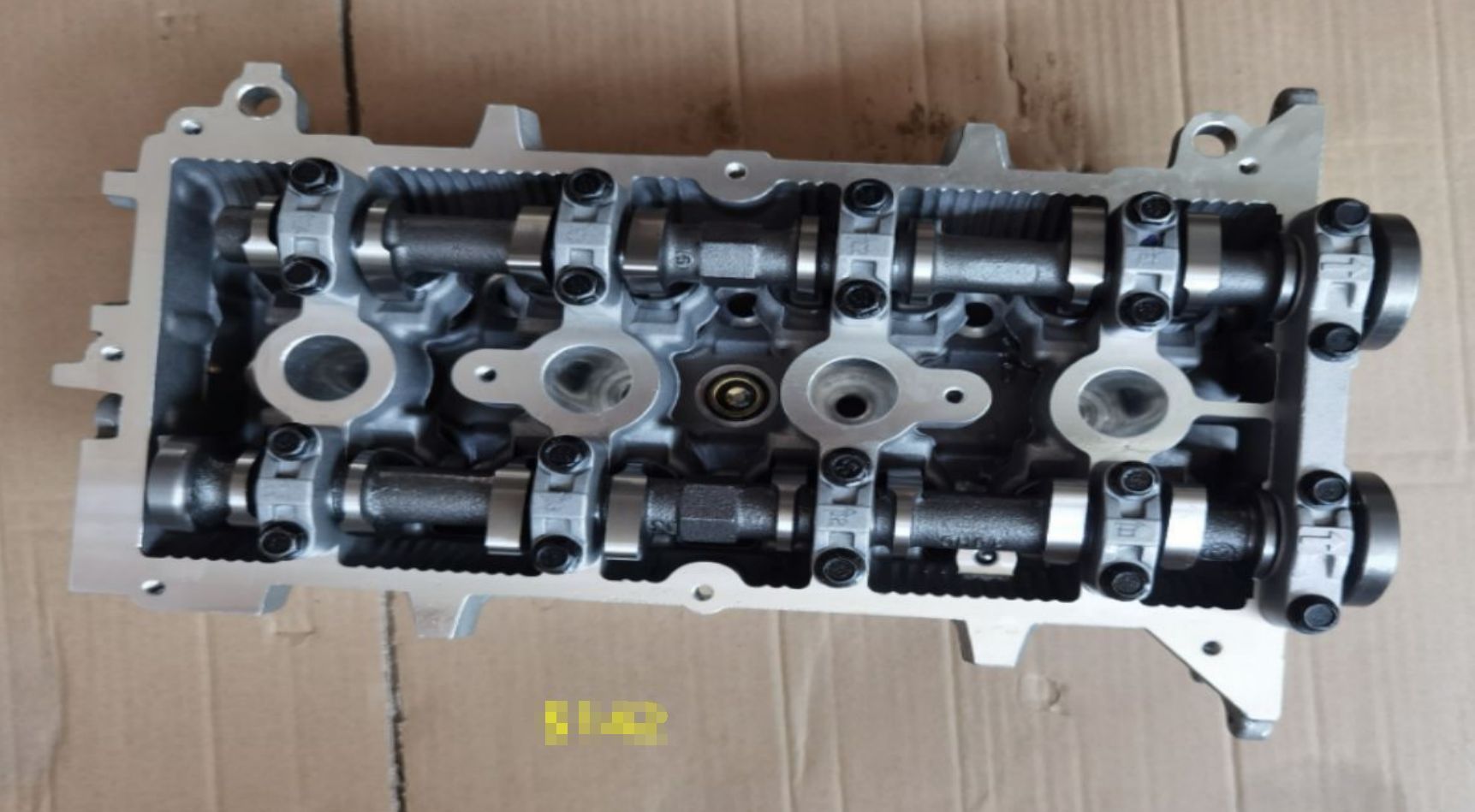
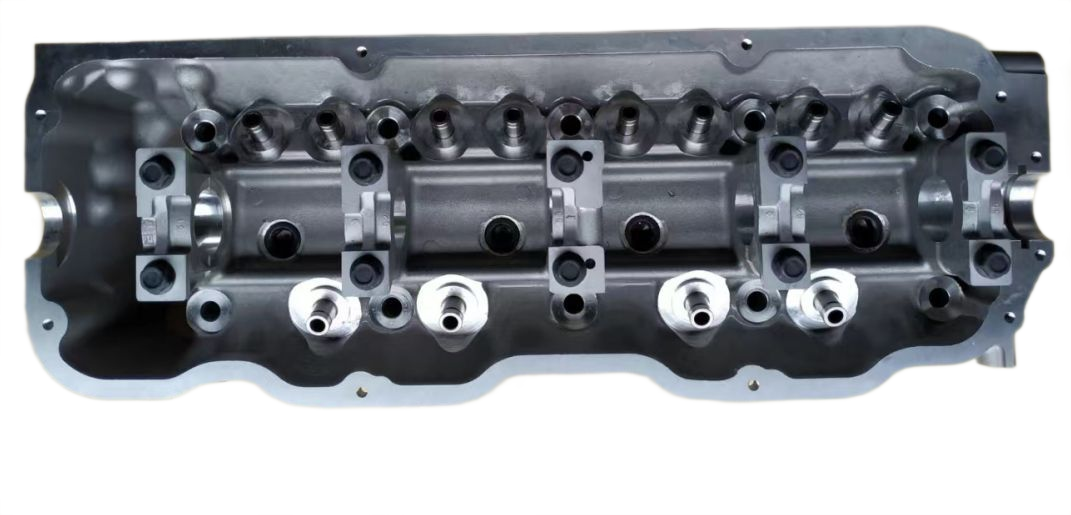
The cylinder head is one of the most complex and critical components of an internal combustion engine. Bolted to the top of the engine block, it forms the "roof" of the combustion chamber. This intricate casting of aluminum or iron houses the engine's valvetrain—including valves, springs, and camshafts (in OHC engines)—as well as the intake and exhaust ports, spark plugs, and fuel injectors. Its primary purpose is to seal the high-pressure combustion process while precisely managing the flow of air and fuel into, and exhaust gases out of, the cylinders.
Functions of a Cylinder Head
Seal the Combustion Chamber
Its most critical role is to form a high-pressure seal with the engine block via the head gasket, containing the explosive force of combustion.
House the Valvetrain
It provides the mounting structure and lubrication passages for the camshafts, valves, springs, lifters, and rockers that control engine breathing.
Manage Airflow
The size, shape, and design of its intake and exhaust ports are the single biggest factors in determining how well an engine "breathes" and produces power.
Dissipate Heat
It contains intricate coolant passages that absorb and transfer immense heat away from the combustion chamber to the vehicle's cooling system.
Symptoms of a Failing Cylinder Head
Cylinder head failure—typically a blown head gasket, a crack, or warping—is one of the most severe engine problems. Symptoms must be addressed immediately to prevent total engine loss.
Overheating Engine
A breach in the head or gasket allows high-pressure combustion gas into the cooling system or lets coolant leak out, causing rapid overheating.
White, Sweet-Smelling Exhaust Smoke
This is a classic sign of coolant leaking into the combustion chamber and being turned into steam.
Milky, Frothy Engine Oil
A "milkshake" appearance on the oil dipstick or filler cap indicates coolant has mixed with the engine oil, destroying its lubricating properties.
Loss of Compression and Misfires
A head gasket failure between two cylinders or a crack in the head will cause a loss of compression, leading to a persistent misfire and rough running.
Cylinder Head vs. Engine Block
What is an Engine Block?
The engine block, or cylinder block, is the foundation and main body of the engine. It is the large casting that contains the cylinders, pistons, connecting rods, and crankshaft. It forms the "bottom end" of the engine, to which the cylinder head is bolted to create the "top end."
| Attribute | Cylinder Head | Engine Block |
|---|---|---|
| Location | Top of the engine | Bottom/main structure of engine |
| Houses | Valvetrain (Valves, Springs, Cams) | Rotating Assembly (Pistons, Crank) |
| Primary Function | Manage engine "breathing" | Generate rotational power |
| Common Material | Aluminum Alloy | Cast Iron or Aluminum Alloy |
The Engine Block is the building's foundation and main floors; the Cylinder Head is the complex roof with all its vents and systems.