


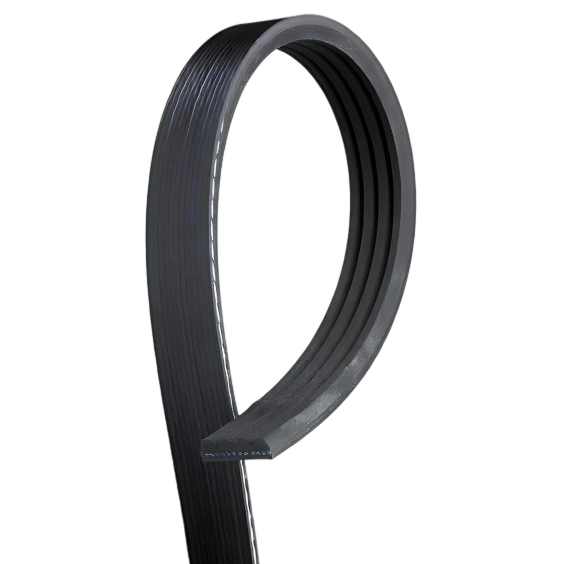
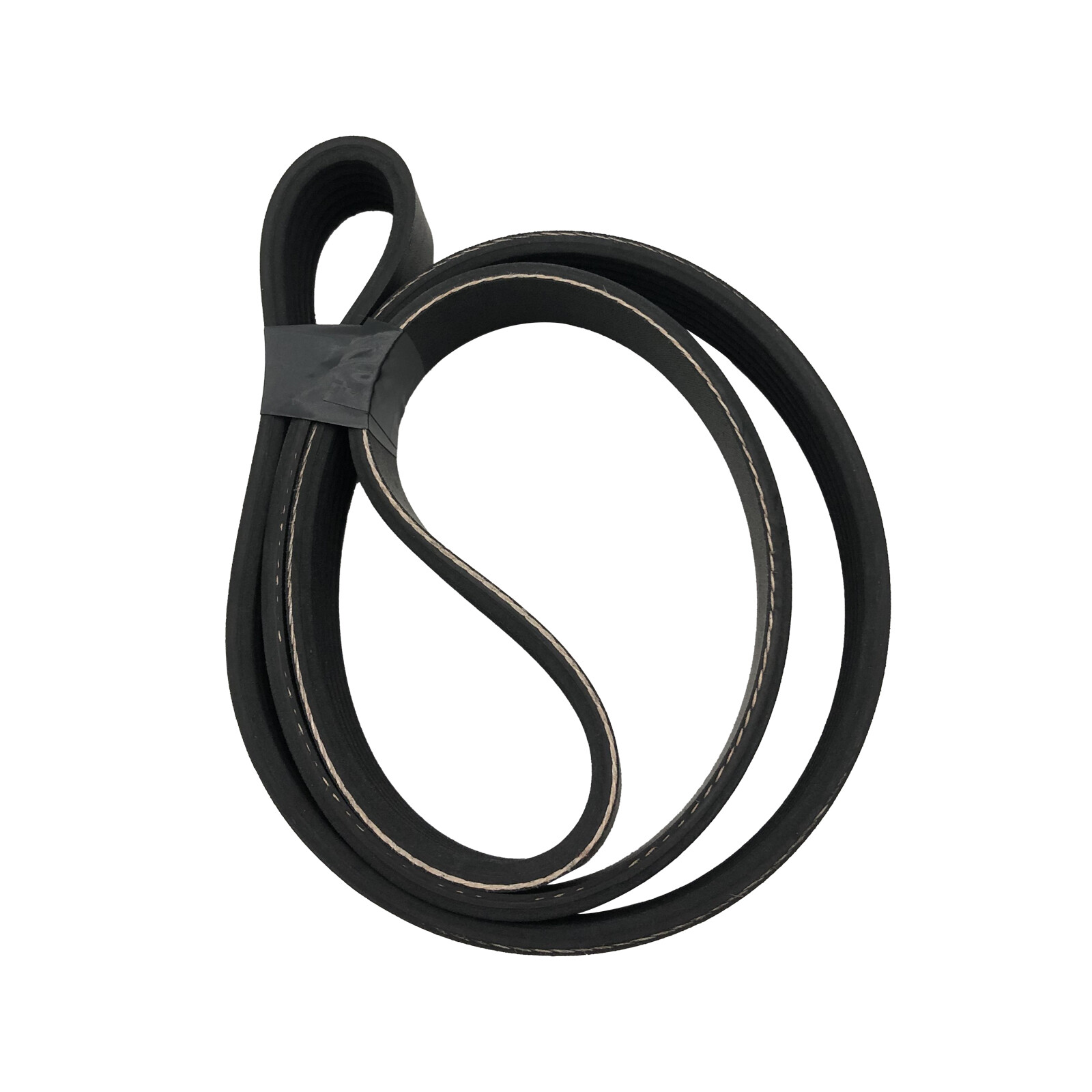
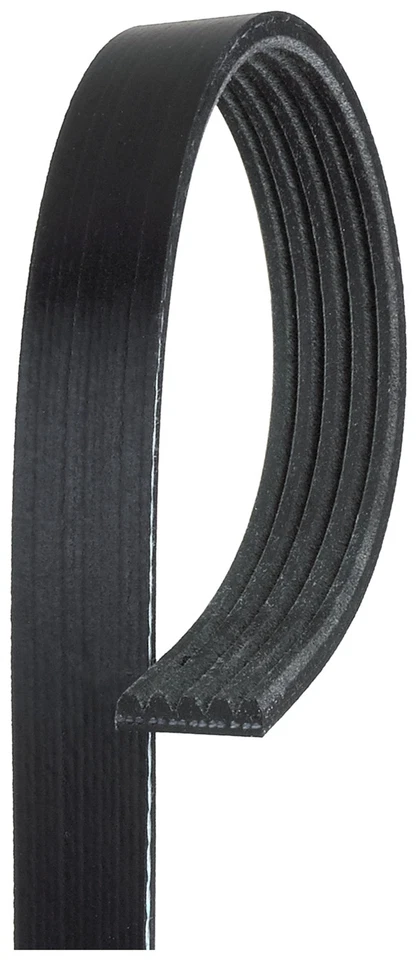
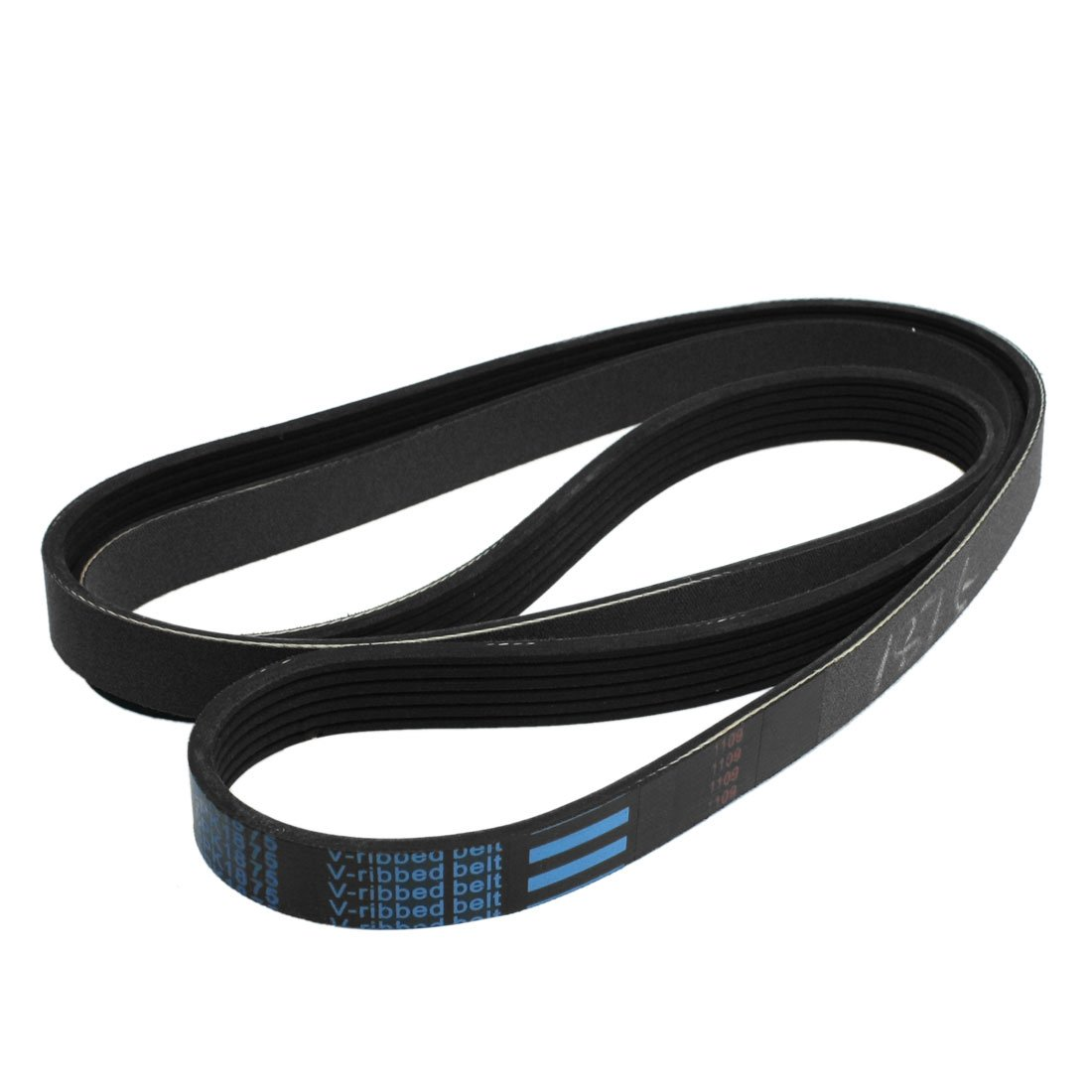
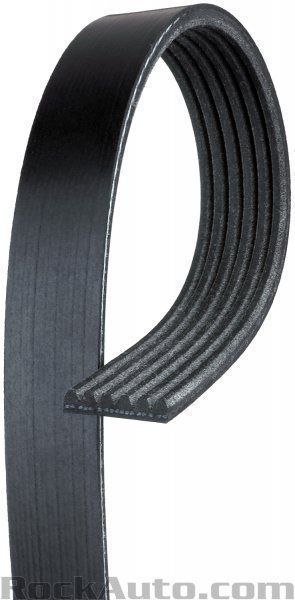
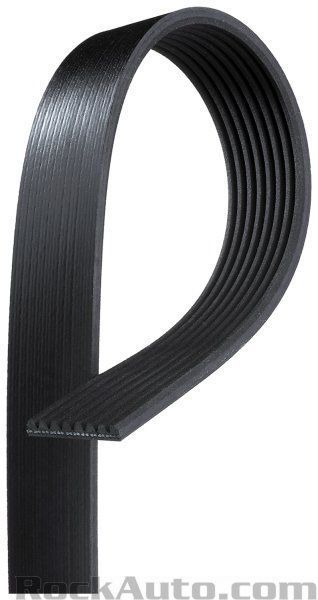
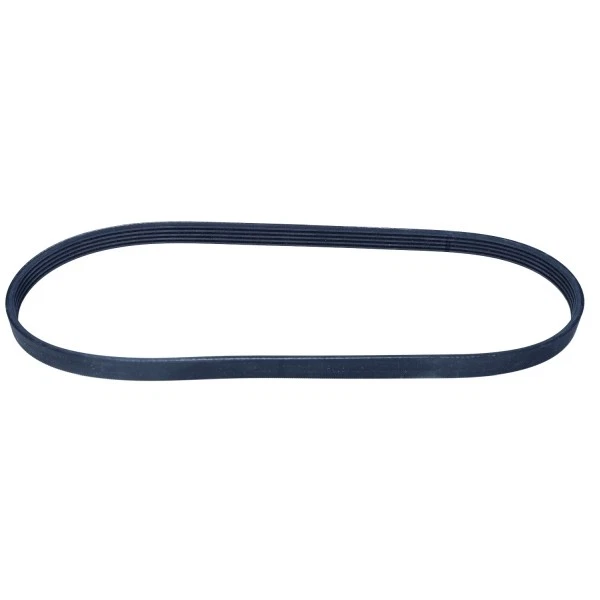
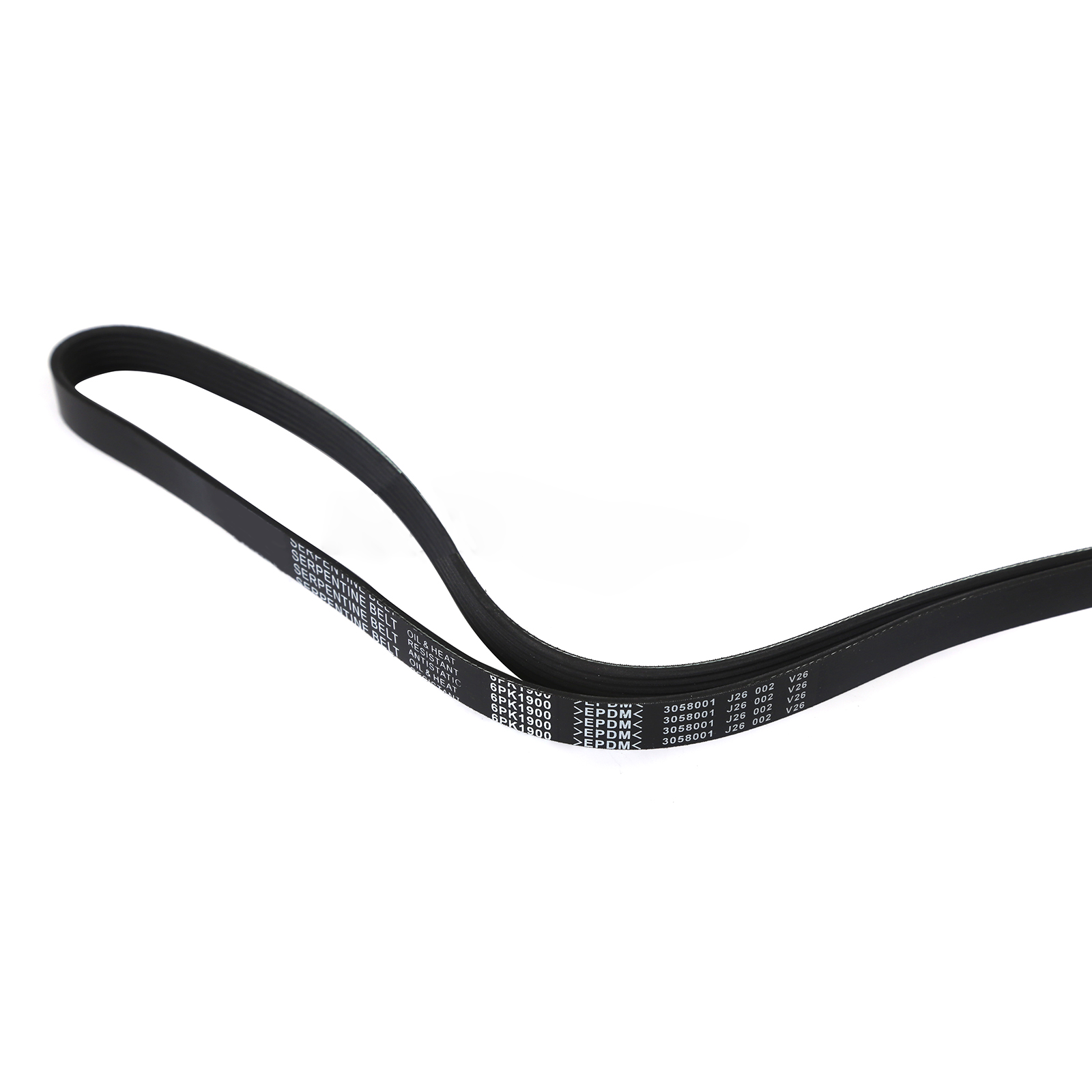
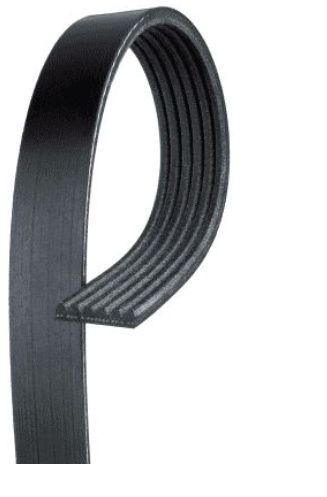
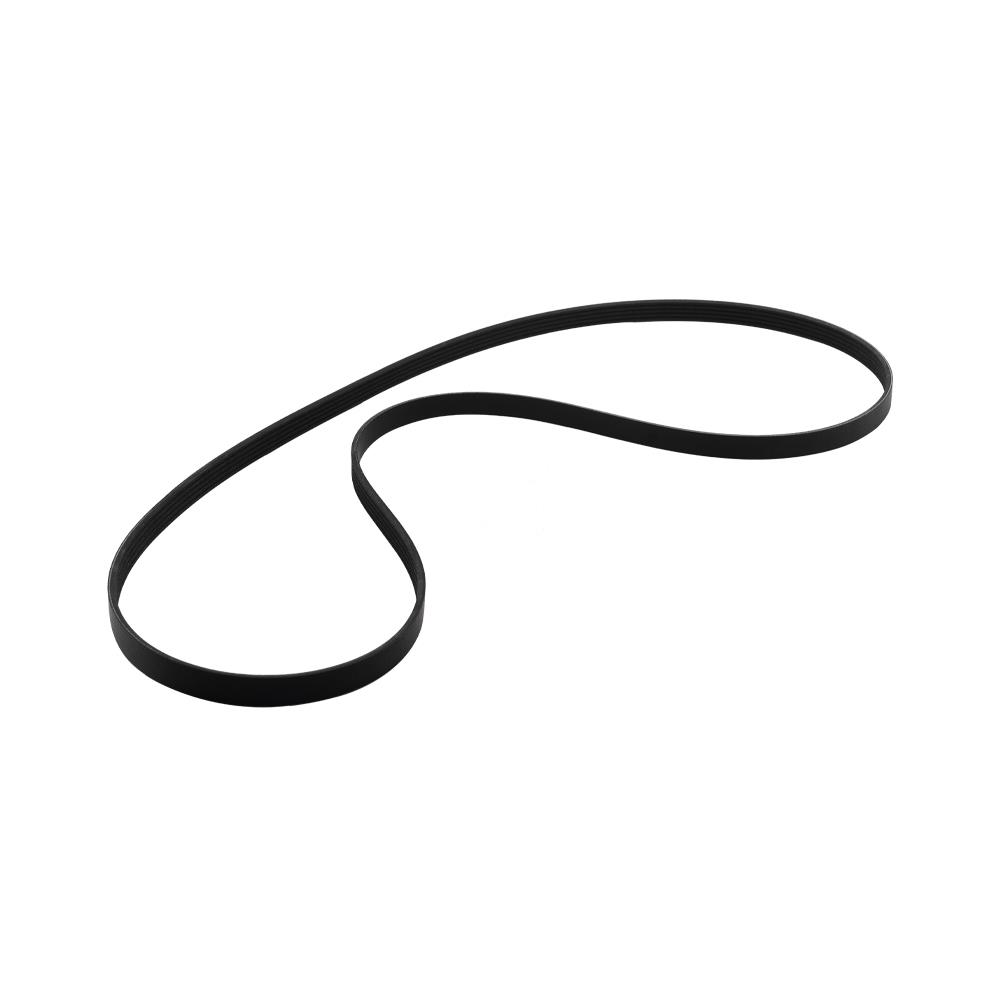
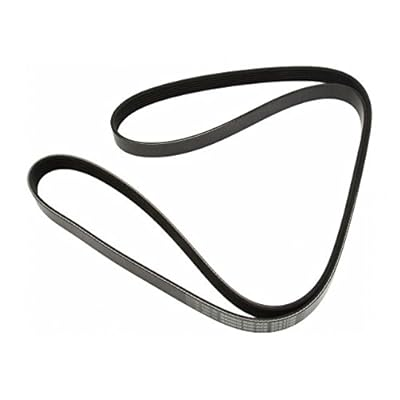
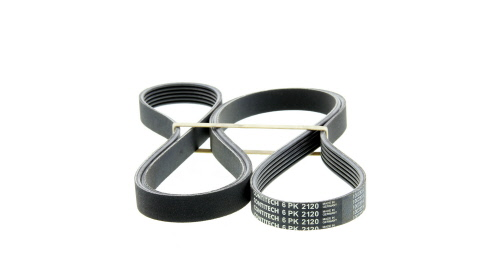
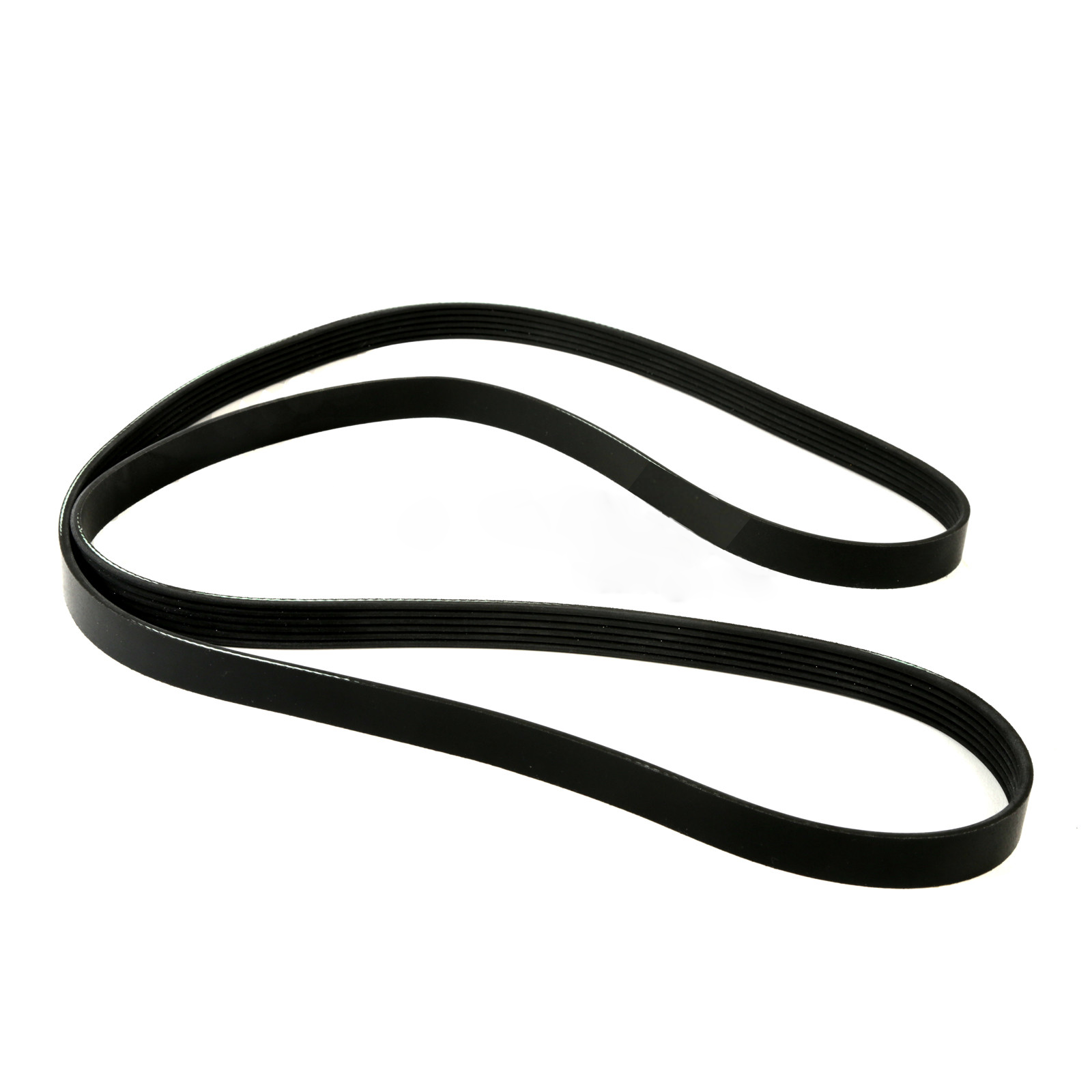
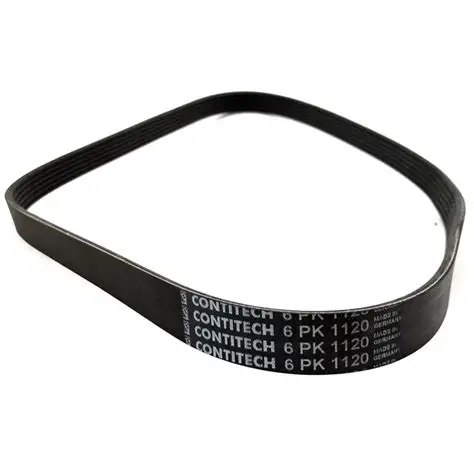
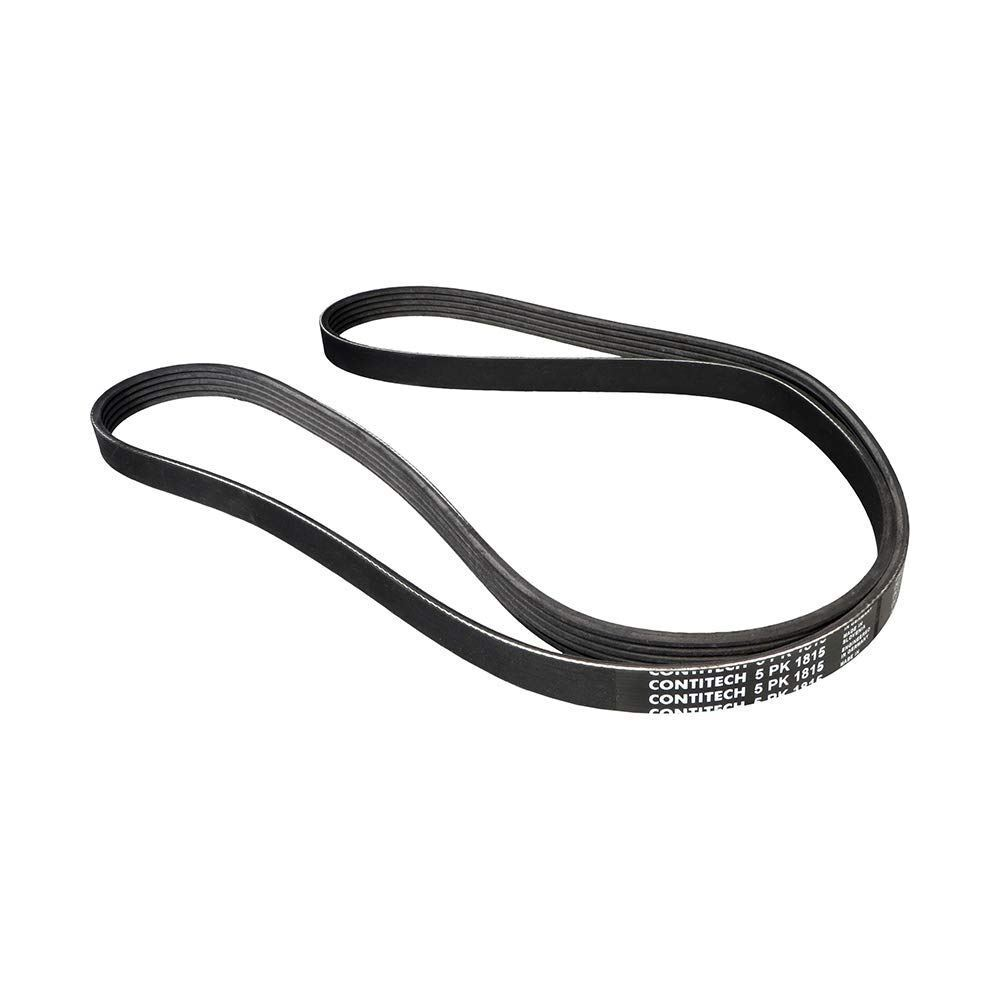
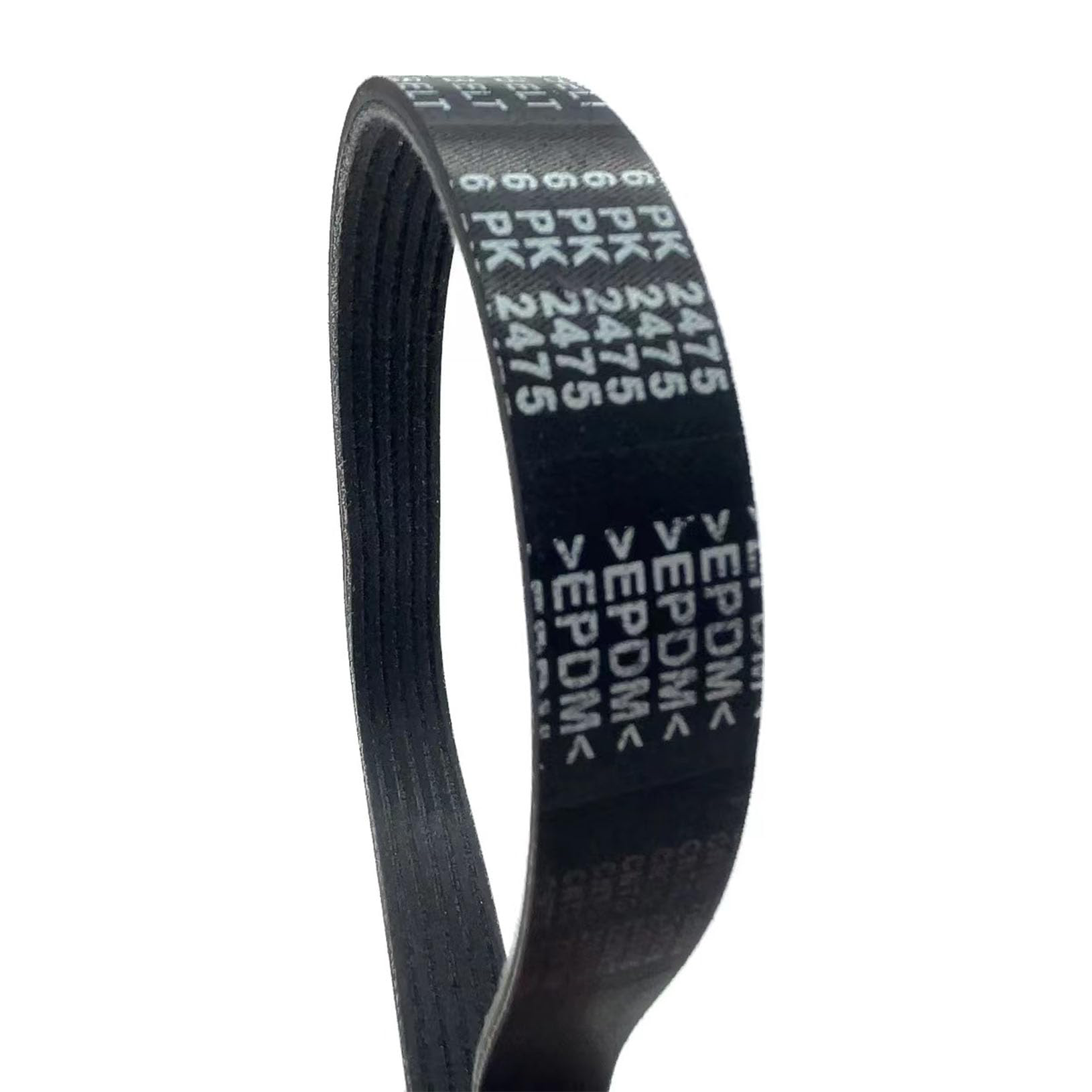
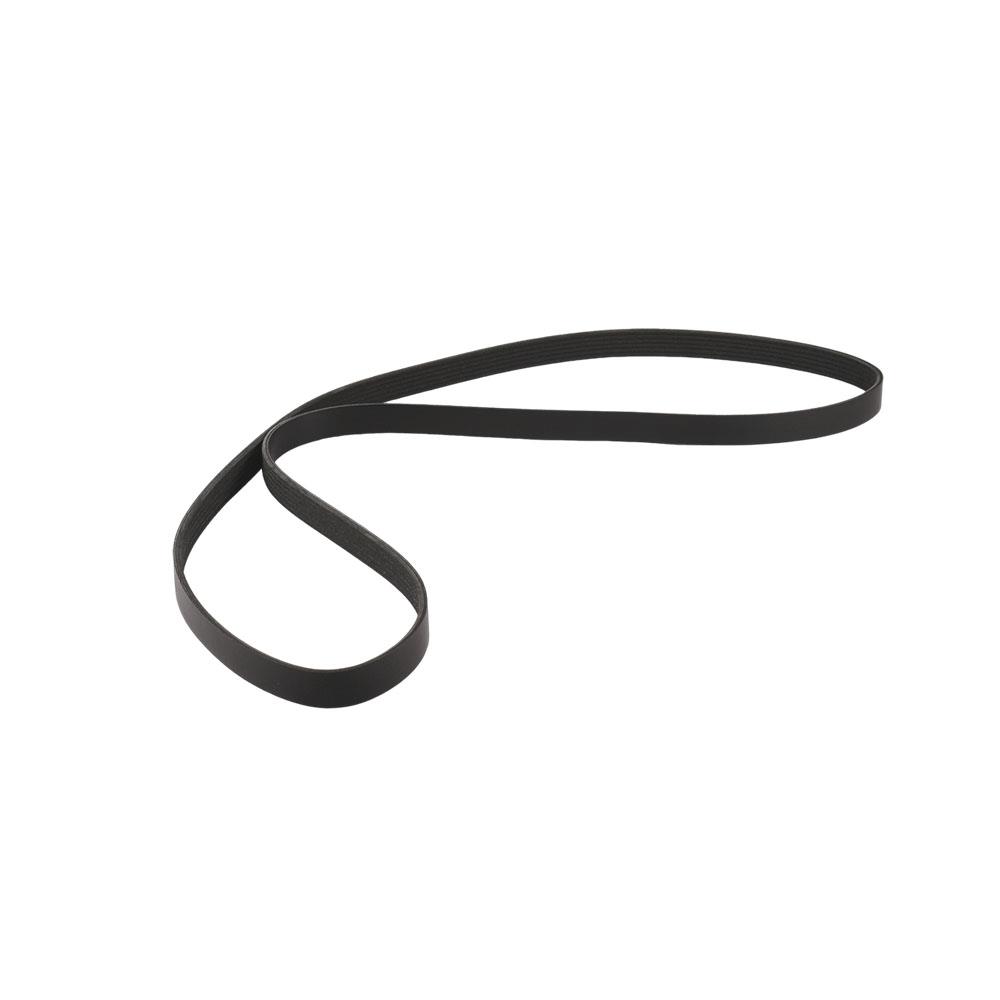
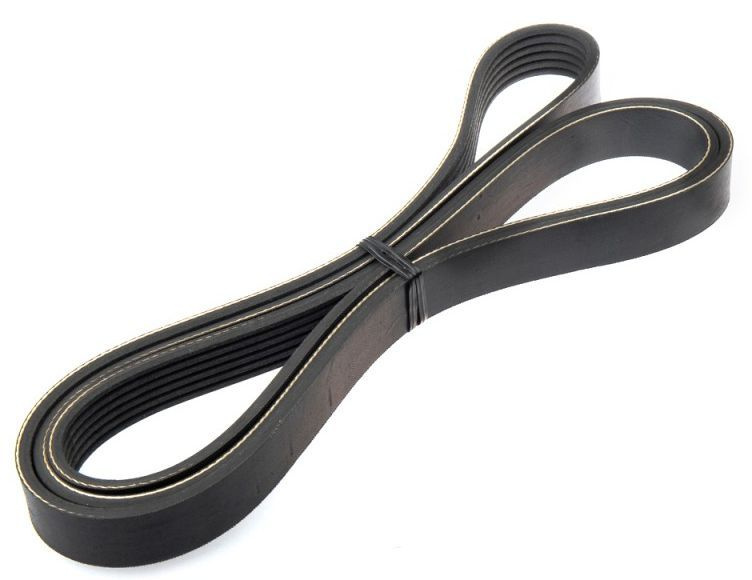
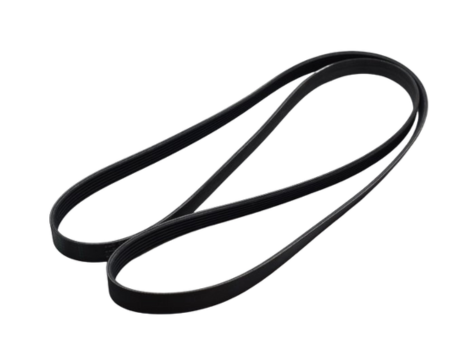
A Poly V-belt, also known as a V-ribbed or serpentine belt, is a single, continuous belt with multiple longitudinal V-shaped ribs. Unlike traditional V-belts, it combines the flexibility of a flat belt with the high power-gripping capability of a V-belt. This design allows a single belt to drive multiple accessories (alternator, power steering, A/C) simultaneously, enabling more compact and efficient system designs in modern engines and machinery.
Advantages of a Poly V-Belt
High Power Transmission
The large contact area provided by the multiple ribs ensures a superior grip, allowing it to transmit high levels of torque with minimal slippage.
Compact and Flexible Design
Its thin cross-section allows it to bend easily in both directions, enabling complex "serpentine" routing around multiple pulleys in a tight space.
Reduced Vibration and Noise
The single, stable belt path combined with an automatic tensioner results in smoother, quieter operation compared to multiple V-belts.
High Efficiency and Long Life
Made from modern EPDM rubber compounds, these belts resist heat and cracking, and their design minimizes energy loss from slippage.
Symptoms of a Failing Poly V-Belt
A Poly V-belt is a wear item. Its failure will cause an immediate loss of power to critical components, disabling the vehicle or machine. Regular inspection is essential.
Squealing or Chirping Noises
The most common symptom, indicating the belt is slipping due to wear, contamination, or a failing tensioner.
Visible Cracks or Damage
Inspect the ribs for cracks, chunks of missing rubber, fraying at the edges, or a shiny, glazed appearance.
Accessory Malfunction
Dimming headlights (alternator), stiff steering (power steering), or engine overheating (water pump) indicate the belt is no longer driving them effectively.
Vibration or Misalignment
A damaged belt or a failing tensioner can cause the entire drive system to vibrate, and the belt may start to track improperly on the pulleys.
Best Practices for Maintenance
Regular Inspection
Periodically check the belt for wear using a belt wear gauge and look for any signs of physical damage or contamination.
Replace as a Kit
Always replace the belt, tensioner, and idler pulleys together. These components wear as a system and have similar service lives.
Keep Pulleys Clean and Aligned
Ensure all pulley grooves are free of debris and that all pulleys are in perfect alignment to prevent premature belt wear and noise.
Poly V-Belt vs. Classic V-Belts
What are Classic V-Belts?
This older system uses multiple individual V-shaped belts, each typically driving one or two accessories. They sit in deep V-groove pulleys and require manual tensioning. This design is less compact and efficient than a modern Poly V-belt system.
| Attribute | Poly V-Belt | Classic V-Belts |
|---|---|---|
| Design | Single belt, multiple ribs | Multiple belts, single V-profile |
| Tensioning | Automatic | Manual (per belt) |
| Space Efficiency | High (compact layout) | Low (requires more space) |
| Power Capacity | Very High | Moderate (per belt) |
A Poly V-Belt is a multi-lane superhighway for power; a V-Belt system is a network of separate two-lane roads.