


What is an Engine Intake System?
An engine's intake system is the path air takes from outside the vehicle to the engine's cylinders. Its job is to draw in, filter, measure, and deliver the precise amount of air needed for combustion. A well-functioning intake system is essential for optimal engine performance.

Key Intake Parts:
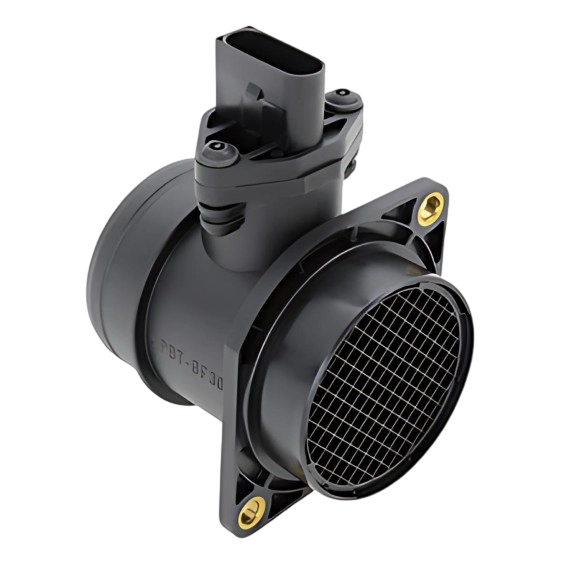
Mass Airflow (MAF) Sensor
Measures the mass of air entering the engine, a critical input for the ECU.
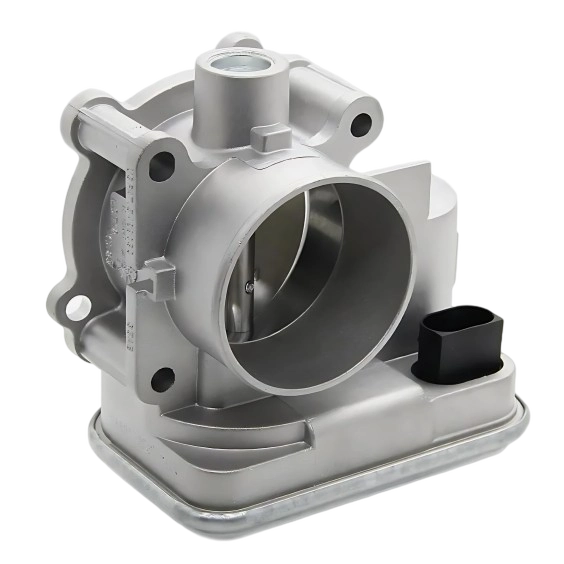
Throttle Body
A valve that controls the volume of air entering the intake manifold.
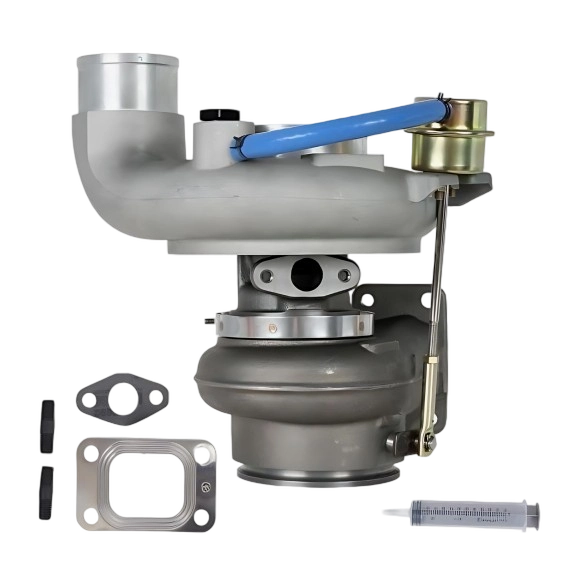
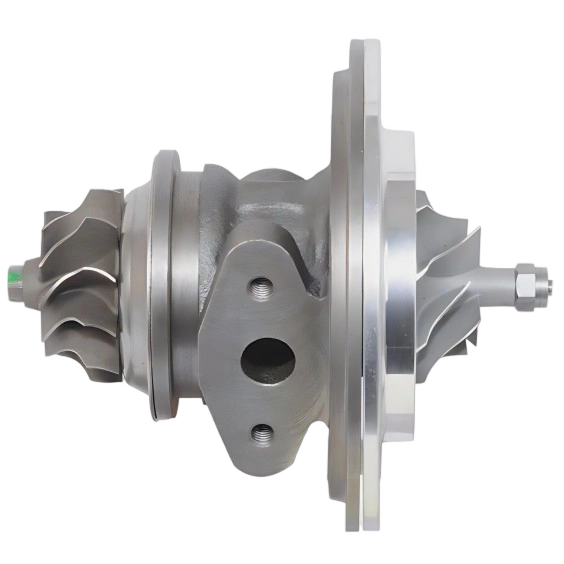
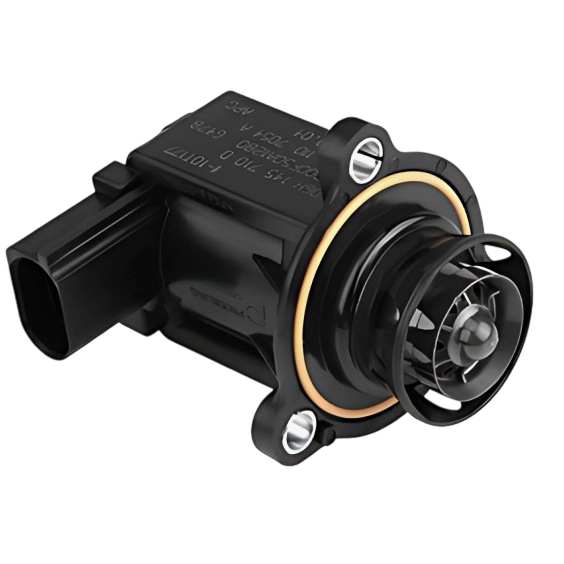
Turbocharger
An exhaust-driven turbine that pressurizes intake air, forcing more oxygen into the cylinders to create more power.
The Evolution: Throttle Control Systems
One of the most significant advancements in intake technology is the move from a mechanical throttle cable to an electronic "drive-by-wire" system. This allows for more precise control and integration with modern vehicle safety and performance systems.

| Throttle Type | Key Features | Pros & Cons |
|---|---|---|
| Mechanical (Cable) | A physical steel cable directly connects the accelerator pedal to the throttle plate. | Pro: Simple, direct response. Con: Requires idle air control valve, cannot integrate with modern systems. |
| Electronic (Drive-by-Wire) | The ECU reads pedal position and commands an electric motor on the throttle body to open. | Pro: Enables cruise/traction control, improves efficiency. Con: More complex, reliance on sensors. |
The Critical Role of the Mass Airflow (MAF) Sensor
The MAF sensor is one of the most important sensors for the engine management system. It precisely measures the mass of air entering the engine, allowing the Engine Control Unit (ECU) to calculate the exact amount of fuel to inject. Its accuracy is vital for performance and fuel economy.
Clean & Functioning MAF
Provides accurate airflow data, allowing for optimal air-fuel ratios, smooth acceleration, and maximum fuel efficiency.
Dirty or Failed MAF
Sends incorrect data, leading to a rich or lean fuel mixture, hesitation, poor idling, and Check Engine Light illumination.
Our Commitment: Our MAF sensors use high-quality platinum wire or hot-film elements and are 100% factory calibrated to ensure they deliver precise, OE-spec airflow readings for perfect engine operation.
Why Choose FOCUSON ENGINE® Intake Parts?
High-Grade Manifold Materials
Benefit: Our composite intake manifolds use improved polymers to resist cracking and heat-related warping.
Precision Calibrated Sensors
Benefit: MAF and MAP sensors are 100% tested to match OE output curves, ensuring correct air-fuel mixture control.
Durable Throttle Bodies
Benefit: Complete assemblies with tested position sensors and motors to restore throttle response and idle control.
Superior Gasket Sealing
Benefit: Our intake gaskets use premium molded rubber and silicone to provide a lasting, leak-proof seal.
Frequently Asked Questions
What is a vacuum leak?
A vacuum leak is any unmetered air that enters the engine after the MAF sensor, typically from a cracked hose or failed intake manifold gasket. It causes the engine to run lean, leading to a rough idle and other performance issues.
Can I clean my MAF sensor or throttle body?
Yes. Using a dedicated MAF sensor cleaner or throttle body cleaner can often restore performance. However, if the electronic components have failed, the part must be replaced.
What are the symptoms of a bad throttle body?
Common symptoms include a rough or surging idle, poor acceleration, stalling, and an electronic throttle control warning light on the dashboard.
How often should I change my engine air filter?
It's generally recommended to replace the air filter every 12,000 to 15,000 miles (20,000-24,000 km), or more often if driving in dusty conditions. A clogged filter restricts airflow and hurts performance.