


What is an Engine Block?
The engine block, or cylinder block, is the main structural component of an engine. It is a solid casting that houses the cylinders, pistons, connecting rods, and crankshaft. It also contains the integral passages for coolant and oil to circulate, making it the core of engine strength and thermal management.

Key Engine Block Parts (The Rotating Assembly):
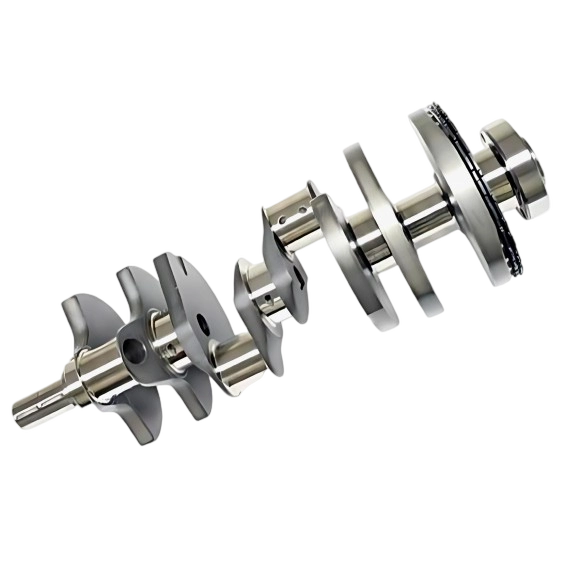
Crankshaft
Converts the linear up-and-down motion of the pistons into rotational force.
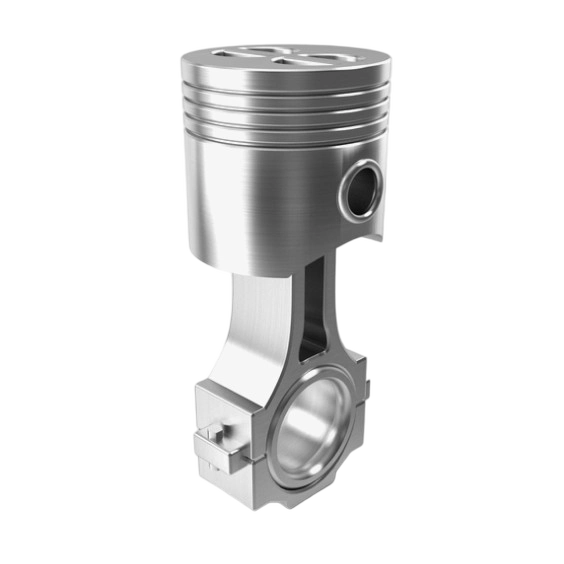
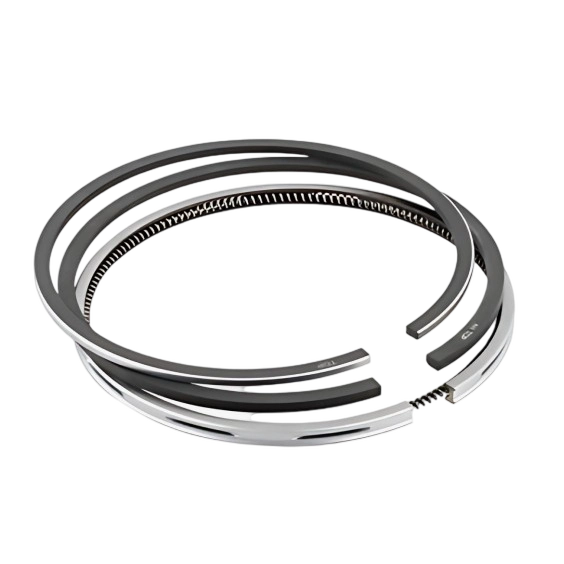
Pistons & Piston Rings
The piston forms the moving floor of the combustion chamber; rings seal it.
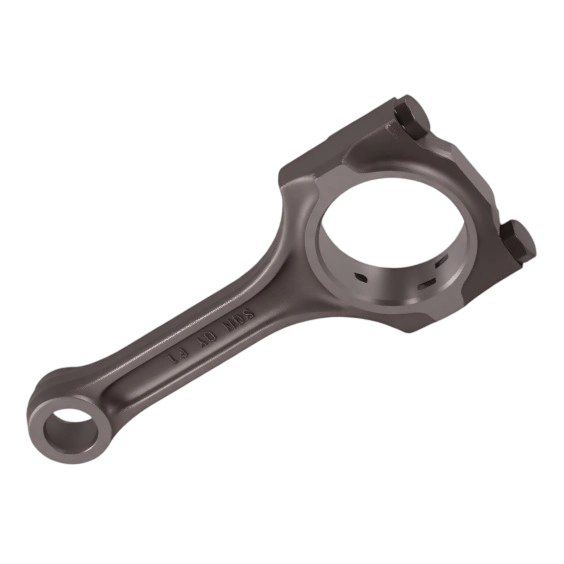
Connecting Rods
Link the pistons to the crankshaft, enduring immense tensile and compressive forces.
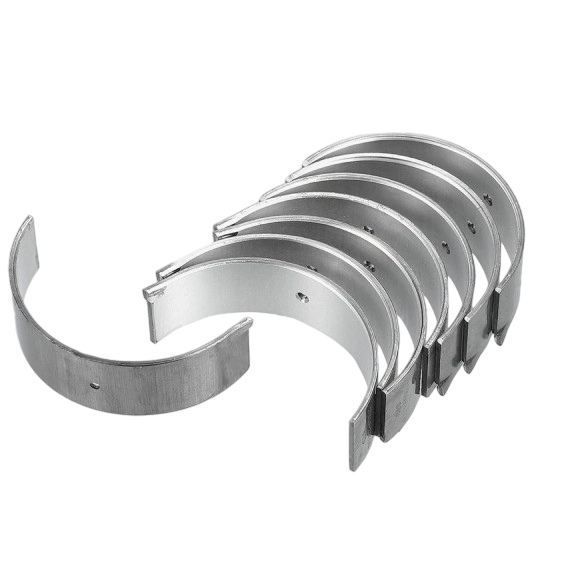
Main & Rod Bearings
Replaceable inserts that provide a low-friction surface for the crankshaft and rods.
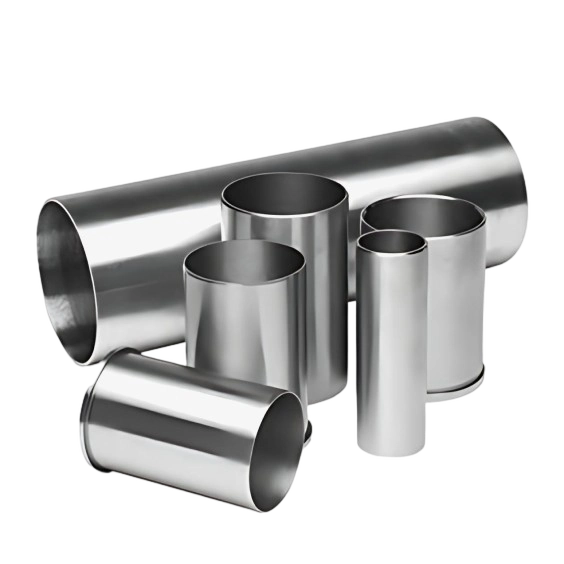
Cylinder Liners / Sleeves
Hardened iron tubes pressed into aluminum blocks to provide a durable cylinder wall.
Core Plugs (Freeze Plugs)
Seal the holes left from the casting process in the coolant passages.
The Evolution: Cast Iron vs. Aluminum Blocks
The choice of engine block material is a fundamental engineering decision that balances weight, strength, and thermal efficiency. The industry has largely shifted from traditional cast iron to lighter aluminum alloys to improve vehicle fuel economy and handling.

| Block Material | Key Features | Pros & Cons |
|---|---|---|
| Cast Iron | Extremely strong, rigid, and has excellent wear characteristics for cylinder bores. | Pro: Durable, inexpensive. Con: Very heavy, poor heat dissipation. |
| Aluminum Alloy | Significantly lighter than iron. Requires iron cylinder liners for durability. | Pro: Lightweight, excellent heat dissipation. Con: Less rigid, more expensive. |
The Critical Role of the Piston Ring Seal
The seal created by the piston rings against the cylinder wall is arguably the most important function inside the engine block. A proper seal is required to contain high-pressure combustion gases, control oil consumption, and transfer heat from the piston to the cylinder wall.
Proper Ring Seal
Maximizes compression for full power, prevents oil from being burned, and protects the piston from overheating.
Failed Ring Seal
Causes "blow-by" (power loss), high oil consumption (blue smoke), and can lead to piston and cylinder wall damage.
Our Commitment: Our piston rings are made from high-tensile ductile iron with advanced coatings (nitride, chrome) to ensure superior sealing, low friction, and exceptional durability in all engine types.
Why Choose FOCUSON ENGINE® Engine Block Parts?
Forged & Hypereutectic Pistons
Benefit: Offering superior strength for high-performance (forged) and excellent thermal stability for OEM (hypereutectic) applications.
Precision Honing & Balancing
Benefit: Cylinder liners are honed to a perfect cross-hatch finish for ring seating, and crankshafts are dynamically balanced for smooth operation.
Advanced Piston Coatings
Benefit: Graphite or other anti-friction coatings on piston skirts reduce wear during cold starts and improve overall efficiency.
Tri-Metal Bearing Technology
Benefit: Layered construction of our bearings provides excellent embeddability for small debris and superior load-carrying capacity.
Frequently Asked Questions
What is a "short block" vs. a "long block"?
A "short block" is a pre-assembled engine bottom end, typically including the block, crank, rods, and pistons. A "long block" includes the short block plus the cylinder head(s) and valvetrain.
Why is cylinder honing so important?
Honing creates a specific "cross-hatch" pattern on the cylinder walls. This pattern is crucial for allowing the new piston rings to seat properly and for retaining a thin film of oil for lubrication.
What are the main causes of low compression?
The most common causes are worn piston rings, a leaking head gasket, or burnt/leaking valves in the cylinder head. A "wet" compression test can help diagnose if the rings are the issue.
What are oversized pistons used for?
When an engine block's cylinders are worn, they must be bored out to a larger diameter to make them perfectly round again. Oversized pistons and rings are then used to match this new, larger bore size.