


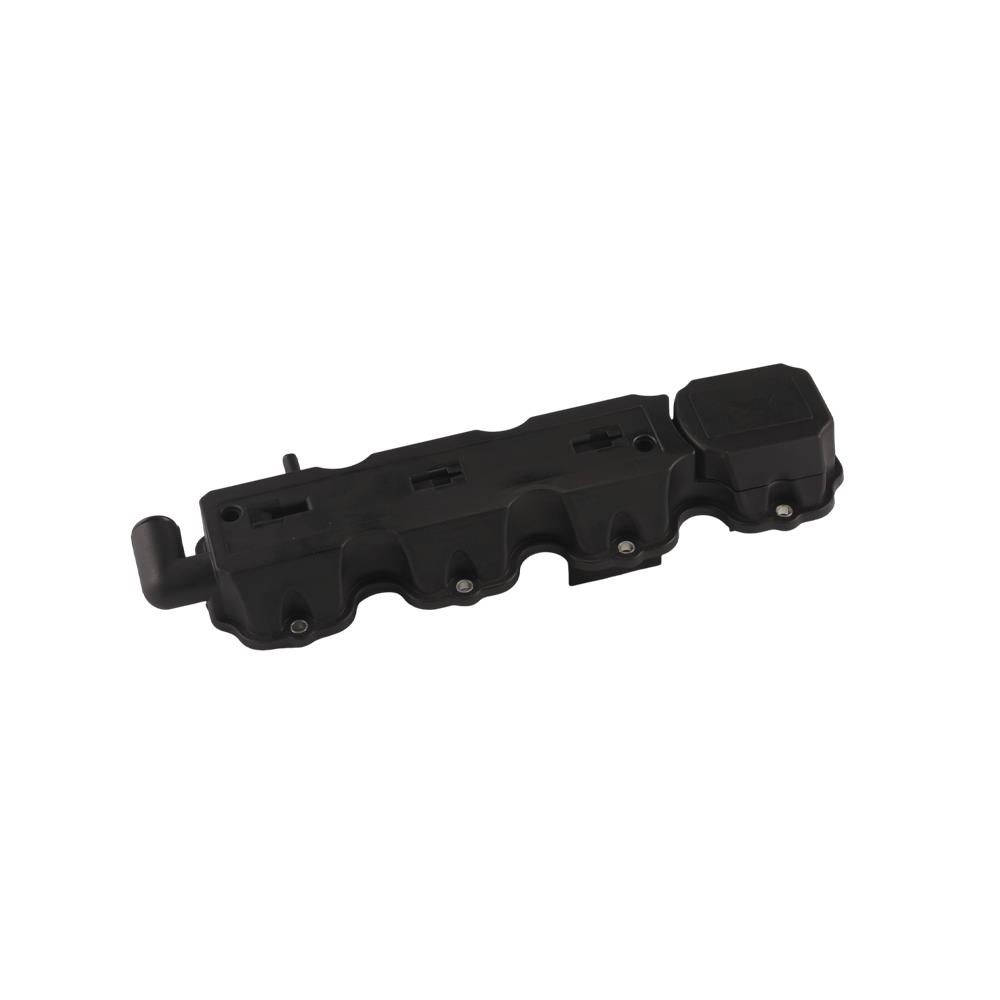
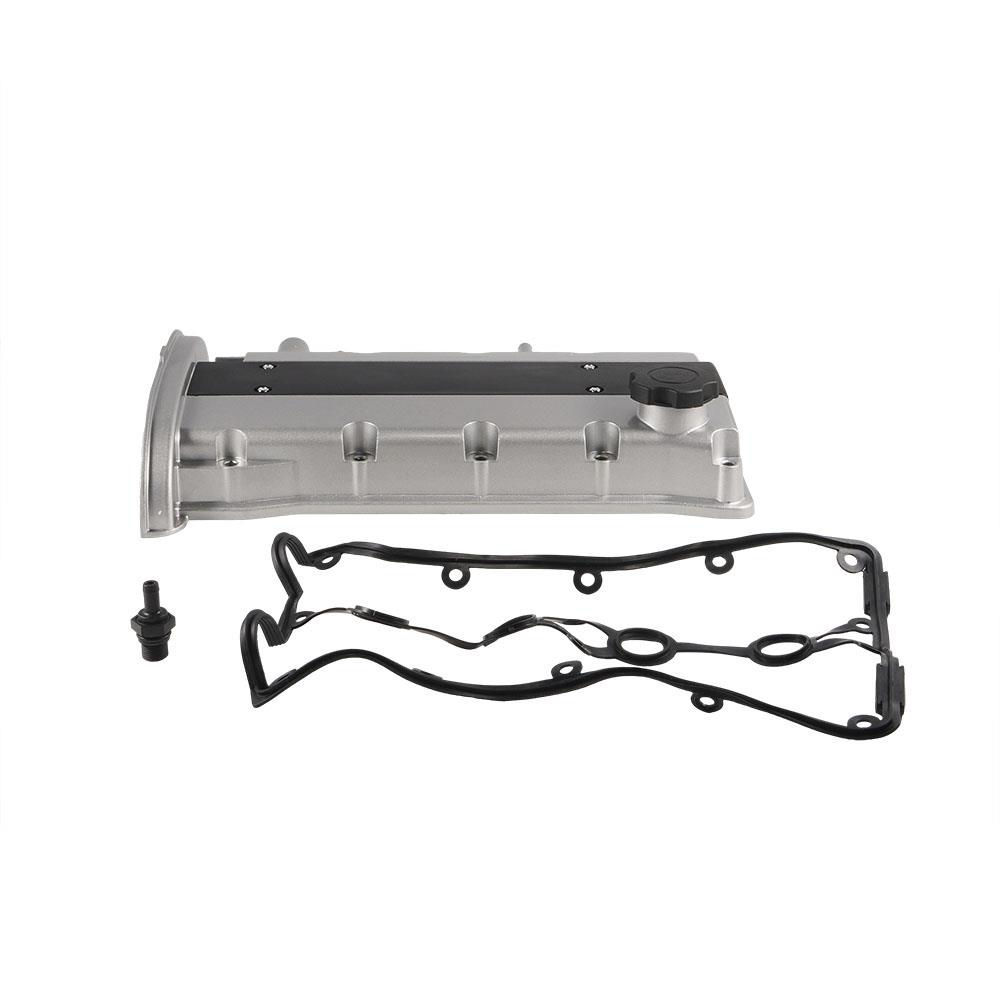
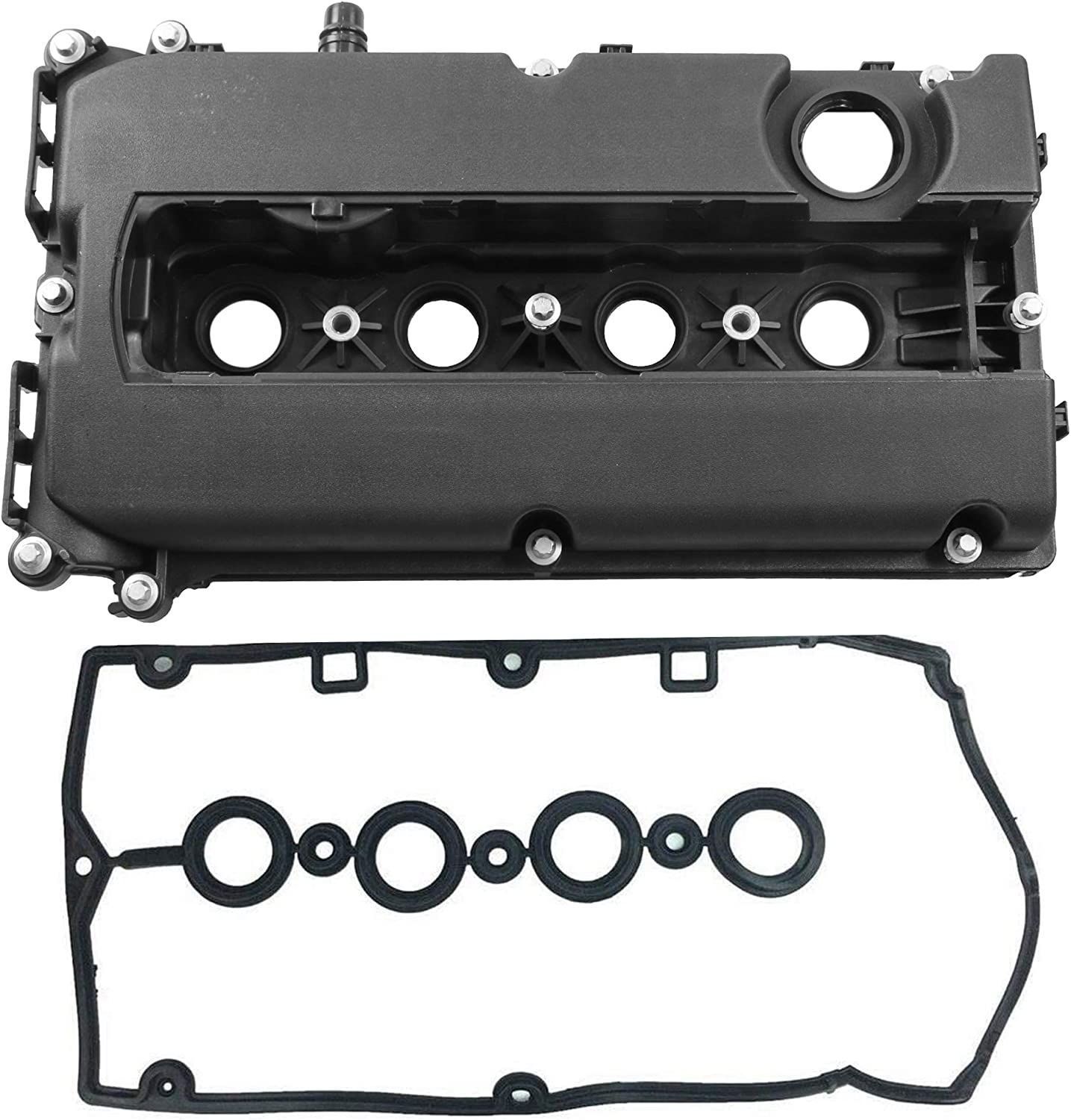
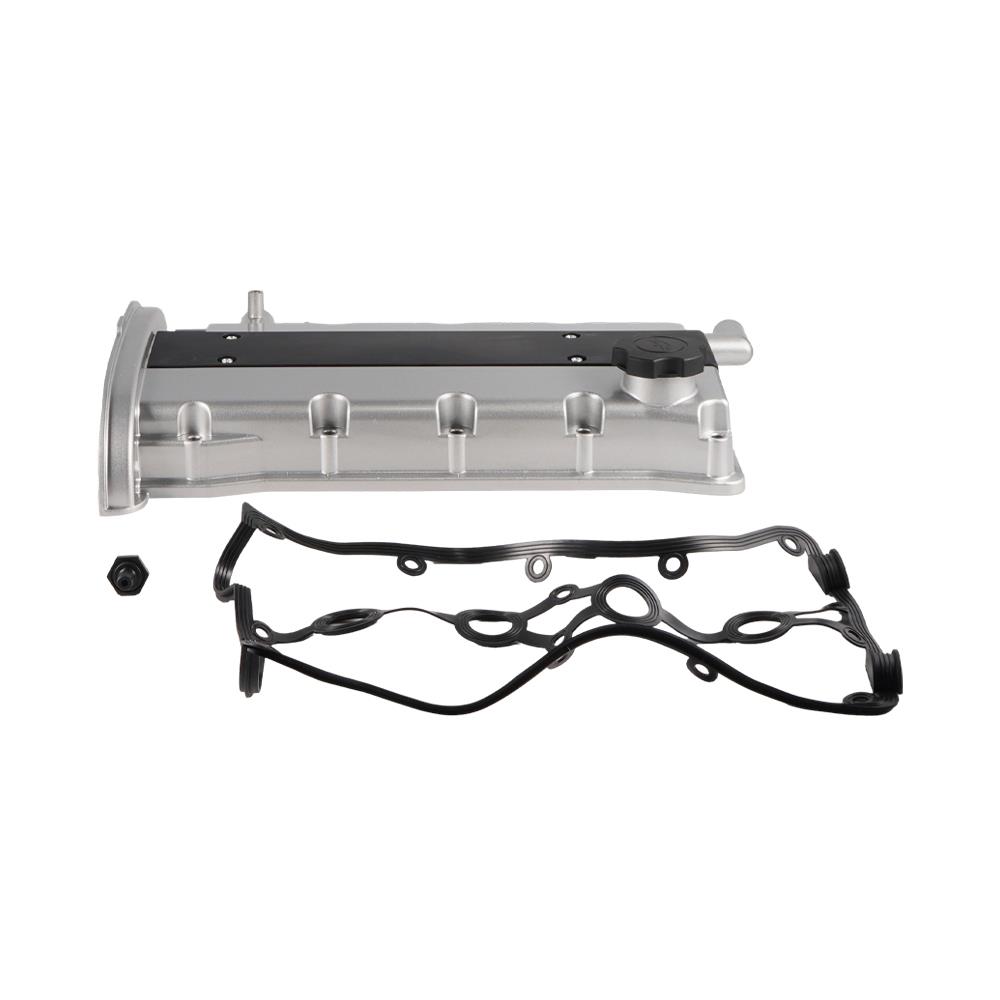
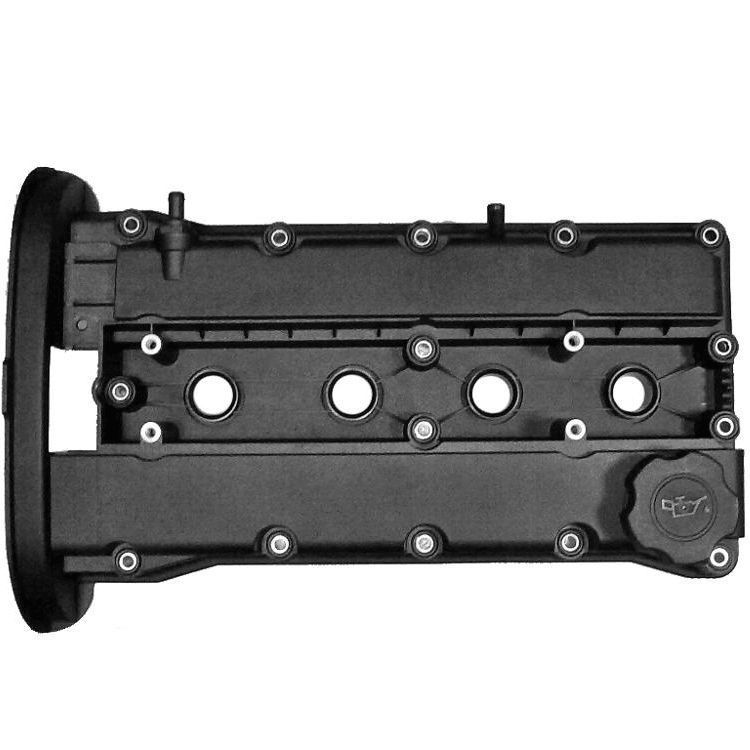
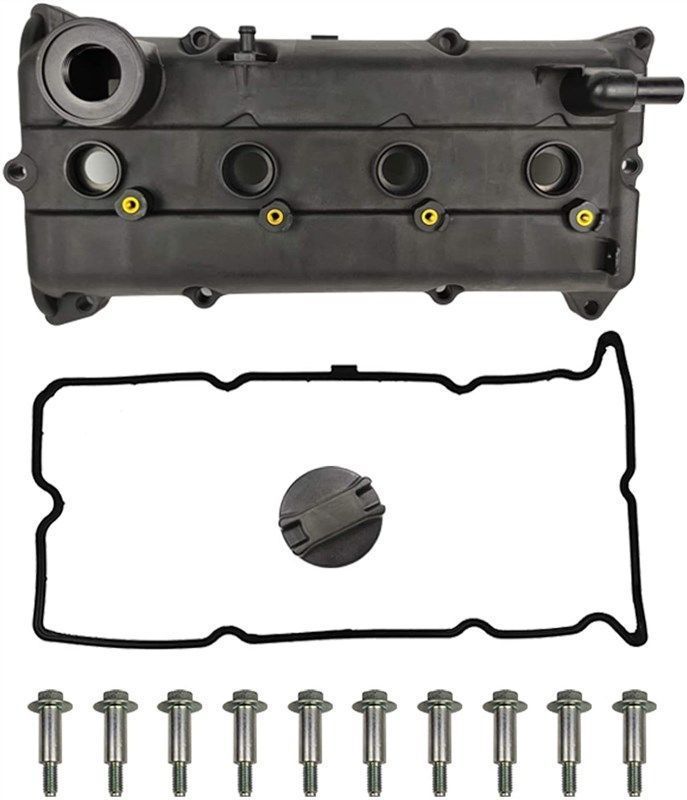
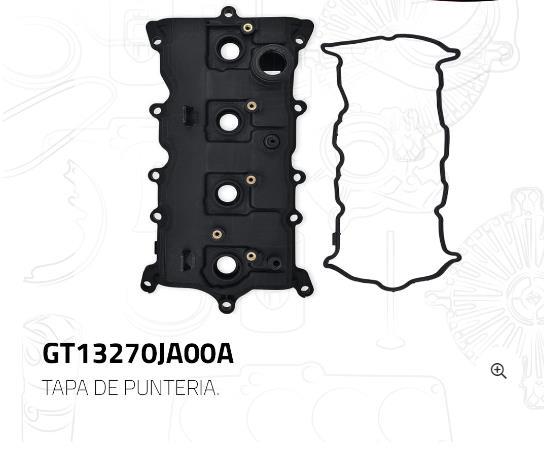
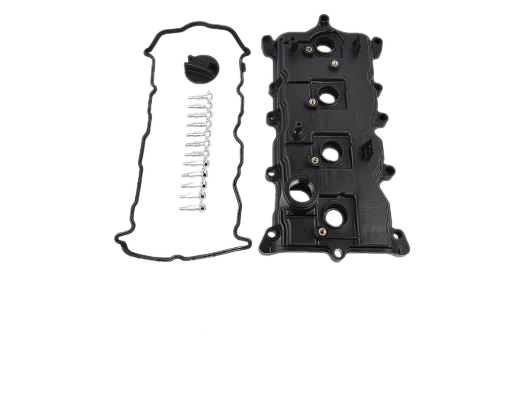
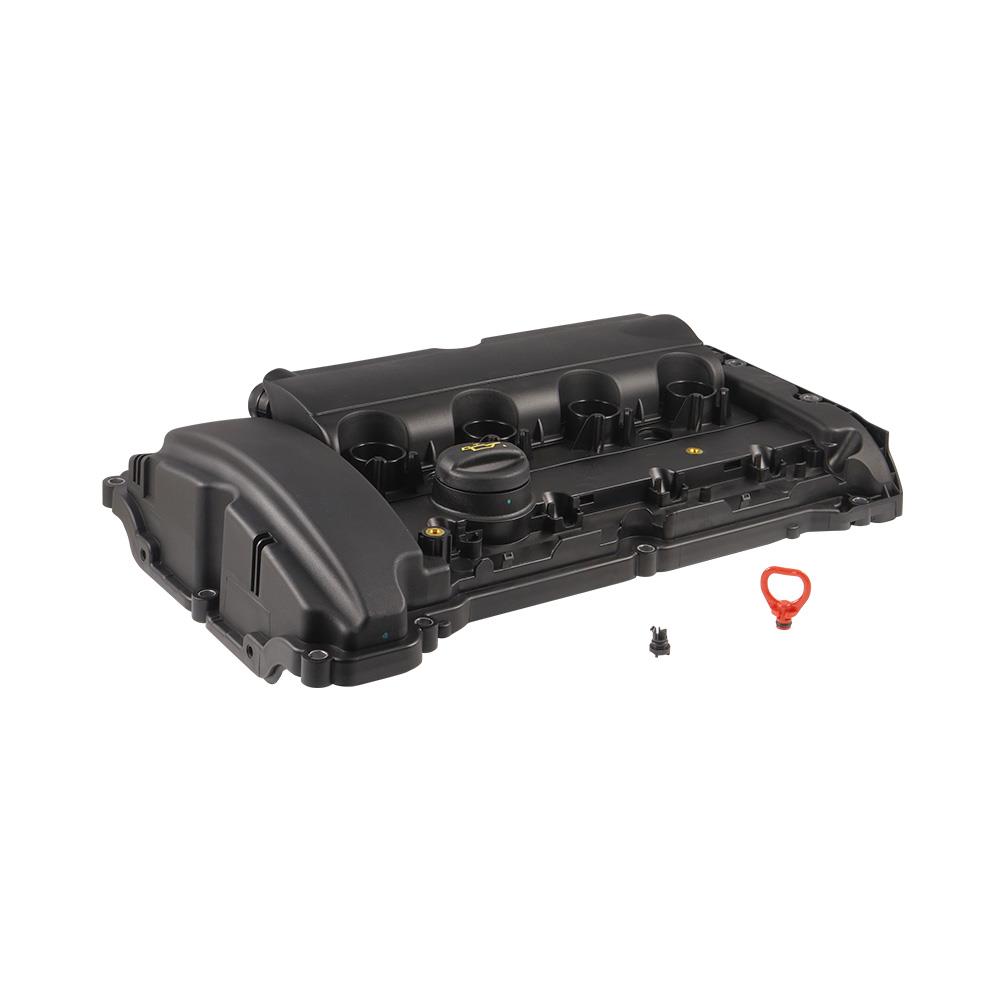
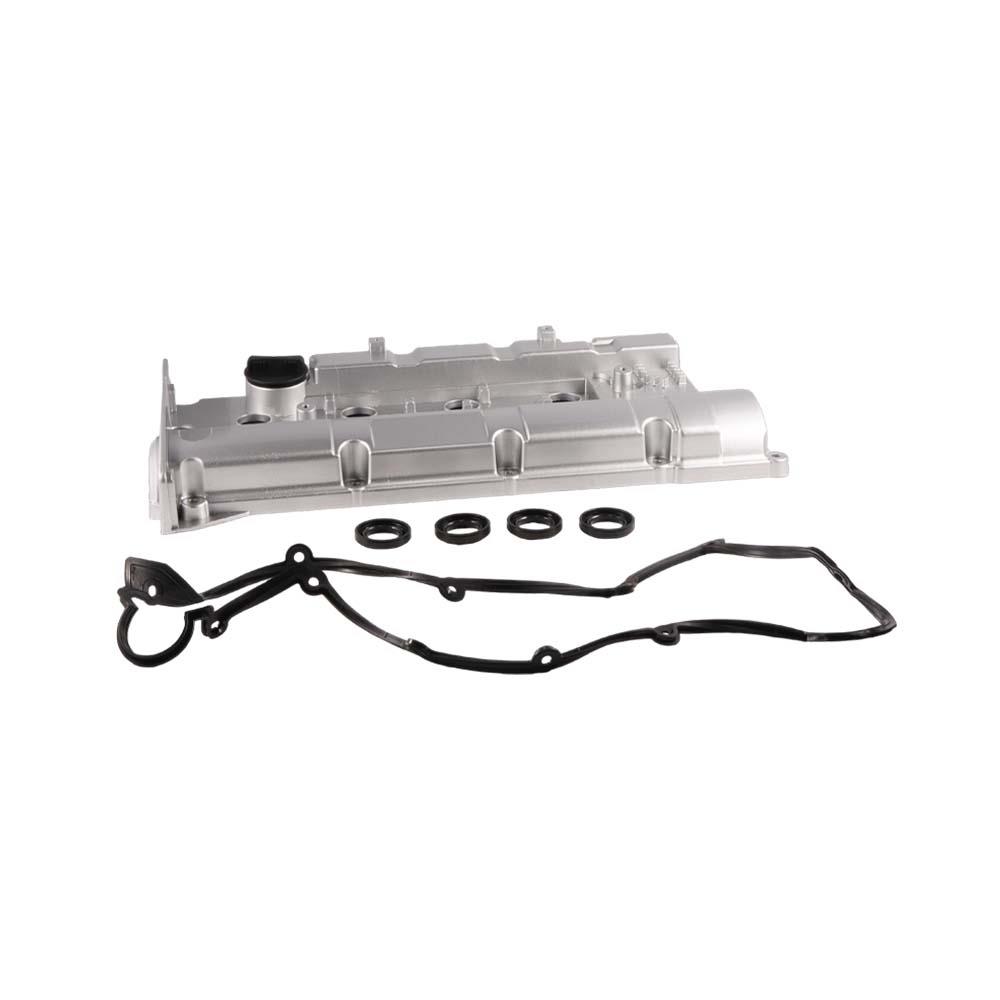
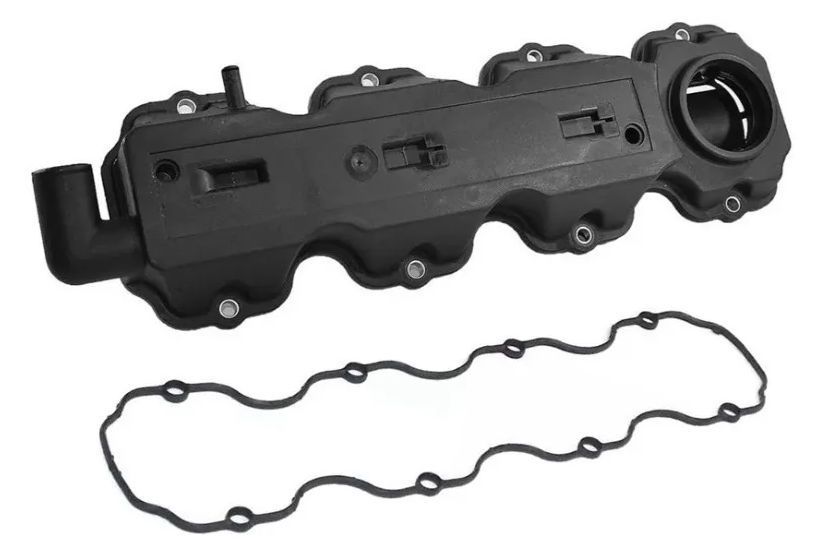
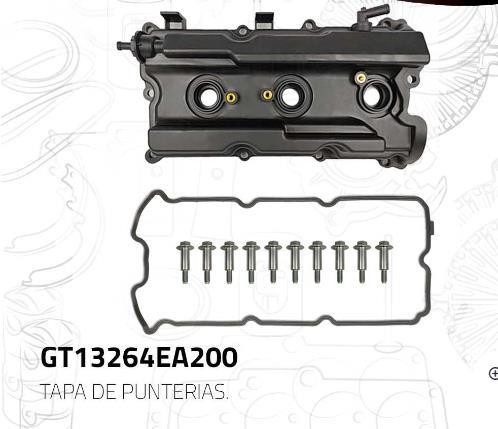
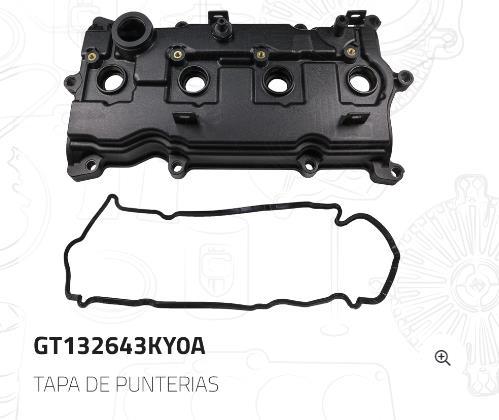
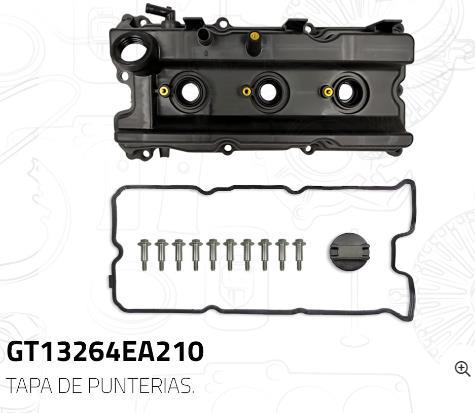
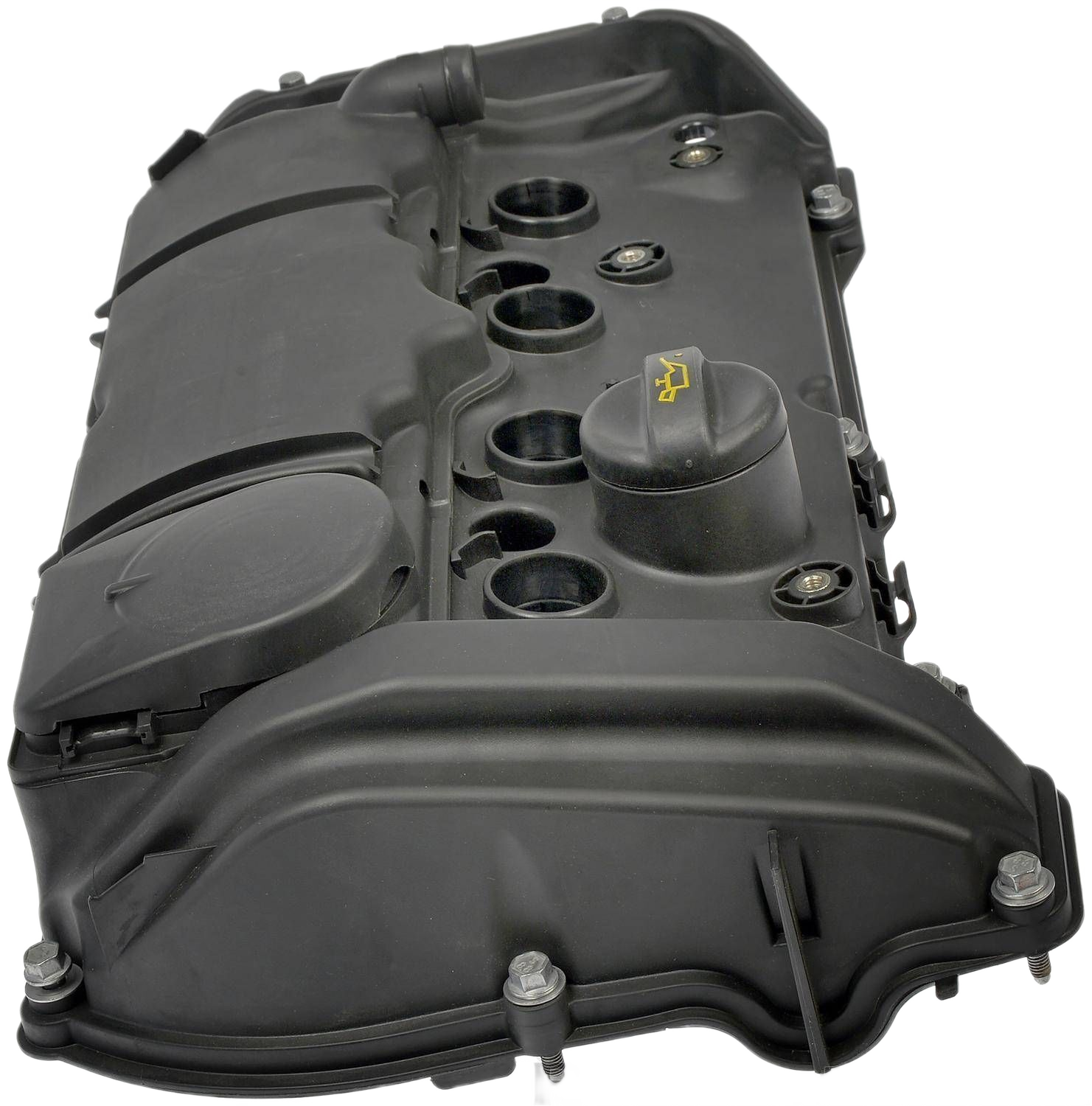
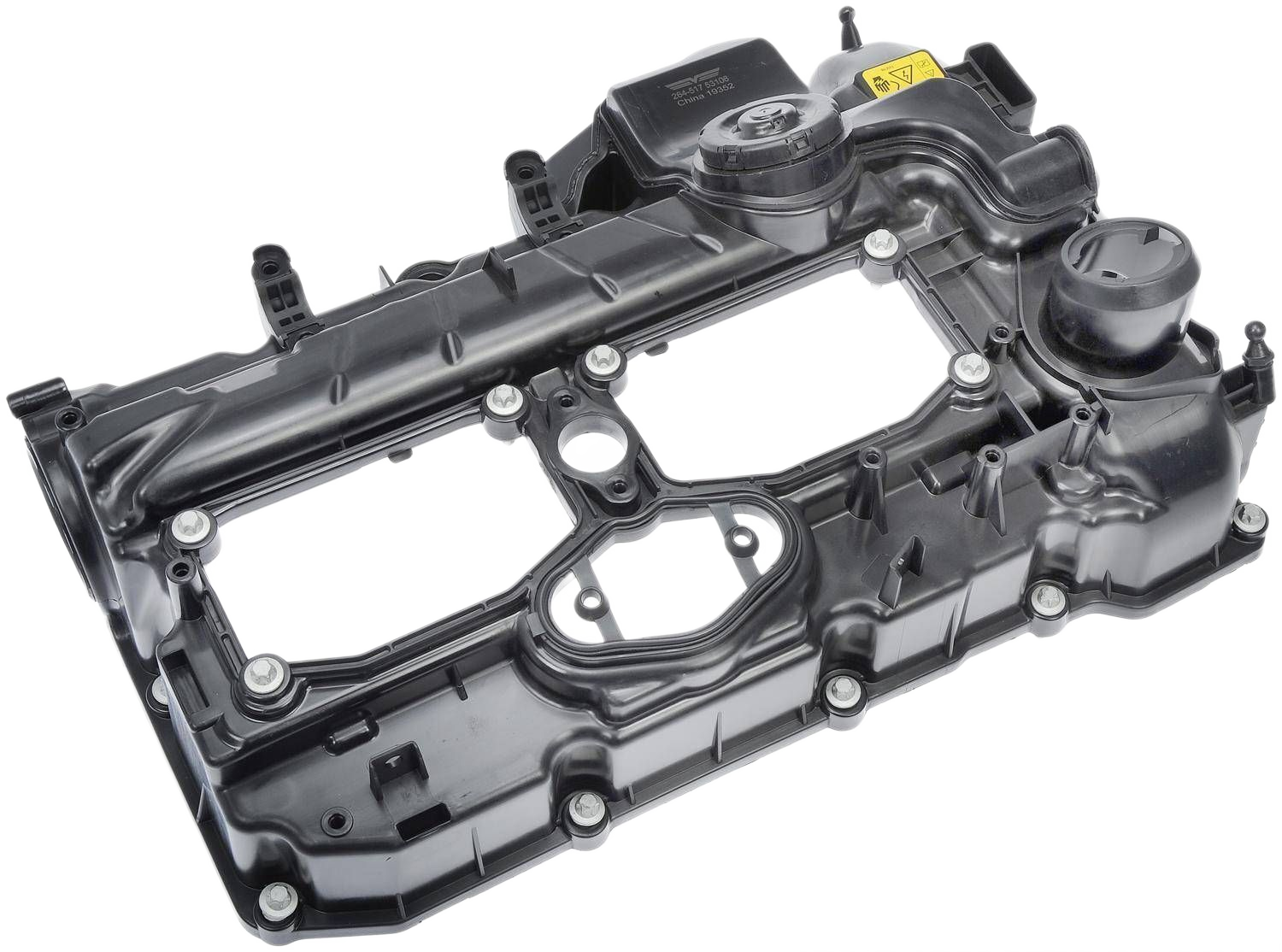
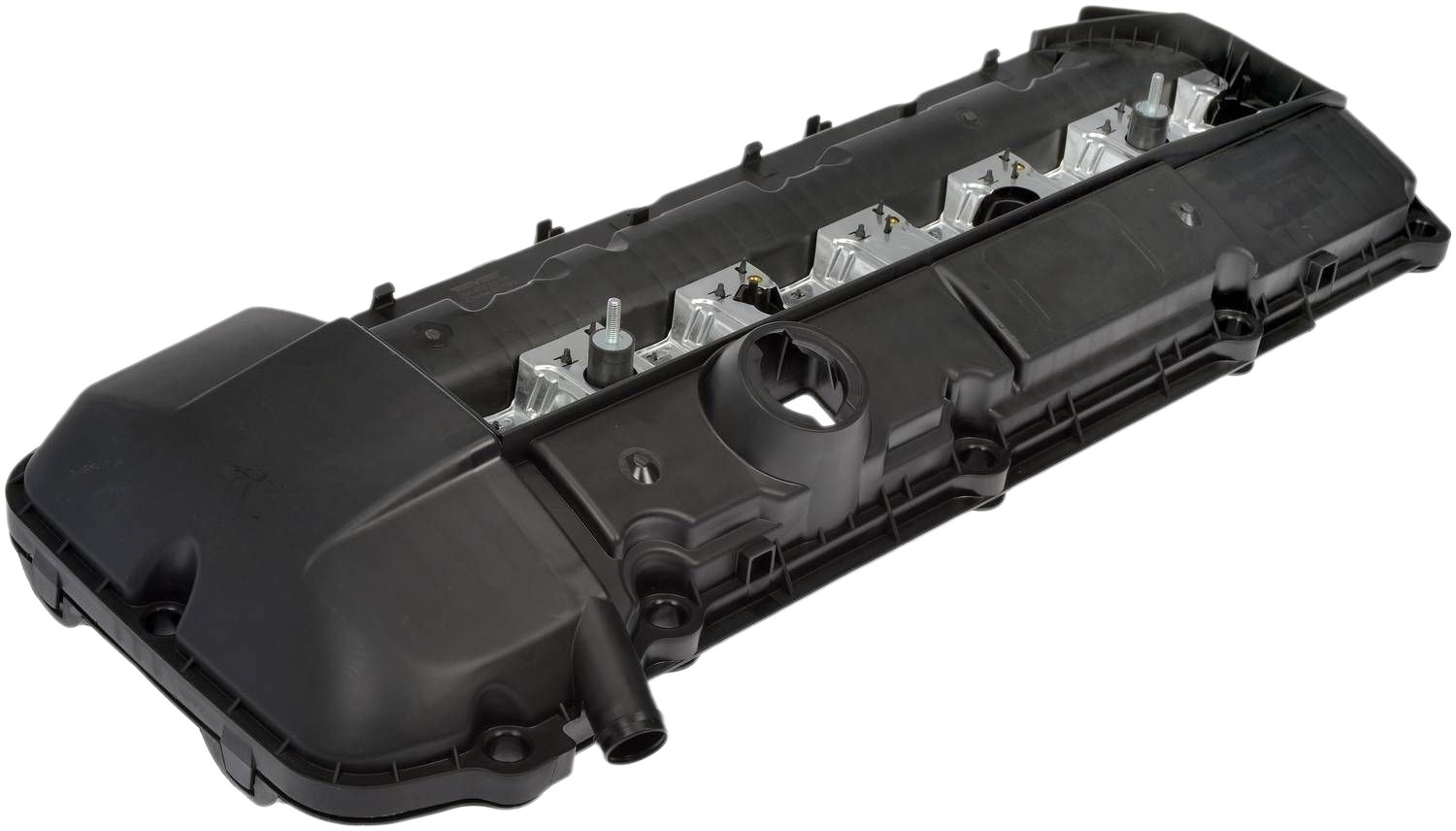
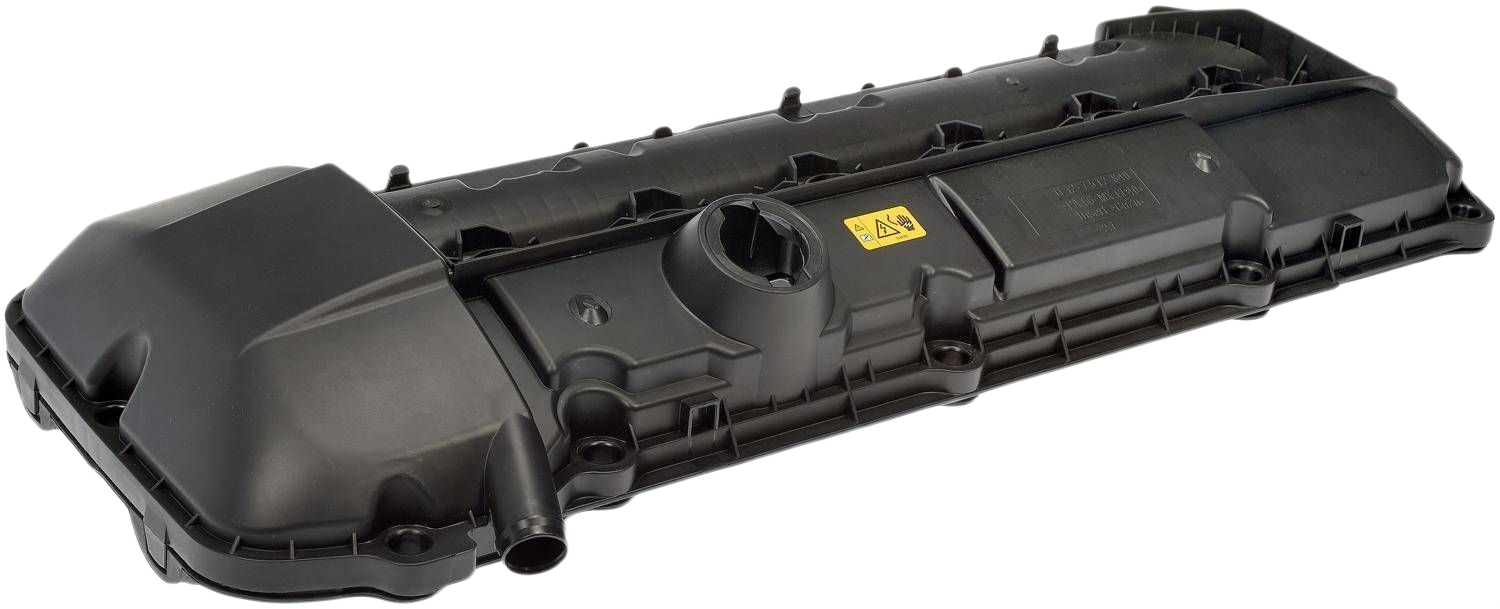
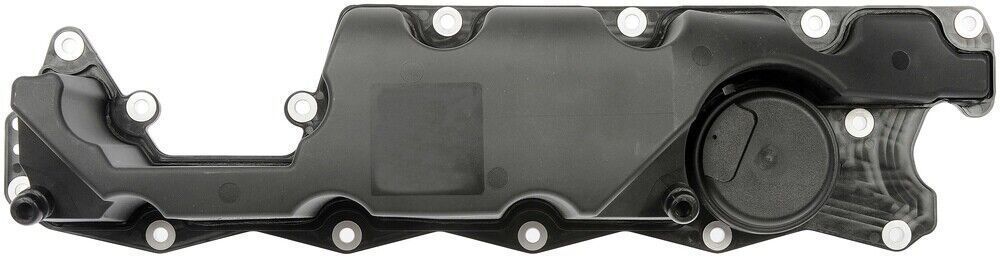
The valve cover, also known as a rocker cover, is the component that sits on top of the engine's cylinder head. It acts as a protective lid for the valvetrain, shielding the camshafts, rocker arms, and valve springs from dirt, dust, and moisture. Its most critical function, however, is to seal the top of the engine and prevent engine oil, which is constantly being splashed and sprayed to lubricate the valvetrain, from leaking out. Additionally, it provides a mounting point for the oil filler cap, PCV valve, and often ignition coils.
Functions of a Valve Cover
Contain Engine Oil
Its primary job is to create a leak-proof seal with the cylinder head, keeping lubricating oil inside the engine.
Protect the Valvetrain
It shields the precision components of the valvetrain from contamination by dirt, water, and debris.
Provide Component Mounting
It serves as a mounting point for the oil filler cap, PCV valve, and often coil-on-plug ignition systems.
Aid in Crankcase Ventilation
It is an integral part of the Positive Crankcase Ventilation (PCV) system, which helps to remove harmful blow-by gases from the engine.
Symptoms of a Failing Valve Cover (or Gasket)
While not immediately catastrophic, a leaking valve cover can lead to significant oil loss, fire hazards, and damage to other components like spark plugs and ignition coils.
Burning Oil Smell
This is the most common symptom, caused by oil leaking from the cover gasket and dripping onto the hot exhaust manifold.
Visible Oil Leak
Oil seepage and dirt accumulation around the perimeter of the valve cover are clear signs of a failed gasket.
Low Engine Oil Level
A significant leak can lead to a consistently low oil level between changes, which can endanger the entire engine.
Engine Misfire
If the spark plug tube seals fail, oil can fill the spark plug wells, shorting out the ignition coil and causing a misfire.
Best Practices for Installation
Thoroughly Clean Surfaces
Both the cylinder head and valve cover sealing surfaces must be perfectly clean and free of old gasket material and oil.
Always Use a New Gasket
Never reuse an old valve cover gasket. They are designed to be compressed once and will not reseal properly.
Follow Torque Sequence and Specs
Tighten the bolts in the specified sequence (usually from the center outwards) to the correct, low torque setting to avoid warping the cover.
Valve Cover vs. Cylinder Head
What is a Cylinder Head?
The cylinder head is the major engine component that the valve cover bolts onto. The cylinder head is a large, complex casting that contains the intake/exhaust ports, valves, and combustion chambers. The valve cover is simply the "lid" for the cylinder head.
| Attribute | Valve Cover | Cylinder Head |
|---|---|---|
| Function | Protective lid, oil seal | Manages engine breathing |
| Complexity | Simple (cover with baffles) | Extremely complex (ports, passages) |
| Failure Symptom | External oil leak | Overheating, internal leaks |
| Repair Cost | Low to moderate | Very high (major repair) |
If the Cylinder Head is a house, the Valve Cover is simply the roof.