


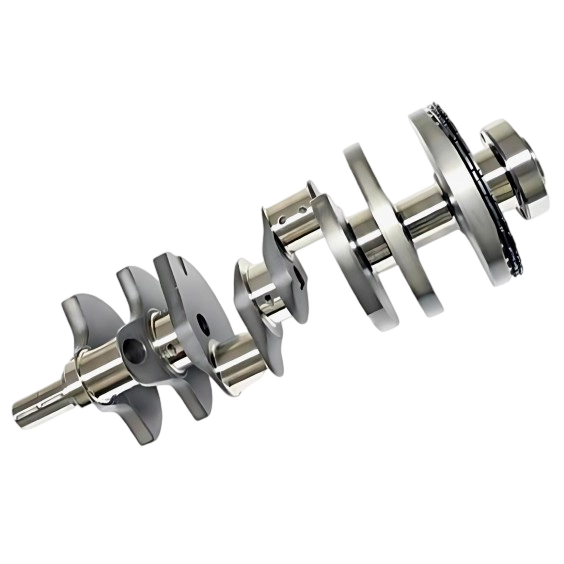
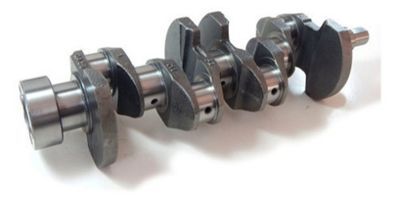
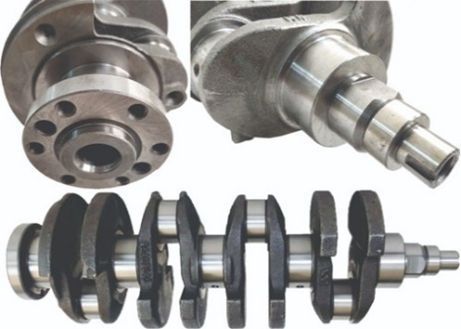
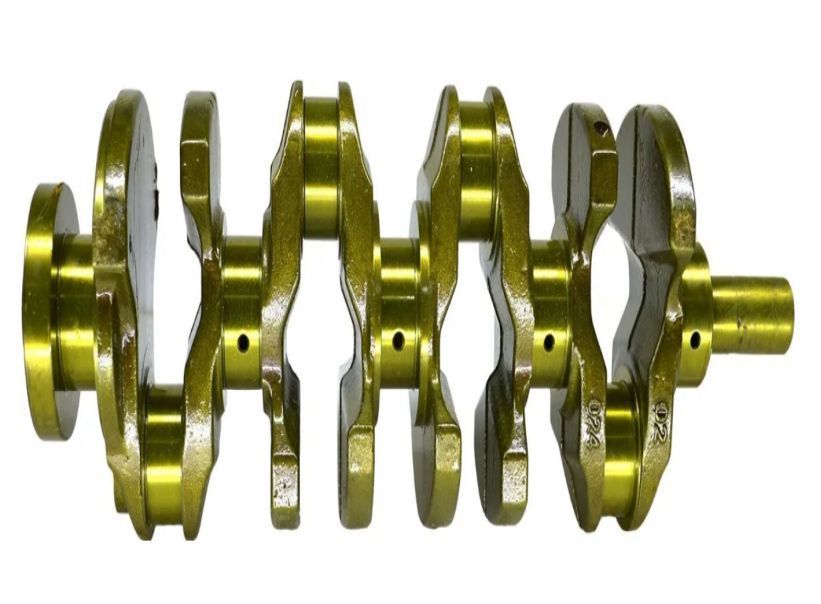
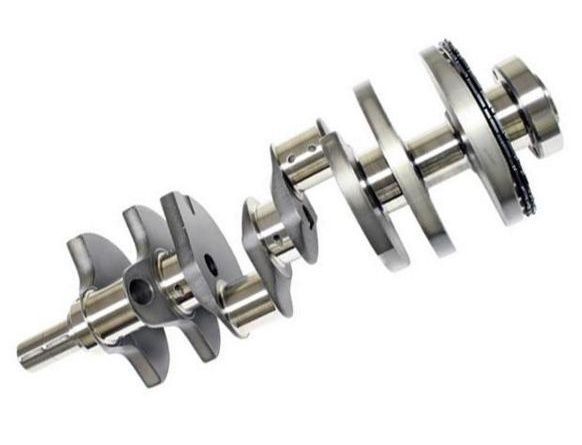
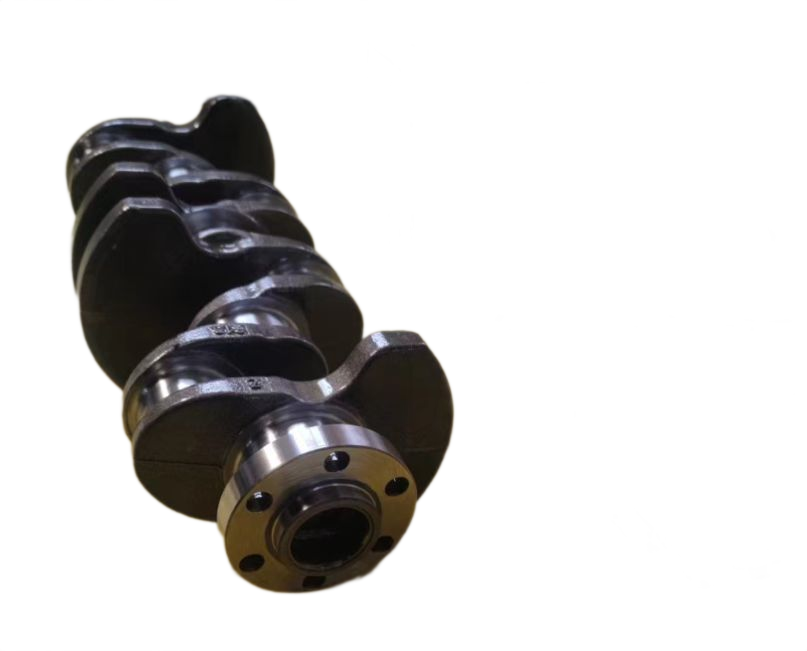
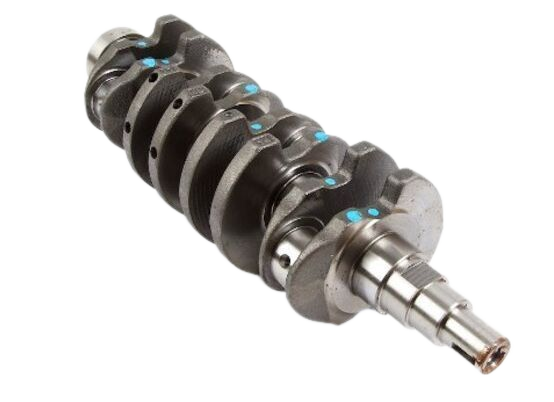
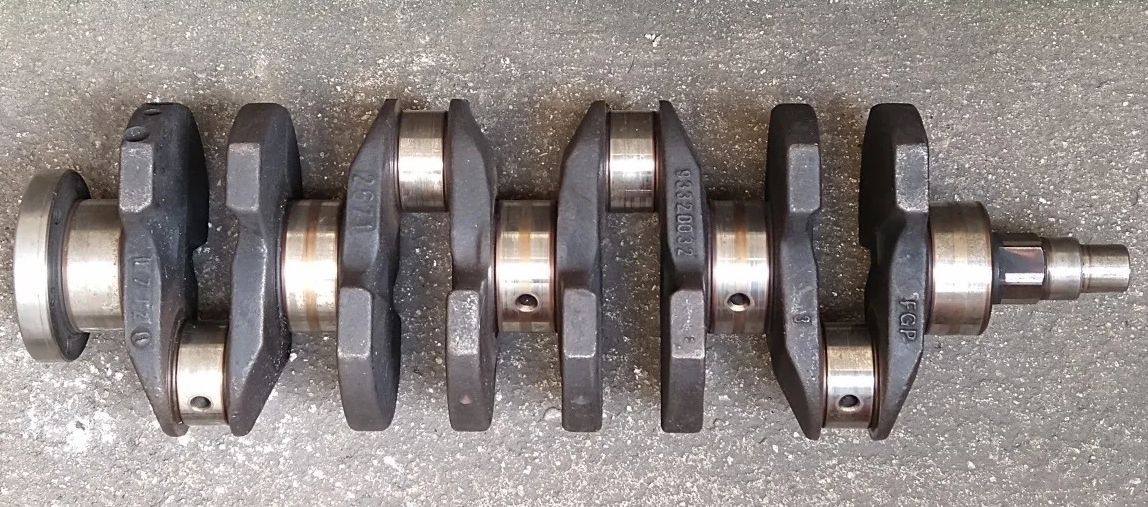
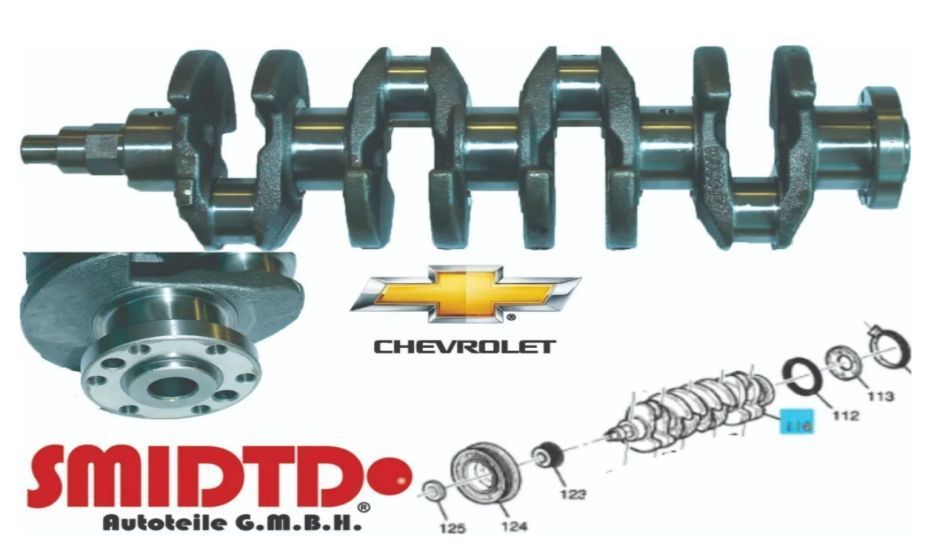
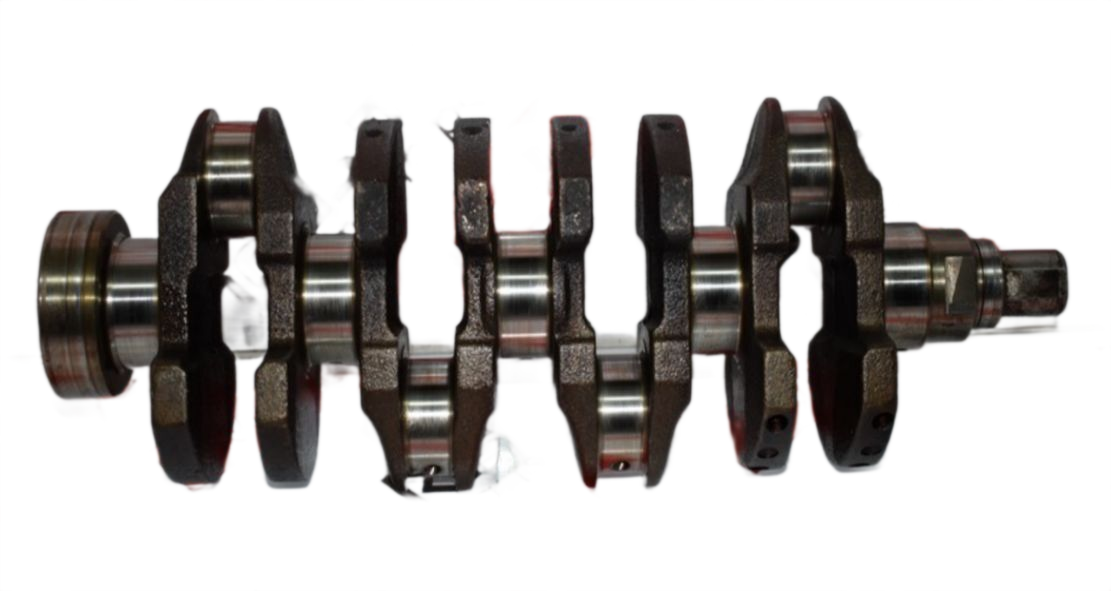
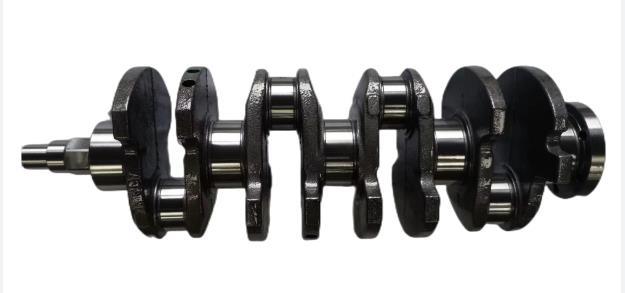
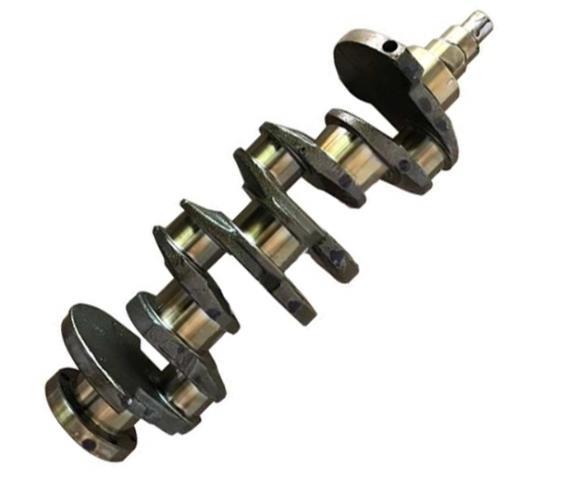
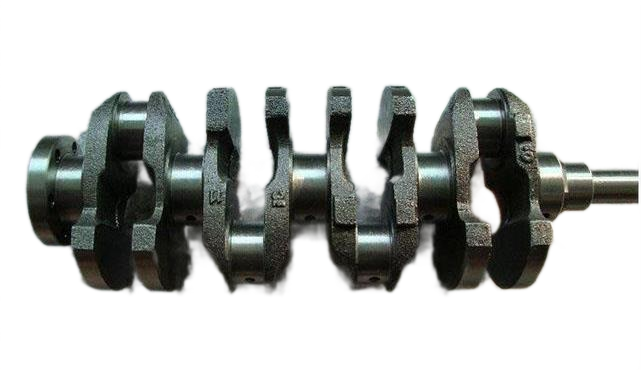
The crankshaft is the fundamental backbone of an internal combustion piston engine. This incredibly strong, precision-balanced shaft is located in the lower part of the engine block. Its primary and most essential function is to convert the reciprocating (up-and-down) motion of the pistons into rotational motion. As the pistons are forced down by combustion, they push on connecting rods which turn the crankshaft's "throws." This rotation is then transferred to the flywheel and transmission to power the vehicle. It is the component that turns the engine's explosive power into usable work.
Functions of a Crankshaft
Convert Motion
It converts the linear force from the pistons and connecting rods into the torque that rotates the drivetrain.
Drive the Valvetrain
The timing sprocket on the crankshaft's nose drives the timing chain or belt, ensuring the camshafts rotate in perfect synchronization.
Drive the Oil Pump
It directly or indirectly drives the oil pump, which is essential for circulating lubricating oil throughout the engine.
Power Accessories
The crankshaft pulley (harmonic balancer) attached to its nose drives all the engine's accessories via the serpentine belt.
Symptoms of a Failing Crankshaft
Crankshaft failure is among the most catastrophic and terminal events an engine can experience. Symptoms are severe and often mean the engine is already beyond simple repair.
Deep, Heavy Knocking Noise
A loud, deep "rod knock" from the bottom of the engine indicates a spun connecting rod bearing, which is destroying both the rod and the crankshaft journal.
Engine Seizure
A complete failure of the main or rod bearings will cause the crankshaft to seize, locking up the engine solid. It will not crank or turn over.
Excessive Metal Shavings in Oil
Finding significant amounts of glittery, metallic debris in the engine oil is a definitive sign of failing bearings and a damaged crankshaft.
Check Engine Light with Misfire Codes
A damaged reluctor wheel on the crankshaft can send erratic signals to the crank position sensor, causing misfires and stalling.
Crankshaft vs. Camshaft
What is a Camshaft?
The camshaft is a shaft with lobes that is driven by the crankshaft. Its job is to precisely open and close the engine's valves to control airflow. It determines the engine's breathing characteristics and powerband, rotating at exactly half the speed of the crankshaft.
| Attribute | Crankshaft | Camshaft |
|---|---|---|
| Function | Converts piston motion to rotation | Controls valve operation |
| Rotation Speed | Full engine RPM | Half of engine RPM |
| Location | Bottom of engine (Block) | Top of engine (Head/Block) |
| Role | Drives the entire engine | Is driven by the crankshaft |
The Crankshaft is the engine's powerful legs providing the motion; the Camshaft is the brain timing every breath.