


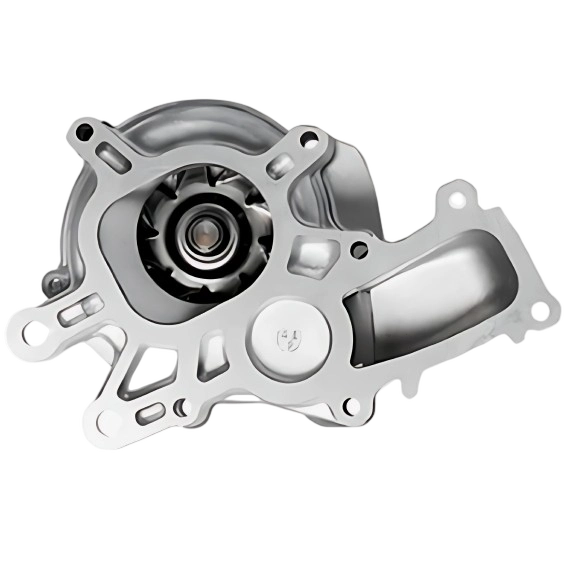
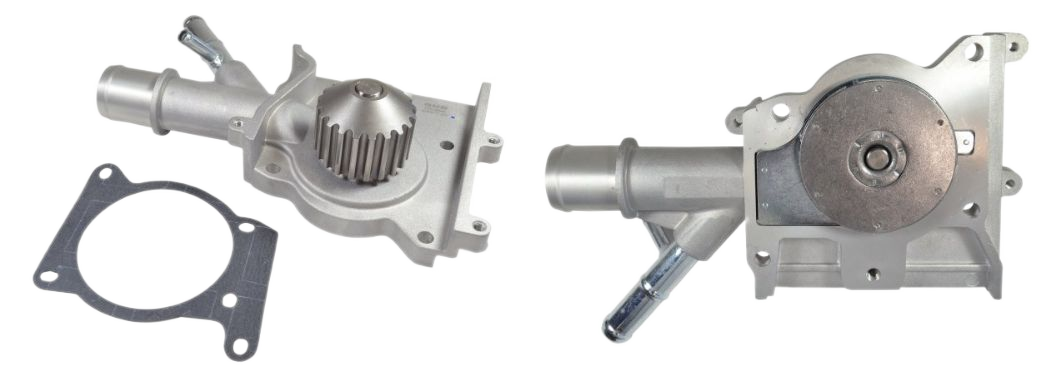
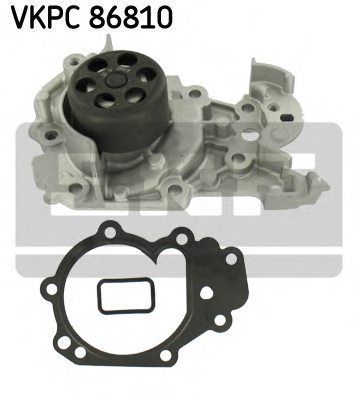
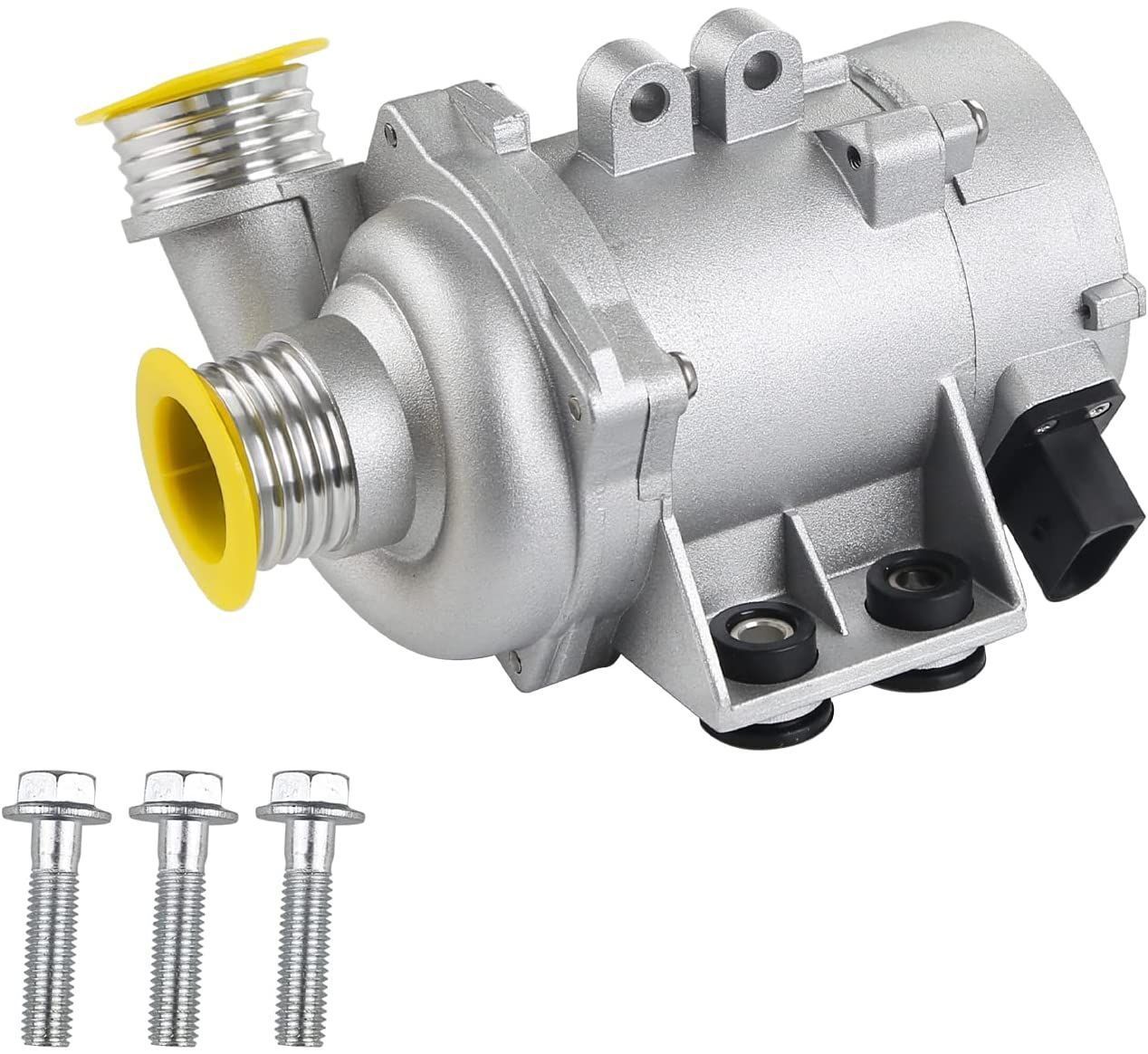
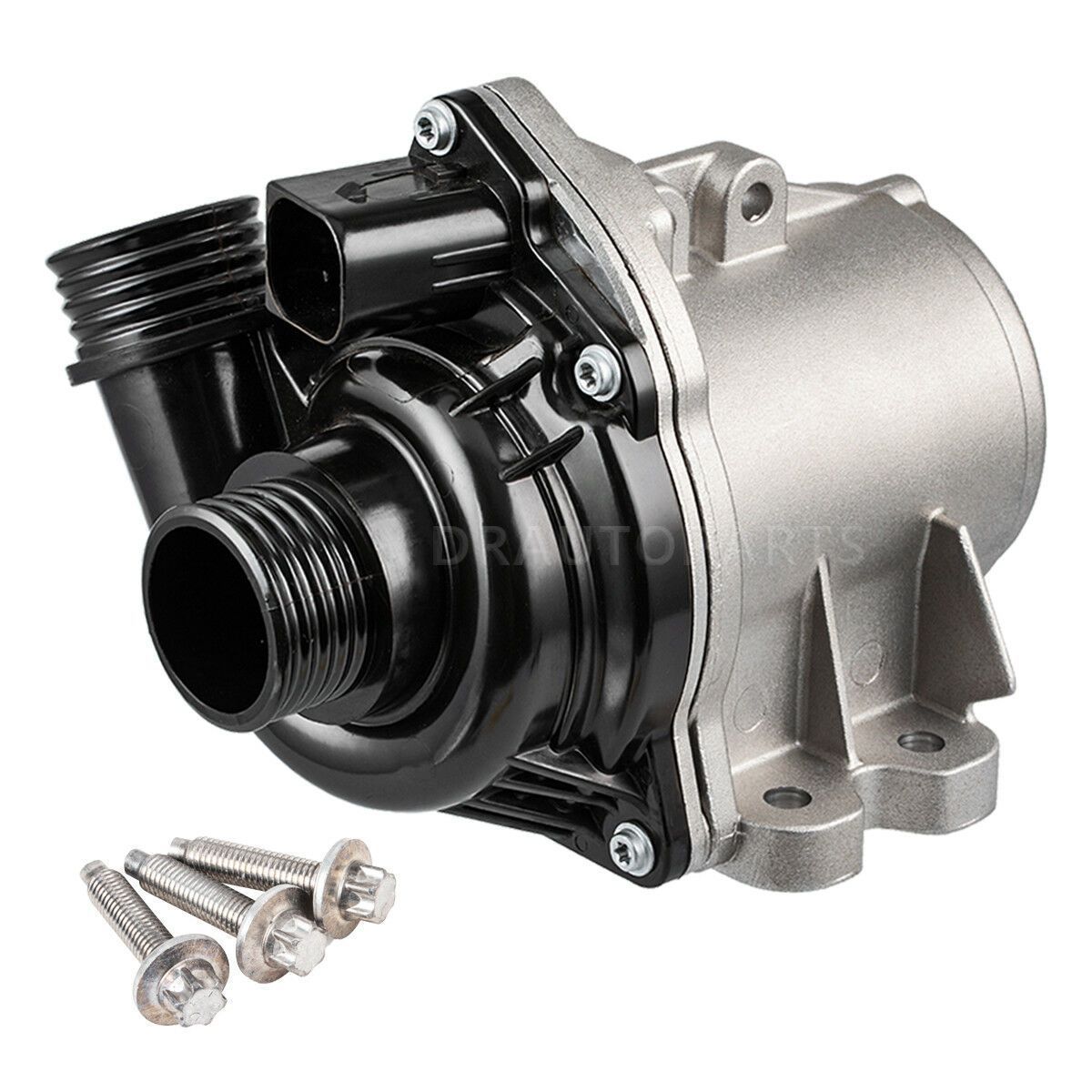


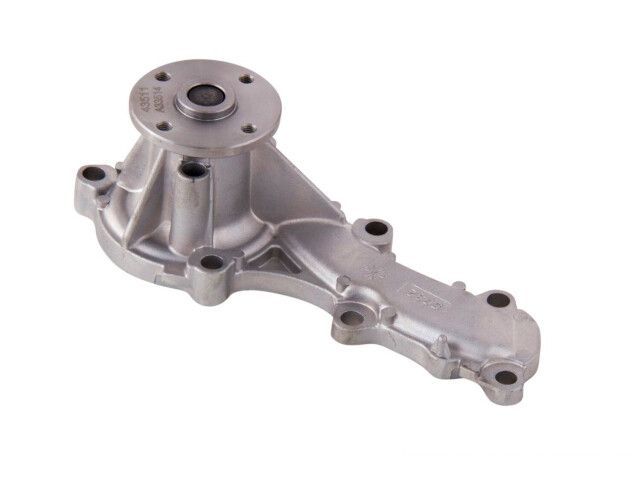
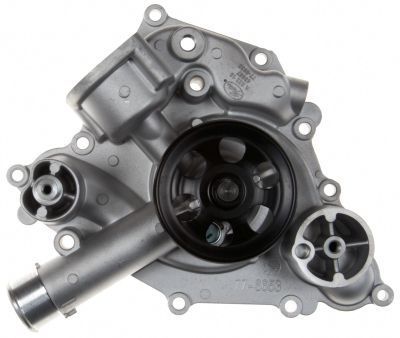
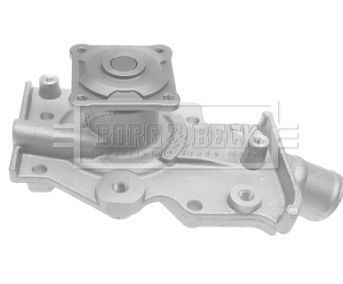
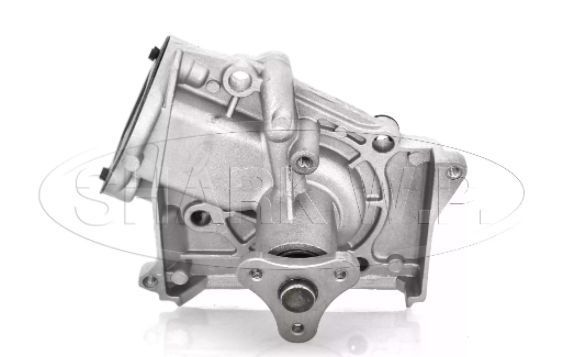
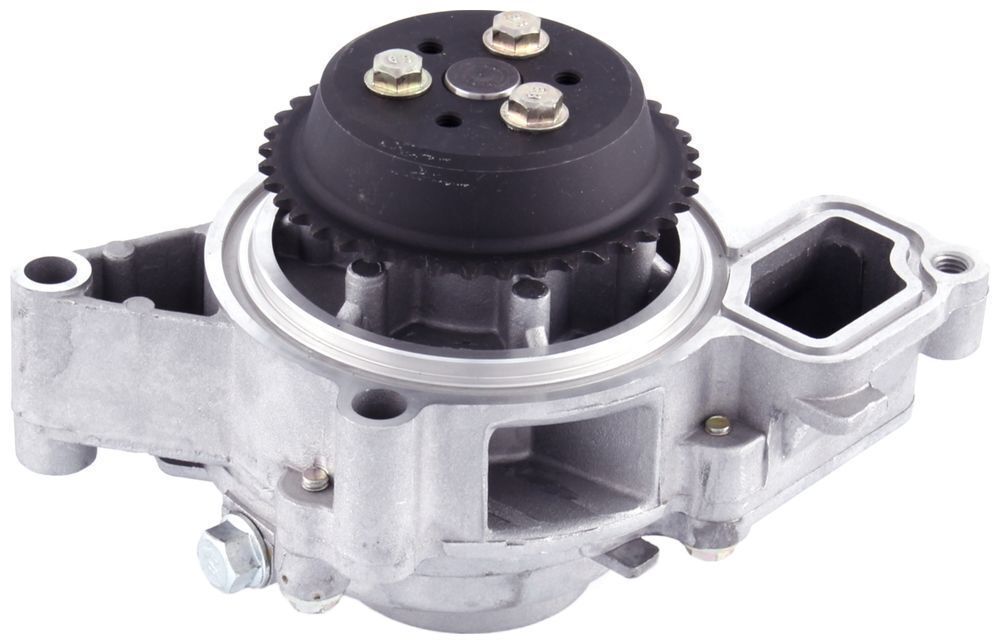
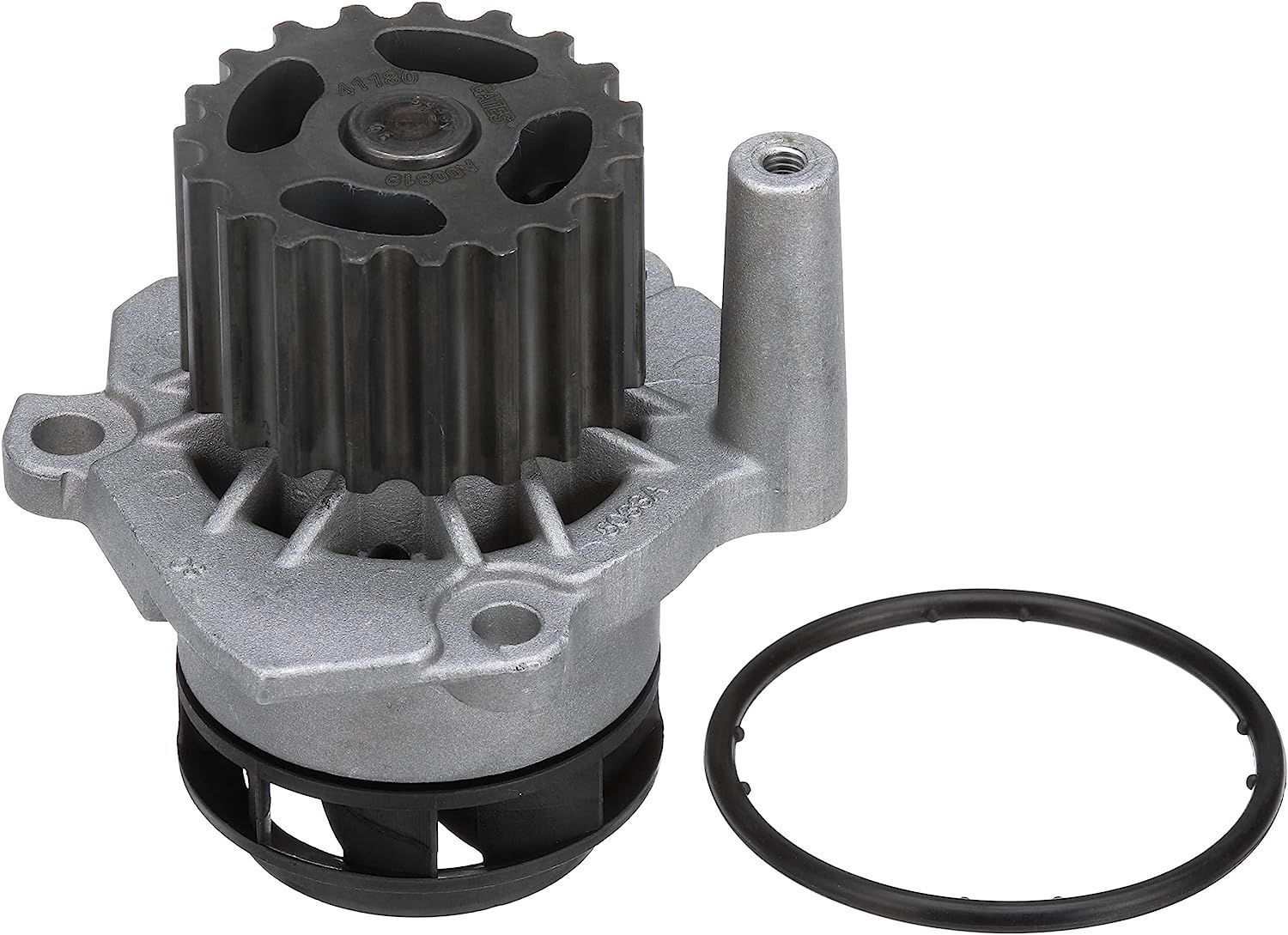
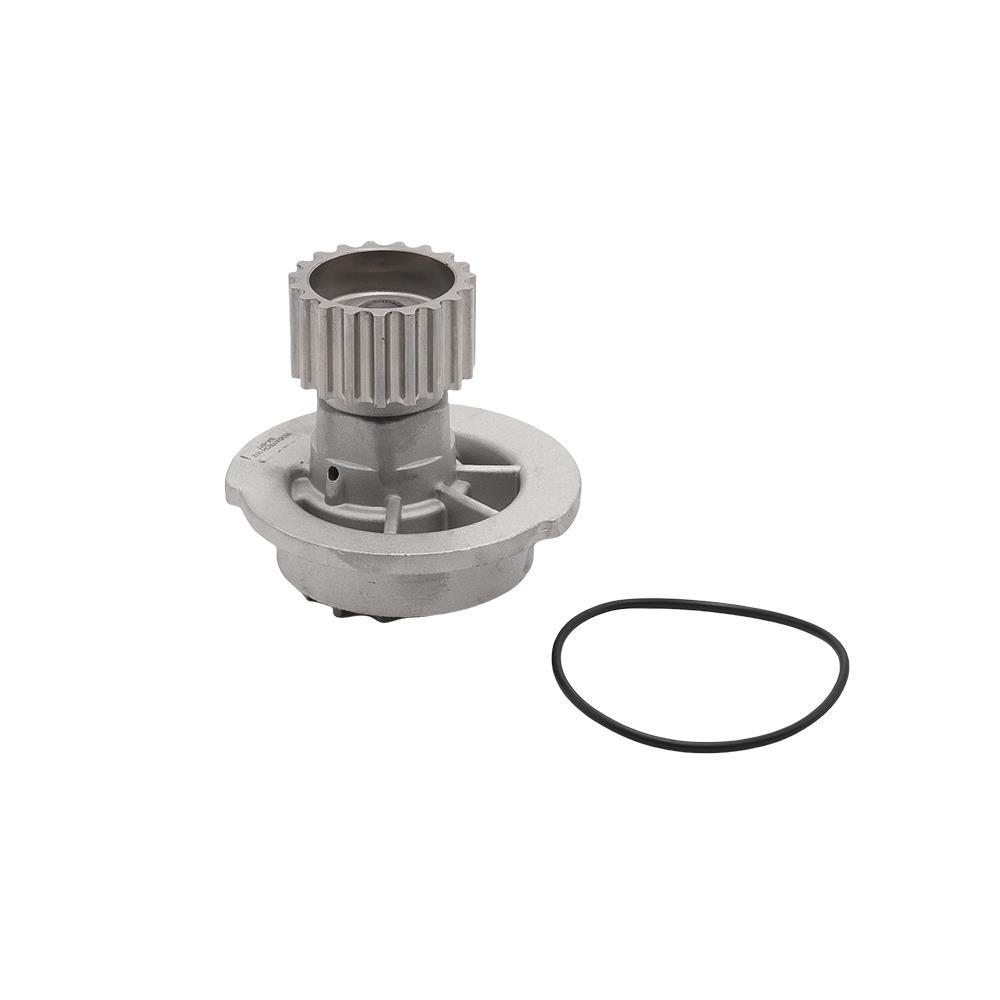
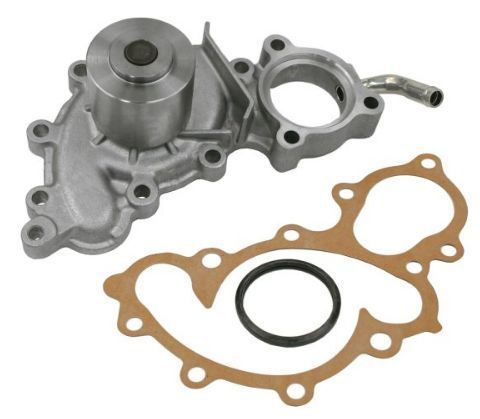
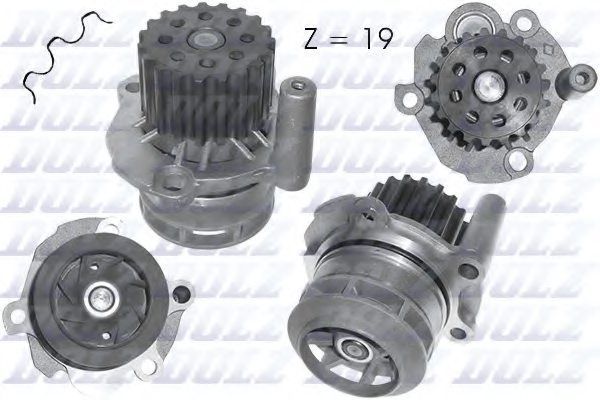
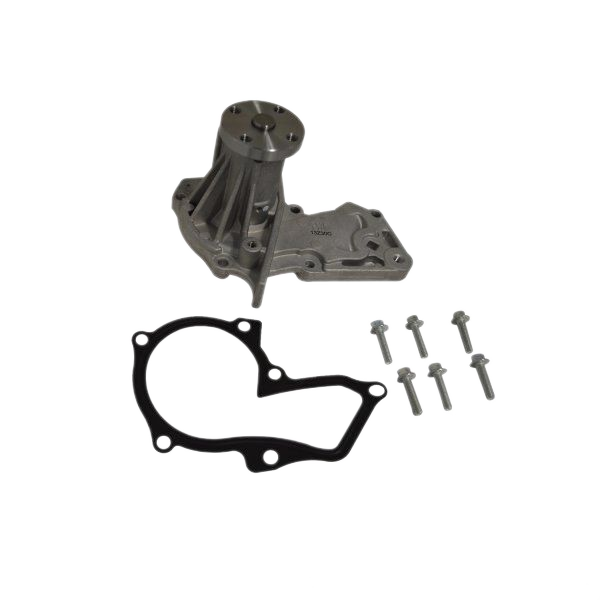
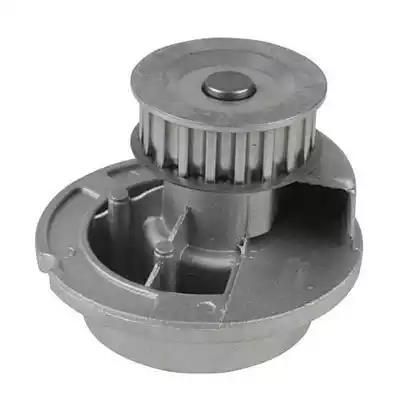
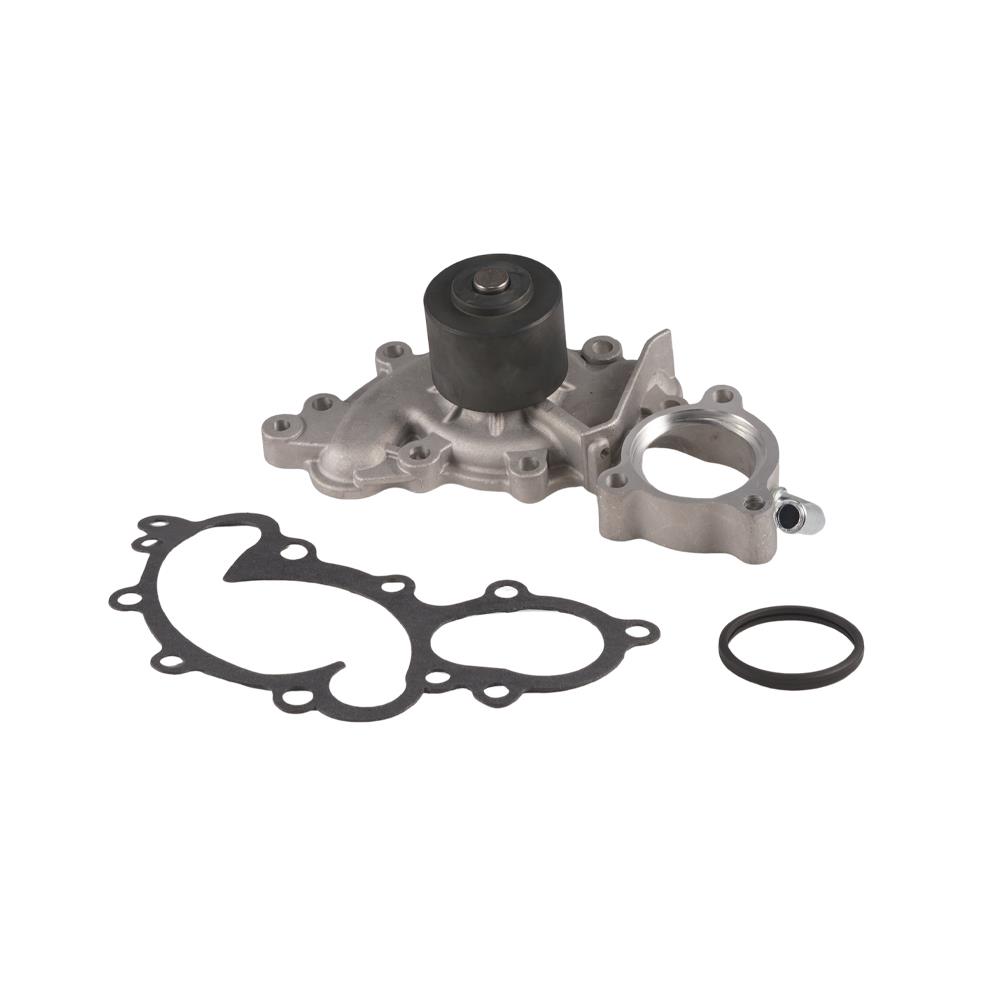
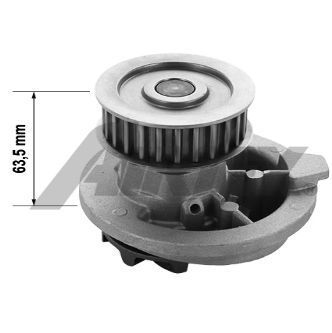
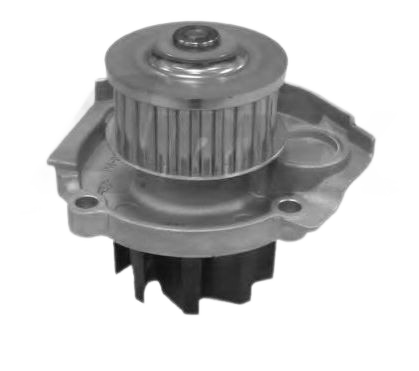
The water pump is the heart of an engine's cooling system. It is a belt-driven centrifugal pump that is responsible for continuously circulating coolant (a mixture of antifreeze and water) throughout the engine, radiator, and heater core. As the engine runs, the pump's internal impeller spins, pushing hot coolant from the engine block and cylinder head into the radiator to be cooled, while simultaneously drawing cooled fluid from the radiator back into the engine. This constant circulation is essential for absorbing excess heat from combustion and maintaining the engine's optimal operating temperature.
Functions of a Water Pump
Circulate Engine Coolant
Its primary function is to create the flow necessary to move coolant through the entire cooling system.
Prevent Overheating
By ensuring a constant flow of coolant, it effectively removes excess heat generated by the engine during operation.
Maintain Operating Temperature
Working with the thermostat, it helps keep the engine within its ideal temperature range for optimal efficiency and longevity.
Enable Heater Function
The pump is responsible for pushing hot coolant to the heater core, which is essential for providing heat to the vehicle's cabin.
Symptoms of a Failing Water Pump
Water pump failure will quickly lead to engine overheating, which can cause severe and expensive damage such as a warped cylinder head or a blown head gasket.
Coolant Leak
The most common sign. A leak from the pump's "weep hole" or main gasket will leave puddles or drips of coolant under the front of the engine.
Engine Overheating
If the pump's internal impeller fails or the bearing seizes, coolant will stop circulating, causing the temperature gauge to spike.
Grinding or Whining Noise
A constant high-pitched whining or a rough grinding sound from the front of the engine indicates a failing bearing inside the water pump.
Loose or Wobbling Pulley
If you can physically wiggle the water pump pulley, or if it visibly wobbles while running, the internal shaft bearing has completely failed.
Water Pump vs. Oil Pump
What is an Oil Pump?
The oil pump is the heart of the engine's lubrication system. Located inside the engine, it circulates engine oil under pressure to all moving parts, reducing friction and preventing wear. Its failure leads to catastrophic engine seizure due to lack of lubrication.
| Attribute | Water Pump | Oil Pump |
|---|---|---|
| Function | Engine Cooling | Engine Lubrication |
| Fluid | Coolant / Antifreeze | Engine Oil |
| Location | External (on engine front/side) | Internal (in oil pan) |
| Failure Symptom | Overheating, Coolant Leak | Low Oil Pressure, Engine Knock |
The Water Pump is the engine's sweat glands, providing cooling; the Oil Pump is its circulatory system, providing lifeblood.