


What is a Fuel Supply System?
A modern fuel supply system is a network of components that stores, filters, pressurizes, and delivers fuel from the tank to the engine's cylinders. It begins with the fuel pump inside the tank and ends with the fuel injectors spraying a fine, atomized mist of gasoline into the intake air stream or directly into the combustion chamber.

Key Fuel Supply System Parts:
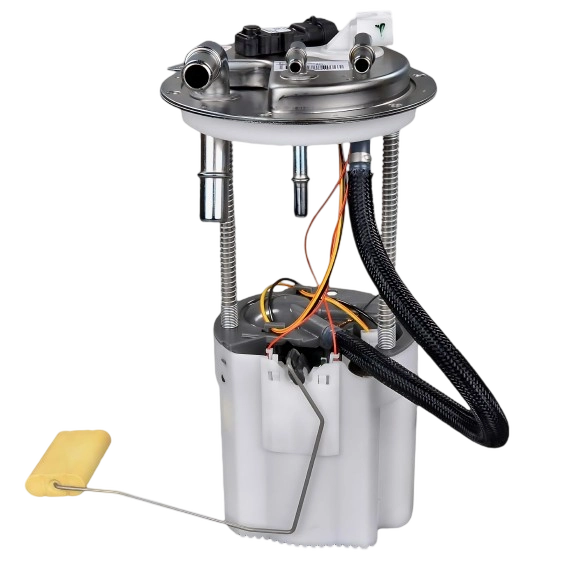
Fuel Pump
An electric pump, usually located in the fuel tank, that pressurizes the system.
Fuel Filter
Removes rust, dirt, and other contaminants from the fuel before it reaches the injectors.
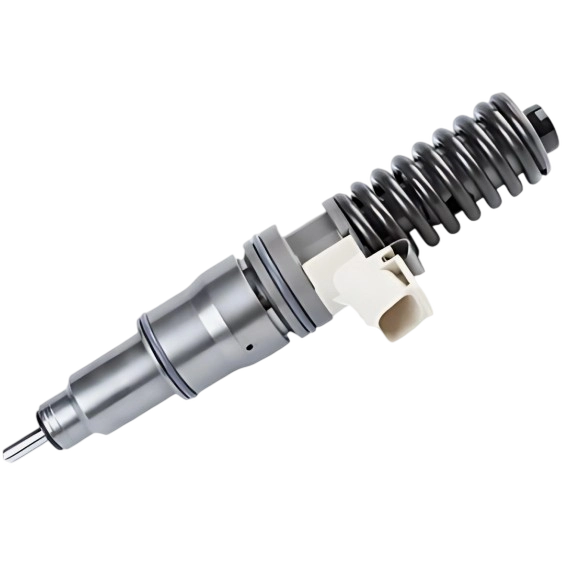
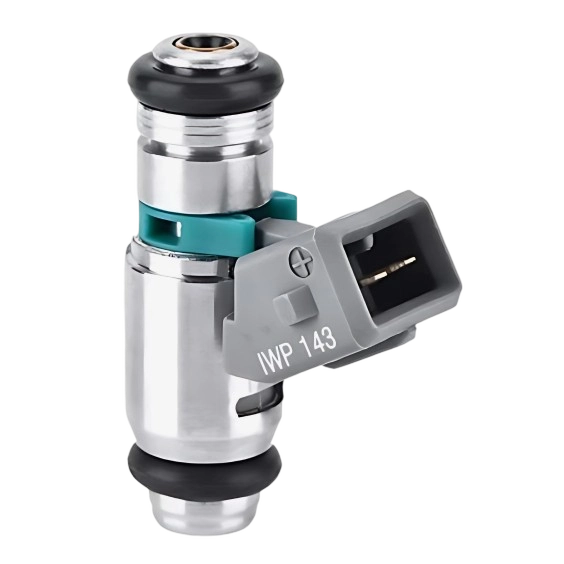
Fuel Injectors
Electronically controlled nozzles that spray a precise amount of fuel.
Fuel Pressure Regulator
Maintains a constant, specified fuel pressure in the fuel rail.
Fuel Rail
A pipe that holds high-pressure fuel and distributes it to the individual injectors.
Fuel Tank & Lines
The storage reservoir and the network of pipes and hoses that connect all components.
The Evolution: MPFI vs. GDI Systems
The most significant evolution in fuel delivery has been the move from injecting fuel into the intake port (MPFI) to injecting it directly into the combustion chamber (GDI). This change allows for greater precision, enabling higher efficiency and power output.

| System Type | Key Features | Pros & Cons |
|---|---|---|
| Multi-Port Fuel Injection (MPFI) | Injects fuel into the intake manifold, just before the intake valve. Operates at low pressure (~40-60 PSI). | Pro: Simple, reliable, keeps intake valves clean. Con: Less precise fuel control. |
| Gasoline Direct Injection (GDI) | Injects fuel directly into the cylinder. Requires extremely high pressures (~500-3000+ PSI). | Pro: Higher efficiency and power. Con: Carbon buildup on intake valves, more complex. |
The Critical Role of the Fuel Pump and Filter
The electric fuel pump and fuel filter form the foundation of the system's reliability. The pump must consistently deliver the correct pressure and volume of fuel, while the filter must protect the high-precision injectors from microscopic contaminants that can cause clogs and poor performance.
The Fuel Pump's Role
A weak pump cannot supply enough fuel under load, causing hesitation, stalling, and power loss. Consistent pressure is key.
The Fuel Filter's Role
A clogged filter restricts fuel flow, starving the engine. It is the single most important component for protecting expensive injectors.
Our Commitment: Our fuel pumps feature efficient turbine designs and are 100% flow-tested to meet OE specifications. Our filters use high-efficiency, multi-layer media to capture even the smallest particles, ensuring system longevity.
Why Choose FOCUSON ENGINE® Fuel System Parts?
Advanced Pump Technology
Benefit: Quiet, efficient turbine or gerotor pumps with carbon commutators for maximum durability and service life.
Precision-Matched Injectors
Benefit: 100% tested to match OE flow rates and spray patterns, ensuring a balanced, efficient engine.
Superior Filtration Media
Benefit: Our filters provide maximum particle capture efficiency without restricting fuel flow, protecting vital components.
Complete Pump Assemblies
Benefit: Providing the complete module—pump, strainer, sending unit, and housing—ensures a fast and reliable repair.
Frequently Asked Questions
What are the symptoms of a clogged fuel filter?
A clogged filter restricts fuel flow, causing engine hesitation under load, difficulty starting, rough idling, and poor overall performance.
How often should I change the fuel filter?
Service intervals vary, but a good rule of thumb is every 20,000 to 40,000 miles (32,000-64,000 km). Many modern vehicles have a non-serviceable filter inside the fuel tank, which is replaced with the pump.
What causes a fuel pump to fail?
The most common causes are contamination from dirt or rust in the tank, and overheating. Consistently driving on a very low tank of fuel can cause the pump to overheat, as it relies on the surrounding fuel for cooling.
Can a bad fuel pressure regulator cause problems?
Yes. If it fails and provides too much pressure, the engine will run rich, causing poor fuel economy and black smoke. If it provides too little pressure, the engine will run lean, causing hesitation and misfires.