


What are Manifolds and their Parts?
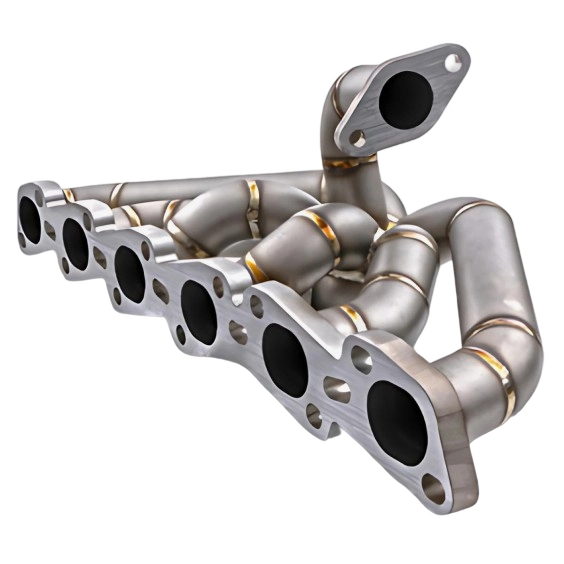
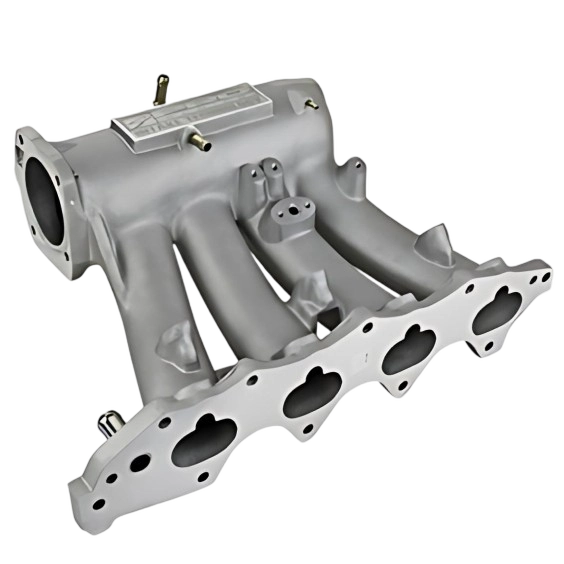
Engine manifolds are sets of pipes that route gases. The Intake Manifold distributes the air-fuel mixture evenly to each cylinder, while the Exhaust Manifold collects hot exhaust gases from the cylinders and directs them into the exhaust system. Gaskets are critical for sealing the connection between the manifolds and the engine.

Key Manifold System Parts:
Intake Manifold
Distributes air to the cylinder head ports. Often made of aluminum or composite plastic.
Exhaust Manifold
Collects exhaust gases. Typically made of heavy cast iron to withstand extreme heat.
Manifold Hardware
Specialized studs, bolts, and nuts designed to handle heat and vibration.
The Evolution: Manifold Material Technology
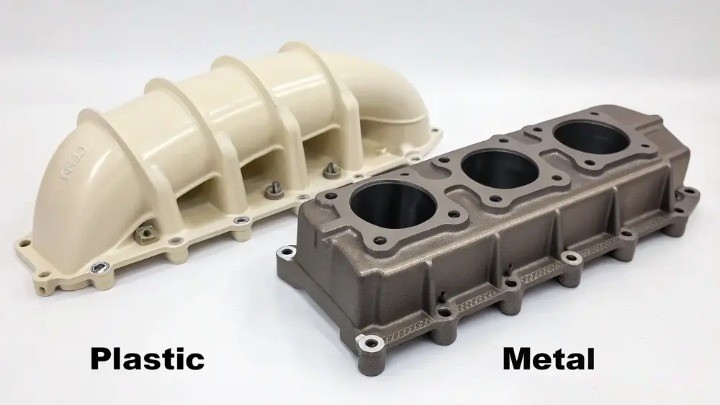
Intake manifold materials have evolved dramatically from heavy cast iron to lightweight aluminum and, most recently, advanced composite plastics. This evolution is driven by the need for weight reduction, improved airflow dynamics, and lower manufacturing costs.
| Intake Material | Key Features | Pros & Cons |
|---|---|---|
| Cast Iron | Extremely durable but very heavy and retains heat. | Pro: Strong. Con: Heavy, heats incoming air, reducing density. |
| Aluminum | Much lighter than iron and dissipates heat well. | Pro: Lightweight, good performance. Con: More costly than iron. |
| Composite Plastic | Very lightweight, heat-resistant, and can be molded into complex shapes for ideal airflow. | Pro: Light, cool air charge, smooth runners. Con: Can crack or warp with age. |
The Critical Role of Manifold Gasket Sealing
The integrity of the manifold gasket is absolutely critical. A leaking intake gasket creates a vacuum leak, allowing unmetered air to enter the engine, which disrupts the air-fuel ratio. A leaking exhaust gasket allows hot, dangerous gases to escape, creating noise and affecting sensor readings.
Intake Vacuum Leaks
Cause lean running conditions, rough idle, hesitation, and will trigger a Check Engine Light (e.g., P0171/P0174 codes).
Exhaust Pressure Leaks
Result in loud ticking noises (especially when cold), the smell of fumes, and can confuse oxygen sensors, hurting fuel economy.
Our Commitment: Our gaskets are engineered for a perfect seal. We use premium molded rubber for intake applications and multi-layer steel (MLS) for exhaust manifolds to handle extreme temperatures and prevent leaks.
Why Choose FOCUSON ENGINE® Manifold Parts?
Advanced Composite Intakes
Benefit: Our plastic manifolds use improved, high-grade polymers to resist cracking and warping common in original parts.
Durable Exhaust Manifolds
Benefit: Made from high-quality ductile iron or stainless steel to withstand thermal cycles and prevent cracking.
Problem-Solver Gaskets
Benefit: Gaskets are designed with premium materials that often exceed OE quality to provide a superior, long-lasting seal.
Complete Hardware Kits
Benefit: Including new studs, nuts, and bolts with our manifolds ensures proper torque and prevents issues from old, fatigued hardware.
Frequently Asked Questions
What causes a ticking noise from the engine bay?
A common cause is a leaking exhaust manifold gasket or a crack in the manifold itself. The leak allows small puffs of exhaust to escape, creating a distinct ticking sound that is often loudest when the engine is cold.
Why do plastic intake manifolds fail?
Over many heat cycles, the composite plastic can become brittle and crack, or the molded gasket seals can degrade, causing coolant or vacuum leaks. Seams where plastic parts are welded together are common failure points.
Should I replace hardware when replacing a manifold?
Yes, especially for exhaust manifolds. The original studs and bolts are exposed to extreme heat cycles, which can cause them to stretch, weaken, or become brittle. Using new hardware ensures correct clamping force and prevents breakage.
What is a "tuned" intake runner?
This refers to the length and diameter of the pipes (runners) inside an intake manifold. Engineers design them to create resonance waves that help push more air into the cylinders at specific RPM ranges, boosting engine torque.