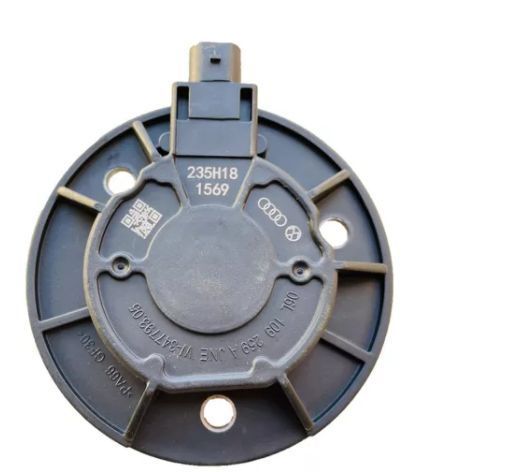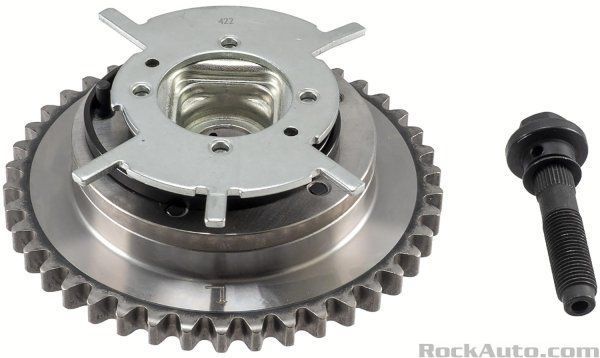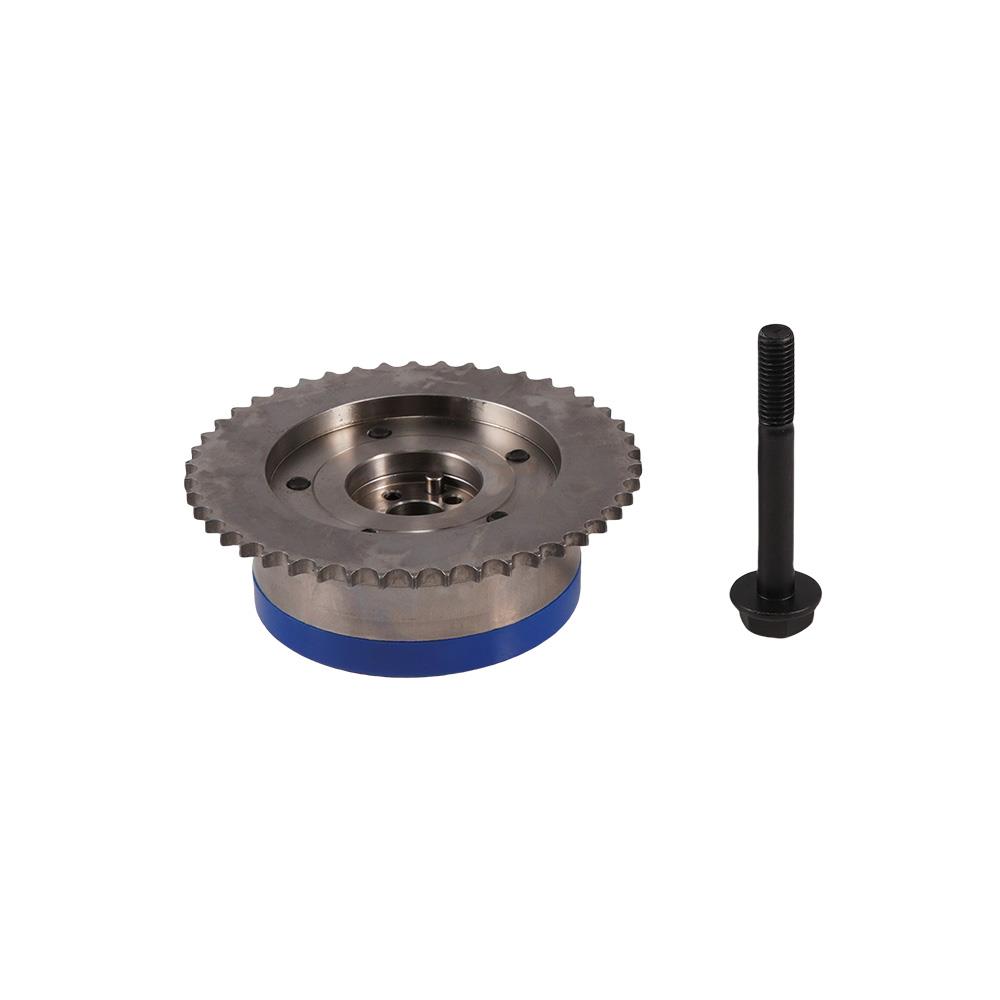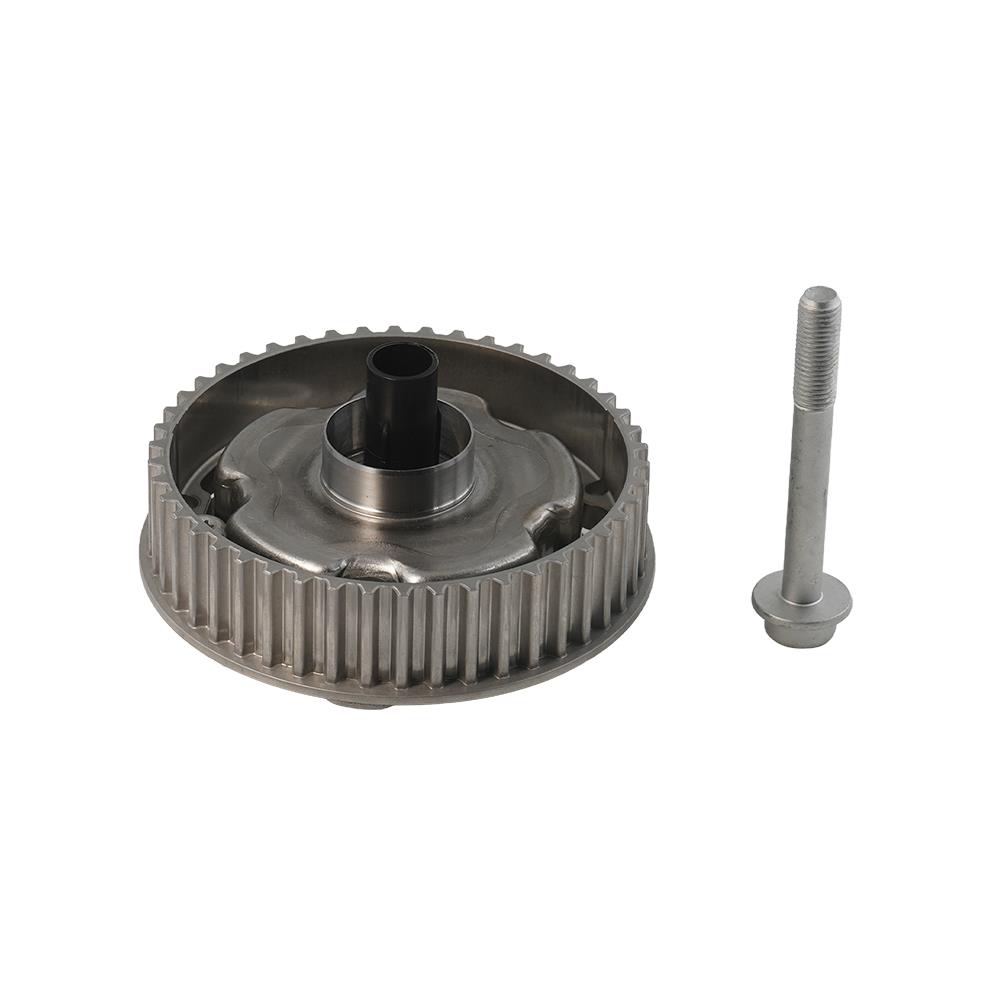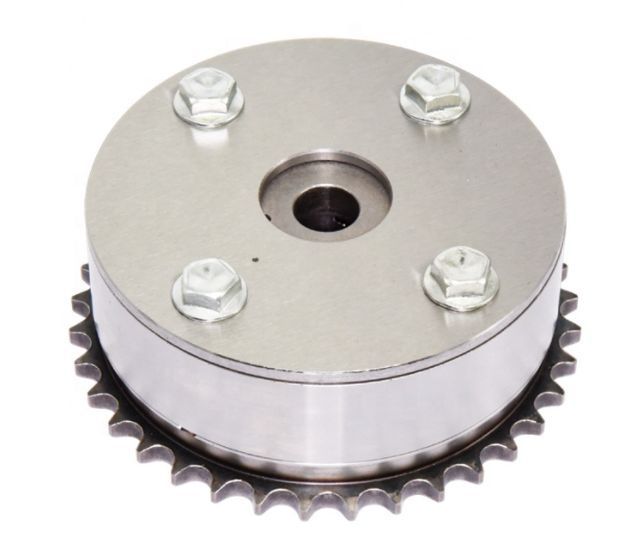

Article number: TV21003 FOCUSON ENGINE's product is cross-referenced with this one.
The camshaft phaser adjusts the timing of the camshaft to optimize engine performance, improving fuel efficiency and power delivery at various engine speeds.
Tailored for wholesale and OEM needs, our 21-7012 support OE number cross-reference. Please consult our sales team for MOQ and procurement details.
Details
|
Number of Teeth 36 |
|
Engine Timing Chain |
|
Valve type for inlet valves |
OEM Numbers
Interchange Numbers
Vehicle Fitment
| Make | Model | Type | Engine Code | Capacity | Fuel Type | Year | Power |
|---|
| TOYOTA | PREVIA II (_R3_) | 2.4 (ACR30) | 2AZ-FE | 2362 CCM / 2.4 L | Petrol | 2000-02-01 2006-02-01 |
115 KW / 156 PS |
| TOYOTA | AVENSIS Liftback (_T22_) | 2.0 (AZT220_) | 1AZ-FSE | 1998 CCM / 2.0 L | Petrol | 2000-10-01 2003-02-01 |
110 KW / 150 PS |
| TOYOTA | AVENSIS (_T22_) | 2.0 VVT-i (AZT220_) | 1AZ-FSE | 1998 CCM / 2.0 L | Petrol | 2000-10-01 2003-02-01 |
110 KW / 150 PS |
| TOYOTA | AVENSIS Estate (_T22_) | 2.0 (AZT220_) | 1AZ-FSE | 1998 CCM / 2.0 L | Petrol | 2000-10-01 2003-02-01 |
110 KW / 150 PS |
| TOYOTA | AVENSIS VERSO (_M2_) | 2.0 (ACM20_) | 1AZ-FE | 1998 CCM / 2.0 L | Petrol | 2001-08-01 2009-11-01 |
110 KW / 150 PS |
| TOYOTA | CAMRY Saloon (_V3_) | 2.4 (ACV30, ACV36) | 2AZ-FE | 2362 CCM / 2.4 L | Petrol | 2001-11-01 2006-11-01 |
112 KW / 152 PS |
| TOYOTA | AVENSIS Saloon (_T25_) | 2.0 (AZT250_) | 1AZ-FSE | 1998 CCM / 2.0 L | Petrol | 2003-04-01 2008-11-01 |
108 KW / 147 PS |
| TOYOTA | AVENSIS Estate (_T25_) | 2.0 (AZT250_) | 1AZ-FSE | 1998 CCM / 2.0 L | Petrol | 2003-04-01 2008-11-01 |
108 KW / 147 PS |
| TOYOTA | AVENSIS (_T25_) | 2.0 (AZT250_) | 1AZ-FSE | 1998 CCM / 2.0 L | Petrol | 2003-03-01 2008-11-01 |
108 KW / 147 PS |
| TOYOTA | AVENSIS Saloon (_T25_) | 2.4 (AZT251_) | 2AZ-FSE | 2362 CCM / 2.4 L | Petrol | 2003-10-01 2008-10-01 |
120 KW / 163 PS |
| TOYOTA | AVENSIS (_T25_) | 2.4 (AZT251_) | 2AZ-FSE | 2362 CCM / 2.4 L | Petrol | 2003-10-01 2008-10-01 |
120 KW / 163 PS |
| TOYOTA | AVENSIS Estate (_T25_) | 2.4 (AZT251_) | 2AZ-FSE | 2362 CCM / 2.4 L | Petrol | 2003-10-01 2008-10-01 |
120 KW / 163 PS |
| TOYOTA | RAV 4 III (_A3_) | 2.0 4WD (ACA30_) | 1AZ-FE | 1998 CCM / 2.0 L | Petrol | 2006-02-01 2013-06-01 |
112 KW / 152 PS |
Overview
| Car models | TOYOTA PREVIA II (_R3_); TOYOTA AVENSIS Liftback (_T22_); TOYOTA AVENSIS (_T22_); TOYOTA AVENSIS Estate (_T22_); TOYOTA AVENSIS VERSO (_M2_); TOYOTA CAMRY Saloon (_V3_); TOYOTA AVENSIS Saloon (_T25_); TOYOTA AVENSIS Estate (_T25_); TOYOTA AVENSIS (_T25_); TOYOTA RAV 4 III (_A3_) |
| Engines | 2AZ-FE; 1AZ-FSE; 1AZ-FE; 2AZ-FSE |
| Engine power (horsepower) | 147-163 HP |
| Power (kilowatts) | 108-120 KW |
| Year of manufacture | 2000-2013 |
FAQs
A camshaft phaser is a key component in a variable valve timing (VVT) system. It adjusts the position of the camshaft relative to the crankshaft, allowing precise control of valve timing for better engine performance, fuel efficiency, and emissions control.
A camshaft phaser uses oil pressure or an electric motor to adjust the camshaft’s angle. It’s controlled by the engine control unit (ECU), which calculates the optimal timing based on engine speed, load, and other parameters.
Improved engine performance at all RPM ranges. Increased fuel efficiency. Reduced emissions. Enhanced torque and power output.
Hydraulic camshaft phasers: Use oil pressure to adjust the camshaft angle. Electric camshaft phasers: Use electric motors for faster and more precise adjustments.
Ticking or rattling noises from the engine, especially during startup. Reduced fuel efficiency. Loss of engine power. Engine misfires or rough idling. Check engine light illuminated (often with VVT-related error codes).
With proper maintenance, a camshaft phaser can last the lifetime of the engine. However, poor oil maintenance or high mileage can lead to wear and failure.
Driving with a bad camshaft phaser is not recommended. It can cause engine performance issues, increased emissions, and potential damage to other components in the valve timing system.
Insufficient or dirty engine oil. Lack of regular oil changes. Worn or damaged internal components. Faulty VVT solenoid or control valve.