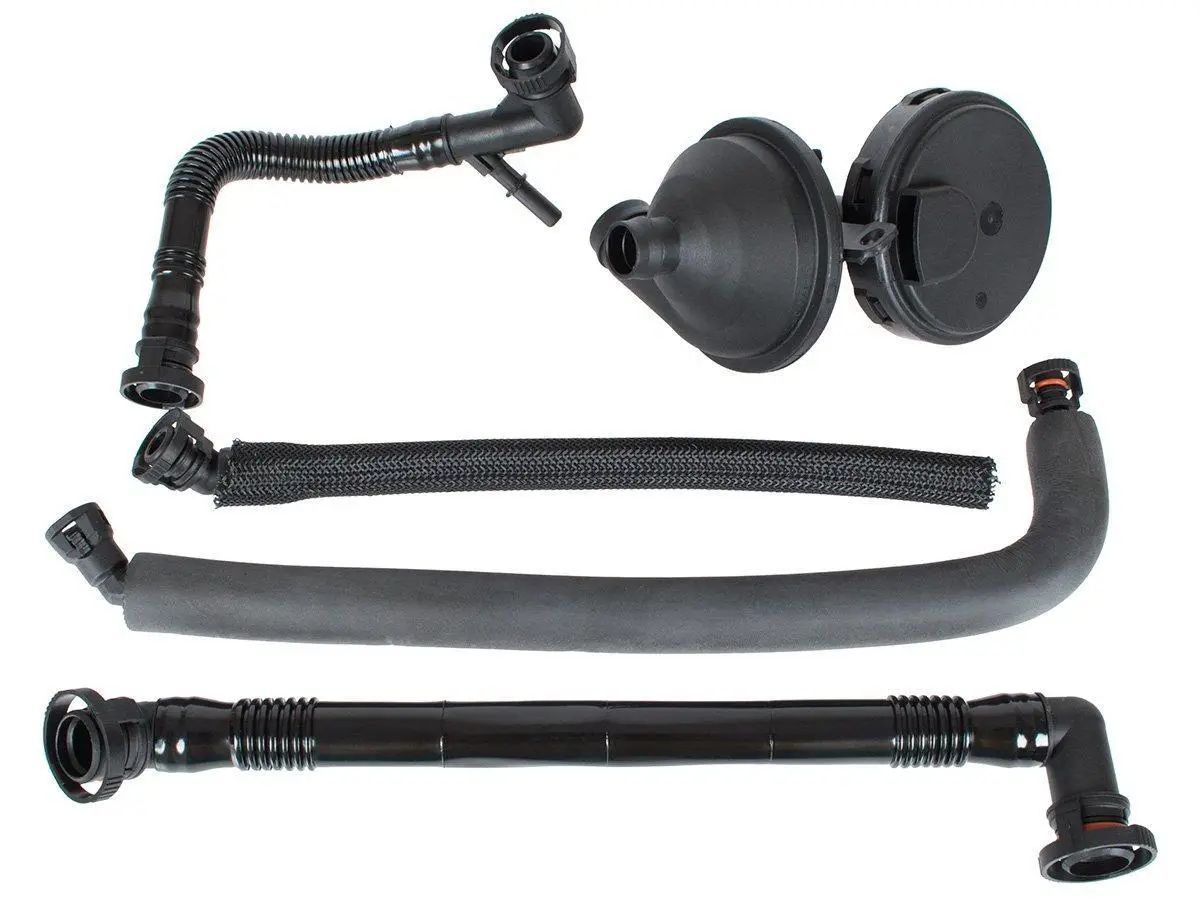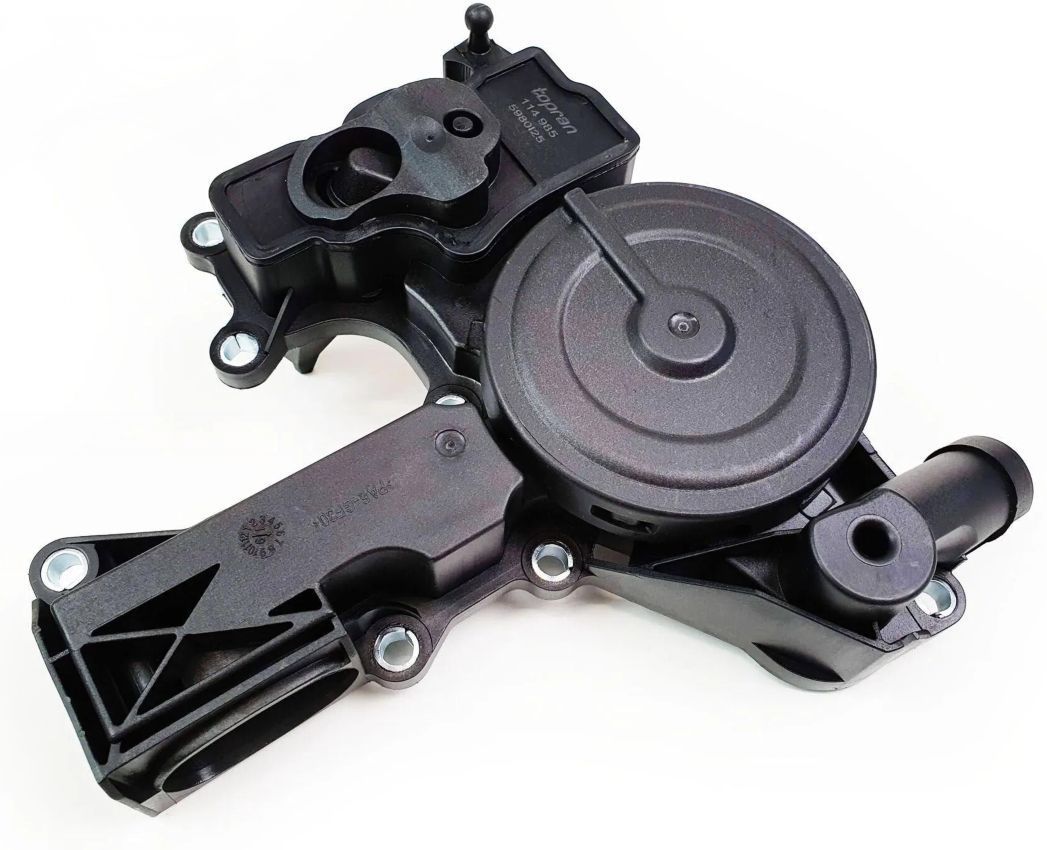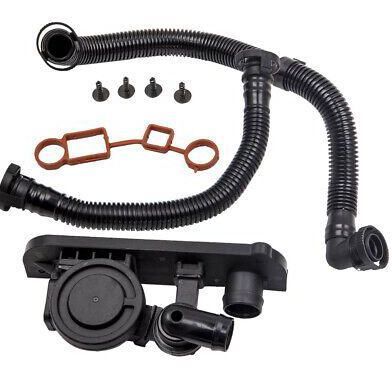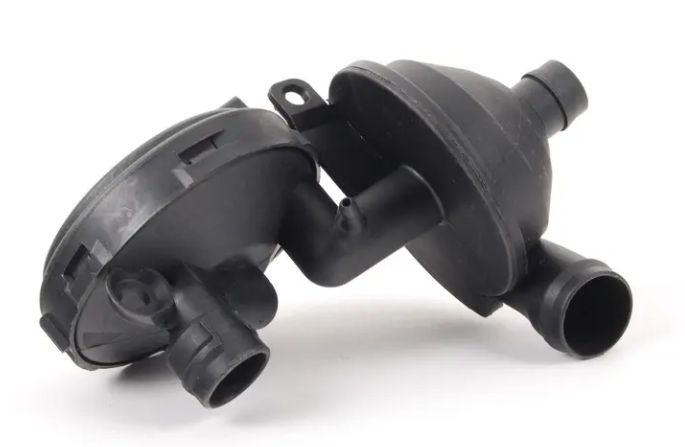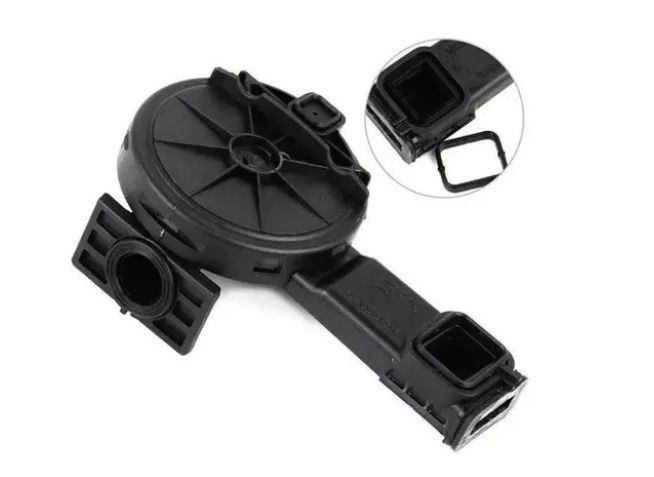

Article number: BS42011 FOCUSON ENGINE's product is cross-referenced with this one.
The PCV Valve allows gases and vapors to escape from the engine's crankcase, preventing pressure buildup and improving engine performance.
Tailored for wholesale and OEM needs, our V401920 support OE number cross-reference. Please consult our sales team for MOQ and procurement details.
Details
Interchange Numbers
Vehicle Fitment
| Make | Model | Type | Engine Code | Capacity | Fuel Type | Year | Power |
|---|
| CHEVROLET (SGM) | CRUZE Saloon (CP1) | 1.6 T | LLU | 1598 CCM / 1.6 L | Petrol | 2010-11-01 2013-12-01 |
135 KW / 184 PS |
| CHEVROLET (SGM) | CRUZE Saloon (CP1) | 1.8 | 2H0 | 1796 CCM / 1.8 L | Petrol | 2011-12-01 2014-06-01 |
108 KW / 147 PS |
| CHEVROLET (SGM) | CRUZE Saloon (CP1) | 1.6 | LDE | 1598 CCM / 1.6 L | Petrol | 2010-08-01 2014-06-01 |
89 KW / 121 PS |
| SATURN | ASTRA | 1.8 | 2H0 | 1796 CCM / 1.8 L | Petrol | 2007-09-01 2009-12-01 |
104 KW / 141 PS |
| PONTIAC | G3 | 1.6 | LXT | 1598 CCM / 1.6 L | Petrol | 2006-06-01 2010-12-01 |
78 KW / 106 PS |
| PONTIAC | G3 | 1.6 | LXT,LXV | 1598 CCM / 1.6 L | Petrol | 2006-09-01 2010-12-01 |
79 KW / 107 PS |
| CHEVROLET (SGM) | CRUZE Saloon (CP1) | 1.5 | L2B | 1485 CCM / 1.5 L | Petrol | 2014-09-01 2016-07-01 |
83 KW / 113 PS |
| CHEVROLET (SGM) | CRUZE Saloon (CP1) | 1.6 | LDE | 1598 CCM / 1.6 L | Petrol | 2009-04-01 2013-12-01 |
86 KW / 117 PS |
| CHEVROLET (SGM) | CRUZE Saloon (CP1) | 1.8 | 2H0 | 1796 CCM / 1.8 L | Petrol | 2009-04-01 2011-12-01 |
105 KW / 143 PS |
Overview
| Car models | CHEVROLET (SGM) CRUZE Saloon (CP1); SATURN ASTRA; PONTIAC G3 |
| Engines | LLU; 2H0; LDE; LXT; LXT,LXV; L2B |
| Engine power (horsepower) | 106-184 HP |
| Power (kilowatts) | 78-135 KW |
| Year of manufacture | 2006-2016 |
FAQs
A PCV system is a component of an internal combustion engine that manages gases produced in the crankcase, such as blow-by gases, by recycling them back into the engine for combustion. This helps maintain engine efficiency, reduce emissions, and prevent damage from excessive pressure and oil contamination.
The PCV system uses a valve connected to the intake manifold to draw blow-by gases from the crankcase into the engine's combustion chambers. These gases are mixed with air and fuel and then combusted, reducing emissions and maintaining engine health.
The main components include the PCV valve, breather element, and various hoses and pipes. The PCV valve is crucial as it regulates the flow of gases between the crankcase and intake manifold.
It is essential for maintaining engine performance, reducing emissions, and preventing engine damage. Without a PCV system, harmful gases can accumulate, leading to oil sludge, leaks, and decreased engine efficiency.
Failure can lead to increased engine pressure, oil leaks, oil sludge buildup, and decreased engine performance. Regular maintenance of the PCV valve is crucial to prevent these issues.
The PCV valve should be inspected regularly and replaced as needed, typically during routine maintenance or if symptoms of malfunction appear, such as decreased engine performance or oil leaks.