Introduction to the Air Filter for Car
Ever wondered why your car’s engine sometimes feels sluggish, or why fuel economy seems to dip after a while? It might be a simple, often overlooked part—your engine’s air filter. Think of the air filter for the car as the "lungs" of your vehicle: just as your lungs filter the air you breathe, the air filter ensures only clean air reaches your engine’s internal components. But what exactly does an air filter do for your car, and why is it so critical?
What is an Air Filter and Why Does Your Car Need One?
Imagine driving down a dusty road. Every minute, your car’s engine pulls in vast amounts of air, mixing it with fuel to create the controlled explosions that power your ride. But that air isn’t always clean—it’s loaded with dust, dirt, pollen, and even microscopic debris. That’s where the air filter steps in. Its primary job is to trap these airborne contaminants before they can enter the engine, preventing them from causing abrasion, clogging, or other forms of internal damage.
An engine needs over 10,000 gallons of clean air to burn just one gallon of fuel efficiently.
This staggering figure highlights just how essential a clean, high-quality air filter is. Without it, contaminants can sneak past and damage sensitive engine parts like cylinder walls and piston rings, eventually leading to costly repairs or even engine failure (Carfax).
So, what is an air filter for in a car? In short, it’s your engine’s first line of defense, ensuring every bit of air entering the combustion chamber is as pure as possible. A clean air filter for the car means better performance, smoother acceleration, and optimal fuel efficiency. On the flip side, neglecting this part can lead to a host of issues—reduced power, higher fuel consumption, and premature engine wear.
By understanding the vital role of the air filter for car maintenance, you’re taking a key step toward prolonging your engine’s life and maintaining peak performance. In the following sections, we’ll explore what happens when this filter gets clogged, how to choose the right type, and when it’s time for a replacement—empowering you to make smarter choices for your vehicle’s health and efficiency.

The Hidden Costs of a Clogged Filter
When was the last time you checked your car’s air filter? If you’re like most drivers, it’s easy to overlook—until subtle (and not-so-subtle) problems start piling up. So, what does an air filter do for your car? It quietly protects your engine by ensuring a steady supply of clean air. But when neglected, a clogged filter triggers a domino effect of issues that can drain your wallet and sap your car’s performance.
How a Dirty Filter Tanks Your Fuel Economy
Imagine trying to jog while breathing through a clogged mask. That’s what your engine experiences with a dirty air filter. The engine needs a precise balance of air and fuel for combustion. When the air intake filter for your car becomes blocked with dust and debris, less oxygen reaches the combustion chamber. To compensate, your car’s computer system injects more fuel, resulting in a “rich” air-fuel mixture.
This imbalance forces your engine to work harder and burn extra fuel just to maintain normal power. According to FRAM, replacing a clogged engine air filter can improve gas mileage by up to 10%. That means leaving a dirty filter in place could be costing you more at the pump every month. Not only does this waste fuel, but it also increases emissions, making your car less environmentally friendly.
The Link Between Airflow and Engine Power
But poor fuel economy is just the beginning. Restricted airflow also cripples your engine’s ability to generate power. When your engine can’t "breathe," it can’t produce the force needed for smooth acceleration or maintain peak horsepower. The result? Sluggish acceleration, jerky throttle response, and even engine misfires.
Here’s what happens under the hood: with less oxygen available, more unburnt fuel passes through the combustion process. This can cause carbon deposits to build up on your spark plugs, leading to rough idling, difficulty starting the engine, and—if ignored—long-term damage to sensitive engine parts. In some cases, you might notice black smoke or even the smell of gasoline from your exhaust, both signs that fuel isn’t burning efficiently.
- Sluggish acceleration: Your car feels slow to respond when you press the gas pedal.
- Reduced MPG: You’re visiting the gas station more often than usual.
- Black smoke from exhaust: Unburnt fuel escapes, often with a strong gasoline odor.
- Engine misfires or rough idle: The engine shakes, sputters, or hesitates, especially when starting or idling.
- Check engine light: The dashboard warning may illuminate due to poor air intake or spark plug issues.
Over time, these symptoms don’t just annoy you—they can lead to expensive repairs. Excess fuel can foul spark plugs, requiring replacement. In severe cases, a severely clogged filter may allow dirt to sneak past, causing internal engine wear and potentially shortening your vehicle’s lifespan.
Keeping your air filter clean is a simple and affordable way to avoid these pitfalls. In the next section, we’ll clear up a common source of confusion: the difference between your car’s engine air filter and the cabin filter—so you always know which part needs your attention.
Engine Filter vs Cabin Filter
Ever walked into an auto parts store and wondered, “Do I need an air filter for my car engine, or is it the cabin air filter for my car that needs replacing?” Sounds confusing, right? You’re not alone—many drivers mix up these crucial filters because both sound similar, but their roles and locations are very different. Understanding the distinction helps you avoid buying the wrong part and ensures your car runs smoothly inside and out.
Engine Air Filter: Protecting Engine Internals
Imagine your engine as a marathon runner. Every time you drive, it inhales massive amounts of air to mix with fuel for combustion. The engine air filter acts as a shield, trapping dirt, dust, sand, and debris before they can enter and damage sensitive engine parts. A clean engine filter keeps your engine breathing easy, preventing abrasive particles from causing wear or reducing performance. If neglected, a clogged filter can lead to sluggish acceleration, poor fuel economy, and even engine damage.
Cabin Air Filter: Guarding Your Air Quality
Now, think about the air you breathe inside your car. The cabin air filter is your first line of defense against dust, pollen, smoke, and odors entering through the heating, ventilation, and air conditioning (HVAC) system. It’s especially important for those with allergies or sensitivities, as it helps maintain fresh, clean air in the passenger compartment. Over time, this filter can clog with contaminants, leading to musty smells, reduced airflow, and more frequent dust buildup on your dashboard.
| Filter Type | Purpose | Location | Typical Replacement Interval |
|---|
| Engine Air Filter | Protects engine internals by filtering out dust, dirt, sand, and debris from incoming air | Under the hood, usually in a rectangular or cylindrical housing near the front of the engine bay | Every 12,000–15,000 miles or once a year (may vary with driving conditions) |
| Cabin Air Filter | Filters air entering the passenger cabin, removing pollen, dust, allergens, and odors | Behind the glove box, under the dashboard, or sometimes under the hood near the HVAC intake | Every 15,000–30,000 miles or once every 1–2 years |
Here’s a quick way to remember: The engine air filter keeps your engine healthy, while the cabin air filter keeps you and your passengers comfortable and breathing easy. If you’re noticing reduced airflow from your AC, persistent odors, or more dust in the cabin, it might be time for an air conditioner filter replacement for cars. On the other hand, if your car feels sluggish or your fuel economy drops, check the air filter for car engine performance.
By knowing which filter does what—and when to replace them—you’ll avoid common maintenance mistakes and keep both your engine and cabin systems running at their best. Next, let’s break down the different materials used in air filters, so you can make the smartest choice for your driving style and needs.

A Guide to Air Filter Material Types
When you’re searching for the best air filter for car performance, you’ll quickly realize there’s more to the story than just finding a filter that fits. The material your filter is made of can dramatically affect filtration efficiency, airflow, maintenance, and even long-term costs. But what’s really the difference between paper, cotton, and foam air filters? Let’s break it down, so you can make a confident, informed choice that matches your driving needs.
Comparing Filter Media: Paper, Cotton, and Foam
Picture this: You’re standing in the auto parts aisle, and you see a range of filters—some promising performance, others touting low cost or long life. Sounds complex? Let’s simplify it by looking at how each filter material works and what it means for your engine’s health and your wallet.
| Filter Media | Filtration Efficiency | Airflow | Cost (Initial & Lifetime) | Maintenance Requirements |
|---|
| Paper (Cellulose) | High (traps most large particles; efficiency improves as it loads with dust) | Moderate (tighter weave means more resistance as it clogs) | Low initial; higher lifetime (needs replacement every 10,000–15,000 miles) | Disposable; replace, not washable |
| Cotton Gauze (Oiled) | Very High (captures finer particles, especially when oiled) | High (looser weave, better airflow, supports performance gains) | Higher initial; lower lifetime (washable/reusable, lasts up to 150,000 miles) | Washable, reusable; requires periodic cleaning and re-oiling |
| Synthetic (Polyester/Nylon) | Excellent (captures fine particles; superior dust-holding capacity) | High (engineered for minimal restriction) | Moderate to high initial; lower lifetime (washable, lasts 30,000–50,000 miles) | Washable, reusable; easy maintenance |
| Foam | Moderate (good for large debris; less effective for fine particles) | Very High (open-cell structure; great for performance, especially in dusty/racing environments) | Low to moderate initial; reusable (often used as a pre-filter) | Washable, reusable; may require oiling |
Pros and Cons: Which Material Fits Your Needs?
- Paper Filters: These are the default choice for most vehicles. They’re affordable, easy to replace, and do a great job filtering out large debris. If you’re a daily commuter and want a hassle-free solution, paper filters are a solid pick. However, they restrict airflow more as they clog and need frequent replacement—so long-term, costs can add up.
- Cotton Gauze Filters: If you’re after the best air filter brand for car performance, cotton gauze is a favorite among enthusiasts. These filters are designed for high airflow and can even increase horsepower and fuel economy. They’re washable and reusable—lasting up to 150,000 miles with proper care. The catch? They require periodic cleaning and re-oiling, so a bit more effort is involved, but the long-term savings and eco-friendly aspect are hard to beat (OnAllCylinders).
- Synthetic Filters: These blend the strengths of cotton and paper. With advanced filtration and dust-holding capacity, synthetic filters offer top-notch protection and are easy to maintain. They’re washable, reusable, and typically last 30,000–50,000 miles. If you want a high-performing, low-maintenance option, synthetic is a smart choice.
- Foam Filters: Often seen in racing, off-road, or powersports applications, foam filters excel at trapping large debris and providing maximum airflow. They’re durable and reusable, but their filtration of fine particles may not match cotton or synthetic filters. For most everyday drivers, foam is less common, but it shines in environments where dust is a constant threat.
What About Carbon and Cabin Filters?
For those concerned about allergies or interior air quality, carbon air filter for car and best car cabin air filter for allergies are terms you’ll see often. These filters are typically used in the cabin, not the engine, and are designed to trap odors, allergens, and even some gases. Cabin filters may use paper, synthetic, or carbon-impregnated media for added protection. If clean cabin air is your priority, especially for allergy sufferers, a high-quality carbon cabin filter is worth the investment.
Ultimately, there’s no one-size-fits-all answer. Consider your driving environment, performance expectations, and maintenance preferences. For most drivers, paper filters offer simplicity and affordability; for enthusiasts and those seeking long-term value, cotton or synthetic filters provide superior performance and cost savings. And if you’re tackling dusty trails or racing, foam may be your best friend. In the next section, we’ll show you exactly when and how to replace your filter—so you get the most out of whichever material you choose.
When to Change Your Car Air Filter
Ever wondered, "When should I really schedule an air filter replacement for car performance?" Or maybe you’ve asked, "How long is a car air filter good for?" The answer isn’t always as simple as a set number on your odometer. Let’s break down the facts so you can make confident, cost-effective decisions and keep your engine running strong.
Manufacturer Guidelines vs Real-World Conditions
Most automakers recommend changing your engine air filter every 12,000 to 15,000 miles or once a year—whichever comes first. This is a solid baseline, but it’s not a one-size-fits-all rule. Your actual replacement interval depends on where and how you drive. If you often take your car down dusty roads, drive in high-pollution areas, or endure stop-and-go city traffic, your filter will clog up faster than someone who cruises mostly on clean highways. In these harsher conditions, it’s wise to check your filter more frequently—every oil change or at least twice a year.
Ignoring these real-world factors can lead to a clogged filter, hurting fuel economy, power, and even causing engine trouble. For most drivers, sticking to the manufacturer’s schedule is safe, but if you’re in a tough environment, don’t hesitate to inspect and replace sooner.
Visual Signs of a Worn-Out Filter
Sounds complex? Actually, checking your air filter is one of the simplest car care tasks. Here’s how you can visually inspect it at home—no special tools required:
- Hold the filter up to a light source: Remove the filter from its housing and hold it toward a bright light. If you can’t see light passing through most of the filter, it’s likely clogged with dirt and dust.
- Check for dark, clogged pleats: A new filter is nearly white. Over time, it turns brown or black as it traps debris. If the pleats are visibly dirty or packed with particles, it’s time for a change (Air Filter Blaster).
- Look for any tears or damage: Inspect the filter media and rubber gasket. Tears, holes, or a brittle, cracked gasket mean the filter can’t do its job and should be replaced immediately.
Other telltale signs you need a new filter include sluggish acceleration, rough idle, decreased MPG, or even the check engine light coming on. If you notice any of these symptoms, don’t wait—swap out the filter to restore peak performance.
Cost of air filter for car maintenance is modest: a DIY replacement typically runs $10–$40, while a shop may charge $50–$100 for parts and labor. Checking and replacing the filter yourself saves both time and money.
By making air filter inspection a routine habit—especially if you drive in challenging conditions—you’ll keep your engine healthy, maximize fuel efficiency, and avoid unnecessary repairs. In the next section, we’ll show you how to change your filter at home in just a few minutes, empowering you to take control of this essential maintenance task.
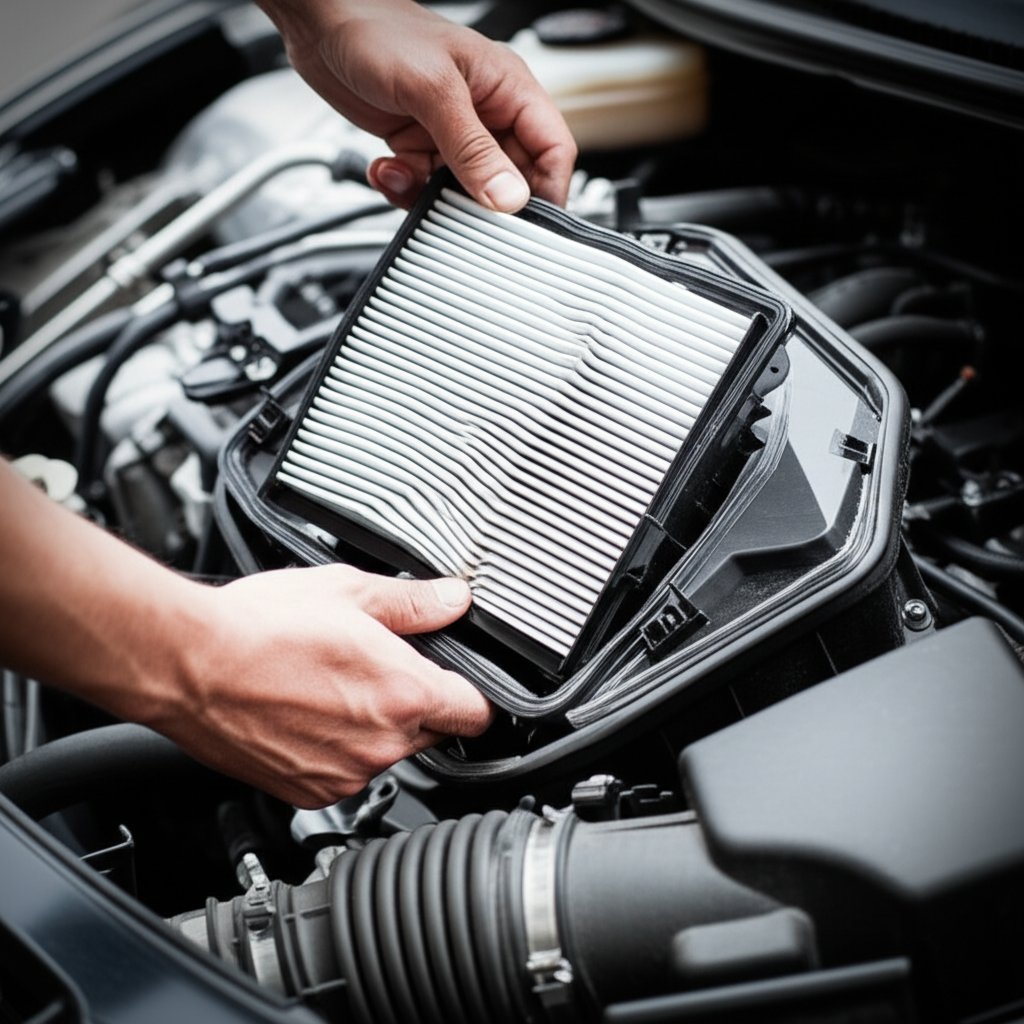
How to Replace Your Air Filter at Home
Wondering if you can change the engine air filter for your car without a trip to the shop? Good news: this is one of the easiest—and most rewarding—DIY maintenance tasks you can tackle. Whether you’re looking to save money, boost performance, or simply learn more about your vehicle, swapping out the air filter for your car takes just a few minutes and requires only basic tools. Let’s break it down so anyone can follow along, even if you’ve never popped your hood before.
Your 5-Minute DIY Air Filter Replacement Guide
Before you start, make sure you have the right replacement filter for your vehicle. Check your owner’s manual or use an online lookup tool to confirm the filter size and type. If you’re wondering, “How do I find the right air filter for my car?”—just match the year, make, model, and engine size for a perfect fit.
- Locate the Air Filter Housing:
Pop the hood and look for a rectangular or round plastic box near the top or side of the engine bay. In most modern cars, it’s a black box connected to the intake hose. For older, carbureted engines, it may be a large round metal housing right on top of the engine (WyoTech). - Open the Housing:
Release any clips, undo screws, or twist off a wing nut to access the filter. Keep track of all fasteners so you can reassemble everything easily. Some housings may have multiple screws or clamps, so take your time. - Remove the Old Filter:
Gently lift out the old air filter, noting its orientation. This makes it easier to install the new one correctly. Be careful not to let dirt or debris fall into the intake—this is a crucial step for protecting your engine. - Clean the Housing:
Use a clean, lint-free cloth to wipe out the inside of the air filter housing. This simple step prevents loose dirt from getting sucked into your engine with the new filter. If you’re using an air filter cleaner for car maintenance, only apply it to washable, reusable filters—never to standard paper filters. - Insert the New Filter:
Drop the new filter into place, matching the orientation of the old one. Make sure it fits snugly, with no gaps around the edges. If your car uses a breather filter, now’s a good time to check and replace that as well. - Secure the Housing Lid:
Close the air filter housing and secure all clips, screws, or nuts. Double-check that everything is tight and properly seated. This ensures no unfiltered air sneaks past the filter and into your engine.
Tips and Common Mistakes to Avoid
- Don’t use the wrong filter. Always verify the size and type before installing. A poor fit can let unfiltered air reach your engine, risking damage.
- Don’t skip cleaning the housing. Even a little leftover dust can cause problems down the line.
- Don’t try to clean a disposable paper filter. If you’re searching for how to clean air filter for car, remember: most engine air filters are designed to be replaced, not washed or blown out. Only washable cotton or foam filters should be cleaned and reused.
- Do wear gloves. Engine bays often have sharp plastic edges, so protect your hands.
- Do check your manual. Some cars may have unique filter housings or additional steps—your manual will have specifics.
That’s it! In just five to ten minutes, you’ve completed an essential maintenance task that can improve fuel economy, restore engine power, and extend the life of your vehicle. For most drivers, this simple job is as easy as topping off windshield fluid—but with a much bigger impact on your car’s health.
Ready to keep your engine running its best? Next, we’ll tackle some common myths and misconceptions about air filters, so you can separate fact from fiction and make confident decisions every time you pop the hood.
Separating Air Filter Fact from Fiction
Air Filter Myths That Hurt Your Engine
Ever heard someone at the auto parts store claim, “You don’t need to replace your air filter—just clean it!” or “A high-performance filter will make your car a rocket”? Sounds tempting, but these common beliefs can actually do more harm than good. Let’s clear the air and set the record straight with real facts, so you can make informed decisions about the best performance air filter for car maintenance.
Myth: You can just wash or blow out a standard paper air filter and reuse it.
It might seem logical—if a filter looks dirty, why not just clean it and pop it back in? But here’s the reality: cleaning a paper or cellulose air filter with compressed air or water can permanently damage its structure. According to filtration experts, this process pushes fine particles deeper into the filter media, reducing its filtration efficiency and potentially allowing harmful contaminants into your engine. In fact, cleaning only improves the filter’s appearance, not its function. Only washable filters (like certain cotton or foam types) are designed for cleaning and reuse. For most vehicles, regular replacement—not washing—is the safest and most effective method for maintaining engine health.
Myth: High-performance filters always mean better protection and more power.
Who wouldn’t want an instant horsepower boost? However, the truth is more nuanced. High-performance or high-flow filters can increase airflow, but that often comes at the expense of filtration. More air means less resistance, but it can also mean more particles slipping through, especially in harsh or dusty environments. For daily drivers, sticking with a filter that matches your manufacturer’s recommendations is usually the best route. While some performance filters are great for track or controlled conditions, they may not offer the long-term engine protection needed for everyday use (Unsealed 4x4).
Myth: You only need to change your air filter if you drive on dirt roads or in dusty areas.
It’s easy to assume that city driving keeps your filter clean, but even in urban environments, your air filter for car can collect pollen, insects, and fine particles that clog the media over time. Regular maintenance is necessary no matter where you drive. Neglecting replacement can lead to reduced fuel efficiency, higher emissions, and increased engine wear—even if you never leave the pavement.
Myth: Cleaning is always cheaper and just as effective as replacing your filter.
While it might seem cost-effective to clean your filter instead of replacing it, the risk of damaging the filter or reducing its effectiveness can lead to much higher costs down the road—think engine repairs or decreased fuel economy. In reality, air filter replacement is an affordable maintenance step that protects your engine and saves money in the long run.
By understanding these myths and focusing on facts, you’ll ensure your engine gets the protection it deserves and avoid costly mistakes. Next, we’ll help you choose the right filter for your car and driving style, so you can drive with confidence and peace of mind.
Making the Smart Choice for Your Car
How to Select the Right Filter for Your Vehicle
When you’re standing in the auto parts aisle or browsing online, you might wonder: What air filter do I need for my car? The answer comes down to a few practical steps that ensure you’re making a smart, cost-effective choice. Let’s break down the final checklist, so you can confidently choose the best air filter for cars—whether you’re a daily commuter, a weekend adventurer, or a business sourcing parts for a fleet.
- Check Your Owner’s Manual: Your manual is the ultimate authority on filter size, type, and recommended specifications. Always start here to avoid compatibility issues and ensure a proper fit.
- Consider Your Driving Environment: Do you frequently drive on dusty roads, in heavy traffic, or through polluted city streets? If so, opt for a filter with higher dirt-holding capacity or enhanced filtration efficiency. For most, a standard filter is sufficient, but tough conditions may call for premium options.
- Decide Between Standard vs. Performance: If you want simplicity and low cost, a disposable paper filter works well. For reusable, long-term savings or performance gains, consider cotton or synthetic filters. Each type offers a different balance of filtration, airflow, and maintenance needs.
- Confirm Fit and Quality: Double-check the filter’s dimensions and ensure it meets or exceeds OEM standards. An ill-fitting or low-quality filter can let unfiltered air bypass, risking engine damage and higher costs over time.
- Compare Air Filter Price for Car: Prices vary based on material, brand, and features. While standard filters typically range from $20–$50, investing in a high-quality filter can save money by extending engine life and improving performance.
- Choose a Reputable Supplier: Only purchase from trusted sources to guarantee authenticity and warranty support. This ensures your filter delivers on both protection and value.
Air Filter for Car: Frequently Asked Questions
1. What does an air filter do for your car?
An air filter prevents dust, dirt, and debris from entering your engine, ensuring clean airflow for optimal combustion. This helps maintain engine power, fuel efficiency, and protects internal components from premature wear.
2. How often should you change the air filter in your car?
Most manufacturers recommend replacing the engine air filter every 12,000–15,000 miles or annually. However, if you drive in dusty or polluted environments, inspect and replace it more frequently to keep your engine running efficiently.
3. How much does a car air filter cost?
A standard car air filter typically costs between $10 and $40, depending on the type and brand. High-performance or reusable filters may be priced higher but can offer long-term savings and enhanced protection.
4. What are the symptoms of a bad air filter in your car?
Common signs of a clogged air filter include sluggish acceleration, reduced fuel economy, black smoke from the exhaust, engine misfires, and a lit check engine light. Replacing the filter can quickly resolve these issues.