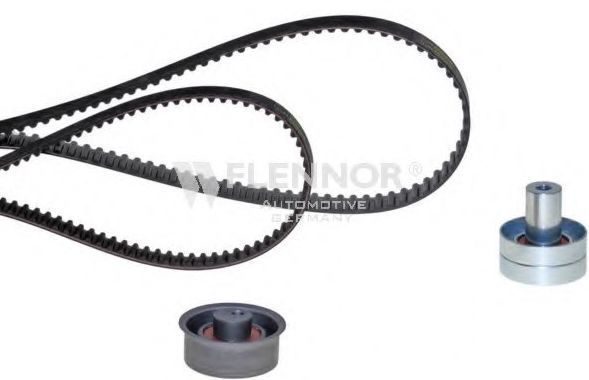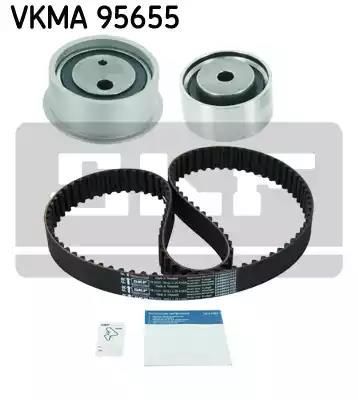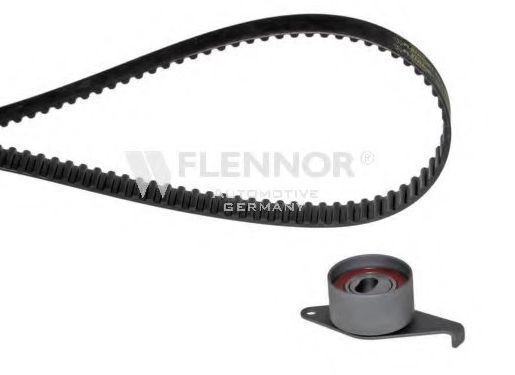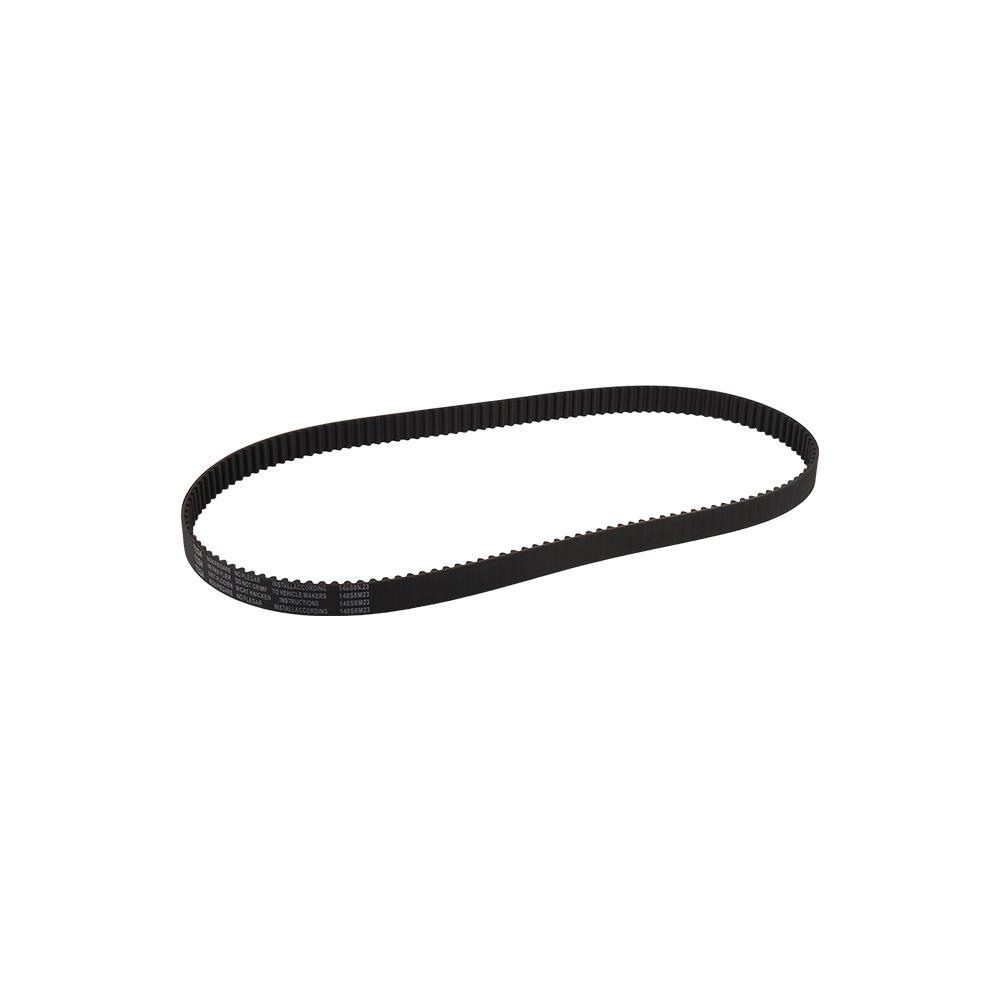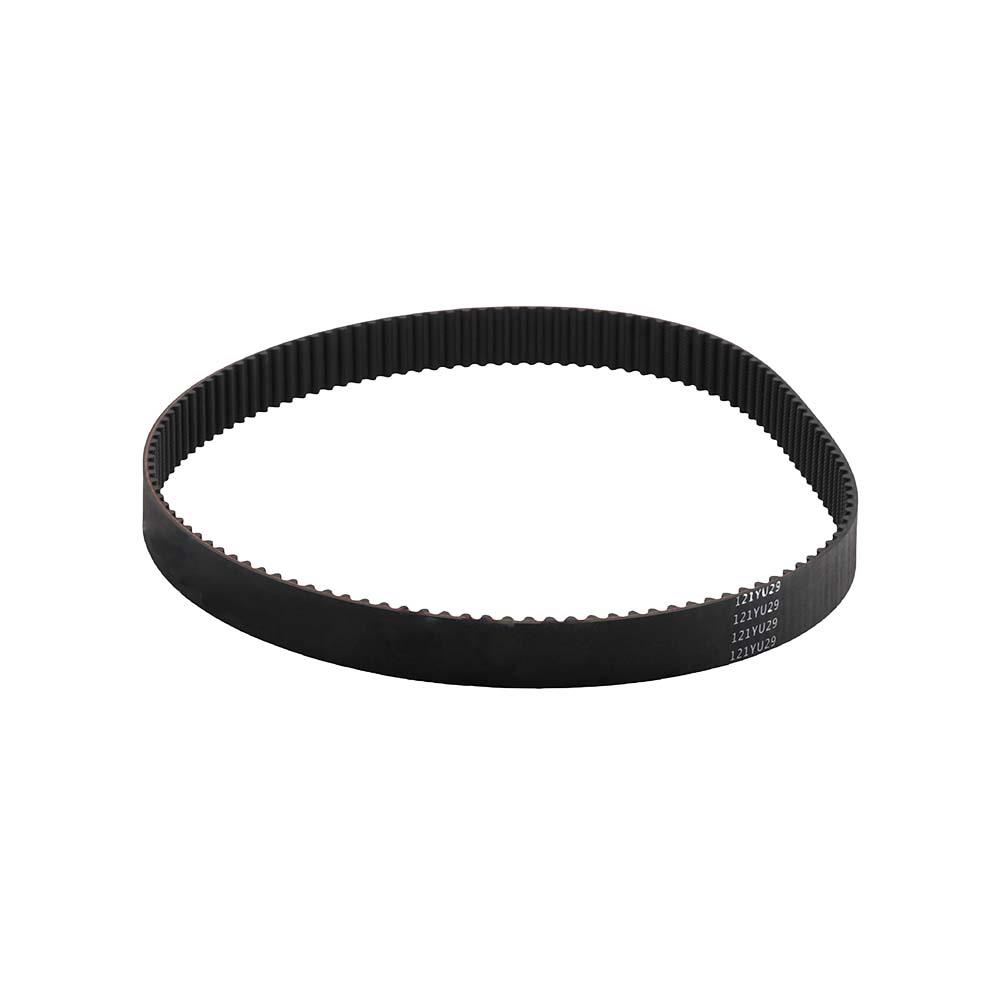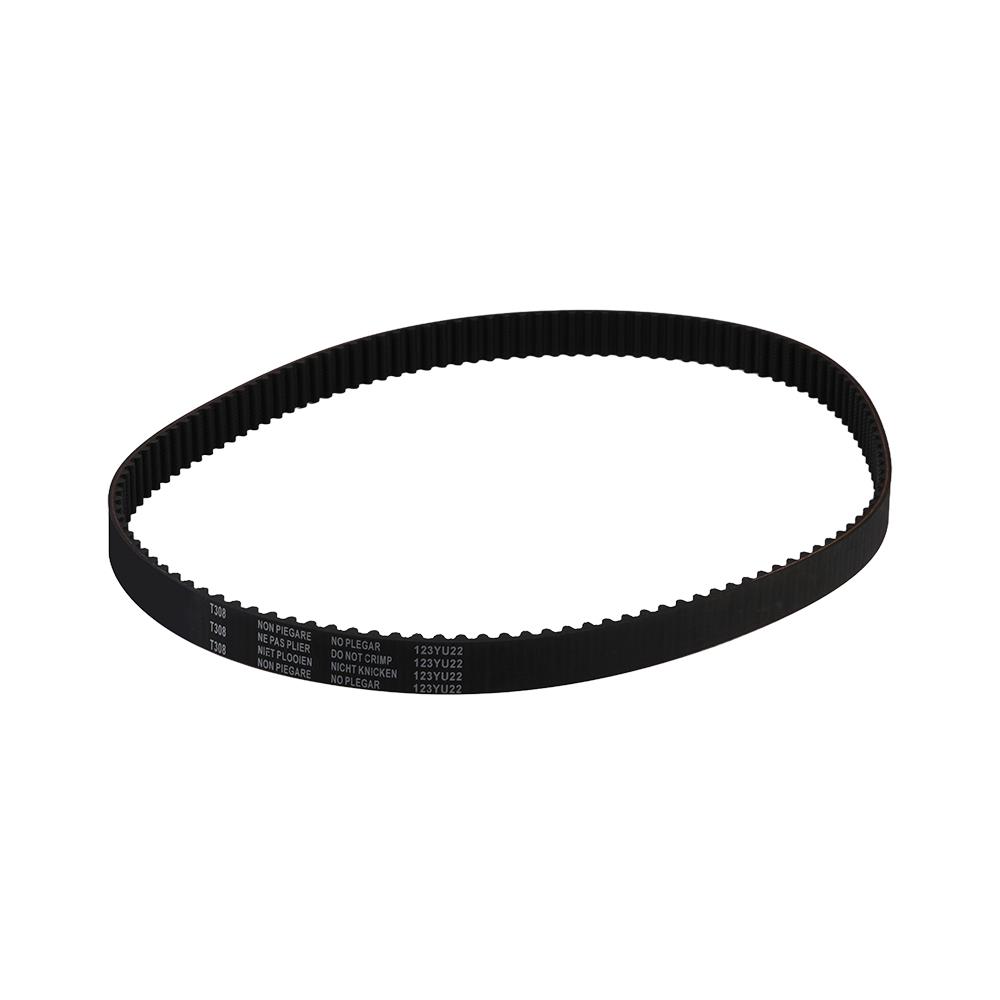

Article number: 111RU25.4 FOCUSON ENGINE's product is cross-referenced with this one.
The timing belt synchronizes the rotation of the crankshaft and camshaft to ensure precise timing for the engine's valves and pistons, preventing interference and optimizing performance.
Tailored for wholesale and OEM needs, our T278 support OE number cross-reference. Please consult our sales team for MOQ and procurement details.
Details
|
Belt Material HSN |
Cog Quantity 111 |
|
Color Black |
Cord Material Fiberglass |
|
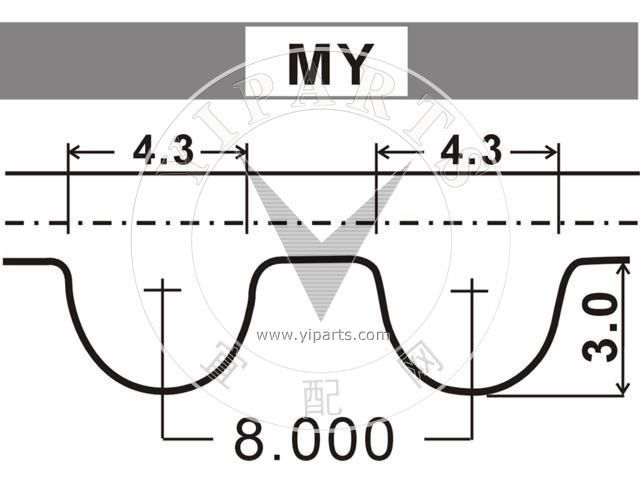
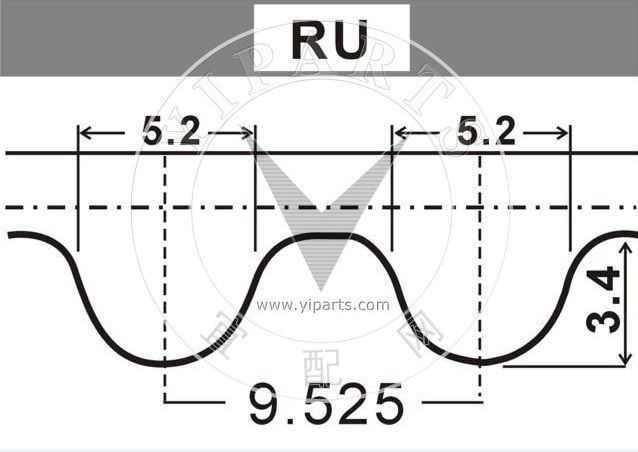
Pitch (IN) .375 |
Pitch (MM) 9.5 |
|
Pitch Length (IN) 41.625 |
Pitch Length (MM) 1057 |
|
Profile Type Modified Curvilinear (III) |
Timing Marks No |
|
Top Width (IN) 1 |
Top Width (MM) 25 |
|
Type Automotive Timing Belt |
Kits List
Interchange Numbers
Vehicle Fitment
| Make | Model | Type | Engine Code | Capacity | Fuel Type | Year | Power |
|---|
| HYUNDAI | TIBURON Coupe | 1.8 | G4GM | 1795 CCM / 1.8 L | Petrol | 1996-09-01 1997-12-01 |
97 KW / 132 PS |
| HYUNDAI | TIBURON Coupe | 2.0 | G4GF | 1975 CCM / 2.0 L | Petrol | 1996-09-01 2001-12-01 |
104 KW / 141 PS |
| HYUNDAI | TIBURON Coupe | 2.0 | G4GC | 1975 CCM / 2.0 L | Petrol | 1996-08-01 2001-12-01 |
102 KW / 139 PS |
| HYUNDAI | TIBURON Coupe | 2.0 | G4CP | 1997 CCM / 2.0 L | Petrol | 1999-08-01 2000-05-01 |
110 KW / 150 PS |
| HYUNDAI | TIBURON Coupe | 2.0 | 1975 CCM / 2.0 L | Petrol | 1999-08-01 2001-12-01 |
101 KW / 137 PS | |
| HYUNDAI | TIBURON Coupe | 2.0 16V | 1975 CCM / 2.0 L | Petrol | 2001-03-01 2001-12-01 |
99 KW / 135 PS | |
| HYUNDAI | TIBURON Coupe | 1.8 SX | 1795 CCM / 1.8 L | Petrol | 1996-07-01 2001-12-01 |
94 KW / 128 PS |
Overview
| Car models | HYUNDAI TIBURON Coupe |
| Engines | G4GM; G4GF; G4GC; G4CP; |
| Engine power (horsepower) | 128-150 HP |
| Power (kilowatts) | 94-110 KW |
| Year of manufacture | 1996-2001 |
FAQs
It synchronizes the rotation of the crankshaft and camshaft, ensuring proper engine timing and valve operation.
Symptoms include engine misfires, rough idling, and potential engine failure if the belt breaks.
It can lead to reduced engine efficiency, increased emissions, and potential engine damage if not addressed promptly.